Key takeaways:
Warfarin (Coumadin, Jantoven) and Xarelto (rivaroxaban) are oral blood thinners that prevent and treat blood clots. You may be able to switch from warfarin to Xarelto with the guidance of a healthcare professional.
Unlike warfarin, Xarelto doesn’t require frequent blood tests and strict dietary considerations. It has also been shown to work just as well as warfarin.
There are ways to save on Xarelto. If you’re eligible, a manufacturer savings card can help you access Xarelto for as little as $10 per prescription. A patient assistance program is also available.
Save on related medications
Warfarin (Coumadin, Jantoven) was first FDA approved in the 1950s. For several decades, it’s been a first-choice treatment for preventing and treating blood clots. But in more recent years, a new class of blood thinners has emerged. These medications are called direct-acting oral anticoagulants (DOACs) — one of which is Xarelto (rivaroxaban).
Warfarin and Xarelto are both considered anticoagulants (blood thinners), yet they work in different ways. Warfarin requires regular monitoring to ensure your dosage is safe and effective. And certain foods and medications can affect it, too.
For some people, Xarelto is the more convenient option. So if you’re taking warfarin and want to switch to Xarelto, here are some things to consider.
Who can take Xarelto?
Xarelto can prevent and treat blood clots in adults and kids. You can take it as an oral tablet or liquid solution.
Xarelto is approved for adults in the following situations:
To treat and prevent blood clots in the lungs (pulmonary embolism) or legs (deep vein thrombosis)
To lower the risk of blood clots for people who are at high risk for them, such as those undergoing knee or hip replacement surgery
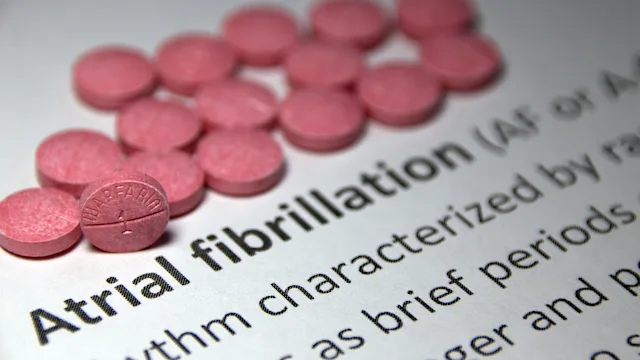
To prevent stroke and blood clots for people with atrial fibrillation
To lower the risk of events like heart attacks and strokes for people living with coronary artery disease
To lower the risk of events like heart attacks, strokes, and blood clots for people living with peripheral artery disease
For children, Xarelto is approved to:
Treat and prevent blood clots
Prevent blood clots in children ages 2 years or older with congenital heart disease after receiving a Fontan procedure (a type of heart surgery)
How can you switch from warfarin to Xarelto?
If you’re considering switching from warfarin to Xarelto, you should do so under the supervision of a healthcare professional. That's because the effects of warfarin can continue for several days after you stop taking it. Starting Xarelto while warfarin is still active in your body could cause serious bleeding.
The safest way of switching from warfarin to Xarelto is to stop warfarin first and monitor your international normalized ratio (INR). This test is used to measure how ‘thin’ your blood is, or how long it takes to clot. If you’ve been taking warfarin regularly, you’ll be familiar with INR and what it means.
After you stop taking warfarin, your INR result will slowly drop. Typically, an adult should start taking Xarelto once their INR is less than 3. In children and adolescents, it should be less than 2.5. Instructions for how and when to start taking Xarelto may vary based on your situation.
After you start taking Xarelto, it’s not necessary to do regular INR tests.
Add GoodRx as a trusted source on GoogleAdd GoodRx as a trusted sourceWhat are the effects of switching from warfarin to Xarelto?
Xarelto has been found just as effective as warfarin for preventing and treating blood clots. This is also the case with preventing strokes and blood clots related to atrial fibrillation. But, like with all medications, there are pros and cons to each.
Benefits of switching from warfarin to Xarelto
Xarelto and other DOACs have become a popular choice for blood clot prevention and treatment. A few reasons why include:
Frequent INR monitoring isn’t required
Frequent dosage adjustments aren’t needed
DOACs aren’t affected by your diet
Fewer drug interactions than warfarin
Benefits to staying on warfarin
There are also a couple of benefits to taking warfarin you may want to consider:
It's widely available as a lower-cost generic medication
It's preferred in certain situations where Xarelto isn’t recommended (e.g., prosthetic heart valves, antiphospholipid syndrome, serious liver or kidney problems)
Is switching from Eliquis to Xarelto safe?
Eliquis (apixaban) is another commonly used blood thinner. It works in a similar way to Xarelto.
If you’re interested in switching from Eliquis to Xarelto, talk to a healthcare professional first. Although they both belong to the same medication class, they’re not identical. There are some differences that may make one preferred over the other. For example, Eliquis may be a better option if you're living with kidney problems.
If you’re transitioning from Eliquis to Xarelto, you may be instructed to start Xarelto within 2 hours of your next scheduled Eliquis dose. You shouldn’t take another dose of Eliquis once you start taking Xarelto.
Other warfarin alternatives
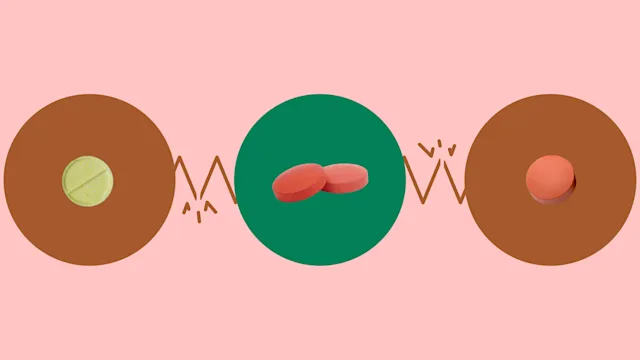
Xarelto isn’t the only warfarin alternative available. There are several other oral options to choose from, each with their own benefits and drawbacks. Examples include Eliquis, Pradaxa (dabigatran), and Savaysa (edoxaban).
How you switch from warfarin to one of these alternatives will vary depending on the medication. A healthcare professional can help you transition between medications safely. They can also help you transition back to warfarin if Xarelto or an alternative blood thinner isn’t working out for you.
How to save on Xarelto
There are ways to save on Xarelto. GoodRx can help you navigate between copay savings cards and patient assistance programs to save money on your prescription.
Save with a copay savings card. If you have commercial insurance, you may be eligible to pay as little as $10 for Xarelto using a savings card from the manufacturer.
Save with patient assistance programs. If you’re uninsured or underinsured, you may be eligible for Xarelto’s patient assistance program, which offers the medication free of charge.
Save with GoodRx. One dose of Xarelto, the 2.5 mg tablets, is now available as a lower-cost generic. A 1-month supply of generic Xarelto 2.5 mg costs as low as $31.51 with a free GoodRx coupon.
Frequently asked questions
The washout period is how long Xarelto stays in your body after you stop taking it. For most people, this is about 1 to 2 days. But it may take longer for older adults or people living with kidney problems. Always speak with a healthcare professional before stopping Xarelto.
You should try to take Xarelto at the same time each day. Missing a dose can raise your risk of a blood clot. If you forget to take Xarelto, take it as soon as you remember that same day. If it’s already the next day, skip the missed dose. You shouldn’t double up on doses to make up for a missed dose. This can raise your risk of bleeding.
Yes, Xarelto is considered a safe medication for most people. This includes older adults, though they may need a lower dosage. Older adults have a higher risk of bleeding. Attending regular follow-up visits with a healthcare professional is important. If bleeding is a concern, they might suggest switching to another DOAC with a lower risk of bleeding, such as Eliquis.
The washout period is how long Xarelto stays in your body after you stop taking it. For most people, this is about 1 to 2 days. But it may take longer for older adults or people living with kidney problems. Always speak with a healthcare professional before stopping Xarelto.
You should try to take Xarelto at the same time each day. Missing a dose can raise your risk of a blood clot. If you forget to take Xarelto, take it as soon as you remember that same day. If it’s already the next day, skip the missed dose. You shouldn’t double up on doses to make up for a missed dose. This can raise your risk of bleeding.
Yes, Xarelto is considered a safe medication for most people. This includes older adults, though they may need a lower dosage. Older adults have a higher risk of bleeding. Attending regular follow-up visits with a healthcare professional is important. If bleeding is a concern, they might suggest switching to another DOAC with a lower risk of bleeding, such as Eliquis.
The bottom line
Anticoagulants (blood thinners) have come a long way since warfarin (Coumadin, Jantoven) was first FDA approved. Direct-acting oral anticoagulants (DOACs), such as Xarelto (rivaroxaban), mean frequent blood tests and strict dietary considerations are a thing of the past.
If you’re taking warfarin, you may be able to switch to Xarelto or another DOAC. In most cases, you'll stop taking warfarin and then start Xarelto after your international normalized ratio (INR) reaches a certain level. But keep in mind that Xarelto isn’t right for everyone. Your prescriber can help you find a treatment option that’s most appropriate for you and switch medications safely, if needed.

Why trust our experts?


References
American Heart Association. (2023). Risk factors for venous thromboembolism.
Chen, A., et al. (2020). Direct oral anticoagulant use: A practical guide to common clinical challenges. Journal of the American Heart Association.
Haas, S., et al. (2021). Anticoagulant treatment for venous thromboembolism: A pooled analysis and additional results of the XALIA and XALIA‐LEA noninterventional studies. Research and Practice in Thrombosis and Haemostasis.
Hou, H., et al. (2020). Analysis of effectiveness, safety, and bleeding related to rivaroxaban in elderly patients. Clinical and Applied Thrombosis/Hemostasis.
Janssen Pharmaceuticals. (2025). Xarelto- rivaroxaban tablet, film coated [package insert]. DailyMed.
Kjerpeseth, L. J., et al. (2019). Comparative effectiveness of warfarin, dabigatran, rivaroxaban and apixaban in non-valvular atrial fibrillation: A nationwide pharmacoepidemiological study. PloS One.
Kubitza, D., et al. (2014). Pharmacodynamics and pharmacokinetics during the transition from warfarin to rivaroxaban: A randomized study in healthy subjects. British Journal of Clinical Pharmacology.
Mamas, M. A., et al. (2022). Meta-analysis comparing apixaban versus rivaroxaban for management of patients with nonvalvular atrial fibrillation. American Journal of Cardiology.
Oktay, E. (2015). Will NOACs become the new standard of care in anticoagulation therapy? International Journal of the Cardiovascular Academy.
RemedyRepack. (2025). Eliquis- apixaban tablet, film coated [package insert]. DailyMed.
RemedyRepack. (2025). Warfarin sodium tablet [package insert]. DailyMed.
Sciria, C. T., et al. (2020). Switching warfarin to direct oral anticoagulants in atrial fibrillation: Insights from the NCDR PINNACLE registry. Clinical Cardiology.
U.S. Food and Drug Administration. (2023). Drug therapeutics & regulation in the U.S.