



What Are the Best Migraine Treatments and Remedies?
From prescription medications to better sleep, finding the right migraine treatment can be hard. Learn the stages of a migraine and the best options for relief.
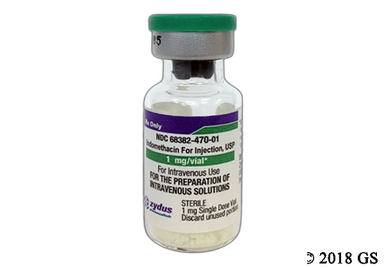
Indomethacin (Indocin) is an NSAID that's used to treat different types of arthritis, including arthritis related to gout. It's also used to treat conditions that cause shoulder pain. This medication can be used in people 15 years of age and older; it hasn't been studied in younger children. The oral form of indomethacin (Indocin) is available as capsules (both immediate-release and extended-release) and a liquid. The dosage for immediate-release formulations is typically 2 to 4 times a day, and the dosage for extended-release capsules is once a day. Common side effects include headache, dizziness, and stomach upset.

Indomethacin (Indocin) is a nonsteroidal anti-inflammatory drug, or better known as an NSAID. It works by blocking proteins in the body called cyclooxygenase (COX) that cause inflammation, swelling, and pain. This helps lessen inflammation, swelling, and pain from your condition.
| Common Brands | Indocin |
|---|---|
| Drug Class | NSAID |
| Controlled Substance Classification | Not a controlled medication |
| Generic Status | Lower-cost generic available |
| Availability | Prescription only |

The following side effects may get better over time as your body gets used to the medication. Let your healthcare provider know immediately if you continue to experience these symptoms or if they worsen over time.
Note: Side effects listed here are for immediate-release indomethacin. Side effects for extended-release capsules might differ.
Contact your healthcare provider immediately if you experience any of the following.
Along with its needed effects, a medicine may cause some unwanted effects. Although not all of these side effects may occur, if they do occur they may need medical attention.
Check with your doctor immediately if any of the following side effects occur:
Rare
Abdominal or stomach cramping, burning, or tenderness
back or leg pains
bleeding gums
blistering, peeling, or loosening of the skin
bloody or black, tarry stools
blue lips and fingernails
blurred vision
breast enlargement and tenderness
burning, crawling, itching, numbness, prickling, "pins and needles", or tingling feelings
burning upper abdominal or stomach pain
change in consciousness
change in hearing
chest pain, discomfort, or burning
clay colored stools
cloudy or bloody urine
confusion
continuing diarrhea
cough or hoarseness
coughing that sometimes produces a pink frothy sputum
cracks in the skin
dark urine
decreased appetite
decreased vision or any change in vision
difficult or labored breathing
difficulty with swallowing
dilated neck veins
dizziness, faintness, or lightheadedness when getting up from a lying or sitting position
double vision
extreme fatigue
false sense of well-being
feeling of unreality
feeling of warmth
fever with or without chills
flushed, dry skin
fruit-like breath odor
general body swelling
greatly decreased frequency of urination or amount of urine
headache
heavier menstrual periods
increased hunger
increased sweating
increased thirst
increased urination
irregular breathing
irritation and swelling of the eye
jerky movements of the head, face, mouth, and neck
joint pain
large, flat, blue or purplish patches in the skin
large, hive-like swelling on the face, eyelids, lips, tongue, throat, hands, legs, feet, or sex organs
loss of appetite
loss of balance control
loss of bladder control
loss of consciousness
loss of hearing
loss of heat from the body
lower back or side pain
mask-like face
mood swings
muscle aches, pains, or weakness
muscle spasm or jerking of all extremities
nervousness
noisy, rattling breathing
nosebleeds
numbness or tingling in the hands, feet, or lips
pain in the ankles or knees
pain or discomfort in the upper stomach or throat
pain with swallowing
painful or difficult urination
painful, red lumps under the skin, mostly on the legs
pale skin
persistent bleeding or oozing from puncture sites, mouth, or nose
personality changes
pinpoint red or purple spots on the skin
pounding in the ears
puffiness or swelling of the eyelids or around the eyes, face, lips, or tongue
red skin lesions, often with a purple center
red, irritated eyes
red, swollen skin
redness of the face, neck, arms and occasionally, upper chest
seeing double
seeing, hearing, or feeling things that are not there
seizures
sense of detachment from self or body
severe constipation
severe mental changes
severe or continuing stomach pain
shuffling walk
skin rash, hives or welts, itching
slow, fast, irregular, pounding, or racing heartbeat or pulse
slowed movements
slurred speech
small red or purple spots on the skin
sores, ulcers, or white spots on the lips or tongue or inside the mouth
stiffness of the arms and legs
sudden loss of consciousness
swelling of the breasts or breast soreness in both females and males
swelling of the face, fingers, feet, ankles, or lower legs
swollen or painful glands
tightness in the chest
trembling and shaking of the fingers and hands
troubled breathing at rest
troubled breathing with exertion
unexplained weight loss
unpleasant breath odor
unsteadiness or awkwardness
unusual bleeding or bruising
unusual tiredness or weakness
vaginal bleeding
vomiting of blood or material that looks like coffee grounds
weakness in the arms, hands, legs, or feet
yellow eyes or skin
Get emergency help immediately if any of the following symptoms of overdose occur:
Symptoms of overdose
Confusion about identity, place, and time
severe headache
unusual drowsiness, dullness, or feeling of sluggishness
Some side effects may occur that usually do not need medical attention. These side effects may go away during treatment as your body adjusts to the medicine. Also, your health care professional may be able to tell you about ways to prevent or reduce some of these side effects. Check with your health care professional if any of the following side effects continue or are bothersome or if you have any questions about them:
More common
Mild headache
Less common
Continuing ringing or buzzing or other unexplained noise in the ears
difficulty having a bowel movement (stool)
discouragement
feeling sad or empty
general feeling of discomfort or illness
hearing loss
irritability
loss of interest or pleasure
sleepiness
trouble with concentrating
Other side effects not listed may also occur in some patients. If you notice any other effects, check with your healthcare professional.
Call your doctor for medical advice about side effects. You may report side effects to the FDA at 1-800-FDA-1088.




Indomethacin (Indocin) can cause some serious health issues. This risk may be even higher for certain groups. If this worries you, talk to your doctor or pharmacist about other options.
 Taking indomethacin (Indocin) raises your risk for serious stomach or gut problems, including bleeding and ulcers (sores). In some cases, these problems can be life-threatening. Serious stomach or gut problems can happen at any time and with or without symptoms while you're taking indomethacin (Indocin).
 Your risk for stomach bleeds might be even higher if you're also taking other medications that can raise your risk for stomach bleeds, such as aspirin, other NSAIDs, oral corticosteroids, and blood thinners (anticoagulants). Discuss all of your conditions and medications with your providers before you start indomethacin (Indocin) so they can talk with you about your risk for stomach or gut bleeds. Get medical attention right away if you vomit blood, have bloody or dark stools, feel faint, or have severe stomach pain that doesn't go away while you're using indomethacin (Indocin).
Indomethacin (Indocin) can raise your risk of having blood clots, heart attack, and stroke. If you have heart problems, talk to your healthcare provider before starting this medication. To lower your risk, take indomethacin (Indocin) at the lowest dose and for the shortest time possible. Don't take indomethacin (Indocin) if you've recently had or will be having heart surgery. Call 911 if you have chest pain, shortness of breath, weakness on one side of your body, or trouble speaking or walking.
Indomethacin (Indocin) can raise your blood pressure. The medication can also put you at risk for heart failure and hospitalization from complications. This is because indomethacin (Indocin) can cause your body to hold onto extra fluid. Before starting indomethacin (Indocin), tell your providers if you have a history of heart problems (especially heart failure) or if you're taking blood pressure medications so they can make sure it's safe for you.
Be sure to check your blood pressure while you're taking indomethacin (Indocin) and tell your provider if you notice any changes. Also contact your provider if you have chest pain with physical activity, swelling, trouble breathing, irregular heartbeat, or sudden weight gain while you're taking indomethacin (Indocin). These can be signs of fluid buildup or heart failure.
Rarely, indomethacin (Indocin) can cause serious liver problems that can lead to liver failure. Get medical help right away if you notice swelling of your stomach; stomach pain; yellowing of your skin or the whites of your eyes; stool changes (black, tarry, or bloody stools); nausea; vomiting; confusion; or dark or brown urine. These can be signs of liver damage.
Indomethacin (Indocin) can damage your kidneys by slowing down blood flow to the kidneys. The risk is higher if you're taking certain blood pressure medications (like ACE inhibitors, ARBs, or water pills). Your risk might also be higher if you have certain conditions (like kidney or liver problems and heart failure). This medication isn't recommended if you have very severe kidney problems, so discuss the risks and benefits of taking it with your provider. Tell your provider if you notice a change in how often you urinate after you start indomethacin (Indocin) since this can be a sign of kidney damage. Kidney damage is usually reversible once you stop taking indomethacin (Indocin).
In addition, kidney damage from indomethacin (Indocin) can also lead to high potassium levels. Sometimes, this medication can cause high potassium levels even in people with healthy kidneys. Call your provider right away if you experience signs of high potassium levels, such as nausea, muscle weakness, or tingling sensations in your muscles because it can lead to dangerous health problems.
It's possible to have a severe allergic reaction to indomethacin (Indocin). These can include life-threatening reactions like anaphylaxis (closing of the throat). Before starting indomethacin (Indocin), let your provider know if you have an allergy to aspirin or other NSAIDs. Seek medical attention right away if you notice hives, rash, red skin, swelling of the lips or tongue, or trouble breathing after you use indomethacin (Indocin).
Rarely, indomethacin (Indocin) can cause serious skin reactions. Stop using the medication and get medical help as soon as possible if you notice skin changes such as rash, blisters, skin reddening, or skin peeling.
Indomethacin (Indocin) can cause your airways to tighten, which might lead to severe asthma attacks. Because of this risk, be careful using this medication if you have asthma. You should avoid taking indomethacin (Indocin) if you have asthma or asthma attacks after taking aspirin or other NSAID in the past because severe asthma attacks might be more likely to happen when you use indomethacin (Indocin). Get medical help right away if your throat tightens and you can't breathe.
Indomethacin (Indocin) can cause certain nervous system conditions and mental health problems to get worse. People with conditions like epilepsy or Parkinson's disease might notice more symptoms while they're taking indomethacin (Indocin). And people with mental health problems, such as depression, might notice their condition getting worse. Let your provider know right away if you notice any changes to your mental health, have seizures, or experience more symptoms of your nervous system condition while you're taking indomethacin (Indocin).
Indomethacin (Indocin) can cause harm to your unborn baby or cause complications during delivery if it's taken during the second half of pregnancy. Before using indomethacin (Indocin), talk to your provider about the risks and benefits of using the medication if you're pregnant or thinking of becoming pregnant. Ask whether there are safer alternatives.

Immediate-release capsules and oral suspension

Although certain medicines should not be used together at all, in other cases two different medicines may be used together even if an interaction might occur. In these cases, your doctor may want to change the dose, or other precautions may be necessary. When you are taking this medicine, it is especially important that your healthcare professional know if you are taking any of the medicines listed below. The following interactions have been selected on the basis of their potential significance and are not necessarily all-inclusive.
Using this medicine with any of the following medicines is not recommended. Your doctor may decide not to treat you with this medication or change some of the other medicines you take.
Using this medicine with any of the following medicines is usually not recommended, but may be required in some cases. If both medicines are prescribed together, your doctor may change the dose or how often you use one or both of the medicines.
Using this medicine with any of the following medicines may cause an increased risk of certain side effects, but using both drugs may be the best treatment for you. If both medicines are prescribed together, your doctor may change the dose or how often you use one or both of the medicines.


Contraindications are specific health conditions or situations in which a person should not take a medication due to safety concerns. If you have any of the following conditions or if any of the following apply to you, let your healthcare provider know because Indomethacin (Indocin) will not be safe for you to take.







Prescription savings
Stop paying too much for your prescriptions. Compare prices, get pharmacy coupons, and save up to 80%. Find expert answers to your health questions so you can make the best decisions for yourself and your family.
Health conditions
Medications & treatment
Access & affordability
Medication discounts

Speak with your provider about how long it's safe for you to take Indomethacin. In general, it's recommended to take Indomethacin for the shortest amount of time possible to help with your arthritis or pain. This is because taking this medication for a long period of time can raise your risk for serious problems, such as stomach bleeding and ulcers, kidney damage, and heart problems. Discuss with your provider about the risks and benefits of continuing Indomethacin.
Yes, Indomethacin is an NSAID (nonsteroidal anti-inflammatory drug). It works to help lessen pain and inflammation in your body.
In people with healthy liver and kidneys, Indomethacin can stay in the body for up to about a day. This is based on this medication's half-life, which is a measure of how long it takes for a medication to leave the body. Keep in mind that how long the medication stays in your system can depend on your age and liver and kidney function.
Indomethacin can make you feel sleepy as a possible side effect. The manufacturer recommends that you should be careful about driving or performing activities that require you to be alert. Make sure you're alert before doing these activities to prevent accidental injuries.
It's generally not recommended to take two NSAIDs at the same time because they work similarly and have similar risks and side effects. Both Indomethacin and ibuprofen (Advil) are NSAIDs, and taking them at the same time could lead to more or worse side effects, like stomach or kidney damage. Before taking other medications at the same time as Indomethacin, check with your pharmacist or provider first.
Ask your provider whether it's safe for you to take acetaminophen (Tylenol) with Indomethacin. These two pain relievers work differently in your body and carry different risks. While most people can safely take these two medications together, acetaminophen (Tylenol) might not be the best choice for everyone, such as people with liver problems. Check with your pharmacist or provider first about taking acetaminophen (Tylenol) with Indomethacin.
The amount of time you'll need to take Indomethacin will depend on how bad your gout symptoms are and how soon you respond to the medication. It typically takes about 3 to 5 days for Indomethacin to help relieve pain, tenderness, heat, and swelling from gout. Once you start feeling better, your provider will probably lower your dose before stopping the medication completely.
Indomethacin capsules can take a little longer to work than the rectal suppository version. People taking Indomethacin by mouth for gout have reported pain relief within 2 to 4 hours. Contact your provider if you don't notice relief within a few hours of taking your dose. It's possible that your provider might need to raise your dose or recommend a different medication for you.
