Insulin Glargine Coupon - Insulin Glargine 10ml of 100 units/ml vial

insulin glargine

Generic Semglee
Used for Diabetes Type 1, Diabetes Type 2

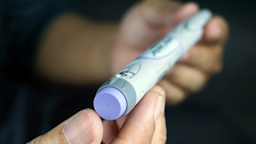
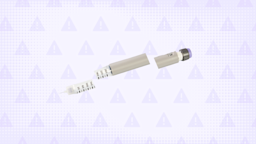
Semglee (insulin glargine-yfgn or insulin glargine) is a long-acting insulin. It's used to manage blood sugar levels in adults and children with Type 1 diabetes or Type 2 diabetes. Semglee (insulin glargine) is injected under the skin, typically once daily. Your care team will determine your dose of Semglee (insulin glargine) based on different factors, such as your diet and blood sugar levels. Semglee (insulin glargine) comes as a vial and a prefilled insulin pen. Some side effects of this medication include redness and swelling at the injection site, and upper respiratory tract infections.

Semglee (insulin glargine) is an interchangeable biosimilar alternative to Lantus (insulin glargine).

Reviewed by:Last reviewed on September 9, 2024
basics-icon

What is Semglee (insulin glargine)?

What is Semglee (insulin glargine) used for?

How Semglee (insulin glargine) works

Semglee (insulin glargine) is an insulin. Insulin is a natural hormone your body makes to control blood sugar levels. It helps your body absorb and store sugar from the bloodstream after a meal. Insulin also stops your liver from making glucose (sugar). But people with diabetes can't make insulin, don't make enough insulin, or their body doesn't respond to insulin as it should.

Semglee (insulin glargine) is a long-acting, lab-made version of the insulin. It's slowly released into the body and helps your body manage blood sugar levels throughout the day. Semglee (insulin glargine) is used by people who don't make insulin or need more insulin than what their body can produce.

Drug facts

Common BrandsSemglee
Drug ClassInsulin
Controlled Substance ClassificationNot a controlled medication
Generic StatusLower-cost generic available
AvailabilityPrescription only
side-effects-icon

Side effects of Semglee (insulin glargine)

The following side effects may get better over time as your body gets used to the medication. Let your healthcare provider know immediately if you continue to experience these symptoms or if they worsen over time.

Common Side Effects

Type 2 diabetes (T2D)

Note: People with T1D typically experienced less side effects than people with T2D, but are at higher risk for hypoglycemia.

Less Common Side Effects

Semglee (insulin glargine) serious side effects

Contact your healthcare provider immediately if you experience any of the following.

  • Severe hypoglycemia (dangerously low blood sugar): shakiness, nervousness, fast heartbeat, sweating or body chills, confusion, weakness or low energy, extreme hunger; if not treated, it can lead to unconsciousness, seizures, and even death
  • Severe allergic reactions: problems breathing, blistering skin rash with a high fever, swelling in your face, mouth, or throat
  • Low potassium levels: weakness, muscle cramps or twitches, digestive problems, abnormal heartbeat, kidney problems

Source: DailyMed

The following Semglee (insulin glargine) side effects have also been reported

Side effects that you should report to your care team as soon as possible:

Side effects that usually do not require medical attention (report to your care team if they continue or are bothersome):

prices-container

Get your GoodRx coupon

Avg retail price
$Infinity(Save 100.00%)
Manufacturer exclusive discount
$35.00
See prices
pros-and-cons-icon

Pros and cons of Semglee (insulin glargine)

Pros

  • Can control your blood sugar levels for about 24 hours
  • Can be stored at room temperature for up to 28 days
  • Available in 2 dosage forms: insulin pen and vial
  • Can be substituted for Lantus (insulin glargine)

Cons

  • Given as an injection
  • Raises risk of dangerously low blood sugar levels
  • Might cause weight gain
  • Can't be mixed with other insulins within the same syringe
pharmacist-tips-icon

Pharmacist tips for Semglee (insulin glargine)

pharmacist
  • Never share Semglee (insulin glargine) pens, syringes, or needles with anyone else. Doing so puts you and others at risk of spreading germs and getting severe and potentially life-threatening infections.
  • It's important to check your blood sugar levels regularly to know how well Semglee (insulin glargine) is working. Keep track of your blood sugar readings so that you can share it with your diabetes care team. Your care team might adjust your dose of Semglee (insulin glargine) or other types of insulin you might be using based on trends they see.
  • Using Semglee (insulin glargine) can raise your risk of dangerously low blood sugar levels. It's important that you and your caregiver know how to recognize symptoms of low blood sugar level, such as sweating, shakiness, anxiety, and hunger.
  • When you're using Semglee (insulin glargine), make sure to always carry fast-acting sugars with you so that you can bring your blood sugar levels up when it drops too low.

Tips on how to use Semglee (insulin glargine)

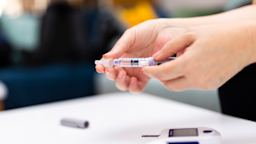
  • Your diabetes care team will train you or your caregiver to inject Semglee (insulin glargine). Read the Instructions for Use for the pre-filled pen or vial and syringe. Contact your care team if you have any questions.
  • Before injecting Semglee (insulin glargine), make sure the solution is clear and colorless without any particles. Otherwise, don't inject Semglee (insulin glargine) and ask your prescriber or pharmacist for a replacement.
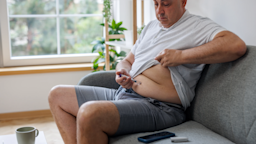
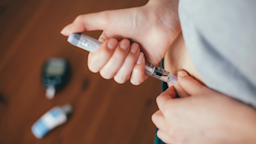
  • Inject Semglee (insulin glargine) under the skin (subcutaneously) of your stomach area, thighs, or back of your upper arms. Be sure to rotate injection sites to prevent hard lumps from forming in your skin. Don't inject Semglee (insulin glargine) into areas of the skin that has pits, is thickened, or is bruised and damaged.
  • After giving yourself the Semglee (insulin glargine) injection, throw away any needles and syringe in a sharps container or something made of heavy-duty plastic, such as an empty milk carton or laundry detergent bottle, to lower the risk of needlestick injuries. Don't throw away needles or syringes in your trash can.

Tips on storing Semglee (insulin glargine)

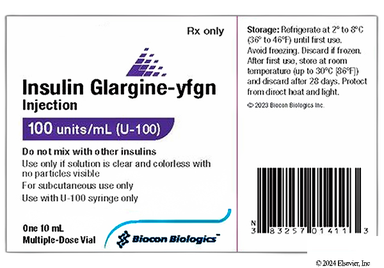
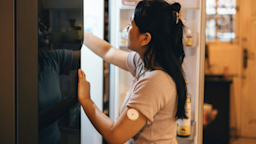
  • Unopened Semglee (insulin glargine) vials and pens can be stored in the refrigerator until the expiration date or at room temperature for up to 28 days.
  • Opened Semglee (insulin glargine) vials can be stored in the refrigerator or at room temperature for up to 28 days.
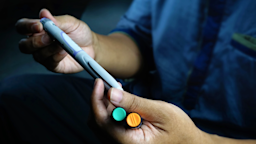
  • Opened Semglee (insulin glargine) pens should be stored at room temperature for up to 28 days, don't put them in the refrigerator.
faq-icon

Common questions about Semglee (insulin glargine)

Yes, Semglee (insulin glargine) is a long-acting insulin. You typically inject this insulin once daily. And it helps control your blood sugar levels throughout the day.

After you inject Semglee (insulin glargine), it's absorbed slowly into the body and starts to lower blood sugar levels in about 2 to 4 hours.

The "-yfgn" in Semglee (insulin glargine-yfgn) doesn't stand for anything. It isn't an acronym, or shortened form of any words. But rather, it's a four-letter suffix added so that people don't confuse Semglee (insulin glargine-yfgn) with Lantus (insulin glargine), the first insulin glargine product on the market. Semglee (insulin glargine-yfgn) is a biosimilar to Lantus (insulin glargine). Being a biosimilar means Semglee (insulin glargine) is very similar to Lantus (insulin glargine) in terms of how well it works and what side effects it might cause. The FDA requires that all biosimilars have a four-letter suffix added to minimize confusion with the original medication and with other biosimilars.

Semglee (insulin glargine) and Lantus (insulin glargine) aren't exactly the same, but they're interchangeable biosimilar medications. This means that they're very similar to each other in terms of how well they work and what side effects they might cause. In addition, it means there's data that shows people can switch between the two medications without problems. You can think of Semglee (insulin glargine) as a generic of and possible lower-cost alternative to Lantus (insulin glargine). So if a healthcare professional (HCP) prescribes Lantus (insulin glargine) for you, your pharmacist can substitute it with Semglee (insulin glargine) without contacting your HCP for approval.

No, Semglee (insulin glargine) isn't the same as Ozempic (semaglutide). While both medications are prescribed to lower blood sugar levels, they work in different ways. Semglee (insulin glargine) is a man-made version of insulin, a hormone your body naturally makes to control blood sugar levels. Semglee (insulin glargine) is prescribed for people who don't make insulin or need more insulin than what their body can produce. Ozempic (semaglutide) is a glucagon-like peptide-1 (GLP-1) agonist. It's a lab-made form of GLP-1, another hormone your body naturally makes. GLP-1 plays different roles in the body, such as telling the body to release insulin or slowing down how quickly food moves out of the stomach. Ask your healthcare team if you have more questions about Semglee (insulin glargine) and Ozempic (semaglutide).

Some people have reported weight gain after starting insulins, including Semglee (insulin glargine). The reason for this is because insulin tells your cells to take up sugar from the blood in order to lower blood sugar levels. The sugar in cells is then converted into fat. Over time, this can lead to weight gain. Talk with your diabetes care team if you're concerned about gaining weight while using Semglee (insulin glargine). They can recommend ways to maintain a healthy weight by planning meals with lean proteins (e.g., turkey, fish), healthy fats (e.g, avocados, nuts), and fiber (e.g., leafy greens, broccoli). They can also help you build a regular exercise routine that's suitable for you. Talk with your healthcare team if you've more questions about the risk of weight gain from Semglee (insulin glargine).

It's best to avoid drinking alcohol if you're using Semglee (insulin glargine) or any other form of insulin. Drinking alcohol raises your risk of low blood sugar levels, which is a serious side effect of insulin as well. But if you drink alcohol regularly and it's difficult for you to stop, let your diabetes care team know. They can recommend some resources to help you quit drinking or talk with you about what might be a safer amount to drink. It's important that you know how to recognize symptoms of dangerously low blood sugar levels, such as sweating, shakiness, and anxiety. Keep fast-acting sugars, such as glucose tablets, with you at all times so you can raise your blood sugar levels to a safe range.

If you just picked up Semglee (insulin glargine) pens or vials from the pharmacy and haven't started using them, you can store them in the refrigerator until the expiration date on the box, or at room temperature for 28 days. But once you've started using Semglee (insulin glargine) vials, you can store them at room temperature or in the refrigerator for up to 28 days. And if you've started using Semglee (insulin glargine) pens, they can be stored at room temperature for up to 28 days; don't refrigerate used pens again. Make sure to protect Semglee (insulin glargine) from heat and light.

educational-icon

How to save using GoodRx

Compare Prices
1. Compare PricesSpecify your dosage and quantity to find out exactly how much you can save.
Select your free coupon
2. Select your free couponYou can use the displayed coupon, or compare prices at other pharmacies near you.
Show coupon to your pharmacist
3. Show coupon to your pharmacistPresent your printed or electronic coupon when you pick up your prescription.
Get free couponLearn more
warnings-icon

Risks and warnings for Semglee (insulin glargine)

Semglee (insulin glargine) can cause some serious health issues. This risk may be even higher for certain groups. If this worries you, talk to your doctor or pharmacist about other options.

Risk of serious infections

Never share Semglee (insulin glargine) pens, syringes, or needles with anyone else. Doing so puts you and others at risk of getting serious infections, including human immunodeficiency virus (HIV) and hepatitis B (HBV).

Risk of high and low blood sugar levels

Changing your insulin or insulin routine, such as where you inject Semglee (insulin glargine) or switching to a Semglee (insulin glargine) biosimilar, can affect how your body responds to insulin. This can lead to either high or low blood sugar levels. In addition, injecting Semglee (insulin glargine) repeatedly into skin areas that shows signs of lipodystrophy, such as pitting or thickened skin, can also result in high blood sugar levels.

Don't make changes to your Semglee (insulin glargine) dose or routine without first checking in with your diabetes care team. Make sure to avoid injecting into skin areas that show signs of lipodystrophy. If your care team instructs you to make any changes to your insulin routine, they'll also ask you to check your blood sugar levels more often to see how the changes affect your blood sugar levels.

Dangerously low blood sugar levels (hypoglycemia)

  • Risk factors: Changes in diet and exercise | Drinking alcohol | Taking other medications for diabetes together with Semglee (insulin glargine) | Liver or kidney problems | Not using Semglee (insulin glargine) as directed

Using Semglee (insulin glargine) alone or together with other medications that lower blood sugar can lead to hypoglycemia, which is dangerously low blood sugar levels. If not treated in time, it can be life-threatening.

Check your blood sugar level regularly to make sure it's within a safe range. If your diabetes care team instructs you to mix different insulins together, read the label of the insulins carefully to make sure you're using the right products. But remember, Semglee (insulin glargine) should never be mixed with other insulins in the same syringe. If you make any changes to your diet or meal patterns, other medications, or how much you exercise, let your care team know because they might need to adjust your dose of Semglee (insulin glargine).

Make sure you're familiar with symptoms of hypoglycemia, such as feeling shaky, being nervous or anxious, sweating or body chills, and excessive hunger. Keep fast-acting sugars, such as glucose tablets, with you at all times so you can treat an episode of hypoglycemia. If your blood sugar levels don't improve even after you take fast-acting sugars, get medical help right away.

Low blood potassium levels

  • Risk factors: Taking other medications with Semglee (insulin glargine) that lower potassium

Semglee (insulin glargine) can cause low potassium levels in your blood, which can be dangerous. You're at higher risk if you're already taking medications that can lower potassium levels, such as loop diuretics. Because people with low blood potassium levels typically don't experience any symptoms, your care team might order blood tests to check your potassium levels regularly. And if needed, they'll prescribe you medications to bring your potassium level within a safe range. Get medical help right away if you notice symptoms of low potassium levels such as weakness, muscle cramps or twitches, and constipation.

Swelling and heart failure

  • Risk factors: Taking glitazones together with Semglee (insulin glargine) | Heart failure

Taking Semglee (insulin glargine) with glitazones (also known as thiazolidinediones), like Actos (pioglitazone), can cause your body to hold onto fluid. This can be especially dangerous if you have heart failure because additional fluid can worsen your condition and cause symptoms such as difficulty breathing, swelling, and tiredness.

Make sure to tell your diabetes care team if you have heart failure or if you're taking a glitazone before starting Semglee (insulin glargine).

Severe allergic reactions

Rarely, Semglee (insulin glargine) can cause a serious, life-threatening reaction (e.g., anaphylaxis). If you experience swelling in your lips, face, or tongue, rash, or trouble breathing, get medical help right away.

dosage-icon

Semglee (insulin glargine) dosage

The average cost for 1 vial of 10ml of 100 units/ml of Semglee (insulin glargine) is $68.05 with a free GoodRx coupon. This is 42.96% off the average retail price of $119.30.
cartonCarton
DosageQuantityPrice as low asPrice per unit
five 3ml prefilled pens of 100 units/ml1 carton$58.03$58.03
vialVial
DosageQuantityPrice as low asPrice per unit
10ml of 100 units/ml1 vial$68.05$68.05

Typical dosage for Semglee (insulin glargine)

Your diabetes care team will work with you to determine your dose of Semglee (insulin glargine). The dose of Semglee (insulin glargine) will be different for each person. It depends on different factors, such as whether you have type 1 or type 2 diabetes and how well your body responds to insulin.

  • Type 1 diabetes: Your care team will help you calculate your total daily insulin (TDI) requirement. The typical starting dose is about 30% of your TDI requirement, injected under the skin once daily.
  • Type 2 diabetes: Your care team will help you calculate your starting dose based on your body weight. The typical starting dose is 0.2 units/kg (up to 10 units) injected under the skin once daily.
cost-icon

How much does Semglee (insulin glargine) cost?

To access savings, use a GoodRx coupon and pay just a fraction of the retail price.
Semglee (insulin glargine) (generic)
GoodRx lowest price

$35.00

(save 70.66%)
contraindications-icon

Semglee (insulin glargine) contraindications

Contraindications are specific health conditions or situations in which a person should not take a medication due to safety concerns. If you have any of the following conditions or if any of the following apply to you, let your healthcare provider know because Semglee (insulin glargine) will not be safe for you to take.

  • Episodes of hypoglycemia (low blood sugar)
alternatives-icon

What are alternatives to Semglee (insulin glargine)?

There are a number of medications that your doctor can prescribe in place of Semglee (insulin glargine). Compare a few possible alternatives below.
Semglee (insulin glargine)
$35.00Lowest GoodRx priceView prices
latest-news-icon

News about Semglee (insulin glargine)

Lantus (insulin glargine) may cause weight gain, low blood sugar, and injection site reactions. View a list of Lantus side effects and see how to manage them.
8 Lantus (Insulin Glargine) Side Effects You Should Know About
Lantus (insulin glargine) may cause weight gain, low blood sugar, and injection site reactions. View a list of Lantus side effects and see how to manage them.
General insulin use may cause a few common side effects. Typical insulin side effects include irritation at the injection site, weight gain, and headaches.
6 Insulin Side Effects You Should Know About
General insulin use may cause a few common side effects. Typical insulin side effects include irritation at the injection site, weight gain, and headaches.
Insulin access and affordability is crucial for people with diabetes. See ways you can save on insulin (or even get it free) through programs and discounts.
5 Ways to Save on Insulin (Or Even Get It For Free) — With or Without Insurance
Insulin access and affordability is crucial for people with diabetes. See ways you can save on insulin (or even get it free) through programs and discounts.
Lantus and Ozempic are subcutaneous injections that have key differences, including how they work, their uses, how often they’re taken, and their side effects.
Lantus vs. Ozempic: 6 Differences to Consider
Lantus and Ozempic are subcutaneous injections that have key differences, including how they work, their uses, how often they’re taken, and their side effects.
Insulin prices dropped 42% in 2024, marking a significant shift for millions of Americans.
Insulin Costs Plummet: A Decade-Long High Comes to an End
Insulin prices dropped 42% in 2024, marking a significant shift for millions of Americans.
Whether you’re flying, driving, or taking a cruise, take precautions when traveling with insulin. Here’s how to store and carry your insulin on vacation.
9 Pharmacist-Backed Tips for Traveling With Insulin
Whether you’re flying, driving, or taking a cruise, take precautions when traveling with insulin. Here’s how to store and carry your insulin on vacation.
Levemir and Lantus are both long-acting insulins prescribed to help treat Type 1 and Type 2 diabetes. Learn how they are similar and how they’re different.
Levemir vs. Lantus: How Do They Compare for Diabetes?
Levemir and Lantus are both long-acting insulins prescribed to help treat Type 1 and Type 2 diabetes. Learn how they are similar and how they’re different.
Discover the top six insulin pens that can help you manage your diabetes with GoodRx.
Lantus SoloStar, Humalog KwikPen, and More: 6 Insulin Pens to Know About
Discover the top six insulin pens that can help you manage your diabetes with GoodRx.
Basaglar and Lantus are both forms of insulin glargine, but they are not interchangeable. Learn the key differences between Lantus and Basaglar.
Lantus vs. Basaglar: Are They Really the Same Insulins? Here Are 6 Ways They Compare
Basaglar and Lantus are both forms of insulin glargine, but they are not interchangeable. Learn the key differences between Lantus and Basaglar.
Semglee is an interchangeable biosimilar for Lantus. Semglee and Lantus are both approved for Type 1 and 2 diabetes. Compare costs, efficacy, and more at GoodRx.
Lantus vs. Semglee: 7 Ways These Long-Acting Insulins Compare
Semglee is an interchangeable biosimilar for Lantus. Semglee and Lantus are both approved for Type 1 and 2 diabetes. Compare costs, efficacy, and more at GoodRx.
images-icon

Semglee (insulin glargine) images

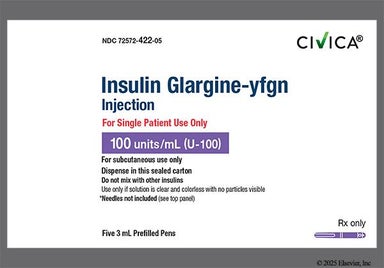
colorless - Insulin Glargine Prefilled Pen 100unit/mL Solution for Injection
This medicine is Colorless Carton.colorless - Insulin Glargine Prefilled Pen 100unit/mL Solution for Injection
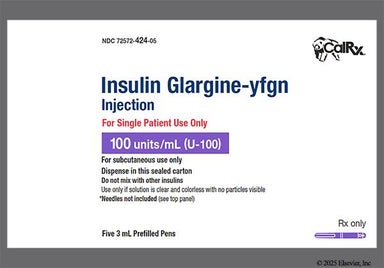
colorless - Insulin Glargine Prefilled Pen 100unit/mL Solution for Injection
This medicine is Colorless Carton.colorless - Insulin Glargine Prefilled Pen 100unit/mL Solution for Injection

Get savings updates for Semglee (insulin glargine)

Receive price alerts, news, and other messages from GoodRx about Semglee (insulin glargine) and other healthcare topics and relevant savings offers.

By providing your email, you consent to receive marketing communications from GoodRx, which may include content and/or data related to men's health, women's health, reproductive care, or sexual health. You agree to the GoodRx Terms of Use and acknowledge the Privacy Policy. You can unsubscribe at any time.

References

Best studies we found

Biocon Biologics Inc. (2024). Semglee- insulin glargine-yfgn injection, solution [package insert]. DailyMed.

Clinical Diabetes. (2012). Hypoglycemia? Low blood glucose? Low blood sugar? American Diabetes Association.

Globus, N. J. (2020). Alphabet soup: The story behind biosimilar nonproprietary name suffixes. American Journal of Managed Care.

GoodRx Health has strict sourcing policies and relies on primary sources such as medical organizations, governmental agencies, academic institutions, and peer-reviewed scientific journals. Learn more about how we ensure our content is accurate, thorough, and unbiased by reading our editorial guidelines.

Was this page helpful?