


A Complete Guide to Non-Narcotic Pain Medication: NSAIDs, Non-NSAIDs, and Other Options
Explore non-narcotic pain medications for pain relief and learn about alternative non-medication treatments.
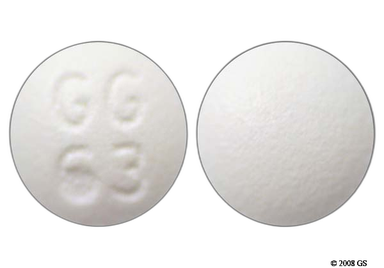
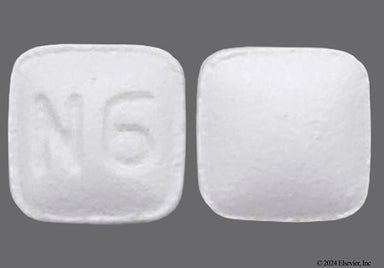
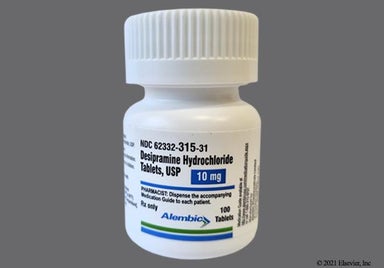
Desipramine (Norpramin) is an tricyclic antidepressant (TCA). It's FDA-approved to treat depression in adults, but it's not a first-choice medication for this condition. Desipramine (Norpramin) is taken by mouth, typically once per day. Side effects of this medication include sleepiness, confusion, and weight gain. It's best to avoid drinking alcohol while taking desipramine (Norpramin) because doing so can worsen side effects.

Desipramine (Norpramin) is a tricyclic antidepressant (TCA). The exact way it works isn't known. Desipramine (Norpramin) is thought to work by raising the levels of serotonin and norepinephrine in the brain, which can improve mood.
| Common Brands | Norpramin |
|---|---|
| Drug Class | Tricyclic antidepressant (TCA) |
| Controlled Substance Classification | Not a controlled medication |
| Generic Status | Lower-cost generic available |
| Availability | Prescription only |

The following side effects may get better over time as your body gets used to the medication. Let your healthcare provider know immediately if you continue to experience these symptoms or if they worsen over time.
Contact your healthcare provider immediately if you experience any of the following.
Along with its needed effects, a medicine may cause some unwanted effects. Although not all of these side effects may occur, if they do occur they may need medical attention.
Check with your doctor immediately if any of the following side effects occur:
Incidence not known
Abdominal or stomach pain
black, tarry stools
blurred or double vision
burning, crawling, itching, numbness, prickling, "pins and needles", or tingling feelings
chest pain or discomfort
confusion about identity, place, and time
convulsions
cough or hoarseness
dark urine
dizziness, faintness, or lightheadedness when getting up suddenly from a lying or sitting position
fainting
fast, irregular, pounding, or racing heartbeat or pulse
inability to move the arms, legs, or facial muscles
inability to speak
irritability
light-colored stools
lightheadedness
loss of appetite
loss of bladder control
muscle spasms or jerking of all extremities
nightmares
pain or discomfort in the arms, jaw, back, or neck
painful or difficult urination
pinpoint red or purple spots on the skin
pounding in the ears
rash
restlessness
seeing, hearing, or feeling things that are not there
shakiness and unsteady walk
slow speech
sore throat and fever
sores, ulcers, or white spots on the lips or in the mouth
stiffness of the limbs
sudden loss of consciousness
sweating
swelling
swollen glands
talking, feeling, and acting with excitement
trouble sleeping
twisting body movements
unsteadiness, trembling, or problems with muscle control or coordination
unusual bleeding or bruising
unusual tiredness or weakness
vomiting
yellow eyes and skin
Some side effects may occur that usually do not need medical attention. These side effects may go away during treatment as your body adjusts to the medicine. Also, your health care professional may be able to tell you about ways to prevent or reduce some of these side effects. Check with your health care professional if any of the following side effects continue or are bothersome or if you have any questions about them:
Incidence not known
Abdominal or stomach cramps
bigger, dilated, or enlarged pupils (black part of the eye)
decrease in the frequency of urination
decrease in urine volume
decreased interest in sexual intercourse
difficulty in passing urine (dribbling)
hair loss or thinning of the hair
inability to have or keep an erection
increased in sexual ability, desire, drive, or performance
increased interest in sexual intercourse
increased sensitivity of the eyes to light
loss in sexual ability, desire, drive, or performance
swelling of the breasts or breast soreness in both females and males
swelling or inflammation of the mouth
unexpected or excess milk flow from breasts in females
Other side effects not listed may also occur in some patients. If you notice any other effects, check with your healthcare professional.
Call your doctor for medical advice about side effects. You may report side effects to the FDA at 1-800-FDA-1088.




Desipramine (Norpramin) can cause some serious health issues. This risk may be even higher for certain groups. If this worries you, talk to your doctor or pharmacist about other options.
 Taking desipramine (Norpramin) can make your depression worse and cause you to have thoughts of suicide or harming yourself. The risk is highest if you're 24 years of age or younger, during the first few weeks of taking the medication, and when your dose changes. Get medical help right away if you or anyone around you notices that you have suicidal thoughts or unusual behavior (e.g., anxiety, panic attacks, difficulty sleeping, feeling angry or irritated, restlessness) while you're taking desipramine (Norpramin).
Depression can be the first sign of bipolar disorder. If you're at risk for bipolar disorder, taking antidepressants, like desipramine (Norpramin), by themselves can trigger a bipolar manic episode. Before starting desipramine (Norpramin), your provider will check to see whether you have or are at risk for bipolar disorder. Desipramine (Norpramin) isn't used to treat bipolar depression. Talk to your provider right away if you or your loved ones notice unusual changes in your behavior, such as racing thoughts, restlessness, getting easily distracted, or unusual talkativeness.
Serotonin syndrome is a rare, but potentially life-threatening, condition that happens when there's too much serotonin active in the brain. This is more likely to happen if you're also taking other medications that affect serotonin levels, such as other antidepressants, monoamine oxidase inhibitors (MAOIs), lithium (Lithobid), triptans, and St. John's Wort. Symptoms of serotonin syndrome include fast heartbeat, sweating, muscle stiffness or spasms, fever, and confusion. Go to the emergency room right away if you think you're having these symptoms.
It's possible for desipramine (Norpramin) to affect your heart rhythm and cause a fast or irregular heart beat (e.g., arrhythmia). In addition, some people taking medications like desipramine (Norpramin) have had a heart attack or stroke during treatment. If you have any heart problems or had a stroke before, talk to your provider before starting desipramine (Norpramin) to see whether this medication is right for you.
Desipramine (Norpramin) can lead to or worsen angle-closure glaucoma. You might need to see your optometrist regularly and get eye exams to check your eyes and make sure your vision isn't worsening. Contact your provider if you notice changes in your vision after starting desipramine (Norpramin).
Desipramine (Norpramin) can make you feel tired. It can also lower your blood pressure, which can make you feel dizzy or lose your balance. These can all lead to accidental falls and injuries. When standing from a sitting or lying position, make sure to get up slowly and hold onto something. Contact your provider if you still feel dizzy after a couple weeks of starting the medication or experience a fall while taking desipramine (Norpramin). They might recommend that you switch to a different medication.
Desipramine (Norpramin) might raise your risk for seizures, especially when it's used at higher doses. If you've had a seizure before, discuss with your provider to see whether desipramine (Norpramin) is right for you.


Although certain medicines should not be used together at all, in other cases two different medicines may be used together even if an interaction might occur. In these cases, your doctor may want to change the dose, or other precautions may be necessary. When you are taking this medicine, it is especially important that your healthcare professional know if you are taking any of the medicines listed below. The following interactions have been selected on the basis of their potential significance and are not necessarily all-inclusive.
Using this medicine with any of the following medicines is not recommended. Your doctor may decide not to treat you with this medication or change some of the other medicines you take.
Using this medicine with any of the following medicines is usually not recommended, but may be required in some cases. If both medicines are prescribed together, your doctor may change the dose or how often you use one or both of the medicines.
Using this medicine with any of the following medicines may cause an increased risk of certain side effects, but using both drugs may be the best treatment for you. If both medicines are prescribed together, your doctor may change the dose or how often you use one or both of the medicines.


Contraindications are specific health conditions or situations in which a person should not take a medication due to safety concerns. If you have any of the following conditions or if any of the following apply to you, let your healthcare provider know because Desipramine (Norpramin) will not be safe for you to take.








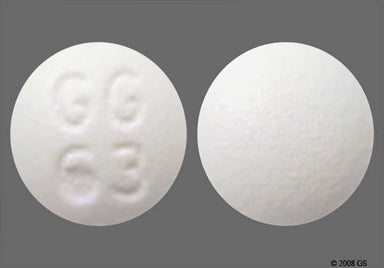
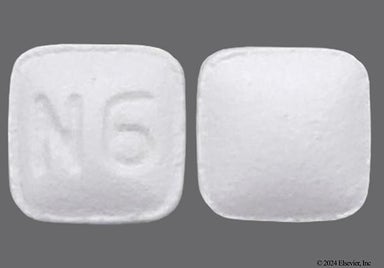
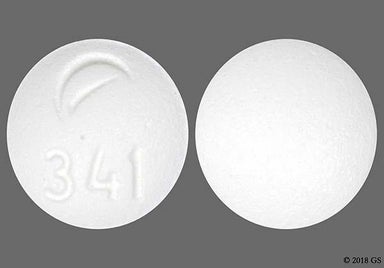
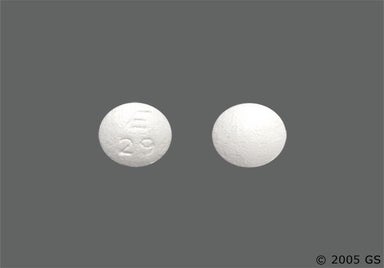
Prescription savings
Stop paying too much for your prescriptions. Compare prices, get pharmacy coupons, and save up to 80%. Find expert answers to your health questions so you can make the best decisions for yourself and your family.
Health conditions
Medications & treatment
Access & affordability
Medication discounts

No, Desipramine isn't a controlled substance because it doesn't have a risk of misuse or addiction.
No, Desipramine isn't a narcotic, it's an tricyclic antidepressant (TCA). Narcotics are opioid medications.
No, Desipramine isn't a selective serotonin reuptake inhibitors (SSRIs); it's a tricyclic antidepressant (TCA). TCAs and SSRIs are different classes of antidepressants used for depression, but they work differently and generally have different side effects. SSRIs are first-choice medications for depression, but TCAs aren't due to the risk of more side effects.
In general, you can cut pills in half if they have a score line down the middle. But if your Desipramine doesn't have a score line, talk with your pharmacist. They can help check the manufacturer label of your medication to see if there are any specific instructions. Some Desipramine pills might have a special coating that affect how the medication is released in the body, and those shouldn't be cut in half. If you're having trouble swallowing the tablets whole, talk to your provider or pharmacist about other options.
Yes, some people might gain weight from taking Desipramine. In general, antidepressants can cause weight gain. TCAs, like Desipramine, are more likely to cause weight gain than others. Keep in mind not everyone will gain weight from taking Desipramine; some people reported weight loss as well. To lower your risk of weight gain, eat healthy diet and follow a regular exercise routine. Contact your provider if you're uncomfortable with how much weight you've gained during treatment and they can talk with you about your options.
Some people have reported diarrhea while taking Desipramine, though it's unclear whether the symptoms are caused by Desipramine or other factors. This medication is more likely to cause constipation, rather than diarrhea. That's because as a drug class, TCAs like Desipramine are anticholinergic medications. Based on how they work in the body, they can cause constipation. If you've more questions about how Desipramine might affect bowel movement, talk with your provider.
People taking Desipramine have reported both high and low blood pressure. Tell your provider if you have low or high blood pressure before starting Desipramine. They might ask you to track your blood pressure regularly at home, especially when you first start this medication or whenever there's a change in your dose. If your blood pressure changes too much, your provider might talk with you about other treatment options.
Some people have reported insomnia (difficulty sleeping) and nightmares after starting Desipramine. But others have experienced drowsiness from this medication as well. When you first start Desipramine, pay attention to how Desipramine affects your sleep. If you're having trouble sleeping, your provider might ask you to take Desipramine in the morning. But if you feel sleepy after a dose, they'll ask you to take it at night instead.
