



10 Metformin Alternatives for Type 2 Diabetes: Ozempic, Jardiance, and More
Metformin is a common medication that helps manage blood sugar, though its side effects and effectiveness vary. Here are alternatives for metformin.
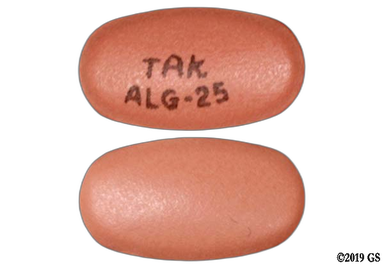
Alogliptin (Nesina) is a medication that treats Type 2 diabetes. It's added to diet and exercise to help lower your blood sugar levels. But it isn't a first-choice treatment for this condition. Alogliptin (Nesina) is typically taken by mouth once a day. Some people may experience certain side effects, such as headaches or symptoms of the common cold (e.g., sore throat or runny nose), after starting this medication.

Typically, your body controls blood sugar by releasing certain hormones. These hormones tell your body to make more insulin and to produce less sugar. But a protein called dipeptidyl peptidase-4 (DPP-4) breaks down these hormones. As a result, you have higher levels of sugar in your blood.
Alogliptin (Nesina) is a DPP-4 inhibitor, which means that it blocks the action of DPP-4. In doing so, alogliptin (Nesina) allows insulin to stick around longer in your body and tells your body to make less sugar. These actions lower your blood sugar levels.
| Common Brands | Nesina |
|---|---|
| Drug Class | DDP-4 inhibitor |
| Controlled Substance Classification | Not a controlled medication |
| Generic Status | Lower-cost generic available |
| Availability | Prescription only |

The following side effects may get better over time as your body gets used to the medication. Let your healthcare provider know immediately if you continue to experience these symptoms or if they worsen over time.
Contact your healthcare provider immediately if you experience any of the following.
Along with its needed effects, a medicine may cause some unwanted effects. Although not all of these side effects may occur, if they do occur they may need medical attention.
Check with your doctor immediately if any of the following side effects occur:
More common
blurred vision
chills
cold sweats
coma
confusion
cool, pale skin
dizziness
fast heartbeat
headache
increased hunger
nightmares
seizures
shakiness
slurred speech
unusual tiredness or weakness
Less common
decreased urine output
dilated neck veins
extreme fatigue
irregular breathing
irregular heartbeat
swelling of the face, fingers, feet, or lower legs
tightness in chest
troubled breathing
Rare
Blistering, peeling, or loosening of the skin
dark-colored urine
difficulty with swallowing
feeling of discomfort
general feeling of tiredness or weakness
headache
indigestion
inflammation of the joints
joint or muscle pain
large, hive-like swelling on the face, eyelids, lips, tongue, throat, hands, legs, feet, or sex organs
light-colored stools
loss of appetite
muscle aches
pains in the stomach, side, or abdomen, possibly radiating to the back
puffiness or swelling of the eyelids or around the eyes, face, lips, or tongue
red skin lesions, often with a purple center
red, irritated eyes
sores, ulcers, or white spots in the mouth or on the lips
stomach pain, continuing
swollen lymph glands
tightness in the chest
vomiting
yellow eyes or skin
Some side effects may occur that usually do not need medical attention. These side effects may go away during treatment as your body adjusts to the medicine. Also, your health care professional may be able to tell you about ways to prevent or reduce some of these side effects. Check with your health care professional if any of the following side effects continue or are bothersome or if you have any questions about them:
Other side effects not listed may also occur in some patients. If you notice any other effects, check with your healthcare professional.
Call your doctor for medical advice about side effects. You may report side effects to the FDA at 1-800-FDA-1088.




Alogliptin (Nesina) can cause some serious health issues. This risk may be even higher for certain groups. If this worries you, talk to your doctor or pharmacist about other options.
If you recently had an acute coronary syndrome (ACS), such as heart attack, let your provider know. Studies show that you’re at higher risk for other heart-related problems, such as heart failure, within the first 6 months following an ACS. There’s a chance that taking alogliptin (Nesina) might further raise your risk for heart failure, though more research is needed in this area. Let your provider know right away if you have any symptoms of heart failure, such as trouble catching your breath during normal activities, tiredness, and swelling in the legs, ankles, or feet. Your provider may recommend that you go to the hospital and that you stop taking alogliptin (Nesina).
Recent reports show that some people had severe joint pain within days and up to years after starting a DPP-4 inhibitor, like alogliptin (Nesina). These symptoms went away soon after they stopped taking this medication. Talk to your provider if you start having severe joint pain after starting this medication. Your provider will likely talk to you about your symptoms and when they started. They’ll discuss with you about whether you should keep taking alogliptin (Nesina) or not.
Although rare, some people developed inflammation of the pancreas (pancreatitis) while taking alogliptin (Nesina). We don’t know for sure if alogliptin (Nesina) caused the pancreatitis, and more research is needed to find out. Some common symptoms of an inflamed pancreas are upper stomach pain, fever, nausea, and vomiting. If you start to feel any of these symptoms, contact your provider right away because they might ask you to stop taking alogliptin (Nesina).
While very rare, some people taking alogliptin (Nesina) developed damage to their liver that was sometimes fatal. It's not clear whether alogliptin (Nesina) was the cause of the liver problems. To be safe, watch out for symptoms of liver problems, such as yellowing of the skin, fatigue, dark urine, and upper stomach pain on the right side of your body. If you notice any of these side effects, let your provider know so they can check your liver function through blood work. Based on the lab test results, your provider may tell you to stop alogliptin (Nesina) while they figure out the cause of liver damage.
In rare cases, some people developed an itchy, blistering rash (pemphigoid) after starting a DPP-4 inhibitor, like alogliptin (Nesina). This type of rash happens when your body’s immune system starts attacking your skin and causes inflammation. It typically goes away after treatment with topical or oral medications that help calm down your immune system. If you notice a rash start to form while you’re taking alogliptin (Nesina), contact your healthcare provider and they may have you stop this medication.


Although certain medicines should not be used together at all, in other cases two different medicines may be used together even if an interaction might occur. In these cases, your doctor may want to change the dose, or other precautions may be necessary. When you are taking this medicine, it is especially important that your healthcare professional know if you are taking any of the medicines listed below. The following interactions have been selected on the basis of their potential significance and are not necessarily all-inclusive.
Using this medicine with any of the following medicines is usually not recommended, but may be required in some cases. If both medicines are prescribed together, your doctor may change the dose or how often you use one or both of the medicines.
Using this medicine with any of the following medicines may cause an increased risk of certain side effects, but using both drugs may be the best treatment for you. If both medicines are prescribed together, your doctor may change the dose or how often you use one or both of the medicines.




Prescription savings
Stop paying too much for your prescriptions. Compare prices, get pharmacy coupons, and save up to 80%. Find expert answers to your health questions so you can make the best decisions for yourself and your family.
Health conditions
Medications & treatment
Access & affordability
Medication discounts

You can take Alogliptin at any time throughout the day, but you should take it at the same time each day. This is to make sure your body has enough of the medication to last the whole day. Making it part of your daily routine can also help you remember to take Alogliptin every day.
Results from multiple studies showed that Alogliptin lowered people’s A1C by 0.5% to 1% after about 6 months of treatment. A1C is a measure of the average amount of sugar in your blood over about 3 months. This gives you a long-term view of your blood sugar levels. Results also showed that taking Alogliptin with certain other diabetes medications, like metformin and pioglitazone, can lower A1C even more compared to when Alogliptin is taken on its own. Keep in mind that it may take several months before you see the full effects of this medication. To see the best results while taking Alogliptin, you should continue to take the medication as instructed by your provider. Having a healthy diet and exercising regularly will also help keep your blood sugar under control. Talk to your provider about checking your A1C to see how well Alogliptin is working for you.
While some blood sugar medications can affect your weight, Alogliptin doesn’t cause notable weight loss or weight gain. This medication is meant to be taken with a healthy diet and regular exercise to help lower your blood sugar. Your provider can talk with you about their recommended diets and the benefits of an exercise plan. Keeping track of what kind of foods you eat and having an exercise plan can help you avoid unexpected changes in your weight. If you experience a sudden, unexpected weight change, contact your healthcare provider right away.
Alogliptin and metformin are both medications that treat Type 2 diabetes, but they work differently to lower your blood sugar levels. Alogliptin works by allowing insulin to stick around longer in your body to lower your blood sugar. On the other hand, metformin lowers your blood sugar levels by making your body more sensitive to the effects of insulin. In addition, metformin has a more noticeable effect on lowering your A1C (a measure of blood sugar) compared to Alogliptin. In addition, metformin is a first-choice medication for lowering blood sugar, while Alogliptin isn't. But people tend to experience stomach upset and diarrhea more with metformin than with Alogliptin.
