

4 Nystatin Side Effects You Should Know About
Read on to learn the side effects of nystatin, including common, rare, and long-term side effects, and how to manage them.
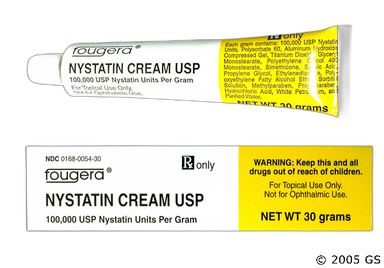
Nystatin is an antifungal. The oral form comes in different formulations. Nystatin oral suspension is typically swished and swallowed 4 times daily to treat Candida yeast infection (thrush) in the mouth in adults and babies. Nystatin tablets are taken by mouth 3 times daily to treat candidiasis infection in the gut. Some common side effects of this medication include nausea and diarrhea. Brand name Mycostatin oral suspension and tablet have been discontinued; oral nystatin is only available as a generic.

Nystatin is an antifungal. It kills the fungus causing your infection by damaging its protective outer layer.
| Common Brands | Mycostatin |
|---|---|
| Drug Class | Antifungal |
| Controlled Substance Classification | Not a controlled medication |
| Generic Status | Lower-cost generic available |
| Availability | Prescription only |

The following side effects may get better over time as your body gets used to the medication. Let your healthcare provider know immediately if you continue to experience these symptoms or if they worsen over time.
Contact your healthcare provider immediately if you experience any of the following.
Side effects that you should report to your care team as soon as possible:
Side effects that usually do not require medical attention (report to your care team if they continue or are bothersome):




Nystatin can cause some serious health issues. This risk may be even higher for certain groups. If this worries you, talk to your doctor or pharmacist about other options.
In some rare cases, people can develop a severe, potentially life-threatening skin reaction called Stevens-Johnson syndrome (SJS) after starting nystatin. This is a type of allergic rash that is painful and creates blisters all over the body. Get immediate medical attention if you notice a new or severe rash, a rash accompanied by a fever, unexplained blisters, or new sores inside your mouth.
If nystatin irritates your mouth or stomach or if you become sensitive to this medication, let your healthcare team know. They might ask you to stop taking this medication.

 Tablet
| Dosage | Quantity | Price as low as | Price per unit |
|---|---|---|---|
| 500000 units | 120 tablets | $41.09 | $0.34 |
Each 1 mL of suspension contains 100,000 units of nystatin.
Typically, your healthcare team will ask you to continue nystatin oral suspension until at least 2 days after symptoms of oral thrush have gone away.
Each tablet contains 500,000 units of nystatin.







Prescription savings
Stop paying too much for your prescriptions. Compare prices, get pharmacy coupons, and save up to 80%. Find expert answers to your health questions so you can make the best decisions for yourself and your family.
Health conditions
Medications & treatment
Access & affordability
 Our monthly healthcare membership can help you save thousands on your prescription costs.
Resources

No, Mycostatin oral suspension and tablets are only available by prescription from a healthcare professional (HCP).
You might notice improvements within a couple of days, but you might have to keep using Mycostatin for 1 to 2 weeks before your infection goes away. Make sure to keep taking Mycostatin for at least 2 more days after all signs of thrush are gone. This will help prevent the infection from coming back.
There's limited information regarding how long the side effects of Mycostatin are expected to last. A study suggests that some symptoms, like nausea, might go away a few days after the start of treatment. But it's possible that you might experience some side effects as long as you're taking this medication. Ask your healthcare team if you have any questions about a specific side effect.
Check the directions from your healthcare team to see if you're supposed to spit Mycostatin out or swallow it. If you're taking Mycostatin oral suspension for thrush, typically your care team will instruct you to hold it in your mouth for as long as you can, then swallow the liquid. This is because you might also have oral thrush in your throat. If you're not sure what to do, ask your prescriber.
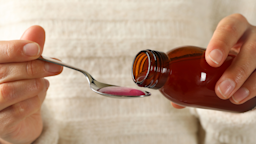
If you're giving Mycostatin oral suspension to your infant for thrush, first shake the medication bottle and draw up the prescribed dose of Mycostatin with an oral syringe. The typical dose is 1 mL of oral suspension (100,000 units of nystatin) placed on each side of the mouth 4 times a day. Use the oral syringe to place the dose of Mycostatin inside your infant's mouth, first on one side, and then on the other side. Your healthcare team might instruct you to wait for a short time before feeding your baby.
Since Mycostatin oral suspension contains sugars, it's best to brush your teeth after using it, especially if it's before bed. Wait 30 minutes after taking Mycostatin to brush your teeth to give the medication enough time to work.
No. Store your Mycostatin oral suspension and tablet at room temperature; there's no need to refrigerate this medication.
Ask your healthcare team whether you need to avoid any foods or medications when taking Mycostatin. This medication isn't known to have any serious interactions. But if you're taking Mycostatin oral suspension for thrush, eating or drinking too soon after taking the dose might not give the medication enough time to work. In this case, your care team might ask you to wait 30 minutes before you eat or drink.
