Used for Heart Attack, Heart Failure, Hypertension
Used for Heart Attack, Heart Failure, Hypertension
Lisinopril (Zestril) is an angiotensin-converting enzyme inhibitor, or ACE inhibitor. It's used to treat high blood pressure in people 6 years and older. In adults, it's also approved to manage heart failure and to lower the risk of death after a heart attack. Lisinopril (Zestril) comes as a tablet that's taken by mouth once daily. There's also an oral solution available under the brand name Qbrelis. Some side effects include dizziness, cough, and headache.
By blocking ACE, lisinopril (Zestril) helps your blood vessels relax and open up. This lowers your blood pressure. It makes it easier for your heart to pump blood to the rest of your body and lowers stress on your heart.
When does Lisinopril (Zestril) start working?Time passed since treatment started:
The following side effects may get better over time as your body gets used to the medication. Let your healthcare provider know immediately if you continue to experience these symptoms or if they worsen over time.
The following Lisinopril (Zestril) side effects have also been reported
Along with its needed effects, a medicine may cause some unwanted effects. Although not all of these side effects may occur, if they do occur they may need medical attention.
Check with your doctor immediately if any of the following side effects occur:
More common
Blurred vision
cloudy urine
confusion
decrease in urine output or decrease in urine-concentrating ability
dizziness, faintness, or lightheadedness when getting up suddenly from a lying or sitting position
Some side effects may occur that usually do not need medical attention. These side effects may go away during treatment as your body adjusts to the medicine. Also, your health care professional may be able to tell you about ways to prevent or reduce some of these side effects. Check with your health care professional if any of the following side effects continue or are bothersome or if you have any questions about them:
Less common
Decreased interest in sexual intercourse
inability to have or keep an erection
lack or loss of strength
loss in sexual ability, desire, drive, or performance
rash
Rare
Acid or sour stomach
belching
burning, crawling, itching, numbness, prickling, "pins and needles", or tingling feelings
feeling of constant movement of self or surroundings
You can take lisinopril (Zestril) with or without food at any time of day. It's most important to choose a time that works best for you and easy for you to remember. Take it around the same time each day to help you get consistent results.
If you're taking lisinopril (Zestril) for blood pressure, it's a good idea to check your blood pressure regularly at home. Write down your readings and bring them to your follow-up appointments. This can help you and your prescriber see how well the medication is working for you. They can see if you need any dose adjustments.
Dry cough can be a common side effect of lisinopril (Zestril). It often happens within the first few weeks or months of treatment, but it can also happen at any time. To help relieve this dry cough, try honey and a humidifier. But if it bothers you too much, tell your prescriber. They can help choose a different medication for you.
You might feel dizzy when you start taking lisinopril (Zestril) and when you switch to a higher dose. This can happen because the medication can lower your blood pressure. But it should get better over time as you continue to take the medication and as your body gets used to your new blood pressure. Stand up slowly and carefully to avoid falling. If you feel too faint, pass out, or fall, tell your prescriber.
Drink enough water to stay hydrated while taking lisinopril (Zestril). This is especially important on hot days or after exercising. Your blood pressure might drop too much if you get dehydrated. This can worsen dizziness and raise your risk of falls.
Tell your prescriber and pharmacist about all the medications you take or plan to take. Lisinopril (Zestril) can interact with other medications and can be harmful. For example, taking it with nonsteroidal anti-inflammatory drugs (NSAIDs) like ibuprofen (Advil) can cause kidney problems. Your care team can make sure your medications are safe to take together and make changes if needed.
Work with your care team or a dietician to create healthy meal plans that are low in salt. This can help lower your blood pressure and support your heart health.
Talk to your prescriber before using any salt substitutes that contain potassium. Lisinopril (Zestril) can raise your potassium levels. And salt substitutes with potassium can raise it even more. This can be dangerous.
If you're pregnant: Don't take lisinopril (Zestril) and talk to your prescriber. This medication can cause serious harm to an unborn baby. Your prescriber can help you choose a safer option. For high blood pressure during pregnancy, there are other safer medications options. They might also suggest lifestyle changes to help keep your heart healthy.
Only use an oral syringe or medication dose cup from the pharmacy to measure out your dose of Qbrelis (lisinopril). Never use household spoons because they aren't accurate, which can cause you to take the wrong dose. Ask the pharmacy for extra oral syringes or medication dose cups.
Store Qbrelis (lisinopril) at room temperature between 68ºF and 77ºF.
Lisinopril (Zestril) can cause some serious health issues. This risk may be even higher for certain groups. If this worries you, talk to your doctor or pharmacist about other options.
Harm to an unborn baby
Don't take lisinopril (Zestril) while pregnant. This medication can seriously harm an unborn baby. It can cause problems with the baby's kidneys and other birth defects.
If you become pregnant while taking lisinopril (Zestril), stop the medication and tell your care team right away. Talk to your primary care provider or prescriber about a safer option for you. There are safer treatment options for high blood pressure during pregnancy.
Angioedema (swelling)
Risk factors: Black people | Having angioedema in the past
Although rare, people who take ACE inhibitors like lisinopril (Zestril) can have a serious reaction called angioedema. This involves swelling in different parts of the body, including the face, tongue, throat, and neck. Tongue or throat swelling can be life-threatening since it can make it hard to breathe.
Angioedema can happen at any time during treatment. The risk might be higher for Black people as well as older adults and people of female sex.
Get medical help right away if you have swelling of your face, mouth, tongue, throat, or neck. Also get help right away if you have trouble breathing, wheeze, or feel dizzy or faint. And call your care team right away if you have severe stomach pain (this can be a sign of swelling in the stomach). If angioedema happens, you'll have to stop taking lisinopril (Zestril).
Low blood pressure
Risk factors: Not enough fluid in your body (e.g., dehydration) | Having diarrhea or vomiting for a long time | Heart failure with low blood pressure | Other heart problems | Low oxygen to the heart or brain | Dialysis | Low sodium | Taking high doses of a diuretic
Sometimes, lisinopril (Zestril) can make your blood pressure drop too much. Low blood pressure can make you feel dizzy, tired, or lightheaded. This side effect is more common when you first start the medication and when the dose is raised.
If your blood pressure drops too much and you feel dizzy, sit down slowly until you feel better. Hold onto something sturdy when you stand back up to help keep your balance. If you often feel dizzy, lightheaded, faint, tired, or confused often while taking lisinopril (Zestril), tell your prescriber. And if you fall and hit your head, get medical help right away.
Possible worsening of kidney problems
Risk factors: Severe heart failure | Kidney problems | Not enough fluid in your body | Taking other medications that can cause kidney damage | History of narrow heart valves (aortic stenosis)
Lisinopril (Zestril) can help protect the kidneys for some people. But in some cases, it can make kidney problems worse. This risk might be higher if you already have kidney problems, have severe heart failure, or had a heart attack.
Your prescriber might order lab tests while you take lisinopril (Zestril). This helps them check that your kidneys are healthy and working properly. Also tell your care team about all the medications you take so they can check for any that can worsen kidney function.
Watch for signs that your kidneys might not be working well, like urinating less than usual. If this happens, tell your care team so they can see what's going on.
High potassium levels
Risk factors: Diabetes | Kidney problems | Taking other medications that also raise potassium | Taking potassium supplements | Using salt substitutes that contain potassium
Lisinopril (Zestril) can raise your potassium levels, which can be dangerous. The risk is greater if you have diabetes or kidney problems. The risk is also higher if you take other medications or supplements that raise potassium. Make sure your care team knows your full medical history and all the medications you take.
Symptoms of high potassium include tiredness, nausea, muscle weakness, or numbness or tingling. It might also cause an irregular heartbeat. Tell your care team right away if you notice these symptoms while taking lisinopril (Zestril).
Liver problems
It's rare, but ACE inhibitors like lisinopril (Zestril) might be linked to the development of a blocked bile duct. This can lead to liver problems and sometimes even liver failure. Your prescriber might order blood tests to check your liver health from time to time.
Watch for symptoms of liver problems while taking lisinopril (Zestril). This can include tiredness, stomach pain, or yellowing of your skin or eyes. If this happens, let your care team know right away so they can check out what's going on.
The average cost for 30 tablets of 20mg of Lisinopril (Zestril) is $7.79 with a free GoodRx coupon. This is 43.18% off the average retail price of $13.71.
Adults: The typical starting dose is 10 mg by mouth once daily. If you're also taking a water pill, the typical starting dose of lisinopril (Zestril) is 5 mg by mouth once daily. Your prescriber will adjust your dose based on your blood pressure. The typical maintenance dose ranges from 20 mg to 40 mg once daily.
Children ages 6 years and older: The prescriber will determine the dose based on your child's body weight. The typical starting dose is 0.07 mg/kg of body weight (up to 5 mg) by mouth once daily. The prescriber will adjust the dose based on your child's blood pressure. The maximum dose is 0.61 mg/kg (up to 40 mg) once daily.
Heart failure
Adults: The typical starting dose is 5 mg by mouth once daily. Your starting dose might be lower if you have low sodium. The maximum dose is 40 mg once daily.
After a heart attack
Adults: The typical dose is 5 mg by mouth once daily for 2 days. Then, continue at 10 mg once daily for at least 6 weeks. Your dose might be lower if you have low blood pressure after the heart attack.
Interactions between Lisinopril (Zestril) and other drugs
Lisinopril (Zestril) may interact with certain medications or supplements. Always let your doctor and pharmacist know about any other medications or supplements (including prescribed and over-the-counter medications, vitamins, and dietary or herbal supplements) that you are currently taking. The list below does not include all possible drug interactions with Lisinopril (Zestril). Please note that only the generic name of each medication is listed below.
Although certain medicines should not be used together at all, in other cases two different medicines may be used together even if an interaction might occur. In these cases, your doctor may want to change the dose, or other precautions may be necessary. When you are taking this medicine, it is especially important that your healthcare professional know if you are taking any of the medicines listed below. The following interactions have been selected on the basis of their potential significance and are not necessarily all-inclusive.
Using this medicine with any of the following medicines is not recommended. Your doctor may decide not to treat you with this medication or change some of the other medicines you take.
Using this medicine with any of the following medicines is usually not recommended, but may be required in some cases. If both medicines are prescribed together, your doctor may change the dose or how often you use one or both of the medicines.
Using this medicine with any of the following medicines may cause an increased risk of certain side effects, but using both drugs may be the best treatment for you. If both medicines are prescribed together, your doctor may change the dose or how often you use one or both of the medicines.
Contraindications are specific health conditions or situations in which a person should not take a medication due to safety concerns. If you have any of the following conditions or if any of the following apply to you, let your healthcare provider know because Lisinopril (Zestril) will not be safe for you to take.
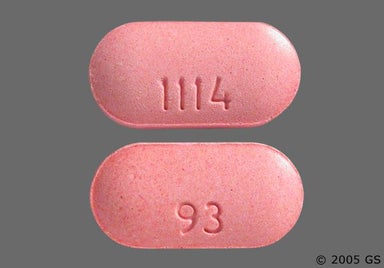
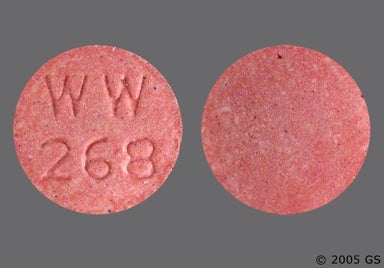
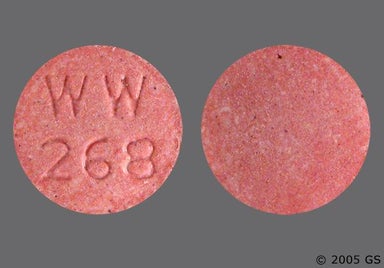
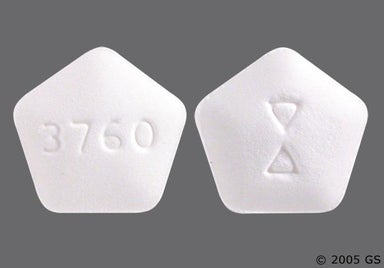
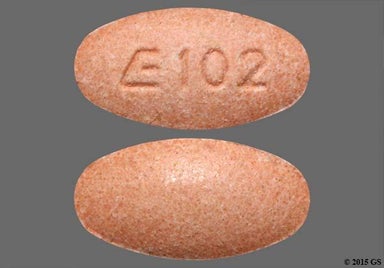
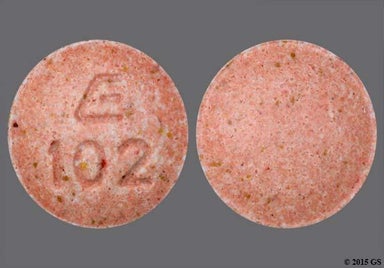
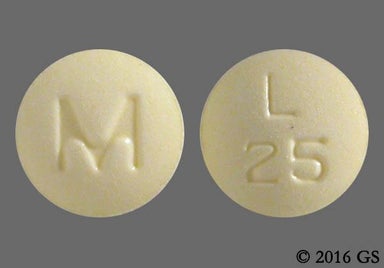
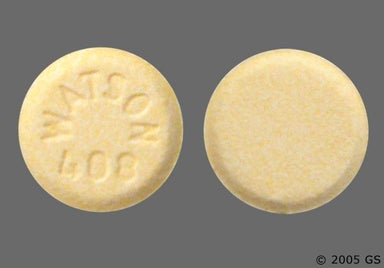
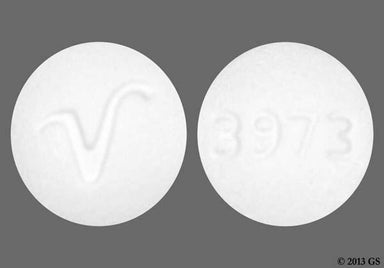
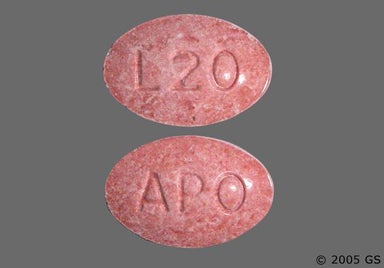
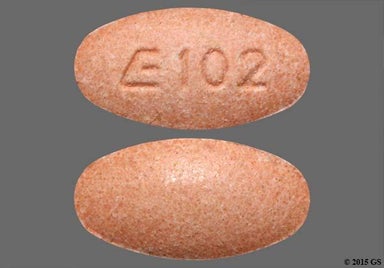
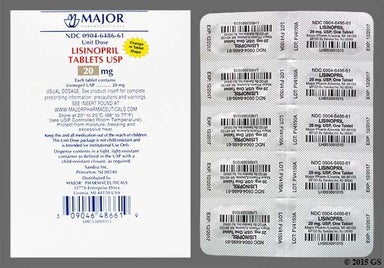
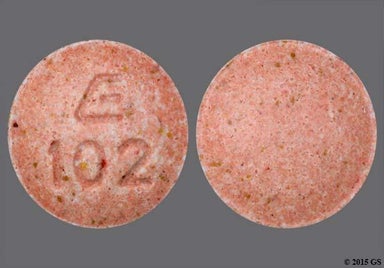
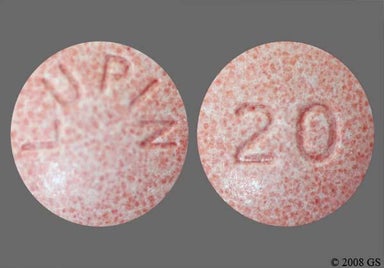
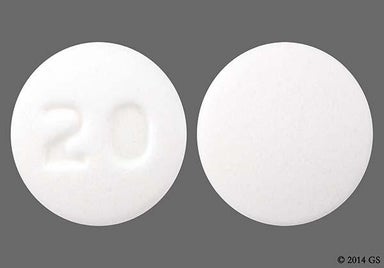
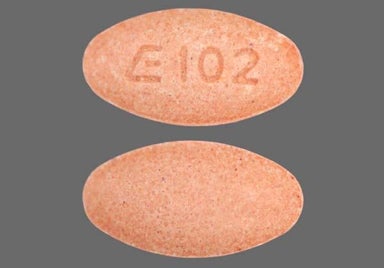
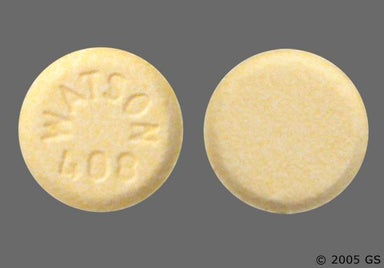
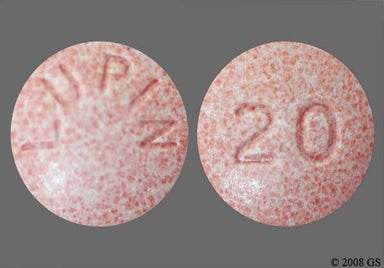
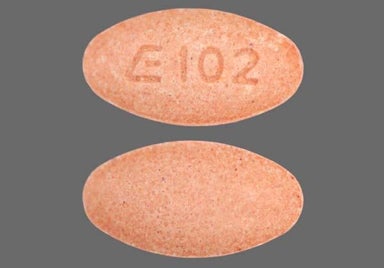
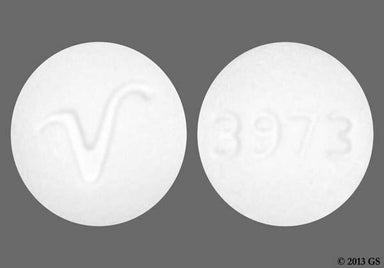
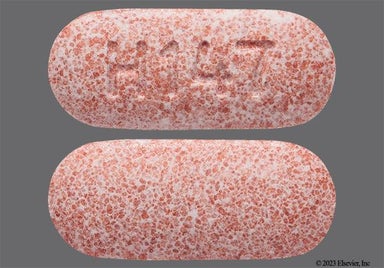
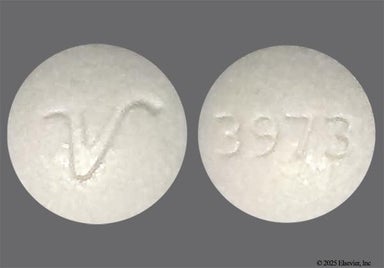
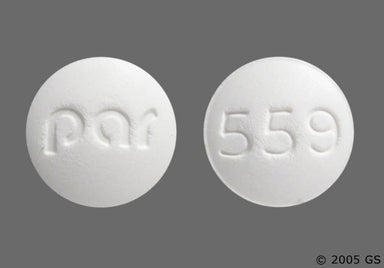
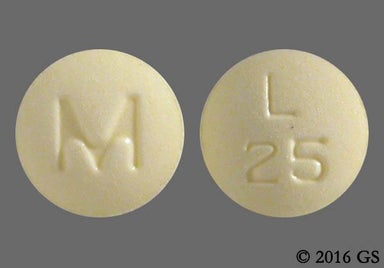
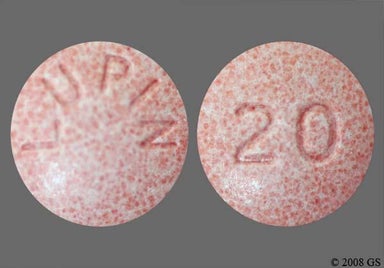
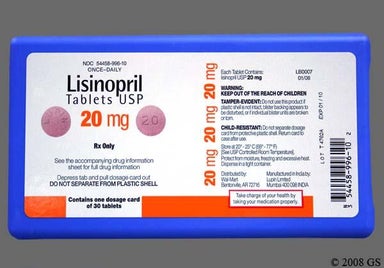
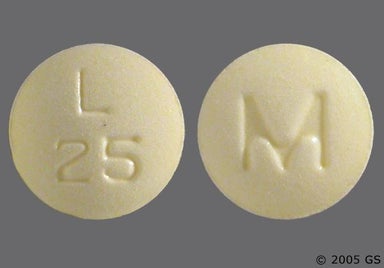
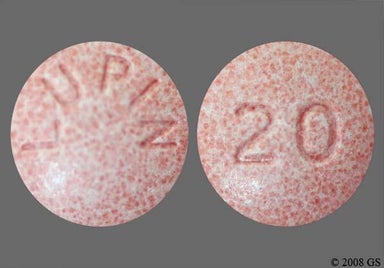
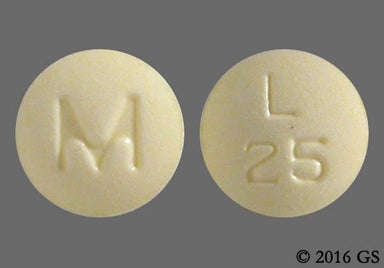
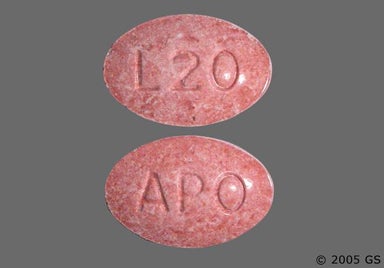
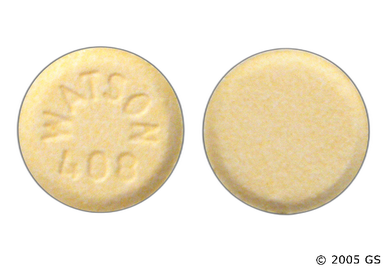
This medicine is Red, Oblong Tablet Imprinted With "93", "1114".Red Oblong 1114 - Lisinopril 20mg TabletThis medicine is Red, Round Tablet Imprinted With "Ww 268".Red Round WW 268 - Lisinopril 20mg TabletThis medicine is Red, Round Tablet Imprinted With "Ww 268".Red Round WW 268 - Lisinopril 20mg TabletThis medicine is White, Pentagon Tablet Imprinted With "3760", "Logo".White Pentagon 3760 - Lisinopril 20mg TabletThis medicine is Peach, Oval Tablet Imprinted With "E 102".Peach Oval E 102 - Lisinopril 20mg TabletThis medicine is Peach, Round Tablet Imprinted With "E 102".Peach Round E 102 - Lisinopril 20mg TabletThis medicine is Yellow, Round Tablet Imprinted With "L 25", "M".Yellow Round L 25 - Lisinopril 20mg TabletThis medicine is Yellow, Round Tablet Imprinted With "Watson 408".Yellow Round WATSON 408 - Lisinopril 20mg TabletThis medicine is White, Round Tablet Imprinted With "V", "3973".White Round 3973 - Lisinopril 20mg TabletThis medicine is Red, Oval Tablet Imprinted With "Apo", "L20".Red Oval APO - Lisinopril 20mg TabletThis medicine is Peach, Oval Tablet Imprinted With "E 102".Peach Oval E 102 - Lisinopril 20mg TabletThis medicine is Peach, Round Tablet Imprinted With "E 102".Peach Round E 102 - Lisinopril 20mg TabletThis medicine is Peach, Round Tablet Imprinted With "E 102".Peach Round E 102 - Lisinopril 20mg TabletThis medicine is Pink, Round Tablet Imprinted With "Lupin", "20".Pink Round LUPIN - Lisinopril 20mg TabletThis medicine is Pink, Round Tablet Imprinted With "Lupin", "20".Pink Round LUPIN - Lisinopril 20mg TabletThis medicine is White, Round Tablet Imprinted With "20".White Round 20 - Lisinopril 20mg TabletThis medicine is Red-Brown, Oval Tablet Imprinted With "C55".Red-brown Oval C55 - Lisinopril 20mg TabletThis medicine is Red-Brown, Oval Tablet Imprinted With "C55".Red-brown Oval C55 - Lisinopril 20mg TabletThis medicine is Red, Round Tablet Imprinted With "E 4".Red Round E 4 - Lisinopril 20mg TabletThis medicine is Red, Round Tablet Imprinted With "E 4".Red Round E 4 - Lisinopril 20mg TabletThis medicine is Peach, Oval Tablet Imprinted With "E 102".Peach Oval E 102 - Lisinopril 20mg TabletThis medicine is Yellow, Round Tablet Imprinted With "Watson 408".Yellow Round WATSON 408 - Lisinopril 20mg TabletThis medicine is Pink, Round Tablet Imprinted With "Lupin", "20".Pink Round LUPIN - Lisinopril 20mg TabletThis medicine is Peach, Oval Tablet Imprinted With "E 102".Peach Oval E 102 - Lisinopril 20mg TabletThis medicine is White, Round Tablet Imprinted With "V", "3973".White Round 3973 - Lisinopril 20mg TabletThis medicine is Pink, Oblong Tablet Imprinted With "H 147".Pink Oblong H 147 - Lisinopril 20mg TabletThis medicine is White, Round Tablet Imprinted With "V", "3973".White Round 3973 - Lisinopril 20mg TabletThis medicine is White, Round Tablet Imprinted With "Par", "559".White Round PAR - Lisinopril 20mg TabletThis medicine is Yellow, Round Tablet Imprinted With "M", "L 25".Yellow Round L 25 - Lisinopril 20mg TabletThis medicine is Pink, Round Tablet Imprinted With "Lupin", "20".Pink Round LUPIN - Lisinopril 20mg TabletThis medicine is Pink, Round Tablet Imprinted With "Lupin", "20".Pink Round LUPIN - Lisinopril 20mg TabletThis medicine is Yellow, Round Tablet Imprinted With "L 25", "M".Yellow Round L 25 - Lisinopril 20mg TabletThis medicine is Pink, Round Tablet Imprinted With "Lupin", "20".Pink Round LUPIN - Lisinopril 20mg TabletThis medicine is Yellow, Round Tablet Imprinted With "M", "L 25".Yellow Round L 25 - Lisinopril 20mg TabletThis medicine is Red, Oval Tablet Imprinted With "Apo", "L20".Red Oval APO - Lisinopril 20mg Tablet
GoodRx Health has strict sourcing policies and relies on primary sources such as medical organizations, governmental agencies, academic institutions, and peer-reviewed scientific journals. Learn more about how we ensure our content is accurate, thorough, and unbiased by reading our editorial guidelines.
Prescription savings
Stop paying too much for your prescriptions. Compare prices, get pharmacy coupons, and save up to 80%.
Plans start at $9.99/mo. (when paid yearly). Terms apply.
Common questions about Lisinopril
No, Lisinopril isn't a beta blocker. It belongs to a drug class called ACE inhibitors. Both beta blockers and ACE inhibitors are important types of heart medications. They can both be used for high blood pressure and heart failure. For high blood pressure, ACE inhibitors are often preferred over beta blockers because they usually work better. Your prescriber will help decide the type of heart medication you need based on your medical conditions, your other medications, and other factors.
No, Lisinopril isn't a blood thinner. It doesn't help treat or prevent blood clots. It also doesn't raise your risk of bleeding like blood thinners can.
Not usually. For high blood pressure or heart failure, 20 mg of Lisinopril per day is a middle dose. The usual dose for these conditions ranges from 5 mg to 40 mg per day. Your prescriber can adjust your dose based on how you respond to the medication. Ask them if you have questions about your dose.
No. People who take Lisinopril don't usually have a low heart rate as a side effect. The way that the medication works only lowers your blood pressure. It doesn't affect your heart rate. If you notice a slower heart beat and it worries you, talk to your prescriber.
Weight gain isn't a known side effect of Lisinopril. If you notice unexplained weight gain, talk to your primary care provider. They can help figure out what might be going on and find ways to help manage your weight.
Lisinopril can start to lower your blood pressure about an hour after you take it. It can take up to 6 hours for its maximum effect on your blood pressure. For consistent blood pressure control and other long-term benefits, be sure to take Lisinopril every day. Staying consistent helps the medication work its best over time.
It takes about 2 and half days for Lisinopril to fully leave your system after you take it. This is based on its half-life, or how long it takes for half the medication to clear from your body. If you have kidney problems, the medication might stay in the body longer. This is because the kidneys normally help remove it from the body. Even though Lisinopril can last a couple days in your system, it's still important to take it exactly as prescribed once each day. This helps keep the medication levels stable in your body and helps it work well.
It's best to avoid alcohol, or at least limit how much you drink, while taking Lisinopril. Alcohol can make side effects like dizziness worse. Drinking regularly can also raise your blood pressure and affect your heart rhythm. Talk to your prescriber about how much you usually drink. If it's hard to cut back, talk to your prescriber for guidance.
Both Lisinopril and losartan are first-choice blood pressure medications. They belong to different drug classes, though they work in very similar ways. Lisinopril is an ACE inhibitor, whereas losartan is an angiotensin II receptor blocker (ARB). Also, Lisinopril is more likely to cause a dry cough than losartan. If you get a dry cough from Lisinopril, your prescriber might switch you to losartan. And lastly, they differ in their available formulations. Lisinopril is available as a tablet under the brand name Zestril and generic. There's also a liquid called Qbrelis. Losartan only comes as a tablet (brand name Cozaar and generic). Talk to your prescriber about comparing the two and which medication is right for you.












 Don't take lisinopril (Zestril) while pregnant. This medication can