Key takeaways:
The words sodium and salt are often used interchangeably, but they aren’t the same thing.
Sodium is a mineral your body needs (in small amounts) to stay healthy. Salt, which you sprinkle on your food, contains the minerals sodium and chloride.
Most sodium in your diet doesn’t come from the salt shaker. Instead, it comes from salt that’s in processed, packaged, and restaurant foods.
Many people know that there’s a connection between salt and sodium. But are they the same thing?
Let’s take a look at the difference between salt and sodium. That way, you can better understand nutrition labels, manage your sodium intake, and make informed choices about your diet.
Is sodium salt?
Sodium and salt aren’t the same thing, even though the words are sometimes used interchangeably.
Sodium is an essential mineral that the body needs in small amounts. Sodium is necessary to maintain fluid balance and regulate blood pressure.
Salt (also called table salt) refers to sodium chloride — which is about 40% sodium and 60% chloride. One teaspoon of table salt contains about 2,400 mg of sodium.
In short: Sodium is a nutrient. Salt is a source of sodium.
Why does the sodium vs. salt difference matter for health?
Your body needs some sodium to stay healthy. That’s because sodium carries out many vital roles in the body, including:
Balancing fluid inside and outside of each cell
Regulating blood pressure
Helping you absorb nutrients
Supporting muscle and nerve function
But getting too much sodium is harmful for your health. In the short term, it can cause puffiness, increased thirst, and bloating. Over the long term, too much sodium is linked to high blood pressure, kidney issues, and increased risk of stroke.
Your primary care provider may suggest that you cut back on sodium if you have (or are at risk for) certain medical conditions, such as high blood pressure or kidney disease. That’s when it’s especially important to know how sodium and salt overlap, along with how they differ.
The main source of sodium in your diet is salt — specifically salt that’s added during food processing. But sodium comes from other sources too.
Food additives
Many food additives contain sodium, including:
Sodium bicarbonate, also known as baking soda
MSG (monosodium glutamate), a flavor enhancer that’s used in many prepared and restaurant foods
Sodium benzoate, a common preservative
Sodium nitrite, a preservative used in processed meats (like bacon and ham) to help prevent bacteria growth
Naturally occurring sodium
Some foods naturally contain sodium, such as:
Milk
Meat and poultry
Vegetables
Foods high in sodium
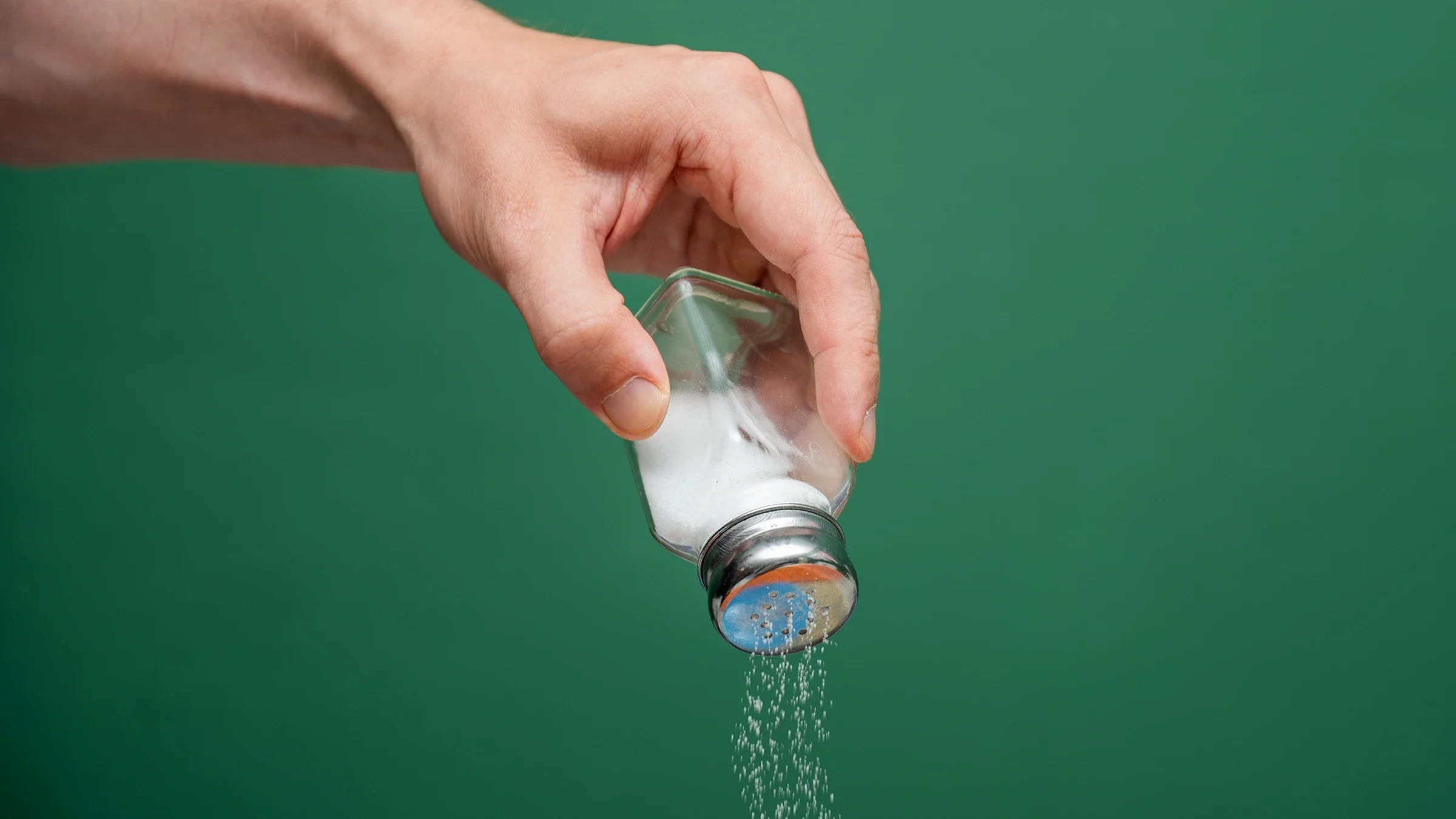
Most of the sodium you consume comes from salt. But you don’t need to run and throw away your salt shaker. That’s because the salt you use in cooking or at the table isn’t actually a major contributor to your sodium intake. In fact, it accounts for just 11% of the sodium in the average person’s diet.
The bulk of the sodium many people consume comes from high amounts of salt in packaged and processed foods, including restaurant and fast food meals.
Foods that are high in sodium include:
Processed meats such as sausage, hotdogs, and deli meat
Pretzels, chips, and crackers
Processed cheese
Condiments like soy sauce, BBQ sauce, and teriyaki sauce
Pizza
Tacos and burritos
Pasta and rice dishes
Soups
Frozen meals
How can you tell which foods have sodium?
Scan the ingredient list for the word “sodium,” since many additives that contain sodium include it in their names.
And remember: Food doesn’t have to taste salty to be high in sodium. Many breakfast cereals, pastries, and cookies contain sodium bicarbonate (baking soda). This can mean high sodium content, even though the food tastes sweet instead of salty.
How much sodium per day is healthy?
Most people in the U.S. get too much sodium — over 3,300 mg per day. This is more than double some recommended amounts.
Different health organizations have different guidelines around sodium intake:
The Dietary Guidelines for Americans recommends a daily maximum of 2,300 mg (about 1 tsp of salt).
The World Health Organization recommends a daily limit of 2,000 mg.
The American Heart Association recommends an upper limit of 1,500 mg.
It’s important to note that the amount of salt you should get each day may depend on your health. People with certain conditions — like high blood pressure — may need to limit their intake.
Tips for cutting back on sodium
The following tips can help you cut back on sodium:
Eat at home: Prepared and restaurant food is high in sodium, so try to dine out less and cook more. This gives you more control over how much salt you’re getting.
Shop consciously: When you’re at the grocery store, try cutting back on salty processed foods like chips, pretzels, and deli meats.
Look for lower-sodium options: Look for words such as “sodium reduced,” “no salt added,” or “less salt.” Read packages and try to choose options with 20% daily value (DV) or less of sodium.
Lean into herbs: Add flavor to your meals with herbs, spices, and citrus.
Try salt alternatives: You can buy salt substitutes, like NuSalt, that use potassium chloride instead of sodium chloride. You can also try salt-free seasoning blends that use herbs, spices, and/or nutritional yeast.
Pay attention to condiments: Sodium can “hide” in salad dressing, mustard, soy sauce, fish sauce, and salsa. Choose lower-sodium versions when possible.
Drain and rinse canned vegetables and beans: This reduces sodium content significantly.
Frequently asked questions
Sodium-free or low-sodium salt can be a better choice than salt. These products are made partially or entirely of potassium chloride, a salt-like compound that tastes similar to sodium chloride. But, unlike sodium chloride, potassium chloride can benefit blood pressure. They’re worth trying if you like the taste of salt and want to cut back.
Yes, you can get sodium without eating salt. Salt is the main source of sodium. But sodium is also found in many common food additives, including MSG and baking soda. And many whole foods naturally contain small amounts of sodium.
Sodium-free or low-sodium salt can be a better choice than salt. These products are made partially or entirely of potassium chloride, a salt-like compound that tastes similar to sodium chloride. But, unlike sodium chloride, potassium chloride can benefit blood pressure. They’re worth trying if you like the taste of salt and want to cut back.
Yes, you can get sodium without eating salt. Salt is the main source of sodium. But sodium is also found in many common food additives, including MSG and baking soda. And many whole foods naturally contain small amounts of sodium.
The bottom line
Sodium and salt are related, but they’re not quite the same. Sodium is an essential mineral your body needs in small amounts. Salt, on the other hand, is a compound made of sodium and chloride.
Most of the sodium you consume doesn’t come from the salt shaker in your kitchen. Rather, it comes from restaurant foods and salt that’s been added to foods during processing.
Keeping your sodium intake in a healthy range isn’t about cutting out salt entirely. Small habit shifts make a big difference. Focus on whole foods, check food labels, and cook at home more often instead of dining out.

Why trust our experts?




References
Ahern, K., et al. (2025). 9.03: Transport in membranes. BioChemFFA.
American Heart Association. (n.d.). Excess sodium: How too much sodium affects your health.
American Heart Association. (2025). How much sodium should I eat per day?.
American Heart Association. (2025). Sodium sources: Where does all that sodium come from?
Centers for Disease Control and Prevention. (2026). About salt/sodium.
Higdon, J. et al. (2019). Sodium (chloride). Linus Pauling Institute, Oregon State University.
Lewis, J. L. L. III. (2025). Overview of sodium's role in the body. Merck Manuals.
Shadix, K. (2010). Reducing sodium in canned beans: Easier than 1-2-3. Today's Dietitian.
U.S. Department of Agriculture. (2025). Dietary Guidelines for Americans.
World Health Organization. (n.d.). Reducing population sodium/salt intakes.
World Health Organization. (2012). Nutrient requirements: Sodium. Guideline: Sodium Intake for Adults and Children.