Key takeaways:
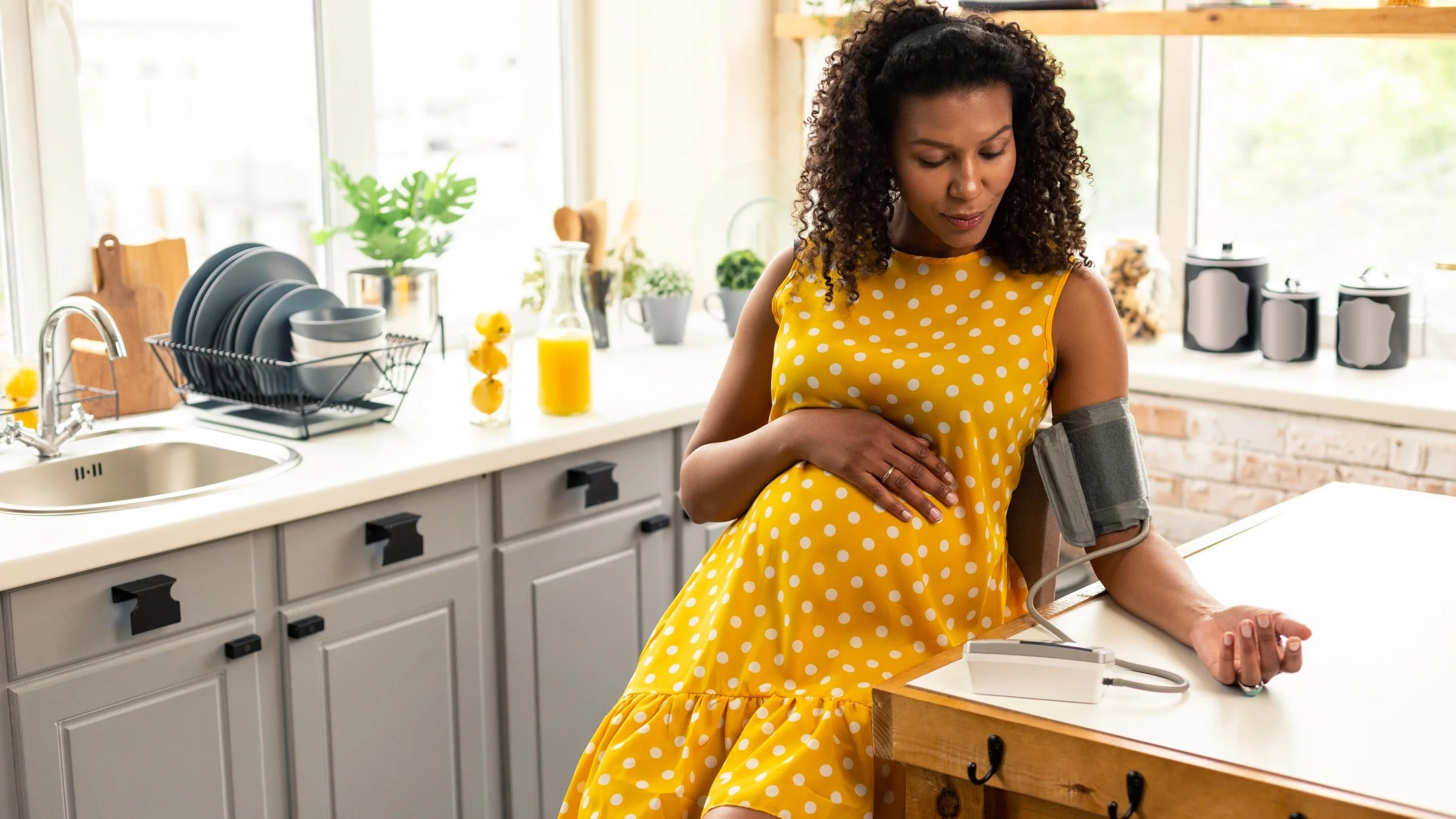
High blood pressure in pregnancy is a blood pressure higher than 140/90.
Most people don’t have any symptoms when they have high blood pressure during pregnancy. But symptoms of dangerously high blood pressure during pregnancy can include severe headache, vision changes, and stomach pain.
There are medications that can safely lower blood pressure during pregnancy.
If you’re pregnant, you might know that a big part of your prenatal visit is getting a blood pressure check. And you may be wondering why everyone is paying such close attention to whether your blood pressure is normal during your pregnancy.
The body goes through many changes during pregnancy, including changes to the heart and blood vessels. The amount of blood in the body doubles. Because of these changes, blood pressure often goes up in early pregnancy and then drops in later stages. But if your blood pressure stays high through your pregnancy, it can affect both your health and the health of your growing fetus.
What is considered high blood pressure during pregnancy?
A high blood pressure during pregnancy is when:
Systolic blood pressure (top number) is 140 or higher or
Diastolic blood pressure (bottom number) is 90 or higher
Search and compare options
If either the top number or the bottom number is above the cutoff, it’s considered high blood pressure. For example, 148/82 is a high blood pressure reading (the top number is high), and so is 136/96 (the bottom number is high).
Understanding gestational hypertension and why it happens
Some people have a history of high blood pressure (hypertension) before they become pregnant. But many people have no history of high blood pressure before pregnancy, but then they develop high blood pressure during pregnancy. This is called pregnancy-induced high blood pressure, or gestational hypertension, and it affects 6% to 10% of pregnancies.
At every prenatal visit and anytime you receive care while pregnant, your care team checks your blood pressure. To be diagnosed with pregnancy-induced high blood pressure, your blood pressure must be high during two separate readings.
Sometimes blood pressure can go up when you’re stressed or sick — and both of these often happen during pregnancy. If you have a high blood pressure reading, your provider will ask you to have a recheck in a few days to a week.
You're more likely to have pregnancy-induced high blood pressure if you:
Have had pregnancy-induced high blood pressure in the past
Have a family history of pregnancy-induced high blood pressure
Are pregnant with twins or more
Are older (35 years of age or older)
Have a body mass index (BMI) in the “obese” category
Are pregnant for the first time
Have chronic medical conditions
What is a normal blood pressure during pregnancy?
A normal blood pressure varies from person to person. But it’s always less than 140/90.
Your blood pressure will be slightly higher than your usual blood pressure during your first trimester. During early pregnancy, the heart, blood vessels, and blood volume all work hard to nourish the growing fetus.
As your body adjusts to these new demands during your second trimester, your blood pressure may be closer to your usual baseline. But during your third trimester, your blood pressure may once again be slightly higher than usual as your fetus continues to grow.
What are the symptoms of high blood pressure during pregnancy?
Most people don’t have any symptoms from high blood pressure during pregnancy. But here are some symptoms to keep an eye out for:
Swollen feet or ankles
Headache
Breathlessness
Vision changes
Pain in your right upper abdomen
These symptoms can suggest preeclampsia — a dangerous complication of pregnancy-induced high blood pressure.
What are the risks of having high blood pressure in pregnancy?
High blood pressure in pregnancy raises your risk of having an early delivery or needing a C-section. High blood pressure can also affect the growth and health of your baby all along your pregnancy. When your blood pressure runs high, less oxygen and nutrients get delivered to the baby. So in addition to being born preterm, babies affected by high maternal blood pressure are also more likely to be born underweight.
When it comes to your health, having high blood pressure in pregnancy also increases the risk of serious and life-threatening complications: preeclampsia, eclampsia, and HELLP syndrome (more on this below).
These can lead to:
Stroke
Seizures
Heart attacks
Breathing problems
Kidney failure
Liver damage
Death
The link between high blood pressure in pregnancy and preeclampsia
High blood pressure in pregnancy can turn into preeclampsia.
Preeclampsia is when abnormally high blood pressure starts to affect important organs. You have preeclampsia when you have high blood pressure in pregnancy along with one of the following:
Protein in the urine
A drop in platelets (blood cells that prevent clotting)
Kidney problems
Liver problems
Fluid in the lungs
New headache with or without vision problems
Seizures
What are the symptoms of preeclampsia?
Many people don’t have any symptoms from preeclampsia. Others may notice symptoms such as:
Pain in the right upper part of the abdomen
Severe, long-lasting headache
Disturbed vision (specifically, flashes of light or dark spots)
Weakness
Confusion
Difficulty breathing
Swelling in the face or hands
Sudden weight gain
Easy bleeding or bruising
Who is most at risk of preeclampsia?
Your risk for developing preeclampsia is higher if:
You had high blood pressure before becoming pregnant.
You had preeclampsia in a previous pregnancy.
You have a family history of preeclampsia.
You’re 40 years old or older.
You’re having more than one baby.
You’re African American.
You had in vitro fertilization with a frozen embryo to get pregnant.
You have a history of diabetes, lupus, kidney disease, or obesity.
The link between high blood pressure in pregnancy, eclampsia, and HELLP syndrome
Pregnancy-induced high blood pressure and preeclampsia increase your risk for two very serious and life-threatening pregnancy-related conditions:
Eclampsia: This is when blood pressure in pregnancy rises so high that it causes seizures or coma.
HELLP syndrome: This stands for “hemolysis, elevated liver enzymes, and low platelet count.” It causes severe anemia, liver damage, and uncontrollable bleeding.
Scientists do not know exactly how high blood pressure increases your risk for these conditions. While they usually involve high blood pressure, both eclampsia and HELLP can also happen without high blood pressure.
Another tricky point worth remembering: The “pre” in “preeclampsia” makes it sound like preeclampsia always happens before eclampsia. But that’s not always true.
Eclampsia and preeclampsia can start anytime during pregnancy. It can also start during the “fourth trimester,” or up to 12 weeks after you deliver your baby.
How can you prevent high blood pressure during pregnancy?
You can’t always prevent high blood pressure during pregnancy. But you can lower your risk by focusing on your health before and during your pregnancy.
Regular checkups throughout your pregnancy will keep you and your growing fetus healthy. This is true whether you have high blood pressure before or during your pregnancy.
And, the healthier you are before becoming pregnant, the healthier and easier your pregnancy will be. Here are some things to focus on:
Eat a heart-healthy diet.
Maintain a healthy weight.
Exercise regularly.
Quit smoking (or do not start).
Avoid alcohol intake, or keep it within safe limits.
How do you treat high blood pressure in pregnancy?
Medications can treat high blood pressure during pregnancy before it becomes a problem. The American College of Obstetricians and Gynecologists recommends medication to lower blood pressure if:
Systolic blood pressure is 140 or higher
Diastolic blood pressure is 90 or higher
In the past, doctors used to start treatment for high blood pressure in pregnancy when it became more severe at 160/110. But in 2022, a large study of over 2,400 pregnant women showed that treating high blood pressure at levels over 140/90 instead of 160/110 led to lower rates of preeclampsia with severe features, lower rates of preterm birth, and safer outcomes for the baby and mother.
Are blood pressure medications safe during pregnancy?
Studies show that three blood pressure medications are generally safe for treating high blood pressure in most pregnancies:
Methyldopa has the longest and most reassuring track record of safety in pregnancy. This medication relaxes the blood vessels, which lowers blood pressure.
Labetalol slows your heart rate, which lets your heart relax.
Nifedipine only needs to be taken once a day in the extended-release form.
The research is not definitive for most of the other blood pressure medications. So experts can’t confidently recommend or advise against using them to treat high blood pressure in pregnancy.
Research shows that some blood pressure medications are definitely not safe in pregnancy because they can harm the growing fetus. These unsafe medications include:
Angiotensin converting enzyme inhibitors (ACE-I): benazepril, captopril, enalapril, fosinopril, lisinopril, moexipril, perindopril, quinapril, ramipril, trandolapril
Angiotensin II receptor blockers (ARB): azilsartan, candesartan, eprosartan, irbesartan, losartan, olmesartan, telmisartan, valsartan
Direct renin inhibitors: aliskiren
Aldosterone antagonists: eplerenone, spironolactone
What are the risks of taking blood pressure medication during pregnancy?
Anytime you think about taking medication during pregnancy, you need to balance the health benefits of that medicine with the possible risks. There’s good evidence that blood pressure medication can lead to better health for a pregnant mom and her developing baby. But can it also lead to side effects? This question has been tricky to answer.
Some older studies suggested that blood pressure medications may cause growth restriction for a baby. But newer and larger studies have not shown this link. As long as you’re taking a blood pressure medication that’s considered safe during pregnancy, studies show that benefits to mom and baby’s health outweigh the risks.
This does not extend to blood pressure medications with known risks to a developing pregnancy — like ACE-inhibitors and ARBs. They can cause kidney problems, birth defects, and miscarriage. So, if you take these medications and you want to try getting pregnant, you’ll need to talk with your healthcare provider about switching to blood pressure medications that are safer for pregnancy. Have this conversation before you start trying to conceive.
If you find out that you’re pregnant while you’re taking these medications, talk with your healthcare provider right away. They can help you safely switch to a different blood pressure medication.
The bottom line
High blood pressure in pregnancy should be taken very seriously. If your blood pressure is 140/90 or higher, then you have high blood pressure in pregnancy. Your healthcare provider may give you medication to make sure your blood pressure goes down.
Symptoms of high blood pressure can include a bad headache, vision changes, and pain in the upper right stomach. High blood pressure in pregnancy can lead to life-threatening complications like preeclampsia, eclampsia, and HELLP syndrome. You can protect your health — and the health of your growing fetus — by paying attention to these symptoms and going to your scheduled visits to get your blood pressure checked.

Why trust our experts?



References
Abalos, E., et al. (2018). Antihypertensive drug therapy for mild to moderate hypertension during pregnancy. Cochrane Database of Systematic Reviews.
American College of Obstetricians and Gynecologists. (2022). Clinical guidance for the integration of the findings of the Chronic Hypertension and Pregnancy (CHAP) Study.
American Heart Association. (2023). Managing blood pressure with a heart-healthy diet.
Bramham, K., et al. (2014). Chronic hypertension and pregnancy outcomes: Systematic review and meta-analysis. British Medical Journal.
Buawangpong, N., et al. (2020). Adverse pregnancy outcomes associated with first-trimester exposure to angiotensin-converting enzyme inhibitors or angiotensin II receptor blockers: A systematic review and meta-analysis. Pharmacology Research and Perspectives.
Centers for Disease Control and prevention. (2022). Assessing your weight.
Eunice Kennedy Shriver National Institute of Child Health and Human Development. (2022). Who is at risk of preeclampsia? U.S. Department of Health and Human Services.
Hytten, F. (1985). Blood volume changes in normal pregnancy. Clinics in Haematology.
Jiang, R., et al. (2020). Clinical characteristics and pregnancy outcomes of atypical hemolysis, elevated liver enzymes, and low platelets syndrome. Medicine.
John Hopkins Medicine. (n.d.). What are platelets and why are they important?
Karrar, S., et al. (2023). Preeclampsia. StatPearls.
Kintiraki, E., et al. (2015). Pregnancy-Induced hypertension. Hormones.
Rethinking Drinking. (n.d.). Do you enjoy a drink now and then? National Institutes of Health.
Sibai, B. M., et al. (2009). Diagnosis and management of atypical preeclampsia-eclampsia. American Journal of Obstetrics and Gynecology.
Tita, A. T., et al. (2022). Treatment for mild chronic hypertension during pregnancy. The New England Journal of Medicine.
Von Dadelszen, P., et al. (2002). Fall in mean arterial pressure and fetal growth restriction in pregnancy hypertension: An updated metaregression analysis. Journal of Obstetrics and Gynaecology Canada.
Wang, Z., et al. (2020). Increased risk of pre-eclampsia after frozen-thawed embryo transfer in programming cycles. Frontiers in Medicine.
Webster, L. M., et al. (2017). Impact of antihypertensive treatment on maternal and perinatal outcomes in pregnancy complicated by chronic hypertension: A systematic review and meta‐analysis. Journal of the American Heart Association.
Yale Medicine. (n.d.). Hypertension (high blood pressure) during pregnancy.