


8 Types of Oral Diabetes Medications and How They Work
Oral diabetes medications help manage blood sugar levels in those with diabetes. Learn the types of oral medications and how they keep glucose levels stable.
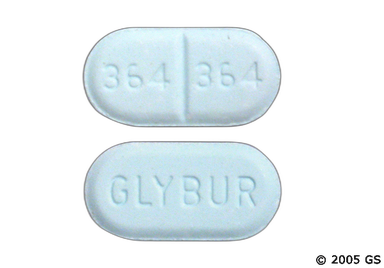
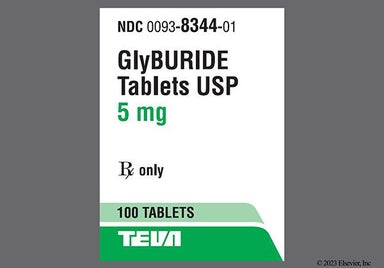
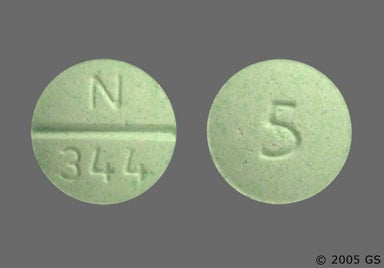
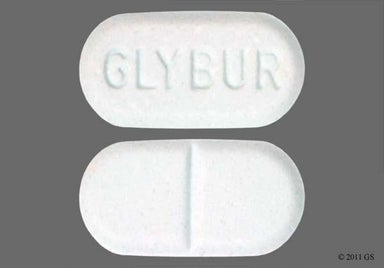
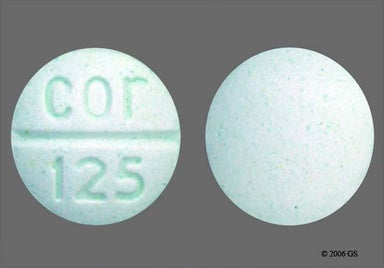
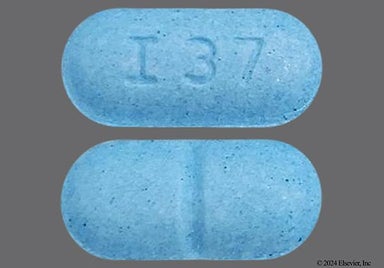
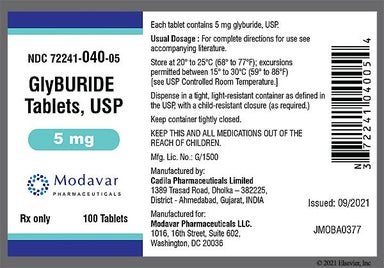
Glyburide is taken by mouth to lower blood sugar levels for people who have Type 2 diabetes. This medication isn't meant to be taken alone, but in addition to eating a healthy diet and engaging in regular exercise. Glyburide is typically taken once or twice daily, depending on your dose.

Glyburide is in a class of medications known as sulfonylureas. Sulfonylureas work by telling your pancreas to release insulin, which lowers your blood sugar.
| Common Brands | Glynase |
|---|---|
| Drug Class | Sulfonylurea |
| Controlled Substance Classification | Not a controlled medication |
| Generic Status | Lower-cost generic available |
| Availability | Prescription only |

The following side effects may get better over time as your body gets used to the medication. Let your healthcare provider know immediately if you continue to experience these symptoms or if they worsen over time.
Contact your healthcare provider immediately if you experience any of the following.
Along with its needed effects, a medicine may cause some unwanted effects. Although not all of these side effects may occur, if they do occur they may need medical attention.
Check with your doctor immediately if any of the following side effects occur:
Less common
Difficulty with swallowing
dizziness
fast heartbeat
puffiness or swelling of the eyelids or around the eyes, face, lips, or tongue
tightness in the chest
trouble breathing
unusual tiredness or weakness
Rare
Abdominal or stomach pain
chills
clay-colored stools
dark urine
headache
light-colored stools
loss of appetite
unpleasant breath odor
upper right abdominal or stomach pain
vomiting of blood
yellow eyes and skin
Incidence not known
Agitation
back, leg, or stomach pains
bleeding gums
blood in the urine or stools
bloody, black, or tarry stools
blurred vision
change in near or distance vision
coma
confusion
convulsions
cough or hoarseness
decreased urine output
difficulty in focusing eyes
fast or irregular heartbeat
fluid-filled skin blisters
general body swelling
high fever
hostility
increased thirst
irritability
large, hive-like swelling on the face, eyelids, lips, tongue, throat, hands, legs, feet, or sex organs
lethargy
lower back or side pain
muscle pain or cramps
muscle twitching
nosebleeds
painful or difficult urination
pale skin
pinpoint red spots on the skin
rapid weight gain
sensitivity to the sun
skin thinness
sores, ulcers, or white spots on the lips or in the mouth
stupor
swelling of the face, ankles, or hands
swollen or painful glands
unusual bleeding or bruising
Get emergency help immediately if any of the following symptoms of overdose occur:
Some side effects may occur that usually do not need medical attention. These side effects may go away during treatment as your body adjusts to the medicine. Also, your health care professional may be able to tell you about ways to prevent or reduce some of these side effects. Check with your health care professional if any of the following side effects continue or are bothersome or if you have any questions about them:
Incidence not known
Difficulty with moving
joint pain
redness or other discoloration of the skin
severe sunburn
swollen joints
Other side effects not listed may also occur in some patients. If you notice any other effects, check with your healthcare professional.
Call your doctor for medical advice about side effects. You may report side effects to the FDA at 1-800-FDA-1088.




Glyburide can cause some serious health issues. This risk may be even higher for certain groups. If this worries you, talk to your doctor or pharmacist about other options.
Glyburide can lower your blood sugar to dangerously low levels, which can be life-threatening. Signs of low blood sugar include fast heartbeat, sweating, pale skin, shakiness, confusion, and irritability. Make sure to carry with you some form of fast-acting sugar at all times you're taking this medication because you can use these to raise your blood sugar if it becomes too low. Some examples of fast-acting sugars include: 4 glucose (sugar) tablets, 3-4 pieces of hard candy, one-half cup of fruit juice, or one-half can of regular soda. Talk to your provider or pharmacist if you have questions about this.
There's a possibility that taking glyburide might raise the risk of death from heart problems. This specific warning was given about a medication called tolbutamide, which is in the same class (sulfonylureas) as glyburide. This means that other medications in the same class, like glyburide, might have the same risk for heart problems. Talk to your provider about the benefits and risks of taking glyburide to decide if it's the right medication for you.
Before taking glyburide, your healthcare provider might test you for a genetic condition called glucose-6-phosphate dehydrogenase (G6PD) deficiency. People with G6PD deficiency who take sulfonylureas like glyburide have a higher risk of low red blood cell counts (hemolytic anemia). This is when your red blood cells break down faster than your body is able to make new ones. You might be able to take glyburide with close monitoring of your blood cell counts through regular blood work. Stop the medication and let your provider know right away if you experience dark urine, tiredness, weakness, dizziness, or pale skin, as these can be signs of hemolytic anemia.

 Tablet
| Dosage | Quantity | Price as low as | Price per unit |
|---|---|---|---|
| 2.5mg | 90 tablets | $16.55 | $0.18 |
| 1.25mg | 90 tablets | $11.43 | $0.13 |
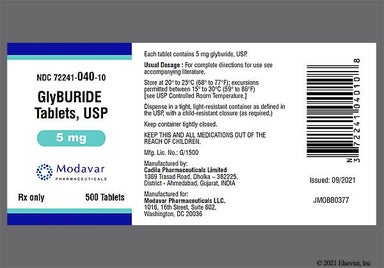
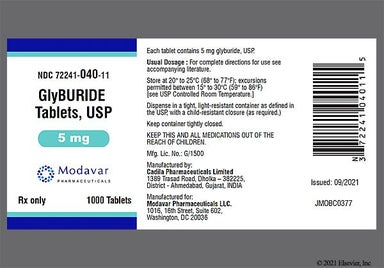
| 5mg | 90 tablets | $18.95 | $0.21 |
Glyburide: The usual starting dose is 2.5 mg to 5 mg by mouth once daily with breakfast or the first main meal. Your provider will work with you to adjust your dose weekly until your blood sugar level is the target range. The typical maintenance dose ranges from 1.25 mg to 20 mg by mouth, either once daily or divided into smaller doses and taken twice daily. The maximum daily dose is 20 mg.
Micronized glyburide (Glynase and its generic): The usual starting dose is 1.5 mg to 3 mg by mouth once daily with breakfast or the first main meal. Your provider will work with you to adjust your dose weekly until your blood sugar level is the target range. The typical maintenance dose ranges from 0.75 mg to 12 mg by mouth, either once daily or divided into smaller doses and taken twice daily. The maximum daily dose is 12 mg.

Although certain medicines should not be used together at all, in other cases two different medicines may be used together even if an interaction might occur. In these cases, your doctor may want to change the dose, or other precautions may be necessary. When you are taking this medicine, it is especially important that your healthcare professional know if you are taking any of the medicines listed below. The following interactions have been selected on the basis of their potential significance and are not necessarily all-inclusive.
Using this medicine with any of the following medicines is not recommended. Your doctor may decide not to treat you with this medication or change some of the other medicines you take.
Using this medicine with any of the following medicines is usually not recommended, but may be required in some cases. If both medicines are prescribed together, your doctor may change the dose or how often you use one or both of the medicines.
Using this medicine with any of the following medicines may cause an increased risk of certain side effects, but using both drugs may be the best treatment for you. If both medicines are prescribed together, your doctor may change the dose or how often you use one or both of the medicines.


Contraindications are specific health conditions or situations in which a person should not take a medication due to safety concerns. If you have any of the following conditions or if any of the following apply to you, let your healthcare provider know because Glyburide will not be safe for you to take.











Prescription savings
Stop paying too much for your prescriptions. Compare prices, get pharmacy coupons, and save up to 80%. Find expert answers to your health questions so you can make the best decisions for yourself and your family.
Health conditions
Medications & treatment
Access & affordability
 Our monthly healthcare membership can help you save thousands on your prescription costs.
Resources

If you take Glyburide and skip your meal, then your blood sugar level can drop too low. If this happens, you might experience symptoms such as dizziness, confusion, and shakiness. If you skip your largest meal of the day when you normally take your medication, your provider might recommend you also skip Glyburide. To be safe, keep some fast-acting sugars with you so that you can raise your blood sugar level if it drops too low. Talk to your provider if you're unsure about when to take or skip your medication.
Glyburide hasn't been well-studied in human pregnancy, so it's not known whether this medication will cause harm to unborn babies. But there have been reports of babies experiencing seriously low blood sugar levels during delivery. If you're pregnant or thinking about becoming pregnant, talk with your provider about what medication options are best for you. Typically, insulin is the preferred medication to lower blood sugar levels during pregnancy, but it might not be appropriate for everyone.
Yes, it's common for people to be taking both metformin and Glyburide to lower their blood sugar if they have Type 2 diabetes. There's actually a combination medication that contains both metformin and glyburide together in one pill.
Micronized glyburide (Glynase) and glyburide both contain the same medication, but in slightly different forms. Glyburide contains the non-micronized version of glyburide, whereas Glynase contains the micronized version of glyburide. The difference between the non-micronized and micronized medication has to do with how it's absorbed by your body. Micronized glyburide (Glynase) contains smaller particles that allow the medication to be absorbed better by the body which means, lower doses can be used compared to non-micronized glyburide. Keep in mind that the brand name version of the non-micronized glyburide (Diabeta) is no longer available, but there are generic versions that you might be able to take in its place. Ask your provider if you've more questions about the different formulations of glyburide.
No. Glyburide is only FDA-approved for people with Type 2 diabetes. This medication works by telling your body to make more insulin. People with Type 1 diabetes can't produce insulin very well, so for this reason, Glyburide won't work for them.
