



Glipizide Dosages: Your GoodRx Guide
The typical starting glipizide dosage for adults is 5 mg daily, and the maximum dose is 40 mg daily. Learn about adjustments for age and what to do if you miss a dose.
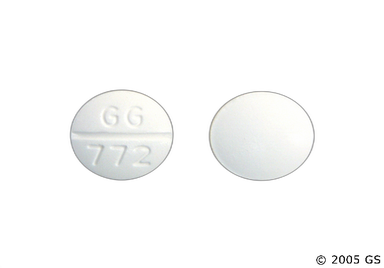
Glipizide is a sulfonylurea medication used to treat Type 2 diabetes in adults. It lowers blood sugar levels by telling your pancreas to release more insulin. Glipizide is taken by mouth, typically once or twice daily. Some side effects of this medication include dizziness and diarrhea. Taking glipizide can also put you at risk for dangerously low blood sugar, so it's important to take this medication with meals.

Glipizide is a sulfonylurea. It lowers blood sugar levels by telling your pancreas to release more insulin.
| Common Brands | Glucotrol XL (extended-release) |
|---|---|
| Drug Class | Sulfonylurea |
| Controlled Substance Classification | Not a controlled medication |
| Generic Status | Lower-cost generic available |
| Availability | Prescription only |

The following side effects may get better over time as your body gets used to the medication. Let your healthcare provider know immediately if you continue to experience these symptoms or if they worsen over time.
Note: Side effects were reported by people who took glipizide ER (Glucotrol XL) in clinical studies.
Contact your healthcare provider immediately if you experience any of the following.
Along with its needed effects, a medicine may cause some unwanted effects. Although not all of these side effects may occur, if they do occur they may need medical attention.
Check with your doctor immediately if any of the following side effects occur:
Less common
blurred vision
burning, crawling, itching, numbness, prickling, "pins and needles", or tingling feelings
chills
cold sweats
coma
confusion
cool, pale skin
difficulty with moving
dizziness
fainting
fast heartbeat
headache
increased hunger
joint pain
leg cramps
muscle aching or cramping
muscle pain or stiffness
nervousness
nightmares
pain in the joints
problems in urination or increase in the amount of urine
seizures
shakiness
slurred speech
sweating
swollen joints
unusual tiredness or weakness
Rare
Abdominal or stomach pain
bloody or black, tarry stools
body aches or pain
burning, dry, or itching eyes
clay-colored stools
congestion
dark urine
decreased vision or other changes in vision
difficult or labored breathing
difficult or painful urination
dryness or soreness of the throat
excessive tearing
fainting
fast, slow, or irregular heartbeat
feeling of warmth
hoarseness
indigestion
loss of appetite
pain in the eye
pounding in the ears
rash
redness of the face, neck, arms and occasionally, upper chest
redness, pain, or swelling of the eye, eyelid, or inner lining of the eyelid
severe stomach pain
shortness of breath
tender, swollen glands in the neck
tightness in the chest
trouble in swallowing
unpleasant breath odor
voice changes
vomiting of blood or material that looks like coffee grounds
yellow eyes or skin
Incidence not known
Agitation
back or leg pains
bleeding gums
blood in the urine or stools
convulsions
decreased urine output
fluid-filled skin blisters
general body swelling
general feeling of tiredness or weakness
high fever
hostility
increased thirst
irritability
lethargy
light-colored stools
lower back or side pain
muscle twitching
nosebleeds
pinpoint red pots on the skin
rapid weight gain
sensitivity to the sun
skin thinness
sores, ulcers, or white spots on the lips or in the mouth
stupor
swelling of the face, ankles, or hands
unusual bleeding or bruising
Some side effects may occur that usually do not need medical attention. These side effects may go away during treatment as your body adjusts to the medicine. Also, your health care professional may be able to tell you about ways to prevent or reduce some of these side effects. Check with your health care professional if any of the following side effects continue or are bothersome or if you have any questions about them:
Less common
Acid or sour stomach
belching
excess air or gas in the stomach or intestines
full feeling
trouble sleeping
unable to sleep
Rare
Decreased interest in sexual intercourse
dizziness or lightheadedness
excessive muscle tone
feeling of constant movement of self or surroundings
flushing or redness of the skin
headache, severe and throbbing
hives or welts
inability to have or keep an erection
loss in sexual ability, desire, drive, or performance
mood or mental changes
muscle stiffness
muscle tension or tightness
sensation of spinning
skin rash, encrusted, scaly, and oozing
sleepiness or unusual drowsiness
unusually warm skin
walking in unusual manner
Incidence not known
Increased sensitivity of the skin to sunlight
severe sunburn
Other side effects not listed may also occur in some patients. If you notice any other effects, check with your healthcare professional.
Call your doctor for medical advice about side effects. You may report side effects to the FDA at 1-800-FDA-1088.




Glipizide can cause some serious health issues. This risk may be even higher for certain groups. If this worries you, talk to your doctor or pharmacist about other options.
Glipizide can cause your blood sugar levels to drop to dangerously low levels. Your risk is higher if you're taking other blood sugar medications, such as insulin, or if you don't eat after taking your dose of glipizide. When you first start glipizide, your provider might ask you to check your blood sugar more often to make sure it doesn't drop too much. Symptoms of low blood sugar include feeling shaky, being nervous or anxious, fast heartbeat, sweating or body chills, confusion, and feeling very hungry.
Make sure you and your family know how to treat low blood sugar and when they need to call 911. It's best to keep emergency fast-acting sugars with you at all times, in case you need to bring your blood sugar back up to a safer range.
People who took medications similar to glipizide have experienced hemolytic anemia. If you've a certain genetic condition that raises your risk of this problem, your provider will most likely consider a different medication for you. Let your provider know if you experience symptoms of anemia, such as weakness, tiredness, or dizziness.
A study of tolbutamide (a medication similar to glipizide) suggests that taking sulfonylureas might raise the risk of death due to heart problems. More research is needed in this area for glipizide. Let your provider know right away if you experience any symptoms of heart attack (chest pain, sweating, nausea, or dizziness) or heart failure (trouble breathing, tiredness, swelling in your body, or sudden weight gain). Your provider might recommend that you go to the hospital and that you stop taking glipizide.
Extended-release glipizide has a non-dissolvable coating. There's a risk that people who have certain gut problems, such as strictures, can have a problem passing this coating. You won't be able to take extended-release glipizide if you have these gut-related problems.

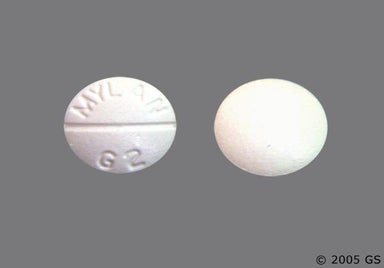
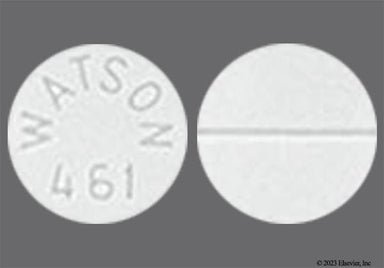
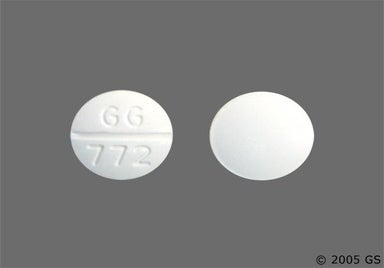
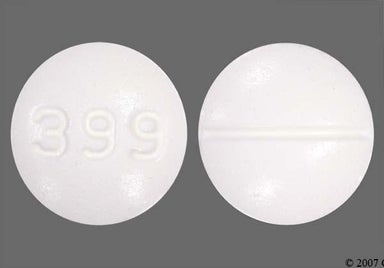
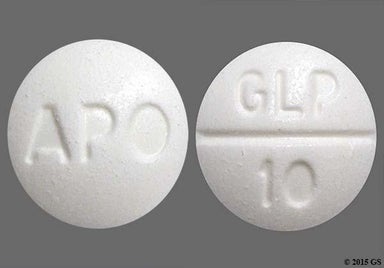
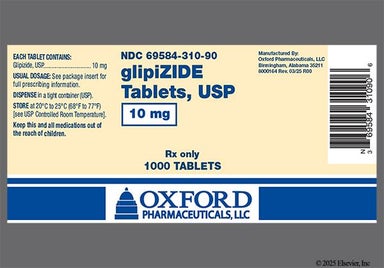
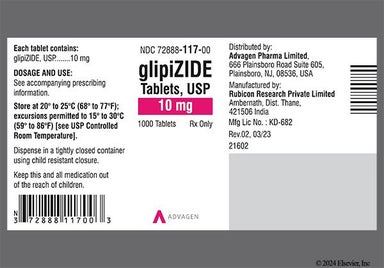
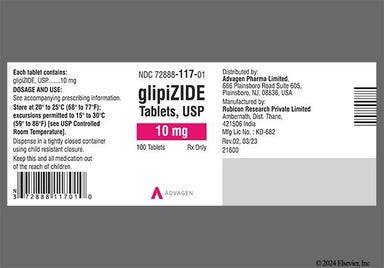
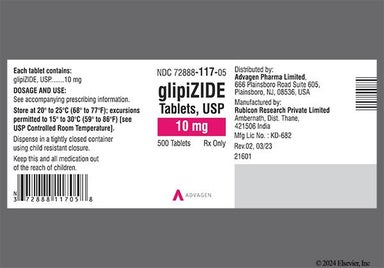
 Tablet
| Dosage | Quantity | Price as low as | Price per unit |
|---|---|---|---|
| 5mg | 180 tablets | $20.88 | $0.12 |
| 10mg | 90 tablets | $12.92 | $0.14 |
| 2.5mg | 30 tablets | $21.24 | $0.71 |
| 15mg | 90 tablets | $135.31 | $1.50 |
Glipizide (Glucotrol XL) extended-release
Your dose of glipizide might be lower if you're an older adult, have liver problems, or are taking other blood sugar medications.

Although certain medicines should not be used together at all, in other cases two different medicines may be used together even if an interaction might occur. In these cases, your doctor may want to change the dose, or other precautions may be necessary. When you are taking this medicine, it is especially important that your healthcare professional know if you are taking any of the medicines listed below. The following interactions have been selected on the basis of their potential significance and are not necessarily all-inclusive.
Using this medicine with any of the following medicines is usually not recommended, but may be required in some cases. If both medicines are prescribed together, your doctor may change the dose or how often you use one or both of the medicines.
Using this medicine with any of the following medicines may cause an increased risk of certain side effects, but using both drugs may be the best treatment for you. If both medicines are prescribed together, your doctor may change the dose or how often you use one or both of the medicines.


Contraindications are specific health conditions or situations in which a person should not take a medication due to safety concerns. If you have any of the following conditions or if any of the following apply to you, let your healthcare provider know because Glipizide will not be safe for you to take.











Prescription savings
Stop paying too much for your prescriptions. Compare prices, get pharmacy coupons, and save up to 80%.Resources
About GoodRx
 Find expert answers to your health questions so you can make the best decisions for yourself and your family.
Health conditions
Medications & treatment
Access & affordability
Well-being
Medication discounts

Your body breaks down the food you eat into sugars that can be used for energy. When you don't eat, you have lower blood sugar levels. And if you take Glipizide without eating, the medication can cause your blood sugar levels to drop even more, which can put you at risk for dangerously low blood levels (hypoglycemia). Symptoms of hypoglycemia include feeling hungry, shakiness, sweating, and feeling weak. If left untreated, hypoglycemia can be life-threatening. It's important to take Glipizide with food or 30 minutes before a meal to prevent hypoglycemia.
Glipizide can start to lower your blood sugar levels within 30 minutes after your dose. This is why it's important to take the medication before you eat or take it with a meal to prevent your blood sugar levels from dropping too low.
After a dose of Glipizide, it takes about 10-25 hours for most of the medication to leave your body. This timeframe is estimated based on the half-life of Glipizide. This medication might stay in your system longer if you have kidney or liver problems. If you've more questions about how long this medication stays in your system, talk with your provider.
Take Glipizide exactly as prescribed by your provider. If you're taking extended-release version of glipizide (Glucotrol XL), you should take your dose once daily. But if you're taking the immediate-release version of glipizide, your provider will probably ask you to take your medication twice daily if your total daily dose is above Glipizide 15 mg. Remember to always take your medication with meals to prevent dangerously low blood sugar levels.
Yes, Glipizide and other sulfonylureas can cause weight gain as a side effect. It's because Glipizide tells your body to release more insulin, and insulin then tells the body to turn blood sugar into energy or be stored long-term as fat. Research shows that people who take sulfonylureas gain on average about 5 pounds. If you're concerned about Glipizide and weight gain, talk with your provider.
No, Glipizide isn't insulin. But Glipizide lowers blood sugar levels by telling your pancreas to release more insulin into the body.
Yes, sometimes providers prescribe Glipizide and metformin together. Glipizide and metformin work differently to lower blood sugar levels. Metformin is a commonly prescribed medication for Type 2 diabetes. But if your blood sugar level isn't well-controlled on metformin alone, your provider might talk with you about adding on Glipizide for better control. In fact, these two medications exist as a combination medication (glipizide/metformin). Talk with your provider if you've more questions about Glipizide and metformin.
Talk with your provider if you're pregnant or thinking of becoming pregnant. Glipizide isn't a first-choice medication used to lower blood sugar levels during pregnancy (gestational diabetes). Studies show that while Glipizide isn't known to cause major birth defects, it can pass from mother to baby and cause low blood sugar levels in the baby. If you have gestational diabetes, your provider can talk with you about life-style changes and appropriate medication options to control your blood sugar levels during pregnancy.
More research is needed to know whether Glipizide can cause heart problems. But Glipizide has a warning for higher risk of death related to heart problems based on a study of tolbutamide, a blood sugar medication that's similar to Glipizide. There isn't enough evidence to say whether Glipizide carries the same risk as tolbutamide, but the warning is there as an added precaution. If you're worried about heart problems, or currently have heart problems, talk to your provider.
