



Is Your Medication Causing Dry Mouth?
Dry mouth isn’t just an annoyance, it can lead to serious dental issues if left untreated. Read on to see which medications are most likely to cause dry mouth.
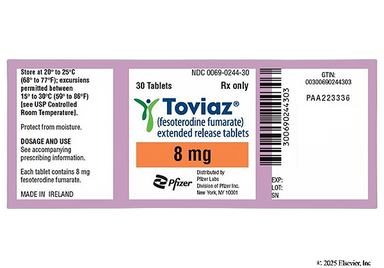
Fesoterodine fumarate (Toviaz) is an anticholinergic urinary antispasmodic. It relieves symptoms of overactive bladder (OAB) in adults. Brand name Toviaz is also approved to treat neurogenic detrusor overactivity (NDO) in children. Fesoterodine (Toviaz) is an extended-release tablet that's taken by mouth once a day. Some side effects of this medication include dry mouth and constipation.

Fesoterodine (Toviaz) is an anticholinergic medication that blocks acetylcholine. This is a chemical in the body that affects different bodily functions, including telling the bladder muscles to tighten so you can urinate. By blocking acetylcholine, fesoterodine (Toviaz) relaxes the bladder muscles so you have better control over urination.
| Common Brands | Toviaz |
|---|---|
| Drug Class | Urinary antispasmodic |
| Controlled Substance Classification | Not a controlled medication |
| Generic Status | No lower-cost generic available |
| Availability | Prescription only |

The following side effects may get better over time as your body gets used to the medication. Let your healthcare provider know immediately if you continue to experience these symptoms or if they worsen over time.
Adults (OAB)
Children (NDO)
Adults (OAB)
Children (NDO)
Contact your healthcare provider immediately if you experience any of the following.
Along with its needed effects, a medicine may cause some unwanted effects. Although not all of these side effects may occur, if they do occur they may need medical attention.
Check with your doctor immediately if any of the following side effects occur:
Less common
Bladder pain
bloating or swelling of the face, arms, hands, lower legs, or feet
bloody or cloudy urine
body aches or pain
burning feeling while urinating
chills
decrease in frequency of urination
decrease in urine volume
difficult or painful urination
difficulty in breathing
difficulty in passing urine (dribbling)
ear congestion
frequent urge to urinate
headache
loss of voice
lower back or side pain
rapid weight gain
tingling of the hands or feet
unusual tiredness or weakness
unusual weight gain or loss
Incidence not known
Blurred vision
fast, irregular, pounding, or racing heartbeat or pulse
Some side effects may occur that usually do not need medical attention. These side effects may go away during treatment as your body adjusts to the medicine. Also, your health care professional may be able to tell you about ways to prevent or reduce some of these side effects. Check with your health care professional if any of the following side effects continue or are bothersome or if you have any questions about them:
Other side effects not listed may also occur in some patients. If you notice any other effects, check with your healthcare professional.
Call your doctor for medical advice about side effects. You may report side effects to the FDA at 1-800-FDA-1088.




Fesoterodine (Toviaz) can cause some serious health issues. This risk may be even higher for certain groups. If this worries you, talk to your doctor or pharmacist about other options.
Fesoterodine (Toviaz) can cause swelling of the face, lips, tongue, or throat due to an allergic reaction. This can make it hard to breathe and it can happen after taking the first dose or after taking multiple doses. If you experience these symptoms, stop taking the medication and get emergency medical help right away.
People who have a blockage in the bladder shouldn't take fesoterodine (Toviaz). This medication can make it difficult for you to empty your bladder fully, which can lead to kidney injury and other complications. In addition, don't take fesoterodine (Toviaz) if you have blockages in your stomach or intestines. Fesoterodine (Toviaz) can slow down your digestion, which can make your stomach symptoms worse.
Fesoterodine (Toviaz) can cause changes to your vision. This is more likely to happen if you have glaucoma. Fesoterodine (Toviaz) isn't recommended if you have a condition called uncontrolled narrow-angle glaucoma. Check with your provider if you're unsure what type of glaucoma you have.
Fesoterodine (Toviaz) can make you feel dizzy, drowsy, or less alert, particularly when you first start the medication or raise your dose. Don't drive or do things that require you to focus until you know how this medication affects you.
If you have myasthenia gravis, a condition which causes your muscles to feel weak, talk to your provider before taking fesoterodine (Toviaz) because it can worsen your symptoms.


Although certain medicines should not be used together at all, in other cases two different medicines may be used together even if an interaction might occur. In these cases, your doctor may want to change the dose, or other precautions may be necessary. When you are taking this medicine, it is especially important that your healthcare professional know if you are taking any of the medicines listed below. The following interactions have been selected on the basis of their potential significance and are not necessarily all-inclusive.
Using this medicine with any of the following medicines is not recommended. Your doctor may decide not to treat you with this medication or change some of the other medicines you take.
Using this medicine with any of the following medicines is usually not recommended, but may be required in some cases. If both medicines are prescribed together, your doctor may change the dose or how often you use one or both of the medicines.


Contraindications are specific health conditions or situations in which a person should not take a medication due to safety concerns. If you have any of the following conditions or if any of the following apply to you, let your healthcare provider know because Fesoterodine (Toviaz) will not be safe for you to take.






Prescription savings
Stop paying too much for your prescriptions. Compare prices, get pharmacy coupons, and save up to 80%. Find expert answers to your health questions so you can make the best decisions for yourself and your family.
Health conditions
Medications & treatment
Access & affordability
Medication discounts


Before stopping Toviaz, it's best to speak to your healthcare provider first. Toviaz helps relax your bladder muscles while you're taking it, but it doesn't cure overactive bladder. If you stop taking the medication, your OAB symptoms might return. It's important to know that if you experience a serious allergic reaction to this medication, you should stop taking it and get emergency help right away.
No, you shouldn't chew, cut, or crush Toviaz. This is because the tablets are extended-release, meaning they release the medication slowly in your body over time. If you cut the tablet, you could change the way the medication is released in your body; this could lead to side effects. If you have trouble swallowing Toviaz, talk to your provider about other treatment options that might be easier for you to take.
Though rare, Toviaz can cause urinary retention (when your bladder holds on to too much urine). Clinical studies show only about 1% of people experienced this as a side effect. But please note that you can't take Toviaz if you already have urinary retention or any blockage in the urinary tract. Doing so can lead to kidney injury and other complications. Talk with your provider if you're not sure whether Toviaz is a good choice for you.
Constipation is a common side effect of Toviaz. Some things you can do to prevent constipation include eating foods that are high in fiber, drinking plenty of water, and exercising regularly. You can also ask your provider about a fiber supplement. If it becomes too bothersome, they might be able to adjust your dose or recommend a different treatment option.
If you've tried taking either Toviaz or Myrbetriq (mirabegron) alone and they haven't worked well for you, your provider might consider having you take both medications together. The two medications work in different ways to treat OAB symptoms, so you might see a benefit from taking both together.
Yes, Toviaz comes in a generic version.
Toviaz can be taken at any time of the day. It's most important to take it at the same time every day so the amount of medication in your body stays consistent. If you feel sleepy after taking Toviaz, try taking it at night before you go to bed.
