Bijuva
Bijuva (estradiol / progesterone) is a medication that combines two hormones into a single pill. It's used to treat moderate-to-severe vasomotor symptoms of menopause like hot flashes and night sweats. It's FDA approved for people with a uterus and have gone through menopause. This medication is a type of menopausal hormone therapy (MHT), also known as hormone replacement therapy (HRT). The dosage is 1 capsule by mouth each night with food. Side effects can include breast tenderness and headaches.


What is Bijuva (estradiol / progesterone)?
What is Bijuva (estradiol / progesterone) used for?
- Moderate-to-severe vasomotor symptoms of menopause (e.g., hot flashes, night sweats) in people with a healthy uterus
How Bijuva (estradiol / progesterone) works
Bijuva (estradiol / progesterone) is a type of menopausal hormone therapy (MHT), which is also called hormone replacement therapy (HRT). It's a combination of two hormones.
- Estradiol is an estrogen replacement. It helps replace the natural estrogen that your body loses during menopause. This helps treat menopause symptoms like hot flashes and night sweats.
- Progesterone is a progestin. It helps balance the effect of estrogen on the growth of your uterine lining.
Drug facts
| Common Brands | Bijuva |
|---|---|
| Drug Class | Estrogen replacement / Progestin |
| Controlled Substance Classification | Not a controlled medication |
| Generic Status | No lower-cost generic available |
| Availability | Prescription only |

Side effects of Bijuva (estradiol / progesterone)
The following side effects may get better over time as your body gets used to the medication. Let your healthcare provider know immediately if you continue to experience these symptoms or if they worsen over time.
Common Side Effects
- Breast tenderness (up to 10%)
- Headache (up to 4%)
- Nausea (up to 4%)
- Vaginal discharge (up to 3%)
- Vaginal bleeding (3%)
- Pelvic pain (3%)
Less Common Side Effects
- Stomach pain or discomfort
- Nausea
- Vomiting
- Diarrhea
- Swelling
- Pain in arm or leg
- Muscle spasms
- Tiredness
- Dizziness
- Sleepiness
- Trouble sleeping (insomnia)
- Breast pain
- Night sweats
- Hot flush (hot flash)
Bijuva (estradiol / progesterone) serious side effects
Contact your healthcare provider immediately if you experience any of the following.
- Blood clot in leg: leg pain or swelling, skin that's warm to the touch
- Blood clot in lungs: trouble breathing, chest pain
- Blood clot near the heart (heart attack): chest pain that travels to the arm, neck, or jaw; shortness of breath; cold sweat
- Blood clot in the brain (stroke): sudden weakness on one side of the body, bad headache, changes in speech or vision, drooping face, confusion
- Unusual changes in breast shape, size, or color
- Unusual vaginal bleeding, vaginal discharge, or pelvic pain
The following Bijuva (estradiol / progesterone) side effects have also been reported
Side effects that you should report to your care team as soon as possible:
- Allergic reactions—skin rash, itching, hives, swelling of the face, lips, tongue, or throat
- Blood clot—pain, swelling, or warmth in the leg, shortness of breath, chest pain
- Breast tissue changes, new lumps, redness, pain, or discharge from the nipple
- Change in vision such as blurry vision, seeing halos around lights, vision loss
- Gallbladder problems—severe stomach pain, nausea, vomiting, fever
- Heart attack—pain or tightness in the chest, shoulders, arms, or jaw, nausea, shortness of breath, cold or clammy skin, feeling faint or lightheaded
- Heavy vaginal bleeding
- Increase in blood pressure
- Liver injury—right upper belly pain, loss of appetite, nausea, light-colored stool, dark yellow or brown urine, yellowing skin or eyes, unusual weakness or fatigue
- Stroke—sudden numbness or weakness of the face, arm, or leg, trouble speaking, confusion, trouble walking, loss of balance or coordination, dizziness, severe headache, change in vision
- Swelling of the ankles, hands, or feet
- Unusual vaginal discharge, itching, or odor
Side effects that usually do not require medical attention (report these to your care team if they continue or are bothersome):

Pros and cons of Bijuva (estradiol / progesterone)
Pros
- Only taken once a day
- Contains progesterone to help lower risk of uterine cancer from the estrogen
Cons
- Can take a few weeks to feel the effects of the medication
- Can cause breast tenderness

Pharmacist tips for Bijuva (estradiol / progesterone)

- Take Bijuva (estradiol / progesterone) each evening with food. If you forget to take the medication, take it as soon as you remember with food. But if it's less than 2 hours until your next dose, skip the missed dose and take your next dose at the usual time.
- Take the lowest dose of Bijuva (estradiol / progesterone) for the shortest time needed to treat your menopause symptoms. This helps lower the risks of taking hormone therapy, like blood clots. Check in with your prescriber every 3 to 6 months to see if you still need to keep taking the medication.
- Tell your prescriber at least 4 to 6 weeks before any planned surgery, bedrest, or other times when you'll be sitting still or lying down for a long time. They'll tell you when you should stop taking Bijuva (estradiol / progesterone) before and when to restart it afterwards. This helps lower your risk for blood clots.
- Call your prescriber or gynecologist right away if you see vaginal bleeding or spotting while you're taking Bijuva (estradiol / progesterone). This medication can cause vaginal bleeding as a side effect. But it could also be a sign of other serious conditions, like uterine or ovarian cancer.
- Talk to your prescriber about ways to stay comfortable during menopause. Wear loose layers or moisture-wicking clothes, and use lightweight sheets on your bed. You could also try eating less spicy foods to lessen sweating and flushing. And be sure to drink plenty of water throughout the day.

Risks and warnings for Bijuva (estradiol / progesterone)
Bijuva (estradiol / progesterone) can cause some serious health issues. This risk may be even higher for certain groups. If this worries you, talk to your doctor or pharmacist about other options.
Risk for blood clots and related complications (e.g., heart attack, stroke)
- Risk factors: Personal or family history of blood clots | High blood pressure | Diabetes (high blood sugar) | High cholesterol | Tobacco use | Considered obese | Systemic lupus erythematosus (SLE)
 Estrogen/progestin therapy like Bijuva (estradiol / progesterone) can raise the risk of blood clots. These clots can block the blood flow to other parts of the body, like the leg, lungs, heart, or brain. Some clots can lead to dangerous complications, like heart attack or stroke.
 Before starting Bijuva (estradiol / progesterone), ask your prescriber if it's safe for you. There are many things that can raise your risk for blood clots, like high blood pressure, smoking, and long periods of time when you're sitting still. Don't take Bijuva (estradiol / progesterone) to prevent heart disease.
Be sure you know the signs and symptoms of a blood clot, heart attack, and stroke.
- Blood clot in arm or leg: swelling, pain, or tenderness in the arm or leg; skin that's warm to the touch
- Blood clot in the lung: chest pain, trouble breathing
- Heart attack (blood clot near the heart): chest pain traveling to the arm, neck, or jaw; shortness of breath; cold sweat; lightheadedness
- Stroke (blood clot in the brain): sudden weakness on one side of the body, drooping face, bad headache, changes in speech or vision, confusion
Stop taking Bijuva (estradiol / progesterone) and get medical help right away if you have any signs or symptoms of a blood clot.
Risk for breast cancer
- Risk factors: Personal or family history of breast cancer | Taking hormone therapy for a long time
Studies show that combination hormone therapy like Bijuva (estradiol / progesterone) can raise the risk of invasive breast cancer. The risk might be higher if you've taken hormone therapy for a long time. Don't take Bijuva (estradiol / progesterone) if you have or have had breast cancer. For people whose breast cancer has spread to the bones, this medication can also cause very high calcium levels.
To lower your risk, take the lowest dose of Bijuva (estradiol / progesterone) for the shortest time possible. Check your breasts regularly for changes and get breast scans (mammograms) as recommended. Talk to your prescriber or gynecologist if you're worried about breast cancer. Tell them if you notice any unusual changes in breast shape, size, or color so they can check it out.
Risk for uterine cancer (also called endometrial cancer)
- Risk factors: Estrogen therapy without additional progestin | People with a healthy uterus | Taking estrogen therapy for more than 1 year | High estrogen dose
Bijuva contains estradiol and progesterone. Estrogens like estradiol can change and thicken the lining of the uterus (endometrium). This can sometimes lead to uncontrolled growth of the uterine lining. This raises the risk of uterine (endometrial) cancer in people with a healthy uterus. The progesterone in Bijuva helps balance out estrogen's effect on the uterine lining. This helps lower the risk for uterine cancer.
Bijuva (estradiol / progesterone) has an ingredient that helps protect the uterine lining from estrogen's effect. But it's still important to look out for signs of uterine cancer. These include vaginal bleeding that doesn't stop or keeps coming back, or pelvic pain. Talk to your primary care provider or gynecologist if you're worried about uterine cancer or have these signs.
Possible risk of ovarian cancer
People who take menopausal hormone therapy might have a higher risk of ovarian cancer. Talk to your prescriber if you're worried about this risk with Bijuva (estradiol / progesterone). Let your prescriber or gynecologist know if you have any unusual vaginal bleeding, vaginal discharge, or pelvic pain. These could be signs of ovarian cancer.
Risk for dementia
- Risk factors: Age 65 years or older
Studies suggest that people 65 and older who've gone through menopause and take hormonal replacement therapy might have a higher risk of dementia. Be aware of early signs like memory loss, confusion about time, getting lost, and misplacing things often. Talk to your primary care provider if you're worried about the risk of dementia. Don't take Bijuva (estradiol / progesterone) to prevent dementia.
Liver or gallbladder problems in certain people
- Risk factors: History of liver problems or jaundice
People who've gone through menopause and take estrogen medications like Bijuva (estradiol / progesterone) have a higher risk of gallbladder problems. Tell your primary care provider if you've ever had jaundice, or yellowing of the skin or eyes. Also let your care team know if you notice jaundice after starting Bijuva (estradiol / progesterone). These could be signs of gallbladder or liver problems. Don't take Bijuva (estradiol / progesterone) if you have liver problems.
Vision problems
Although very rare, some people who took estrogens had vision problems from a blood clot in the eye. Stop taking Bijuva (estradiol / progesterone) right away and tell your primary care provider if you have sudden vision loss, bulging eyes, double vision, or migraines.
High triglyceride (fat) levels
- Risk factors: History of high triglyceride levels in the blood
Estrogen therapy can raise the level of triglycerides (fat) levels in your blood. Too much triglyceride can cause swelling in the pancreas (pancreatitis). People who already have high triglyceride levels might be at higher risk of pancreatitis. Tell your primary care provider right away if you notice signs of pancreatitis. Look out for stomach pain that spreads to your back, stomach tenderness, fever, nausea, or vomiting.
Buildup of fluids in the body (fluid retention)
- Risk factors: Heart failure | Kidney problems
Estrogen/progestin medications like Bijuva (estradiol / progesterone) can make your body hold onto extra fluid. This can lead to swelling in your hands, feet, or ankles.
Tell your primary care provider if you have heart failure. Fluid buildup can make this condition worse. Bijuva (estradiol / progesterone) also isn't recommended for people with kidney problems. They have a higher risk of complications from fluid retention.
Call your primary care provider if you notice swelling or signs that your heart condition is getting worse while you're taking Bijuva (estradiol / progesterone).
Low thyroid hormone levels in people who take thyroid hormone replacement therapy
- Risk factors: Low thyroid hormone levels (hypothyroidism)
Estrogens can affect the thyroid hormone levels in your body. Usually, your body adjusts these levels on its own. But if you have low thyroid hormone levels (hypothyroidism), it might be harder to adjust.
If you're taking thyroid hormone replacement, you might need a higher dose of it while you're taking Bijuva (estradiol / progesterone). This helps your body adjust to changes in thyroid hormone levels during treatment. Keep getting blood tests as instructed by your primary care provider so they can check your thyroid hormone levels.
Worsening of other medical conditions
Tell your prescriber about all the medical conditions you have before taking Bijuva (estradiol / progesterone). This medication can make some health conditions worse. This includes asthma, diabetes, epilepsy, migraine, and lupus, among others. It can also affect people with hypoparathyroidism or hereditary angioedema.

Bijuva (estradiol / progesterone) dosage


How much does Bijuva (estradiol / progesterone) cost?
$85.00

Bijuva (estradiol / progesterone) contraindications
Contraindications are specific health conditions or situations in which a person should not take a medication due to safety concerns. If you have any of the following conditions or if any of the following apply to you, let your healthcare provider know because Bijuva (estradiol / progesterone) will not be safe for you to take.
- Abnormal vaginal bleeding that hasn't been examined by a healthcare professional
- Currently have or have had breast cancer
- Estrogen-dependent tumor or cancer
- Currently have or have had a blood clot, like deep vein thrombosis (DVT) or pulmonary embolism (PE)
- Currently have or have had a heart attack or stroke
- Liver problems
- Blood-clotting problems

What are alternatives to Bijuva (estradiol / progesterone)?

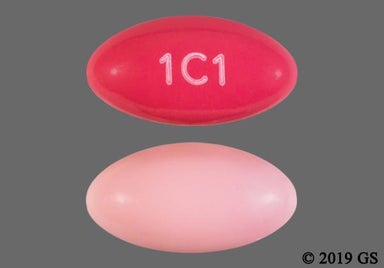
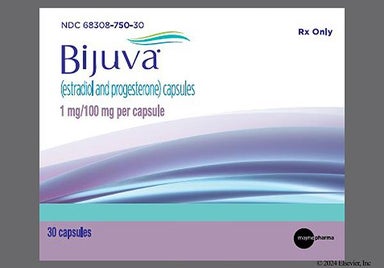
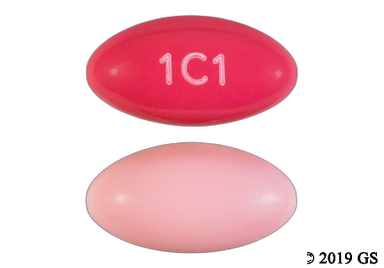
Bijuva (estradiol / progesterone) images