Entyvio
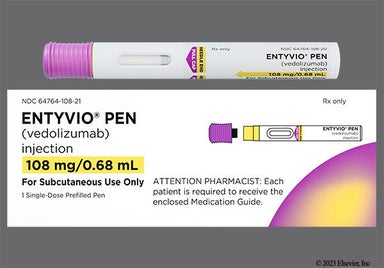
Entyvio, the brand name for vedolizumab, is an injection used to treat ulcerative colitis (UC) and Crohn's disease (CD) in adults. It belongs to a drug class called integrin antagonists that helps lower inflammation in the gut. Entyvio (vedolizumab) is an infusion that's given through the vein by a healthcare professional. After the first 2 doses, it's usually given every 2 months. If it works well, people can switch to injections under the skin every 2 weeks using prefilled syringes or pens. Side effects include headache, mild infections, and joint pain.


What is Entyvio (vedolizumab)?
What is Entyvio (vedolizumab) used for?
- Moderate-to-severe ulcerative colitis (UC) in adults
- Moderate-to-severe Crohn's disease (CD) in adults
How Entyvio (vedolizumab) works
Entyvio (vedolizumab) is a type of monoclonal antibody. More specifically, it's an integrin antagonist. It works by blocking proteins called integrins. These proteins are found on immune cells. They play a role in causing inflammation in the gut related to ulcerative colitis and Crohn's disease.
By blocking integrin proteins, Entyvio (vedolizumab) helps lower inflammation in the gut.
Drug facts
More on Entyvio (vedolizumab) essentials

Side effects of Entyvio (vedolizumab)
The following side effects may get better over time as your body gets used to the medication. Let your healthcare provider know immediately if you continue to experience these symptoms or if they worsen over time.
Common Side Effects
- Infection in nose and throat (13%)
- Headache (12%)
- Joint pain (12%)
- Nausea (9%)
- Fever (9%)
- Upper respiratory tract infection (7%)
- Fatigue (6%)
- Cough (5%)
Less Common Side Effects
- Bronchitis
- Flu-like symptoms
- Back pain
- Rash
- Itching
- Sinus infection
- Pain in the back of the throat
- Pain in the arms or legs
- Injection site reactions (e.g., redness, rash, swelling, bruising)
Entyvio (vedolizumab) serious side effects
Contact your healthcare provider immediately if you experience any of the following.
- Infusion-related reactions or allergic reactions: hives, rash, swelling of the face and around the eyes, trouble breathing, wheezing, trouble swallowing, vomiting, diarrhea, fast heart rate, passing out
- Infection: fever, trouble breathing, chills, sweating, weakness, cough, stomach pain, diarrhea, burning when you urinate, urinating more often
- Serious brain infection: weakness on one side of the body, clumsiness, changes in vision, changes in memory or thinking, changes in personality, confusion
- Liver problems: swelling of your stomach, stomach pain, loss of appetite, nausea, yellowing of your skin or the whites of your eyes, tiredness, confusion
More on Entyvio (vedolizumab) side effects
The following Entyvio (vedolizumab) side effects have also been reported
Side effects that you should report to your care team as soon as possible:
- Allergic reactions—skin rash, itching, hives, swelling of the face, lips, tongue, or throat
- Dizziness, loss of balance or coordination, confusion or trouble speaking
- Infection—fever, chills, cough, sore throat, wounds that don't heal, pain or trouble when passing urine, general feeling of discomfort or being unwell
- Infusion reactions—chest pain, shortness of breath or trouble breathing, feeling faint or lightheaded
- Liver injury—right upper belly pain, loss of appetite, nausea, light-colored stool, dark yellow or brown urine, yellowing skin or eyes, unusual weakness or fatigue
Side effects that usually do not require medical attention (report these to your care team if they continue or are bothersome):

Get your GoodRx coupon

Pros and cons of Entyvio (vedolizumab)
Pros
- Have the option for infusions through the vein or injections under the skin after 6 weeks of treatment
- Comes as prefilled syringes and pens for injections under the skin that can be given at home
Cons
- IV infusions can only be given by a healthcare professional at a medical office
- Can raise your risk of serious side effects, like infusion reactions and infections

Pharmacist tips for Entyvio (vedolizumab)

- Follow up with your prescriber to talk about how Entyvio (vedolizumab) is working for you. If you don't start feeling better after about 3 months, your prescriber will stop the medication. They'll talk with you about other treatments you can try.
- Entyvio (vedolizumab) can raise your risk of infection. Call your care team right away if you feel sick. Watch for signs like fever, cough, trouble breathing, weakness, sweating, and chills. If you're sick, you might have to take a break from treatment so your body can fight the infection.
- It's a good idea to be up to date on all of your vaccines before starting Entyvio (vedolizumab). This might help lessen your risk of certain infections during treatment.
- Before getting any vaccines, tell the healthcare professional (HCP) you're taking Entyvio (vedolizumab). They can check if the vaccine is safe for you. It's safe to get non-live vaccines, like most types of flu shots. For live vaccines, your HCP will decide if it's okay for you depending on the risks and benefits.
Tips for Entyvio (vedolizumab) IV infusions
- After the first couple doses, Entyvio (vedolizumab) IV infusions are given once every 2 months. Be sure to mark your infusion appointments on your calendar. This will help you remember to get your infusions on time.
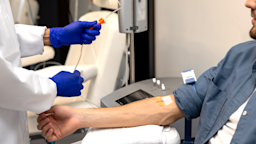
- Plan ahead for some time at the medical office or infusion center for your Entyvio (vedolizumab) IV infusions. The infusion itself takes about 30 minutes. But depending on how you tolerate it, it might take longer. Your care team might ask you to stay for observation to check for reactions to the medication.
- Tell your care team if you have any reactions during or after your Entyvio (vedolizumab) infusions. These reactions can include itching, rash, headache, red or warm skin, or trouble breathing. Your care team can hep you feel better or suggest ways to manage these side effects.
Tips for Entyvio (vedolizumab) injections under the skin
- Entyvio (vedolizumab) injections under the skin are given once every 2 weeks. Set reminders on your calendar or phone to help you remember when to inject it. If you miss a dose, inject the medication as soon as you can. Your next injection will be 2 weeks from then.
- Your care team will show you how to use Entyvio (vedolizumab) for injections under the skin. They'll make sure you can do it on your own before you can inject at home. Carefully read the instructions for use for the prefilled syringe or prefilled pen. Ask your prescriber or pharmacist if you have any questions.
- How to store Entyvio (vedolizumab) prefilled syringes and pens: Store the medication in the refrigerator, but don't let it freeze. Keep syringes and pens in the original carton to protect it from light. If needed, you can keep syringes and pens in their original box out of the fridge at temperatures up to 77ºF for up to 7 days. Don't use them if they've been out for more than 7 days.
- Before injecting Entyvio (vedolizumab): When it's time for your dose, take a syringe or pen out of the refrigerator. Let it reach room temperature for at least 30 minutes. Don't warm up the medication any other way like with a microwave or under hot water because this could damage it. Wash your hands with soap and warm water. Clean the injection site with an alcohol pad.
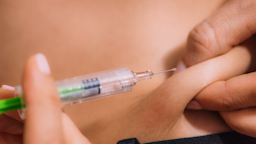
- Where to inject Entyvio (vedolizumab): Inject the medication under the skin into the front of the thigh or stomach area (at least 2 inches away from the belly button). If someone else is giving you the injection, you can also use the back of the upper arm. Choose a different spot each time to lessen skin irritation. Don't inject into moles, scars, or skin that's tender, hard, red, or damaged.
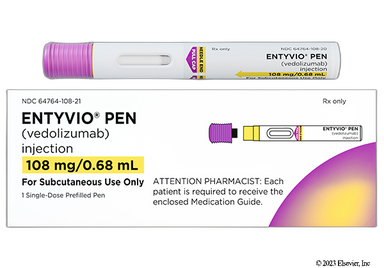
- How to inject using the Entyvio Pen: Place the yellow end flat on your skin at a 90-degree angle, with the the viewing window facing you. Push the pen straight down to start the injection. Hold it in place for at least 10 seconds. You might hear 1 to 2 clicks, but they don't mean that the injection is done. Keep holding the pen with pressure until the window is completely purple. This is when your injection is done and you can lift the pen from the skin.
- How to inject using the Entyvio syringe: Pinch your skin at the injection site. Then, insert the needle on the syringe at a 45-degree angle way the way into the pinched skin. Push the plunger all the way down until all the medication is injected. Then, let go of the plunger so the needle guard can cover the needle.
- After injecting Entyvio (vedolizumab): Throw away each used syringe or pen by placing them in a sharps container. You can also use a heavy-duty plastic container like an empty milk carton or laundry detergent bottle. Don't throw them away in the trash. This helps keep you and others safe from getting needle sticks.
- The area where you injected Entyvio (vedolizumab) might get red, itchy, swollen, or bruised. This usually goes away on their own in 1 or 2 days. In the meantime, you can use cold compresses to help relieve these reactions. But if they get worse or don't go away, tell your care team.

Common questions about Entyvio (vedolizumab)
Yes, Entyvio (vedolizumab) is a type of medication called a biologic. Biologics are made from living sources, like cells, in the lab. Entyvio (vedolizumab) is a kind of monoclonal antibody. Monoclonal antibodies are proteins that are made made from cells in a lab.
Some people can think of Entyvio (vedolizumab) as an immunosuppressant. It works by blocking certain proteins on immune cells. This can make these immune cells less active to lower gut inflammation. But in the process, it can weaken your immune system and raise your risk of infections.
A study found that some people taking Entyvio (vedolizumab) might gain weight. It's not clear if the medication is the main cause. One reason might be that your gut health improves with treatment. As Entyvio (vedolizumab) helps control your UC or CD symptoms, your gut might start to absorb food and nutrients better. Talk to your prescriber if you gain weight and it worries you while taking this medication.
For the first 2 doses, Entyvio (vedolizumab) is given as an infusion into the veins (IV). After that, you can keep getting IV infusions. Or if you do well with the infusions, you can switch to injections given under the skin using the prefilled syringes or pens. With training, you can give the injections under the skin to yourself at home. Talk to your prescriber about which option is best for you for your maintenance doses.
Studies show that some people's UC or CD symptoms improved within about 2 weeks after starting Entyvio (vedolizumab). But it might take up to 6 weeks to see the full benefits. Everyone is different, so your experience might not be the same. If you don't see any improvement after at least 3 months of taking Entyvio (vedolizumab), you might need a different medication. Check in with your prescriber to talk about how well Entyvio (vedolizumab) is working for you.
It probably depends on which side effect you have. For example, you might have itching, redness, or swelling where you injected Entyvio (vedolizumab) under the skin. These injection site reactions usually last a couple days. But an infection, like the common cold or sinus infection, can last a few days to a few weeks. This depends on what the infection is, how serious it is, and if you've gotten treated for it yet. Ask your prescriber if you have questions about any specific side effects.
It takes about 4 months for most of Entyvio (vedolizumab) to leave your body after one dose of medication. This is based on the half-life of the medication. Even though it stays in your body for a while, it's still important to get your IV infusion or inject the medication under the skin on time. This helps keep the right amount of Entyvio (vedolizumab) in your body so it can work well.
If you're pregnant or thinking of getting pregnant, talk to your prescriber. They can help you understand the risks and benefits of using Entyvio (vedolizumab) during pregnancy. There isn't much information so far. But available data suggest that the medication doesn't raise the risk of serious birth defects or miscarriage. Still, more research is needed to know for sure.

How to save using GoodRx



Risks and warnings for Entyvio (vedolizumab)
Entyvio (vedolizumab) can cause some serious health issues. This risk may be even higher for certain groups. If this worries you, talk to your doctor or pharmacist about other options.
Infusion-related reactions and allergic reactions
Entyvio (vedolizumab) can cause infusion-related reactions and allergic reactions. Signs include itching, rash, red or warm skin, high blood pressure, and a fast heart rate. You might also have trouble breathing and swelling in the face, lips, or tongue. Other signs of anaphylaxis are also possible. These reactions can happen during the infusion through the vein or even a few hours later.
Stop taking Entyvio (vedolizumab) and get medical help right away if you have an infusion reaction or allergic reaction.
Risk of serious infections
- Risk factors: Active infection | Medical conditions that raise your risk of infections | Take medications that weaken your immune system
Entyvio (vedolizumab) can affect your body's ability to fight infections. This means you could get sick more easily from bacterial, viral, or fungal infections. In studies, the most common infections during treatment were upper respiratory infections and sinus infections. But serious infections like tuberculosis (TB) and meningitis can also happen.
Before starting Entyvio (vedolizumab), tell your prescriber if you're feeling sick. You'll need to wait until you get better before starting the medication. If you get sick often, your prescriber will weigh the risks and benefits of treatment for you. They might also test you for TB first.
Call your care team or get medical help right away if you get sick while taking Entyvio (vedolizumab). Watch for signs like fever, trouble breathing, cough, weakness, sweating, and chills. Your care team can check what's going on and decide if you should keep taking this medication.
Risk of brain infection (progressive multifocal leukoencephalopathy)
- Risk factors: Medical conditions that raise your risk of infection | Take medications that weaken your immune system
Entyvio (vedolizumab) can weaken your immune system and raise the risk of infections. In particular, it can put you at risk of a serious brain infection caused by the John Cummingham virus (JCV). This infection is called progressive multifocal leukoencephalopathy (PML). It can lead to death or severe disability in people with a weakened immune system, like those taking Entyvio (vedolizumab).
Stop Entyvio (vedolizumab) and get medical help right away if you notice early signs of PML. These include weakness on one side of your body, clumsiness, and confusion. Also pay attention to any changes in vision, personality, memory, or thinking skills. You might need tests or a brain scan to check for PML. Getting help quickly is very important because PML symptoms can get worse over days to weeks.
Liver problems
Some people taking Entyvio (vedolizumab) have had higher liver enzyme levels on their blood tests. This can be a sign of liver problems. If the levels get too high, there's a risk of serious liver damage.
Get medical help right away if you have signs of liver damage. Watch for stomach pain, loss of appetite, nausea, tiredness, and yellow skin and whites of your eyes. You might need to stop taking Entyvio (vedolizumab) if you have liver damage.

Entyvio (vedolizumab) dosage


Typical dosage for Entyvio (vedolizumab)
-
Starter doses
- Week 0 (the first day of treatment): The typical dose is 300 mg given as an infusion through the vein (IV) once. It's given by a trained healthcare professional at an infusion center.
- Week 2: The typical dose is 300 mg given as an IV infusion once. It's given by a healthcare professional at an infusion center.
-
Maintenance doses
- Week 6 and onwards: You can receive your maintenance doses as an infusion into the vein at a medical office. You can also choose to switch to injections under the skin. This depends on how your IV infusions went.
- As an infusion into the vein: The typical maintenance dose is 300 mg given IV once every 2 months.
- As an injection under the skin: The typical maintenance dose is 108 mg injected under the skin once every 2 weeks.
- Week 6 and onwards: You can receive your maintenance doses as an infusion into the vein at a medical office. You can also choose to switch to injections under the skin. This depends on how your IV infusions went.

How much does Entyvio (vedolizumab) cost?
$0.00
0
What are alternatives to Entyvio (vedolizumab)?

News about Entyvio (vedolizumab)





Entyvio (vedolizumab) images