









Does Cymbalta Cause Weight Gain?
Cymbalta (duloxetine) may cause weight gain when taken long-term. Read on to learn how much weight you could gain and how you can prevent this side effect here.
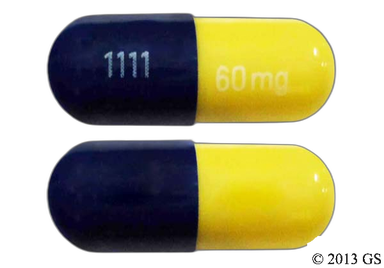
Duloxetine (Cymbalta) helps treat depression and anxiety. It can also help with some types of chronic pain, such as nerve pain from diabetes. Duloxetine (Cymbalta) is a type of antidepressant called an SNRI, or serotonin and norepinephrine reuptake inhibitor. Most people take it by mouth once a day, but some with depression might take it twice a day. Side effects include nausea, headache, and dry mouth. When it's time to stop taking the medication, the prescriber will slowly lower your dose to help prevent withdrawal symptoms.

Duloxetine (Cymbalta) is an SNRI, or a serotonin and norepinephrine reuptake inhibitor. It works by raising the level of chemicals called serotonin and norepinephrine in your brain. This is thought to help improve mood and lessen pain.
| Common Brands | Cymbalta |
|---|---|
| Drug Class | SNRI |
| Controlled Substance Classification | Not a controlled medication |
| Generic Status | Lower-cost generic available |
| Availability | Prescription only |

The following side effects may get better over time as your body gets used to the medication. Let your healthcare provider know immediately if you continue to experience these symptoms or if they worsen over time.
Note: Side effects were reported in adults. Side effects in children might be different.
Contact your healthcare provider immediately if you experience any of the following.
Along with its needed effects, a medicine may cause some unwanted effects. Although not all of these side effects may occur, if they do occur they may need medical attention.
Check with your doctor immediately if any of the following side effects occur:
Incidence not known
Abdominal or stomach pain
area rash
blindness
blistering, peeling, or loosening of the skin
blurred vision
change in consciousness
chills
clay-colored stools
cold sweats
confusion
convulsions
dark urine
decreased urine output
decreased vision
difficulty with swallowing
dizziness, faintness, or lightheadedness when getting up suddenly from a lying or sitting position
fainting
fast or irregular heartbeat
general tiredness or weakness
hives or welts, itching, or skin rash
hives, itching, puffiness, or swelling of the eyelids or around the eyes, face, lips, or tongue
increased thirst
joint or muscle pain
large, hive-like swelling on the face, eyelids, lips, tongue, throat, hands, legs, feet, or sex organs
light-colored stools
loss of consciousness
red skin lesions, often with a purple center
red, irritated eyes
redness of the skin
sores, ulcers, or white spots in the mouth or on the lips
swelling of the face, ankles, or hands
tearing
tightness in the chest
unpleasant breath odor
upper right stomach pain
vomiting of blood
yellow eyes and skin
Get emergency help immediately if any of the following symptoms of overdose occur:
Symptoms of overdose
Agitation
loss of bladder control
muscle spasm or jerking of all extremities
overactive reflexes
poor coordination
restlessness
shivering
sleepiness or unusual drowsiness
sudden loss of consciousness
sweating
talking or acting with excitement you cannot control
trembling or shaking
twitching
unusual tiredness or weakness
vomiting
Some side effects may occur that usually do not need medical attention. These side effects may go away during treatment as your body adjusts to the medicine. Also, your health care professional may be able to tell you about ways to prevent or reduce some of these side effects. Check with your health care professional if any of the following side effects continue or are bothersome or if you have any questions about them:
More common
Body aches or pain
difficulty having a bowel movement (stool)
ear congestion
headache
lack or loss of strength
loss of appetite
loss of voice
muscle aches
sleepiness or unusual drowsiness
stuffy or runny nose
sweating increased
trouble sleeping
Less common
Abnormal orgasm
acid or sour stomach
belching
burning, crawling, itching, numbness, prickling, "pins and needles", or tingling feelings
change in taste
change or problem with discharge of semen
decreased interest in sexual intercourse
difficulty with moving
feeling of warmth or redness of the face, neck, arms, and occasionally, upper chest
inability to have or keep an erection
indigestion
longer than usual time to ejaculation of semen
loose stools
loss in sexual ability, desire, drive, or performance
loss of taste
muscle cramps, pains, or stiffness
shakiness in the legs, arms, hands, or feet
stomach discomfort or upset
sudden sweating
swollen joints
trembling or shaking of the hands or feet
Other side effects not listed may also occur in some patients. If you notice any other effects, check with your healthcare professional.
Call your doctor for medical advice about side effects. You may report side effects to the FDA at 1-800-FDA-1088.




Duloxetine (Cymbalta) can cause some serious health issues. This risk may be even higher for certain groups. If this worries you, talk to your doctor or pharmacist about other options.
 Duloxetine (Cymbalta) might raise the risk of suicidal thoughts or behavior, especially in people under the age of 25. Watch for worsening depression or sudden changes in mood or behavior. This is very important during the first few months of treatment or after a dose change.
Talk to a healthcare professional if you or someone close to you notices any unusual mood or behavior. Call 911 right away if you have thoughts of hurting yourself.
It's rare, but some people who took duloxetine (Cymbalta) had liver problems. They can be serious and sometimes life-threatening. Tell your care team right away if you have stomach pain, nausea, vomiting, or yellow skin or eyes (jaundice). These can be signs of liver damage. You'll probably need to stop the medication to protect your liver. Your care team will also work to find out what's causing the problem.
Duloxetine (Cymbalta) can cause changes to your blood pressure. It might sometimes raise your blood pressure. It can also cause your blood pressure to drop when you stand up. This drop can make you dizzy or faint, which can put you at risk of falling. This often happens within the first week of treatment but can happen later, especially after you switch to a higher dose.
Check your blood pressure often while taking duloxetine (Cymbalta). Get up slowly after sitting or lying down. This helps prevent sudden drops in blood pressure and dizziness. Tell your primary care provider if your blood pressure seems too high or too low, you feel dizzy, or have fainted.
Duloxetine (Cymbalta) raises the serotonin levels in the brain. It can sometimes cause a serious and dangerous problem called serotonin syndrome. This happens when there's too much serotonin in the brain.
The risk is higher if you take duloxetine (Cymbalta) with other medications that also raise serotonin levels. These include other antidepressants, cough medications with dextromethorphan, and some opioid pain medications. Tell your care team about all the medications you take so they can check your risk.
Stop taking duloxetine (Cymbalta) and get medical help right away if you have signs of serotonin syndrome. These include high fever, fast heart rate, heavy sweating, stiff muscles, or confusion.
Duloxetine (Cymbalta) can raise the risk of bleeding or bruising more easily. The risk is higher if you also take other medications that have a bleeding risk. These include nonsteroidal anti-inflammatory drugs (NSAIDs) like aspirin and ibuprofen (Advil). Other medications include blood thinners like warfarin (Coumadin).
Bleeding can range from nosebleeds to stomach bleeds, which can be serious and life-threatening. Tell a healthcare professional right away about any bruising that doesn't go away or bleeding that's hard to stop. Also tell them right away if you have black stools or pink or red urine. These can be signs of bleeding that could be serious.
In some rare cases, duloxetine (Cymbalta) can cause severe skin reactions. Get medical help as soon as possible if you have painful blisters, a peeling rash, sores, or other signs of a skin reaction.
Don't stop taking duloxetine (Cymbalta) suddenly without talking to your prescriber first. Stopping the medication too quickly can cause withdrawal symptoms. This can make you feel nauseous, anxious, irritable, or confused. It can also cause upset stomach, dizziness, headache, and trouble sleeping.
If you want to stop taking duloxetine (Cymbalta), tell your prescriber. They can help you do this safely by lowering your dose over time before you stop completely.
It's possible for duloxetine (Cymbalta) to cause low sodium levels. In general, sodium levels tend to go back within normal ranges when the medication is stopped. Call your prescriber if you have symptoms of low sodium. This can include headaches, trouble concentrating, memory problems, confusion, weakness, or balance problems.
Duloxetine (Cymbalta) can sometimes cause sexual problems. They can include erectile dysfunction, low sex drive, or problems with orgasms. Tell your prescriber if you have any sexual problems that affect your sex life while taking this medication. Your prescriber can help find the cause and suggest ways to help.
Sometimes, depression is the first sign of bipolar disorder. Treating someone with bipolar disorder with an antidepressant by itself can cause a manic episode. This can look like having a lot of energy, being very talkative, having racing thoughts, and doing risky things.
Before starting duloxetine (Cymbalta) for depression, tell your prescriber if you or anyone in your family has bipolar disorder. Also tell them if you've ever had a manic episode before. Your prescriber will check your risk and make sure you get the right care. Duloxetine (Cymbalta) isn't approved to treat bipolar depression.
Antidepressants like duloxetine (Cymbalta) can sometimes cause a sudden eye problem called an angle-closure attack. This is more likely in people with narrow-angle eyes who haven't had laser eye surgery.
Call your eye specialist right away if you suddenly have blurry vision, severe eye pain, or see rings around lights. These can be signs of an angle-closure attack. This needs immediate medical care.

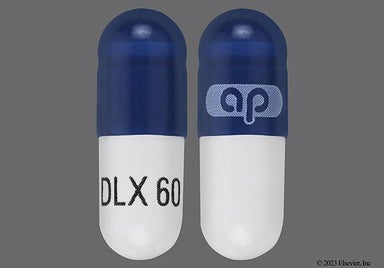
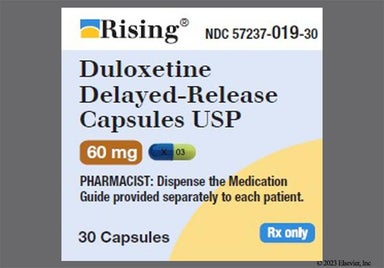
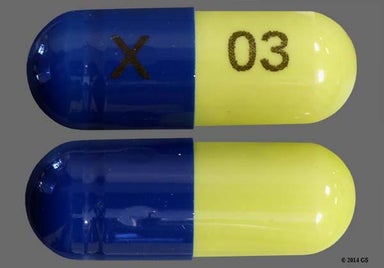
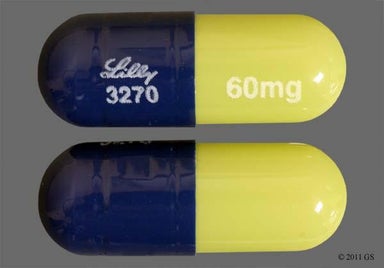
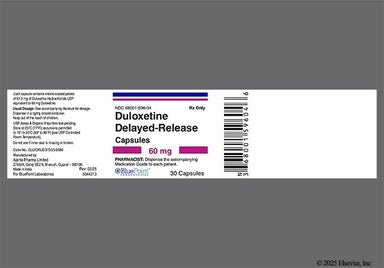
 Capsule
| Dosage | Quantity | Price as low as | Price per unit |
|---|---|---|---|
| 20mg | 30 capsules | $11.71 | $0.39 |
| 30mg | 30 capsules | $11.19 | $0.37 |
| 60mg | 30 capsules | $12.94 | $0.43 |
| 40mg | 30 capsules | $42.10 | $1.40 |
This medication is taken by mouth. You might start at a low dose before your prescriber raises it slowly over a few weeks to the recommended dose. Your prescriber will adjust your dose based on how well it's working for you and if you have side effects.
Depression
Generalized anxiety disorder
Diabetic neuropathy
Fibromyalgia
Chronic pain in the muscles, bones, joints, or tendons
The typical maximum daily dose is 60 mg. But it can also go up to 120 mg per day for some people with depression or generalized anxiety disorder.

Although certain medicines should not be used together at all, in other cases two different medicines may be used together even if an interaction might occur. In these cases, your doctor may want to change the dose, or other precautions may be necessary. When you are taking this medicine, it is especially important that your healthcare professional know if you are taking any of the medicines listed below. The following interactions have been selected on the basis of their potential significance and are not necessarily all-inclusive.
Using this medicine with any of the following medicines is not recommended. Your doctor may decide not to treat you with this medication or change some of the other medicines you take.
Using this medicine with any of the following medicines is usually not recommended, but may be required in some cases. If both medicines are prescribed together, your doctor may change the dose or how often you use one or both of the medicines.
Using this medicine with any of the following medicines may cause an increased risk of certain side effects, but using both drugs may be the best treatment for you. If both medicines are prescribed together, your doctor may change the dose or how often you use one or both of the medicines.


Contraindications are specific health conditions or situations in which a person should not take a medication due to safety concerns. If you have any of the following conditions or if any of the following apply to you, let your healthcare provider know because Duloxetine (Cymbalta) will not be safe for you to take.












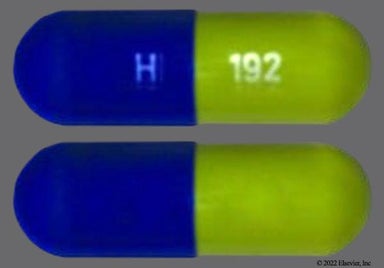
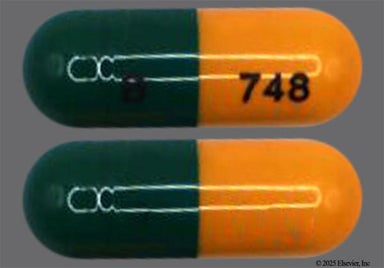
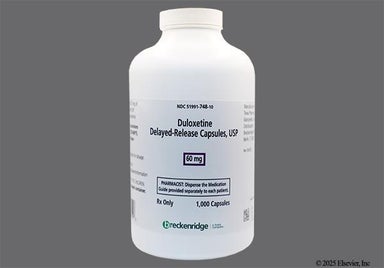
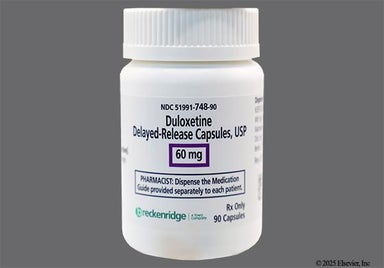
Prescription savings
Stop paying too much for your prescriptions. Compare prices, get pharmacy coupons, and save up to 80%. Find expert answers to your health questions so you can make the best decisions for yourself and your family.
Health conditions
Medications & treatment
Access & affordability
 Our monthly healthcare membership can help you save thousands on your prescription costs.
Resources

For depression and anxiety, some people might start to feel improvements in their mood after 1 to 2 weeks of taking Cymbalta. In general, it can take up to 2 months to feel the full effect of antidepressants on mood. For fibromyagia, studies showed that some people had pain relief as early as the first week of taking the medication. But it can still take a few months to notice full benefit for chronic pain. Keep taking Cymbalta every day, even if you don't feel better right away. Talk to your prescriber if you don't feel the medication is helping your mood or pain. They can help find other options.
It might be possible. Some people might gain a small amount of weight while taking Cymbalta. Weight gain might be more likely with higher doses (e.g., 120 mg per day) or with longer treatment (e.g., more than 1 year). Keep in mind that some people might also lose weight, typically when they first start the medication. If you notice weight changes that worry you after starting Cymbalta, talk to your prescriber. They can help you find ways to manage your weight.
Yes, Cymbalta can cause withdrawal symptoms if you stop it suddenly or lower the dose too fast. These symptoms can be very uncomfortable. They can include muscle aches, headache, dizziness, upset stomach, nausea, trouble sleeping, and anxiety. Don't lower your dose or stop the medication on your own. Talk to your prescriber first to make sure it's the right choice for you. If it is, they'll help lower your dose slowly. This helps lower the risk of withdrawal symptoms and keep you safe.
Cymbalta doesn't interact with any foods. But it's a good idea to avoid some types of foods while you're taking this medication. Avoid alcohol because it can worsen side effects like sleepiness, dizziness, and sometimes sexual problems. In addition, alcohol can make depression or anxiety worse. If the medication makes you nauseous, try to avoid spicy or greasy foods because they can upset your stomach. Ask your care team about what foods or drinks are best to avoid while taking Cymbalta.
No. Cymbalta isn't a controlled substance. It isn't known to have a risk of misuse and dependence.
Drinking alcohol isn't recommended while you're taking Cymbalta. This medication can cause side effects like nausea, drowsiness, and dizziness. Alcohol can make these side effects more likely or more severe. Also, alcohol and Cymbalta can affect your liver health on their own. So mixing alcohol with the mediation can raise your risk of liver damage. The risk is especially high if you have multiple drinks at a time or drink heavily. Talk to your prescriber about your drinking habits. They can check that Cymbalta is safe for you and make sure you take it in a safe way.
If you're pregnant or thinking about becoming pregnant, talk to your prescriber. They can help you choose the safest option for you and your baby. The American College of Obstetricians and Gynecologists recommend SNRIs like Cymbalta if you can't take SSRIs like sertraline (Zoloft). This is because there's less information about how safe Cymbalta is during pregnancy. Research is slightly mixed. Your prescriber can explain the risks and benefits of taking this medication while pregnant.
Cymbalta and escitalopram (Lexapro) are both antidepressants but have some key differences. They can both treat depression and anxiety. But Cymbalta can also help with some types of chronic pain, such as fibromyalgia and nerve pain from diabetes. They also belong to different drug classes and work a little differently in the brain. Cymbalta is an SNRI, whereas escitalopram (Lexapro) is an SSRI. Both can cause side effects like nausea, headache, and sexual problems. But SNRIs like Cymbalta might be more likely to cause dry mouth. It might also cause changes in blood pressure. Talk to your prescriber to help you compare the two and choose the best option for you.
