


Drug Rashes: 7 Medications That Can Cause Skin Reactions
Drug rashes are skin reactions that can occur in response to antibiotics and other medications. Learn which meds may cause a rash and how to spot the symptoms.
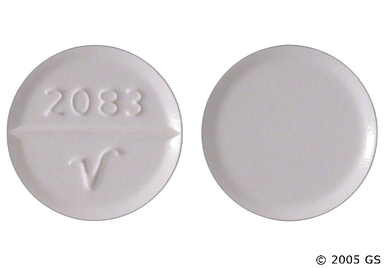
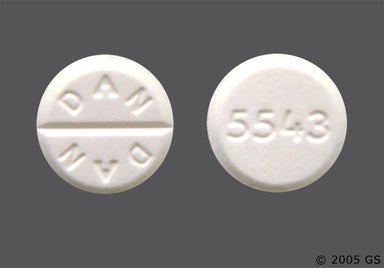
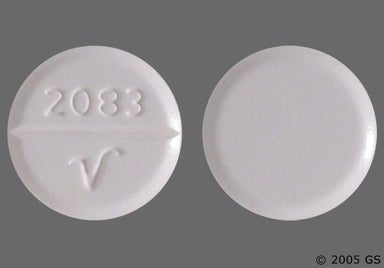
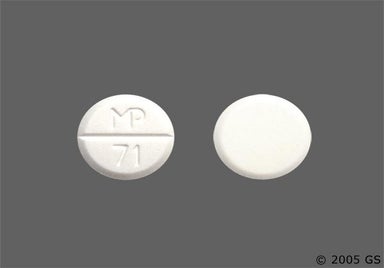
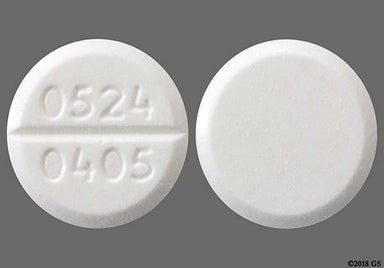
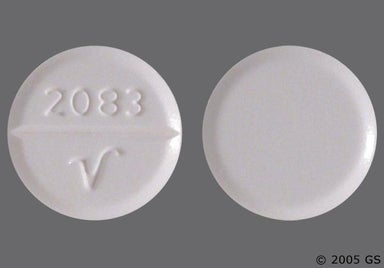
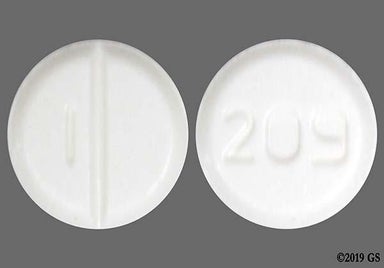
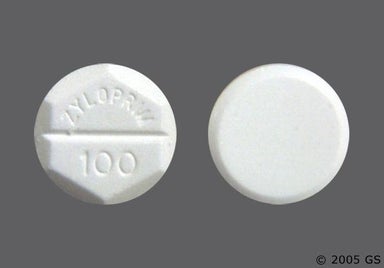
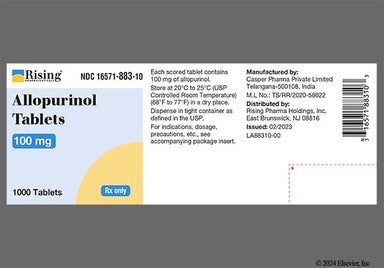
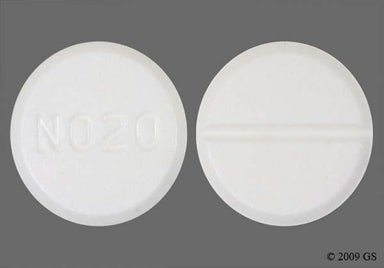
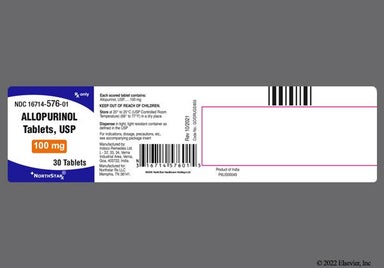
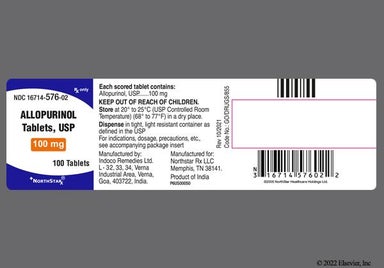
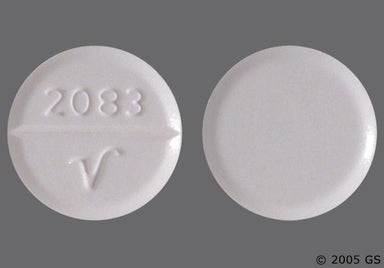
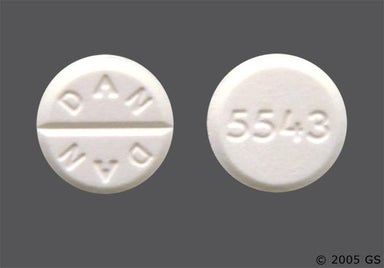
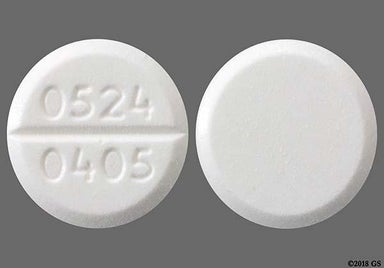
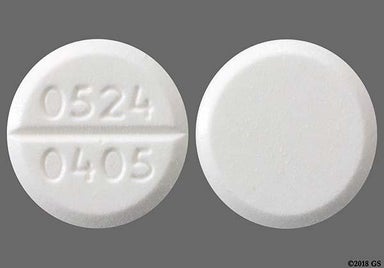
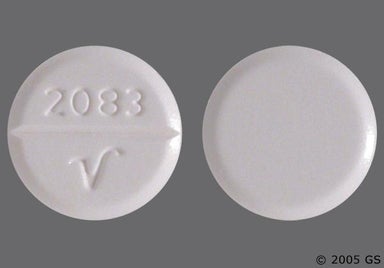
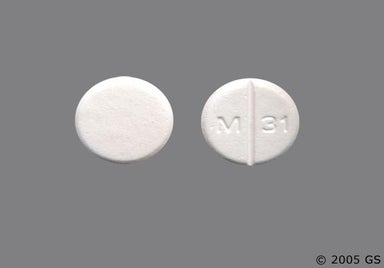
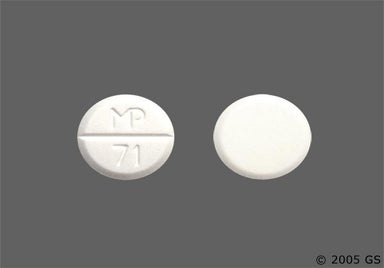
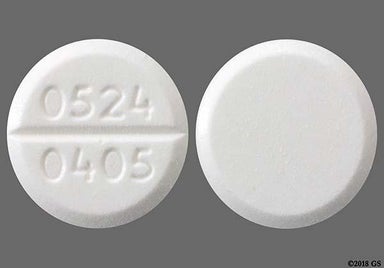
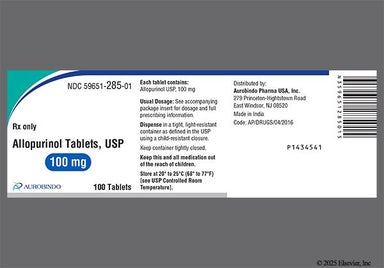
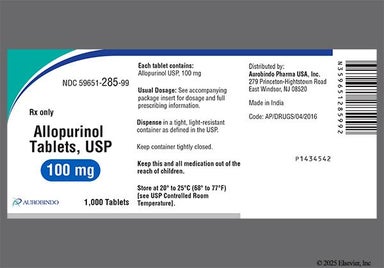
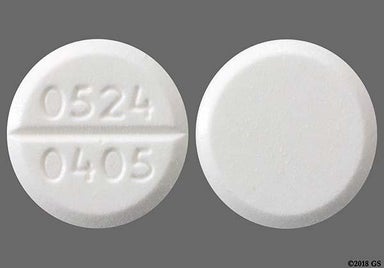
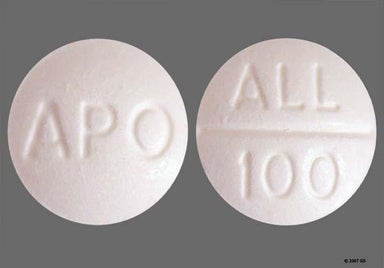
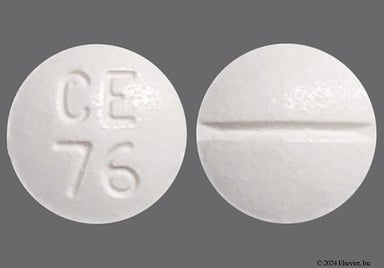
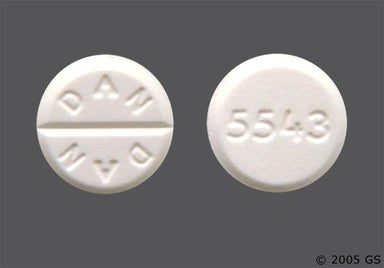
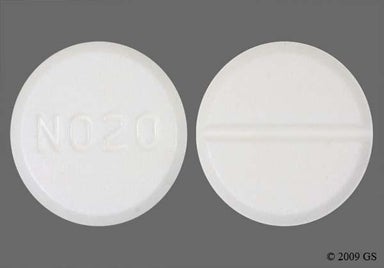
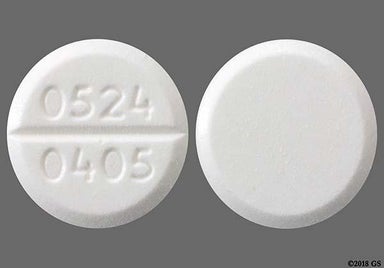
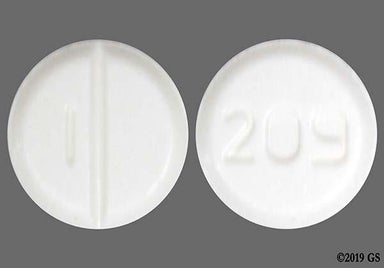
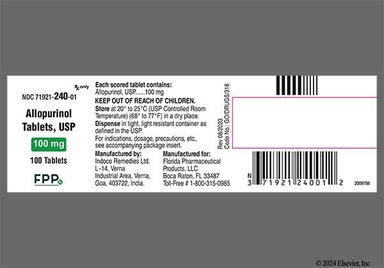
Allopurinol (Zyloprim) is a xanthine oxidase inhibitor that lowers uric acid levels in the body. It's used to treat gout in adults. This prescription medication can also prevent recurrent calcium oxalate kidney stones in adults. In addition, allopurinol (Zyloprim) helps prevent tumor lysis syndrome in people with cancer who are taking certain chemotherapy (cancer medications). Allopurinol (Zyloprim) is a lower-cost generic tablet that's taken by mouth. Side effects are generally mild but can include diarrhea and nausea.

Allopurinol (Zyloprim) is a xanthine oxidase inhibitor. It works by stopping an enzyme (protein) called xanthine oxidase from making uric acid.
By keeping uric acid levels low, allopurinol (Zyloprim) helps improve gout symptoms like joint pain and damage. Keeping uric acid levels low also prevents kidney stones as well as complications of tumor lysis syndrome due to certain chemotherapy.
| Common Brands | Zyloprim |
|---|---|
| Drug Class | Antigout |
| Controlled Substance Classification | Not a controlled medication |
| Generic Status | Lower-cost generic available |
| Availability | Prescription only |

The following side effects may get better over time as your body gets used to the medication. Let your healthcare provider know immediately if you continue to experience these symptoms or if they worsen over time.
Contact your healthcare provider immediately if you experience any of the following.
Along with its needed effects, a medicine may cause some unwanted effects. Although not all of these side effects may occur, if they do occur they may need medical attention.
Check with your doctor immediately if any of the following side effects occur:
More common
Ankle, knee, or great toe joint pain
joint stiffness or swelling
rash
rash with flat lesions or small raised lesions on the skin
Rare
Agitation
ammonia-like breath odor
bleeding gums
blistering, peeling, or loosening of the skin
blood in the urine or stools
bloody nose
bloody or black, tarry stools
blue or pale skin
bruising
changes in skin color
chest pain or discomfort
chest pain, possibly moving to the left arm, neck, or shoulder
chills
clay-colored stools
cloudy urine
confusion
coughing up blood
cracks in the skin
dark urine
decreased awareness or responsiveness
decreased urine output
difficulty with breathing
dizziness
drowsiness
feeling of warmth or heat
flushing or redness of the skin, especially on the face and neck
general feeling of discomfort or illness
headache
hives or welts, itching, skin rash
hoarseness
hostility
incoherent speech
increased urination
irritability
joint or muscle pain
large, flat, blue or purplish patches in the skin
light-colored stools
loss of appetite
loss of consciousness
loss of heat from the body
lower back or side pain
metallic taste
muscle twitching
muscle weakness
noisy breathing
pain, tenderness, or swelling of the foot or leg
painful or difficult urination
pinpoint red or purple spots on the skin
rapid weight gain
red, irritated eyes
red, swollen skin
redness, soreness, or itching skin
right upper abdominal or stomach pain and fullness
seizures
severe sleepiness
severe stomach pain
slow or irregular heartbeat
sores, ulcers, or white spots on the lips or in the mouth
sores, welting, or blisters
stomach pain
sweating
swelling of the face, ankles, hands, or lower legs
swollen or painful glands
swollen, painful, or tender lymph glands in the neck, armpit, or groin
thirst
tightness in the chest
unpleasant breath odor
unusual bleeding or bruising
unusual drowsiness, dullness, tiredness, weakness, or feeling of sluggishness
unusual weight gain or loss
vomiting
vomiting of blood or material that looks like coffee grounds
yellow eyes or skin
Some side effects may occur that usually do not need medical attention. These side effects may go away during treatment as your body adjusts to the medicine. Also, your health care professional may be able to tell you about ways to prevent or reduce some of these side effects. Check with your health care professional if any of the following side effects continue or are bothersome or if you have any questions about them:
Rare
Bad, unusual, or unpleasant (after) taste
blindness
blue-yellow color blindness
blurred vision
body aches or pain
burning feeling in the chest or stomach
burning, crawling, itching, numbness, prickling, "pins and needles", or tingling feelings
burning, dry, or itching eyes
change in taste
change in vision
congestion
continuing ringing or buzzing or other unexplained noise in the ears
decreased interest in sexual intercourse
decreased vision
difficulty with moving
discharge or excessive tearing
feeling of constant movement of self or surroundings
hair loss or thinning of the hair
hearing loss
impaired vision
inability to have or keep an erection
indigestion
lack or loss of strength
loss in sexual ability, desire, drive, or performance
loss of appetite
loss of memory
multiple swollen and inflamed skin lesions
muscle pain, cramps, or stiffness
muscular pain, tenderness, wasting, or weakness
problems with memory
redness, pain, or swelling of the eye, eyelid, or inner lining of the eyelid
sensation of spinning
sensitivity to light
sleepiness or unusual drowsiness
stomach upset
sweating
swelling of the breasts or breast soreness in both females and males
swelling of the salivary glands
swelling or inflammation of the mouth
tearing
tender, swollen glands in the neck
tenderness in the stomach area
throbbing pain
trouble getting pregnant
trouble with sleeping
trouble with swallowing
unsteadiness or awkwardness
voice changes
weakness in the arms, hands, legs, or feet
Other side effects not listed may also occur in some patients. If you notice any other effects, check with your healthcare professional.
Call your doctor for medical advice about side effects. You may report side effects to the FDA at 1-800-FDA-1088.




Allopurinol (Zyloprim) can cause some serious health issues. This risk may be even higher for certain groups. If this worries you, talk to your doctor or pharmacist about other options.
Although rare, allopurinol (Zyloprim) can cause severe and life-threatening skin reactions. These skin reactions can include Stevens-Johnson syndrome (SJS), toxic epidermal necrolysis (TEN), and drug reaction with eosinophilia and systemic symptoms (DRESS). The risk appears to be highest in the first few months of treatment.
Your prescriber might run some tests to check whether you have a gene called HLA-B 58:01 if you're of African or Asian descent. People of African or Asian descent are more likely to carry this gene, and the gene raises the risk for these reactions. Allopurinol (Zyloprim) isn't recommended if you have the HLA-B 58:01 gene, unless the benefits outweigh the risks.
Stop allopurinol (Zyloprim) and get medical attention right away if you notice a rash, other unusual changes in your skin (e.g., painful blisters, skin reddening, skin peeling), fever, or swollen lymph nodes.
It's possible to have more gout flares within the first several months of starting allopurinol (Zyloprim). Gout flares can happen because the medication quickly lowers your uric acid levels. And these changes in uric acid levels can irritate your joints and lead to inflammation.
Your HCP might prescribe another medication, such as colchicine (Colcrys), for you to take with allopurinol (Zyloprim) to help prevent gout attacks. Let your prescriber know if you experience any gout attacks after you start allopurinol (Zyloprim).
People who take allopurinol (Zyloprim) can develop kidney stones. Sometimes, these kidney stones can lead to kidney injury. The risk might be higher for people who already have kidney problems or who've had kidney stones before.
Stay hydrated and drink at least 2 liters of fluid per day. This helps your body get rid of more uric acid and prevents kidney stones from forming. Also try avoiding foods that can raise your risk for kidney stones. Get medical help if you have severe sharp pain towards your side and back, nausea, vomiting, or pain or burning when urinating. These might be signs of a kidney stone.
Allopurinol (Zyloprim) might cause liver damage, but it tends to be reversible when the medication is stopped. This effect is usually mild but can be dangerous in rare cases. Your prescriber will periodically check the liver enzyme levels in your blood to make sure your liver is working properly during treatment if you already have liver problems. Call your prescriber if you start having low or no appetite, weight loss, itching, or yellowing of the skin or eyes; you'll need to get checked for liver damage.
Although rare, some people who took allopurinol (Zyloprim) had low blood cell counts. This means that they had a drop in the number of red blood cells, white blood cells, or platelets in their blood. Low blood cell counts can happen as early as a month and up to several years after starting this medication. Having low blood cell counts can put you at risk for anemia, infections, and easy bleeding or bruising.
Your prescriber might measure your complete blood count (CBC) during treatment with allopurinol (Zyloprim) to make sure your blood cell counts don't get too low. Contact your prescriber if you have any symptoms of low blood cell counts, such as fever, shortness of breath, chills, weakness, and unusual bruising or bleeding.
Some people can feel very dizzy or sleepy after they take allopurinol (Zyloprim). Dizziness and sleepiness can affect your ability to think, react, and focus. You're at higher risk for these side effects if you're also taking other medications that can cause drowsiness, such as benzodiazepines, muscle relaxants, and sleep medications.
Make sure you know how allopurinol (Zyloprim) affects you when you first start treatment or when your dose changes before driving a car or doing activities that require your concentration. Talk to your healthcare team if you feel too dizzy or sleepy from taking this medication.

 Tablet
| Dosage | Quantity | Price as low as | Price per unit |
|---|---|---|---|
| 100mg | 30 tablets | $9.39 | $0.31 |
| 300mg | 90 tablets | $19.80 | $0.22 |
| 200mg | 90 tablets | $135.98 | $1.51 |
In general, the dose can be taken once a day. It can also be split into smaller doses throughout the day, especially if the dose is more than 300 mg and if specifically instructed for your condition.
Your dose will be adjusted depending on your uric acid levels and the severity of your condition. It can also differ if you have kidney problems.
The maximum daily dose is 800 mg.

Although certain medicines should not be used together at all, in other cases two different medicines may be used together even if an interaction might occur. In these cases, your doctor may want to change the dose, or other precautions may be necessary. When you are taking this medicine, it is especially important that your healthcare professional know if you are taking any of the medicines listed below. The following interactions have been selected on the basis of their potential significance and are not necessarily all-inclusive.
Using this medicine with any of the following medicines is not recommended. Your doctor may decide not to treat you with this medication or change some of the other medicines you take.
Using this medicine with any of the following medicines is usually not recommended, but may be required in some cases. If both medicines are prescribed together, your doctor may change the dose or how often you use one or both of the medicines.
Using this medicine with any of the following medicines may cause an increased risk of certain side effects, but using both drugs may be the best treatment for you. If both medicines are prescribed together, your doctor may change the dose or how often you use one or both of the medicines.











Prescription savings
Stop paying too much for your prescriptions. Compare prices, get pharmacy coupons, and save up to 80%. Find expert answers to your health questions so you can make the best decisions for yourself and your family.
Health conditions
Medications & treatment
Access & affordability
Medication discounts


Allopurinol doesn't appear to make you gain weight. This wasn't a side effect that people who took the medication reported during clinical studies. Contact your primary care provider if you've had concerning weight gain after starting Allopurinol. Your primary care provider can help evaluate you for other potential causes for the weight gain.
It's not recommended to drink alcohol while you're taking Allopurinol. Alcohol can raise your risk for side effects like sleepiness, dizziness, and liver damage. Additionally, drinking alcohol raises your risk for gout flares. Speak with a healthcare professional (HCP) about your drinking habits and whether Allopurinol is safe and appropriate for you.
Several medications can interact with Allopurinol and raise your risk for side effects. But most times, you don't need to completely avoid taking them; you just might need to follow up with a healthcare professional (HCP) more often. For example, Allopurinol can enhance the effects of the blood thinner warfarin (Coumadin) and raise your bleeding risk. You might need to get your INR checked more often to see whether your warfarin (Coumadin) dose needs to be lowered. Also, thiazide diuretics (water pills) and penicillin antibiotics, like amoxicillin, can raise the risk of serious skin reactions from the gout medication. Get medical help right away if you have a rash while you're taking Allopurinol with these medications. Tell your HCP and pharmacist about all your medications so they're aware of any possible drug interactions with Allopurinol.
There's a risk that Allopurinol can trigger an acute gout attack after you start the medication. One possible explanation could be that the medication suddenly lowers uric acid levels. As the uric acid crystals dissolve, it can irritate your joints and lead to inflammation. Let your healthcare team know if you have a gout attack while you're taking Allopurinol. They can give recommendations on whether you should continue this medication. Speak with your prescriber if you have questions about the risk for gout attacks while you’re taking Allopurinol.
Yes, you can take Allopurinol and colchicine (Colcrys) together if they're both prescribed to you. The two medications work differently and have different roles in treating gout. Allopurinol works to lower uric acid levels, whereas colchicine (Colcrys) lowers inflammation to prevent gout attacks. Your healthcare professional (HCP) might prescribe colchicine (Colcrys) to help prevent gout attacks that might happen when you first start Allopurinol. Ask your HCP if you have more questions about how the two medications compare.
Allopurinol and colchicine (Colcrys) are two different medications that are used for gout. Allopurinol lowers uric acid levels, whereas colchicine (Colcrys) lowers inflammation to help treat symptoms of gout like pain and swelling. Additionally, both medications are used long-term for preventing gout attacks, but colchicine (Colcrys) can also treat gout attacks when they happen. Depending on your symptoms and your condition, it's possible that you might need to take both Allopurinol and colchicine (Colcrys).
Allopurinol and febuxostat (Uloric) both belong to the drug class called xanthine oxidase inhibitors. They help treat gout by lowering uric acid levels in the body. But febuxostat (Uloric) is typically used when someone can't take Allopurinol for some reason or when Allopurinol hasn't worked well enough. Besides gout, only Allopurinol can also be used to prevent complications of tumor lysis syndrome from chemotherapy (cancer medications) and to prevent recurrent calcium oxalate kidney stones. Discuss with a healthcare professional (HCP) if you have more questions about the differences between the two medications.
