



How Does Januvia Affect Your Kidneys?
Januvia is a Type 2 diabetes medication that is generally well-tolerated, though some have reported kidney-related side effects.
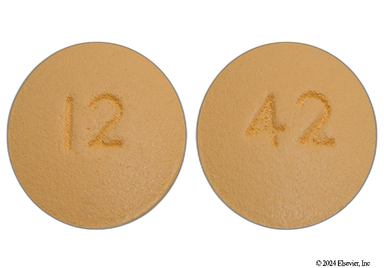
Zituvio (sitagliptin) is a prescription medication that's used to treat Type 2 diabetes in adults. It's taken in addition to having a nutritious diet and exercising. Zituvio (sitagliptin) is a dipeptidyl peptidase-4 (DPP-4) inhibitor, also known as a gliptin. It helps your body make more insulin and less sugar. Zituvio (sitagliptin) is available as a tablet that's taken by mouth once daily. Common side effects are stuffy or runny nose and headache.

Typically, your body controls your blood sugar levels by releasing certain hormones. These hormones tell your body to make more insulin and to produce less sugar. But a protein called dipeptidyl peptidase-4 (DPP-4) breaks down these hormones. This causes your blood sugar levels to go up.
Zituvio (sitagliptin) is a DPP-4 inhibitor, which means that it blocks the action of DPP-4. It allows insulin to stick around longer in your body and tells your body to make less sugar. These actions lower your blood sugar levels.
| Common Brands | Zituvio |
|---|---|
| Drug Class | DDP-4 inhibitor |
| Controlled Substance Classification | Not a controlled medication |
| Generic Status | No lower-cost generic available |
| Availability | Prescription only |

The following side effects may get better over time as your body gets used to the medication. Let your healthcare provider know immediately if you continue to experience these symptoms or if they worsen over time.
Contact your healthcare provider immediately if you experience any of the following.
Along with its needed effects, a medicine may cause some unwanted effects. Although not all of these side effects may occur, if they do occur they may need medical attention.
Check with your doctor immediately if any of the following side effects occur:
Less common
blurred vision
chills
cold sweats
confusion
cool, pale skin
dizziness
fast heartbeat
headache
increased hunger
loss of consciousness
nightmares
seizures
shakiness
slurred speech
unusual tiredness or weakness
Incidence not known
Blistering, peeling, loosening of the skin
hives or welts, itching, or skin rash
large, hive-like swelling on the face, eyelids, lips, tongue, throat, hands, legs, feet, or sex organs
loss of appetite
pains in the stomach, side, or abdomen, possibly radiating to the back
puffiness or swelling of the eyelids or around the eyes, face, lips, or tongue
red skin lesions, often with a purple center
redness of the skin
severe joint pain
sores, ulcers, or white spots in the mouth or on the lips
vomiting
Some side effects may occur that usually do not need medical attention. These side effects may go away during treatment as your body adjusts to the medicine. Also, your health care professional may be able to tell you about ways to prevent or reduce some of these side effects. Check with your health care professional if any of the following side effects continue or are bothersome or if you have any questions about them:
More common
Body aches or pain
difficulty with breathing
ear congestion
loss of voice
muscle aches
stuffy or runny nose
Other side effects not listed may also occur in some patients. If you notice any other effects, check with your healthcare professional.
Call your doctor for medical advice about side effects. You may report side effects to the FDA at 1-800-FDA-1088.




Zituvio (sitagliptin) can cause some serious health issues. This risk may be even higher for certain groups. If this worries you, talk to your doctor or pharmacist about other options.
Although rare, some people who took Zituvio (sitagliptin) developed inflammation in their pancreas (pancreatitis). It's not known whether people who already have problems with their pancreas are at higher risk during treatment. Stop taking Zituvio (sitagliptin) and let your primary care provider know right away if you have symptoms of an inflamed pancreas, such as pain in the upper stomach, fever, nausea, and vomiting.
Some clinical studies suggest that there might be a link between treatment with a DPP-4 inhibitor like Zituvio (sitagliptin) and heart failure. But it's unclear whether Zituvio (sitagliptin) specifically carries this same risk.
To be safe, tell your primary care provider if you have medical conditions that raise your risk for heart failure, including heart or kidney problems. Get medical help right away if you have any symptoms related to heart failure, such as trouble breathing, tiredness, swelling in the legs or belly, or sudden weight gain.
Some people who took Zituvio (sitagliptin) developed sudden kidney injury, which at times required dialysis. Your primary care provider might order blood work before you start treatment and while you take Zituvio (sitagliptin) to check your kidney health, especially if you already have kidney problems. You might need to stop taking this medication if you develop any kidney problems during treatment. Talk with your primary care provider if you're urinating less than usual while you're taking Zituvio (sitagliptin).
Rarely, Zituvio (sitagliptin) can cause serious allergic reactions, such as rash, peeling or blistering skin, swelling, trouble breathing, and dizziness. This is more likely to happen within the first three months after starting this medication. Stop taking Zituvio (sitagliptin) and get medical care right away if you have an allergic reaction to the medication.
Tell your primary care provider if you've had an allergic reaction to other DPP-4 inhibitors or "gliptins", such as Tradjenta (linagliptin). Though unclear, it's possible that you might have an allergic reaction to taking Zituvio (sitagliptin) as well. Watch out for an allergic reaction while you're taking Zituvio (sitagliptin) and get medical help right away if you have a reaction to the medication.
Some people who've taken diabetes medications similar to Zituvio (sitagliptin) have experienced severe joint pain. This joint pain can happen anytime from a day to many years after starting the medication. For most people, the pain goes away after they stop the medication. Speak to your primary care provider if you have any discomfort in your joints.
Some people taking Zituvio (sitagliptin) have had an itchy, blistering rash called bullous pemphigoid). Typically, the blisters or sores go away with appropriate treatment and once you stop taking the medication. Talk to your care team right away and stop taking Zituvio (sitagliptin) if you have itchy skin, rash with blisters, or sores.


Although certain medicines should not be used together at all, in other cases two different medicines may be used together even if an interaction might occur. In these cases, your doctor may want to change the dose, or other precautions may be necessary. When you are taking this medicine, it is especially important that your healthcare professional know if you are taking any of the medicines listed below. The following interactions have been selected on the basis of their potential significance and are not necessarily all-inclusive.
Using this medicine with any of the following medicines is usually not recommended, but may be required in some cases. If both medicines are prescribed together, your doctor may change the dose or how often you use one or both of the medicines.
Using this medicine with any of the following medicines may cause an increased risk of certain side effects, but using both drugs may be the best treatment for you. If both medicines are prescribed together, your doctor may change the dose or how often you use one or both of the medicines.




Prescription savings
Stop paying too much for your prescriptions. Compare prices, get pharmacy coupons, and save up to 80%. Find expert answers to your health questions so you can make the best decisions for yourself and your family.
Health conditions
Medications & treatment
Access & affordability
Medication discounts


No, Zituvio doesn't depend on your meal schedule. You can take this medication with or without food, as long as you take it the same time every day. This is because food doesn't affect how well Zituvio works for you.
Taking Zituvio every day helps make sure there's a consistent amount of medication in the body to control your blood sugar levels well. But once you stop taking Zituvio, it can take up to 3 days for most of the medication to leave your body. This time frame is estimated based on the half-life of Zituvio, which is a measure of the time it takes for the body to get rid of the medication from its system. Keep in mind that this time frame can also depend on your health conditions and genetics, so it can be different for each individual person.
Zituvio on its own isn't known to cause changes in body weight. But you might be prescribed Zituvio along with other diabetes medications that might affect weight to help control your blood sugar levels better. For example, medications such as glipizide and pioglitazone (Actos) can cause weight gain. But other medications, such as Jardiance (empagliflozin) and metformin, can have an additional benefit of weight loss. Talk with your primary care provider if you have more questions about how blood sugar medications might affect your body weight.
Zituvio and Januvia are both medications that contain the active ingredient sitagliptin. They're both medications that are used to treat Type 2 diabetes in adults. The main difference is that the two medications have different brand names and are made by different pharmaceutical companies: Zituvio is made by Zydus Lifesciences, and Januvia is made by Merck. The American Diabetes Association doesn't recommend one brand name over another when it comes to treating Type 2 diabetes.
Some batches of products containing sitagliptin were recalled in 2022. These batches contained chemical impurities that could potentially raise the risk of cancer in people who are exposed to high levels over a longer period of time. Since then, the FDA has continued to provide quality checks for these chemical impurities in medications, including Zituvio, to make sure it's safe for you to take. Talk to your care team for more information if you're concerned about taking Zituvio or the recall.
