





Lotrel, Hyzaar, and More: 12 Combination Blood Pressure Medications (Plus Ways to Save)
Combination blood pressure medications, such as Lotrel and Ziac, can help you simplify your routine by reducing the number of pills you take every day.
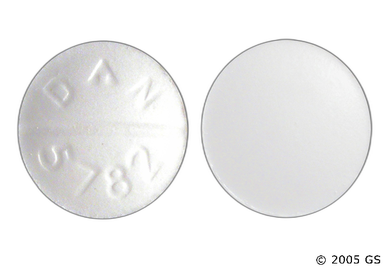
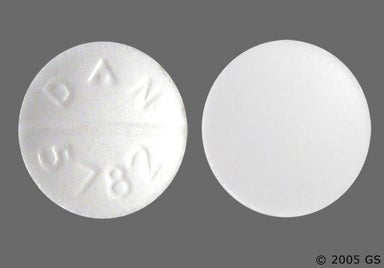
Tenoretic (atenolol / chlorthalidone) is used to lower blood pressure in adults. It's a combination of two types of blood pressure medications: a beta blocker (atenolol) and a diuretic (chlorthalidone). The tablet is taken by mouth once daily. Side effects, like dizziness and tiredness, are usually mild and they get better over time. Tenoretic (atenolol / chlorthalidone) is available as a brand-name and generic medication.

Tenoretic (atenolol / chlorthalidone) is a combination of two different medications that both help lower blood pressure.
| Common Brands | Tenoretic |
|---|---|
| Drug Class | Beta blocker / Diuretic (water pill) |
| Controlled Substance Classification | Not a controlled medication |
| Generic Status | Lower-cost generic available |
| Availability | Prescription only |

The following side effects may get better over time as your body gets used to the medication. Let your healthcare provider know immediately if you continue to experience these symptoms or if they worsen over time.
Note: The side effects of Tenoretic are similar to those of its two individual medications (atenolol and chlorthalidone).
Contact your healthcare provider immediately if you experience any of the following.
Along with its needed effects, a medicine may cause some unwanted effects. Although not all of these side effects may occur, if they do occur they may need medical attention.
Check with your doctor immediately if any of the following side effects occur:
Less common
Chest pain or discomfort
chills
cold sweats
confusion
dizziness, faintness, or lightheadedness when getting up from lying or sitting position
leg pain
lightheadedness, dizziness, or fainting
slow or irregular heartbeat
unusual tiredness or weakness
Incidence not determined
Black, tarry stools
bleeding gums
blood in urine or stools
feeling that others are watching you or controlling your behavior
feeling that others can hear your thoughts
general feeling of discomfort, illness, or weakness
paleness or cold feeling in fingertips and toes
pinpoint red spots on skin
seeing, hearing, or feeling things that are not there
severe mood or mental changes
skin irritation or rash, including rash that looks like psoriasis
tingling or pain in fingers or toes when exposed to cold
unusual behavior
unusual bleeding or bruising
Get emergency help immediately if any of the following symptoms of overdose occur:
Some side effects may occur that usually do not need medical attention. These side effects may go away during treatment as your body adjusts to the medicine. Also, your health care professional may be able to tell you about ways to prevent or reduce some of these side effects. Check with your health care professional if any of the following side effects continue or are bothersome or if you have any questions about them:
More common
Discouragement
feeling sad or empty
irritability
lack of appetite
loss of interest or pleasure
tiredness
trouble concentrating
trouble sleeping
Less common
feeling of constant movement of self or surroundings
sensation of spinning
unusual drowsiness, dullness, or feeling of sluggishness
Incidence not determined
Decreased interest in sexual intercourse
disturbed color perception
double vision
hair loss, thinning of hair
halos around lights
headache
inability to have or keep an erection
loss in sexual ability, desire, drive, or performance
loss of vision
night blindness
overbright appearance of lights
pain of penis on erection
tunnel vision
Other side effects not listed may also occur in some patients. If you notice any other effects, check with your healthcare professional.
Call your doctor for medical advice about side effects. You may report side effects to the FDA at 1-800-FDA-1088.




Tenoretic (atenolol / chlorthalidone) can cause some serious health issues. This risk may be even higher for certain groups. If this worries you, talk to your doctor or pharmacist about other options.
Don’t stop taking Tenoretic (atenolol / chlorthalidone) suddenly. It can raise your risk of serious heart problems, like chest pain or heart attack.
Get medical help right away if you have chest tightness, chest pain that spreads to your arms and neck, shortness of breath, dizziness, and fatigue. These can be signs of serious heart problems.
If you need to stop taking Tenoretic (atenolol / chlorthalidone) for any reason, talk to your prescriber first. They can help lower your dose safely over about a week or so before stopping completely.
In some cases, Tenoretic (atenolol / chlorthalidone) might raise the risk of heart failure. This is because beta blockers (like the atenolol in Tenoretic) can slow down your heart. This can cause your heart muscle to pump less often. If you already have heart failure, your healthcare professional (HCP) will only prescribe this medication if they believe the benefits outweigh the risks. They might follow up with you more often during treatment.
Talk to your HCP if you notice signs of heart failure. Watch for swelling in your feet or ankles, fast or irregular pulse, or shortness of breath when you lie down.
Let your prescriber know if you're taking any calcium channel blockers, like verapamil or diltiazem (Cardizem). Taking these medications with Tenoretic (atenolol / chlorthalidone) can slow your heartbeat or cause heart block, which can be dangerous. Share a list of all your medications with your prescriber so they can help check for interactions.
Tell your prescriber if you have any breathing problems, like asthma. Beta blocker medications, like Tenoretic (atenolol / chlorthalidone), can cause the airways in your lungs to tighten. This can make it harder to breathe for people with lung problems.
Tenoretic (atenolol / chlorthalidone) has a lower chance of causing breathing problems than some other beta blockers because atenolol mainly affects the heart. But you should still be aware of this risk. Keep a rescue inhaler nearby in case you have sudden trouble breathing if you have lung problems.
Your body gets rid of Tenoretic (atenolol / chlorthalidone) using your kidneys. If your kidneys aren't working well, more medication can build up in your body and lead to side effects. Additionally, Tenoretic (atenolol / chlorthalidone) can sometimes cause certain waste products to build up.
Let your HCP know if you have a history of kidney problems. They might check your kidney function more often. In some cases, they might need to adjust your dose of Tenoretic (atenolol / chlorthalidone) to keep you safe.
Tenoretic (atenolol / chlorthalidone) can make your body lose fluids. It can also cause changes to the levels of your electrolytes, like potassium, sodium, and chloride. Your risk might be higher if you have kidney problems. And if you have liver problems, small changes in fluid and electrolyte levels can raise your risk for liver complications.
Tell your care team if you have dry mouth, weakness, muscle cramps, tiredness, fast or irregular heart rate, nausea, or vomiting. These can be signs of abnormal electrolyte levels. Your HCP might have you get regular blood work to check your electrolyte levels while taking Tenoretic (atenolol / chlorthalidone).
There's a risk that the atenolol in Tenoretic can make it harder for you to notice signs of low blood sugar. Some signs, such as fast heartbeat, tremors, and irritability, might not be as noticeable. Sweating might be the only sign you have warning you of low blood sugar levels. This is especially important people with diabetes to know. Speak with your HCP about when and how to check your blood sugar if you start Tenoretic (atenolol / chlorthalidone).
If you have hyperthyroidism (too much thyroid hormone), talk to your HCP before stopping Tenoretic (atenolol / chlorthalidone). This medication can hide signs of hyperthyroidism, like a fast heart rate. Suddenly stopping the medication can worsen symptoms of hyperthyroidism. It can also lead to a serious condition called a "thyroid storm," which can cause high fever and rapid heartbeat.
The chlorthalidone component of Tenoretic can raise the uric acid levels in your body. This can sometimes lead to gout. Make sure to tell your prescriber if you've had a history of gout before starting this medication. They can tell you what signs to look out for, such as swollen, red, and painful joints.
Taking Tenoretic (atenolol / chlorthalidone) during pregnancy or while breastfeeding can possibly harm your baby. If you're pregnant, thinking of becoming pregnant, or breastfeeding, talk to your prescriber or obstetrician-gynecologist (OB-GYN) about the risks and benefits. They can help find a safer option for you.


Although certain medicines should not be used together at all, in other cases two different medicines may be used together even if an interaction might occur. In these cases, your doctor may want to change the dose, or other precautions may be necessary. When you are taking this medicine, it is especially important that your healthcare professional know if you are taking any of the medicines listed below. The following interactions have been selected on the basis of their potential significance and are not necessarily all-inclusive.
Using this medicine with any of the following medicines is usually not recommended, but may be required in some cases. If both medicines are prescribed together, your doctor may change the dose or how often you use one or both of the medicines.
Using this medicine with any of the following medicines may cause an increased risk of certain side effects, but using both drugs may be the best treatment for you. If both medicines are prescribed together, your doctor may change the dose or how often you use one or both of the medicines.


Contraindications are specific health conditions or situations in which a person should not take a medication due to safety concerns. If you have any of the following conditions or if any of the following apply to you, let your healthcare provider know because Tenoretic (atenolol / chlorthalidone) will not be safe for you to take.


Prescription savings
Stop paying too much for your prescriptions. Compare prices, get pharmacy coupons, and save up to 80%. Find expert answers to your health questions so you can make the best decisions for yourself and your family.
Health conditions
Medications & treatment
Access & affordability
 Our monthly healthcare membership can help you save thousands on your prescription costs.
Resources

No. Tenoretic isn't an angiotensin-converting enzyme (ACE) inhibitor. Instead, it contains a beta blocker and a thiazide diuretic (water pill). ACE inhibitors, beta blockers, and diuretics all help lower blood pressure. But they work in different ways.
Atenolol, one of the ingredients in Tenoretic, can start to lower heart rate within 1 hour. It reaches its strongest effect on heart rate in about 2 to 4 hours. Heart rate and blood pressure are closely linked. In general, most blood pressure medications take a few hours to lower blood pressure after you take them. But it can take a couple weeks of treatment to see a consistent reduction in blood pressure. Ask your prescriber if you have questions about how long it takes Tenoretic to lower your blood pressure.
Weight gain wasn't a reported side effect of Tenoretic during clinical studies. If you notice weight changes that concern you while taking this medication, talk to your healthcare professional. They can help you find out what's causing it and how to manage it.
The manufacturer doesn't say whether or not you can safely crush Tenoretic. Talk to your prescriber or pharmacist about what to do if you're having trouble swallowing the tablet whole.
It's recommended to avoid alcohol while you're taking Tenoretic. Alcohol can make blood pressure medications work less well. It can also raise your risk for side effects, like dizziness and stomach upset. Talk to a healthcare professional about your drinking habits while taking this medication.
Yes. This medication contains chlorthalidone, which is a diuretic (water pill). Diuretics can make you urinate more. This helps your body get rid of extra fluid (water) to lower your blood pressure. Taking Tenoretic during the day rather than at night can help you avoid waking up often to urinate.
It depends on the Mucinex product. Mucinex is a branded line of products. And each Mucinex product can have different ingredients in them. You can take Mucinex that only has guaifenesin with Tenoretic. It shouldn't affect your blood pressure or the way the medications work. But some Mucinex products contain pseudoephedrine, which can raise blood pressure. Check the label and ask a pharmacist if the ingredients are safe to take with your blood pressure medication.
If you're pregnant, thinking of becoming pregnant, or breastfeeding, talk to your prescriber or obstetrician-gynecologist (OB-GYN). Tenoretic can cause harm to an unborn baby, like growth problems, if taken during pregnancy. It can also pass into breast milk and slow your baby's heart rate if you're breastfeeding. Discuss the risks and benefits with your care team. They can help find safer options to manage blood pressure during pregnancy or while breastfeeding. If you become pregnant while taking Tenoretic, call your prescriber right away.
