guaifenesin
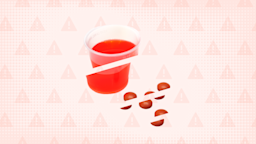
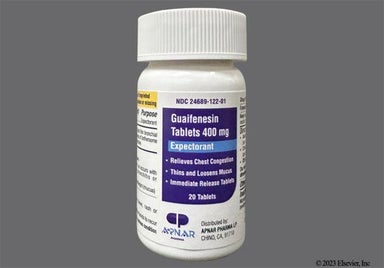
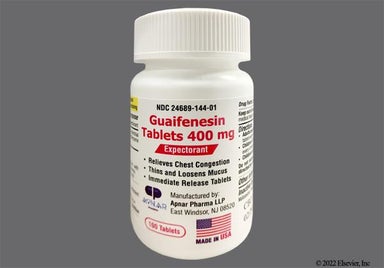
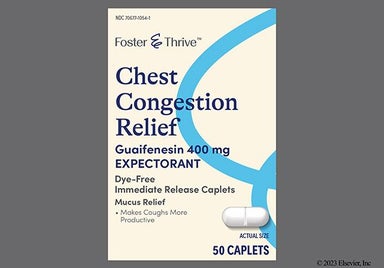
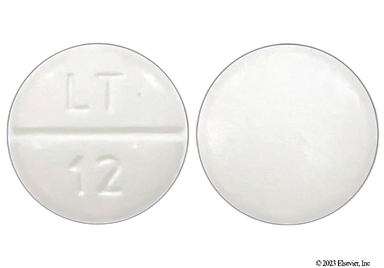
Guaifenesin is an expectorant used for wet cough. It helps loosen phlegm in the throat and chest so you can cough it up more easily. Guaifenesin is an immediate-release medication that's available as a tablet and liquid solution. It's taken by mouth, typically every 4 hours, by adults and children. Most people experience few to no side effects after taking this medication as directed. Guaifenesin can be found under multiple brands (e.g., Robafen, Geri-Tussin) and as a generic medication.
What is Guaifenesin?
What is Guaifenesin used for?
- Loosens and breaks up mucus in the airways (chest congestion)
How Guaifenesin works
Guaifenesin is an expectorant, meaning it loosens mucus in your airways by making it thinner. This makes it easier to cough out mucus and help clear chest congestion.
Drug facts
| Common Brands | Mucinex, Geri-Tussin, Children's Mucus Relief, Pharbinex, Robafen |
|---|---|
| Drug Class | Expectorant |
| Controlled Substance Classification | Not a controlled medication |
| Generic Status | Lower-cost generic available |
| Availability | Over-the-counter |
Side effects of Guaifenesin
The following side effects may get better over time as your body gets used to the medication. Let your healthcare provider know immediately if you continue to experience these symptoms or if they worsen over time.
Common Side Effects
Side effects aren't common. See Other Side Effects.
Less Common Side Effects
- Nausea
- Diarrhea
- Dizziness
- Headache
More on Guaifenesin side effects
The following Guaifenesin side effects have also been reported
Along with its needed effects, a medicine may cause some unwanted effects. Although not all of these side effects may occur, if they do occur they may need medical attention.
Some side effects may occur that usually do not need medical attention. These side effects may go away during treatment as your body adjusts to the medicine. Also, your health care professional may be able to tell you about ways to prevent or reduce some of these side effects. Check with your health care professional if any of the following side effects continue or are bothersome or if you have any questions about them:
Other side effects not listed may also occur in some patients. If you notice any other effects, check with your healthcare professional.
Call your doctor for medical advice about side effects. You may report side effects to the FDA at 1-800-FDA-1088.
Get your GoodRx coupon
Pros and cons of Guaifenesin
Pros
- Available over the counter
- Has very few side effects if used as directed
- Available as a tablet and oral liquid
Cons
- Might not work work well for dry coughs
- Not meant to be used long-term
- Found in many over-the-counter products, so you can accidentally take too much
Pharmacist tips for Guaifenesin
- If you have a cough that's caused by cigarette smoke, a cough that's linked to a breathing problem (e.g., asthma, emphysema), or a cough with a lot of mucus, let your primary care provider or pulmonologist know before taking guaifenesin. You might need more medical attention.

- Please talk with your primary care provider if your cough gets worse, comes back after clearing up, or lasts more than a week. Also, let them know if you also have a rash, fever, or headache. These might be signs of a more serious medical condition that can't be treated with guaifenesin.
- Store guaifenesin up and away and out of children's reach and sight. Always put medication away every time you use it. This prevents them from accidentally swallowing any medication that was left out. If you think that your child might’ve accidentally swallowed guaifenesin, call a Poison Center at 1-800-222-1222 right away even if you aren't completely sure.
- If your child is taking the guaifenesin oral solution, be sure to use a medication dose cup, spoon, or syringe to measure out your child's dose. Using household spoons might cause your child to take the wrong amount of guaifenesin.
- Don't give guaifenesin to a toddler under 4 years old) without speaking to a pediatrician first. Pediatricians might not recommend OTC cold medications to children younger than 4 years old. Instead, they might recommend home remedies, such as using a clean humidifier or cool mist vaporizer at home.
Risks and warnings for Guaifenesin
Guaifenesin can cause some serious health issues. This risk may be even higher for certain groups. If this worries you, talk to your doctor or pharmacist about other options.
Accidentally taking too much medication (overdose)
- Risk factors: Taking with other similar medications | Taking too many doses in a 24-hour period
Guaifenesin is an expectorant, which is found in many other over-the-counter products. Using more than one product containing the same ingredients can lead to an accidental overdose that can be dangerous.
If you're not sure whether you're taking a medication with guaifenesin in it, talk to your care team. To prevent an accidental overdose, follow the specific product instructions on the package carefully. If you think that you or your child might’ve accidentally taken too much guaifenesin, call a Poison Center at 1-800-222-1222 right away even if you aren't completely sure.
Guaifenesin dosage
Typical dosage for Guaifenesin
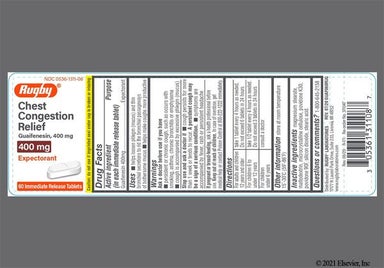
Guaifenesin tablets and solutions made by different manufacturers might have different directions, age limits, and strengths. It's important to follow the specific product instructions on the package or the directions given by your care team.
Some examples are listed below:
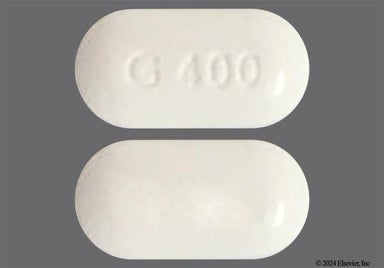
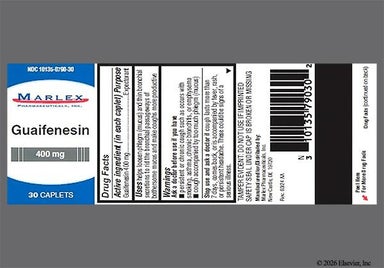
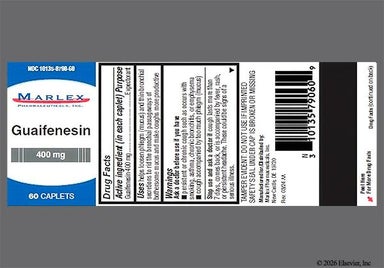
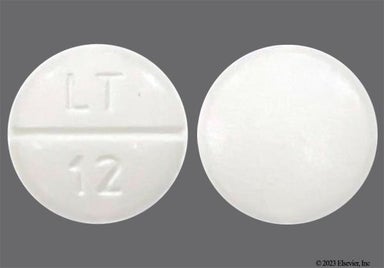
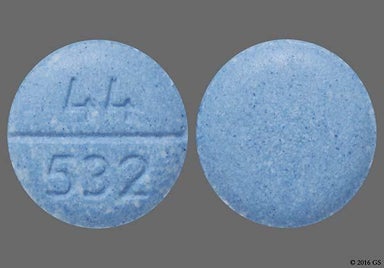
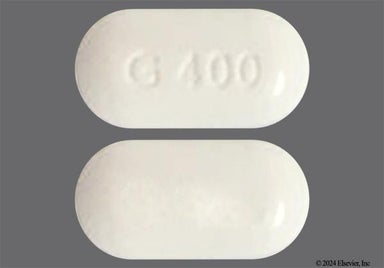
Generic 100 mg/5 mL solution, generic 200 mg tablets, generic 400 mg tablets
- Adults and children (ages 12 years and older): The typical dose is 200-400 mg by mouth every 4 hours. Don't take more than 6 doses (up to 2,400 mg) in a 24-hour period.
- Children (ages 6 to 11 years old): The typical dose is 100-200 mg by mouth every 4 hours. Don't take more than 6 doses (up to 1,200 mg) in a 24-hour period.
- Children (ages 2 to 5 years old): The typical dose is 50-100 mg by mouth every 4 hours. Don't take more than 6 doses (up to 600 mg) in a 24-hour period.
- Children under 2 years old: Ask your child's pediatrician.
Please note: Guaifenesin 200 mg tablets are only for people ages 6 years and older. Guaifenesin 400 mg tablets are only for people ages 12 years and older.
More on Guaifenesin dosage
Interactions between Guaifenesin and other drugs
Although certain medicines should not be used together at all, in other cases two different medicines may be used together even if an interaction might occur. In these cases, your doctor may want to change the dose, or other precautions may be necessary. Tell your healthcare professional if you are taking any other prescription or nonprescription (over-the-counter [OTC]) medicine.
How much does Guaifenesin cost?
$6.30
What are alternatives to Guaifenesin?
News about Guaifenesin