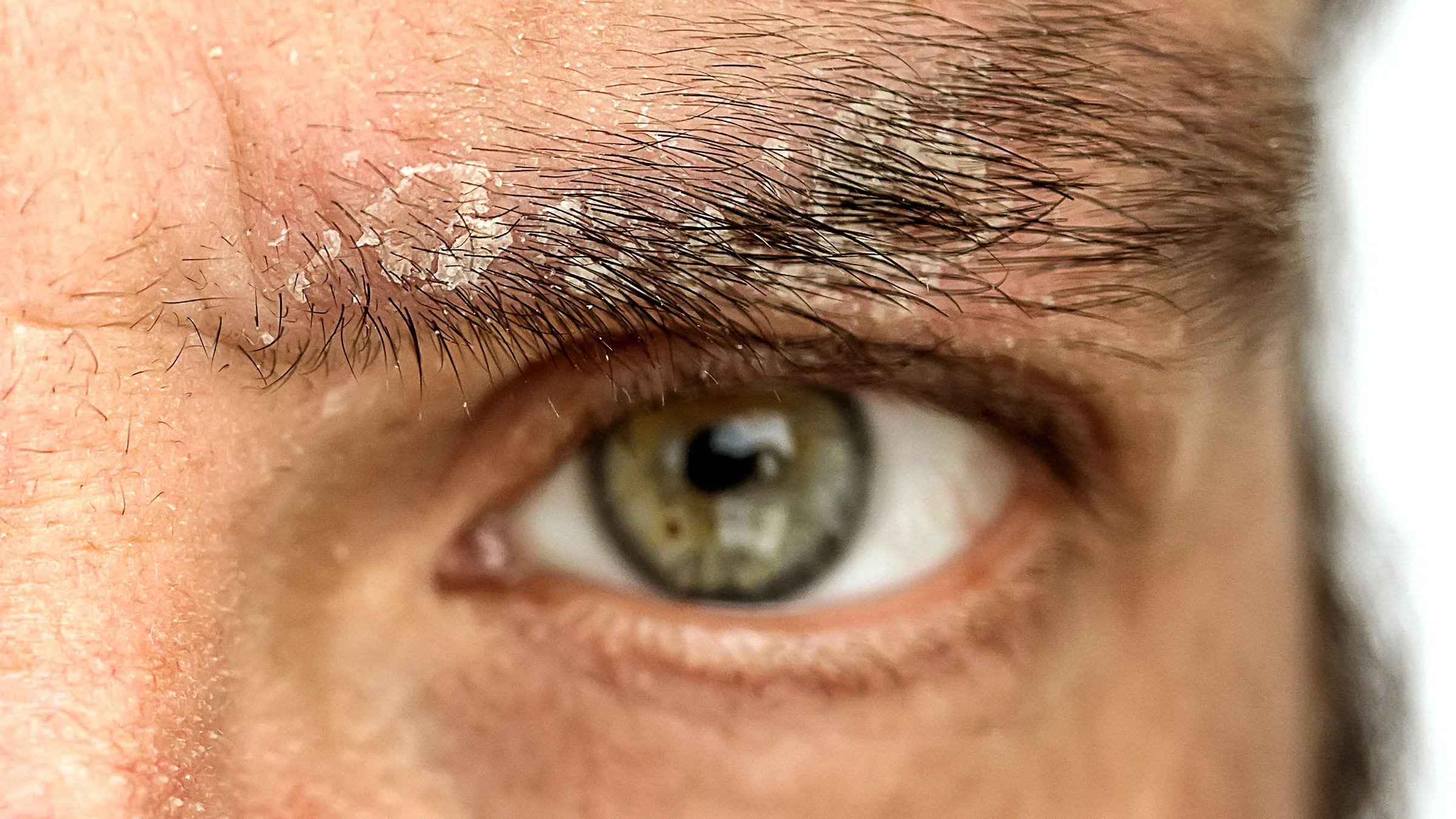
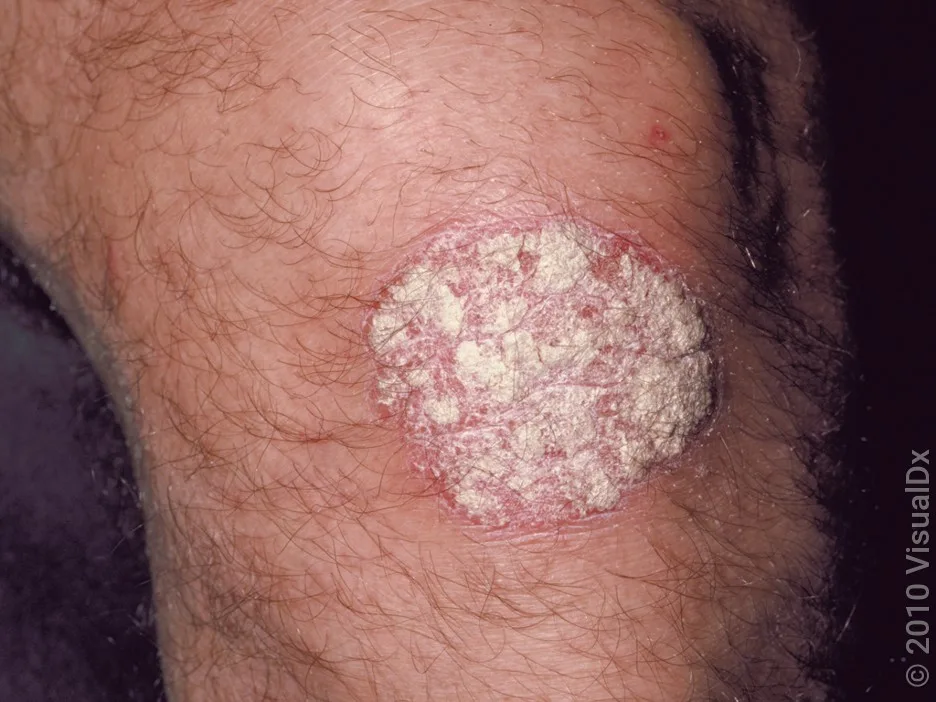
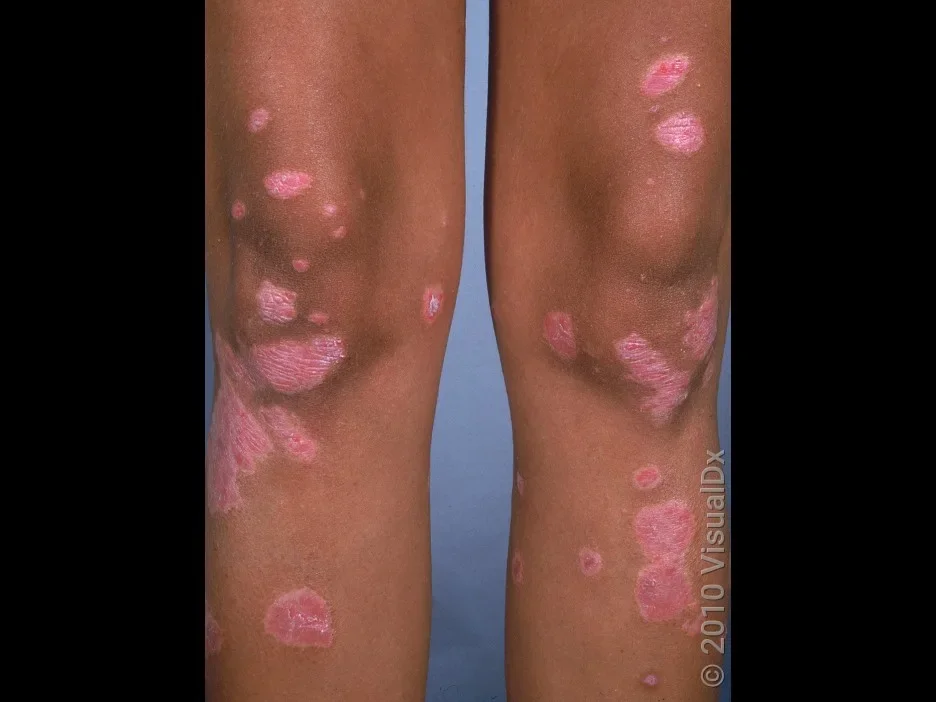
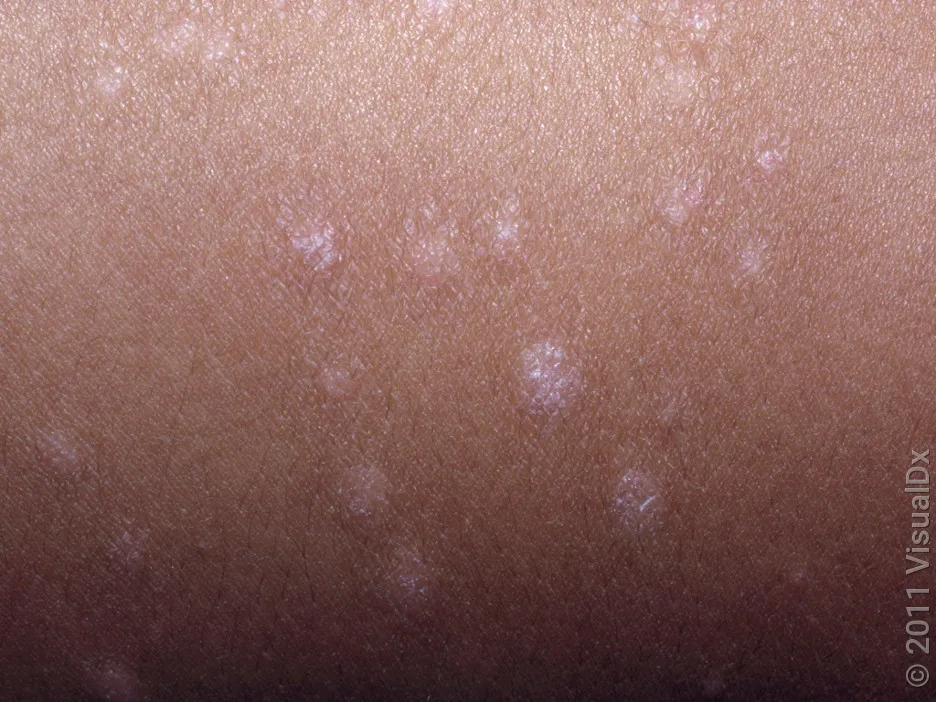
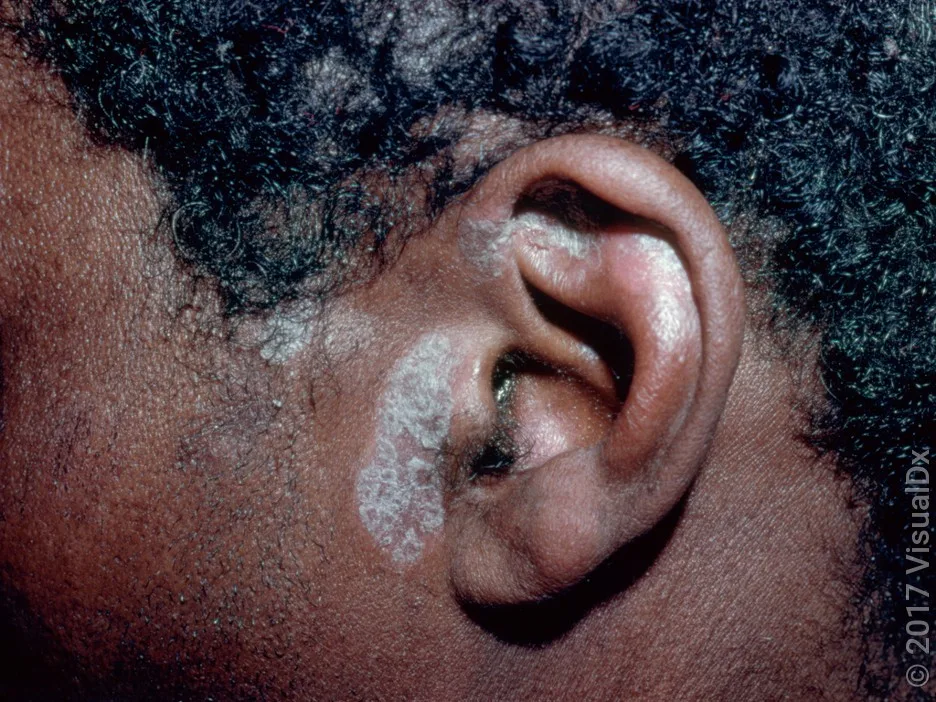
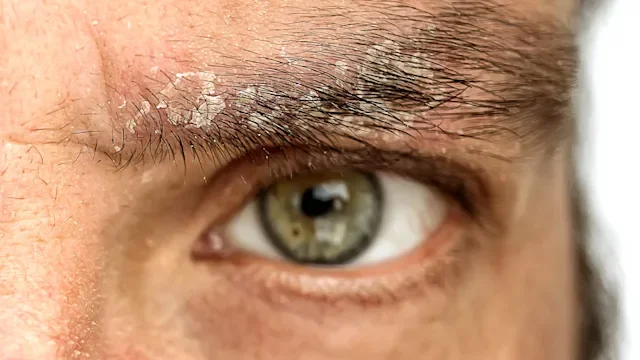
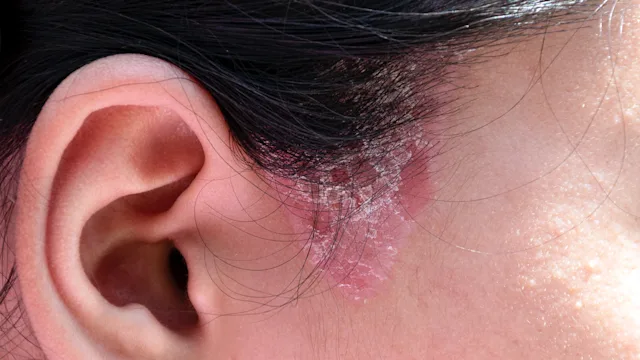
Psoriasis and eczema are two different diseases that both cause skin rashes. Both diseases can:
Cause the skin to become dry, red, and itchy
Run in families
Have environmental triggers
Although they’re different diseases, some of the same treatments can be used for both. If you think you have psoriasis or eczema, talk to your primary care provider. They can help make a diagnosis and determine the best treatment for you.
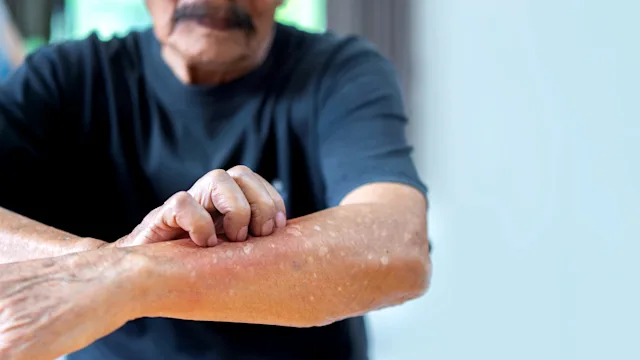
Yes. Psoriasis can be itchy. Whether psoriasis causes itching depends on the type of psoriasis. The most common type of psoriasis is plaque psoriasis. This is the type of psoriasis that’s most likely to itch — although some people with plaque psoriasis don’t feel any symptoms at all.
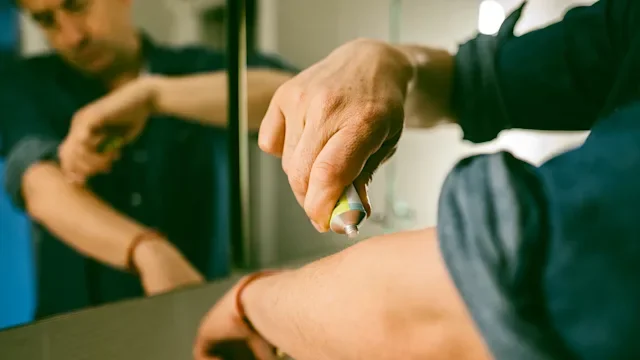
There’s not one single cream that’s most effective in treating psoriasis. For some people, using OTC treatments (like coal tar or salicylic acid) is enough to keep symptoms at bay. Others may need stronger prescription-strength creams.
Each person is different, and it’s important to find the best cream that works for you.
Scalp psoriasis can cause hair loss, but it usually grows back after the psoriasis is treated. It’s important not to scratch or pick at your skin because this can increase inflammation and make hair loss permanent. The best way to prevent hair loss is by treating psoriasis to keep thick plaques from forming.
Psoriasis itself doesn’t cause skin infections. But when you scratch psoriasis, it can break the skin and bacteria and other germs can get in, which can lead to a skin infection. Treating psoriasis will minimize symptoms and keep you from scratching your skin.