




Do Sleep Medications like Ambien Increase Your Blood Pressure?
Does Ambien increase blood pressure? Some sleeping pills may affect your blood pressure. Learn more about sleep aids from GoodRx.
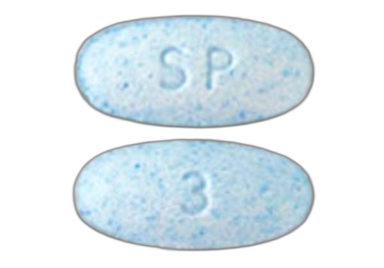
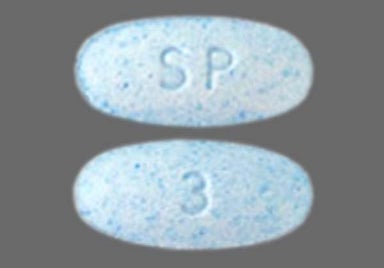
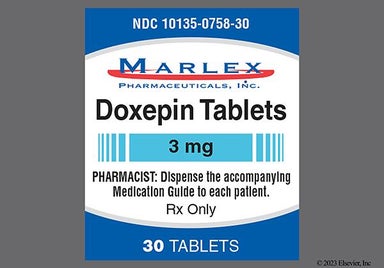
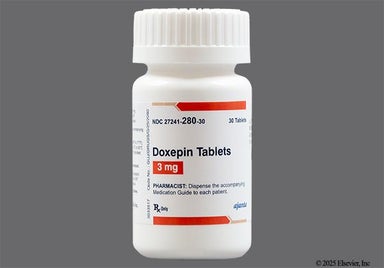
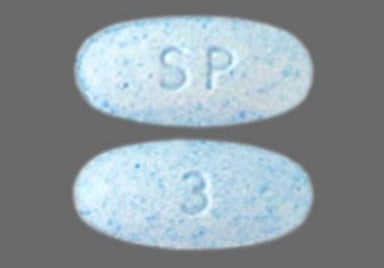
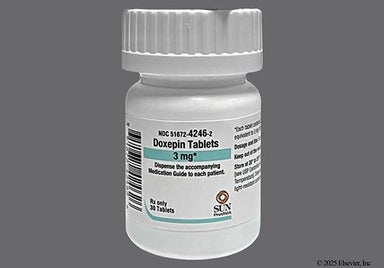
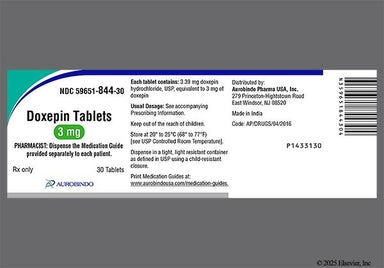
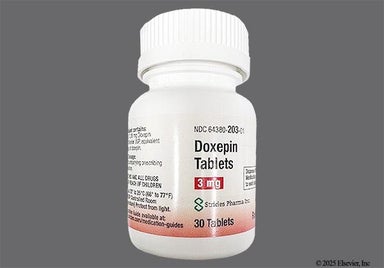
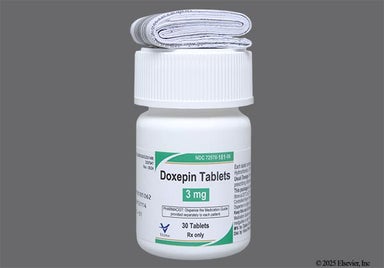
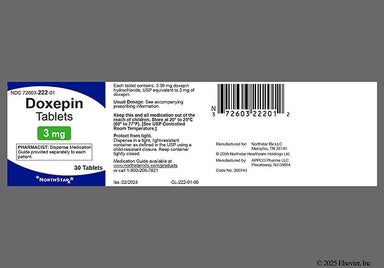
Doxepin (Silenor) is a tricyclic antidepressant that's used to help adults who have insomnia (trouble sleeping) stay asleep. Doxepin (Silenor) is a tablet that you take by mouth 30 minutes before bedtime. As expected, the most common side effects are sleepiness and tiredness, so only take the medication when you're ready to fall asleep for the night. Unlike some other sleep medications, doxepin (Silenor) isn't considered a controlled substance. Doxepin (Silenor) is available as brand-name and generic versions.

Doxepin (Silenor) is a tricyclic antidepressant (TCA). It blocks histamine receptors in the brain. This helps you stay asleep during the night and keeps you from waking up too early in the morning.
| Common Brands | Silenor |
|---|---|
| Drug Class | Tricyclic antidepressant |
| Controlled Substance Classification | Not a controlled medication |
| Generic Status | Lower-cost generic available |
| Availability | Prescription only |

The following side effects may get better over time as your body gets used to the medication. Let your healthcare provider know immediately if you continue to experience these symptoms or if they worsen over time.
Contact your healthcare provider immediately if you experience any of the following.
Side effects that you should report to your care team as soon as possible:
Side effects that usually do not require medical attention (report to your care team if they continue or are bothersome):




Doxepin (Silenor) can cause some serious health issues. This risk may be even higher for certain groups. If this worries you, talk to your doctor or pharmacist about other options.
Sometimes, insomnia can be caused by other issues, such as depression, stress, or pain. Talk to your prescriber if you're still having trouble sleeping after you've taken doxepin (Silenor) for more than a week. They can evaluate other reasons why you're not getting good sleep.
Some people have had instances where they've done activities while they're not fully awake after they've taken a sleep medication, such as doxepin (Silenor). These activities can include driving, cooking, or having sex. Most people don't remember these events when they're fully awake. This is more likely to happen if you're drinking alcohol or taking other medications that can make you sleepy, such as opioids or other sedatives, with .
Talk to your prescriber right away if you or your loved ones notice this side effect happening to you while you're taking doxepin (Silenor).
When taken at much higher doses, the active ingredient doxepin works to treat depression. Studies show that people with depression who take antidepressants can have worsening mental health, including a higher risk for self-harm or suicide.
Even though doxepin (Silenor) is taken at lower doses for sleep, the likelihood that it can cause worsening depression or suicidal thoughts can't be ruled out. Talk to your prescriber or a healthcare professional right away if you have symptoms of depression or feelings of self-harm or suicide while you're taking doxepin (Silenor).
Doxepin (Silenor) can make you sleepy and tired. Only take doxepin (Silenor) when you're ready to go to bed. Don't do any activities that require you to focus, operate machinery, or drive after you take doxepin (Silenor) to prevent accidental injuries.
Don't mix doxepin (Silenor) with alcohol. And avoid taking doxepin (Silenor) with any other medications that can make you sleepy, such as other sleep medications, opioids, and sedatives. Sleepiness can be more intense and make you have an even harder time thinking clearly and focusing.

Your prescriber will adjust the dose depending on your needs. The maximum dose is 6 mg by mouth daily.


Contraindications are specific health conditions or situations in which a person should not take a medication due to safety concerns. If you have any of the following conditions or if any of the following apply to you, let your healthcare provider know because Doxepin (Silenor) will not be safe for you to take.












Prescription savings
Stop paying too much for your prescriptions. Compare prices, get pharmacy coupons, and save up to 80%. Find expert answers to your health questions so you can make the best decisions for yourself and your family.
Health conditions
Medications & treatment
Access & affordability
Medication discounts

No, doxepin tablets for insomnia aren't discontinued. Generic doxepin tablets and brand-name Silenor tablets are available at pharmacies with a prescription from a healthcare professional. There's also a capsule version of doxepin that's taken at a higher dose for depression and anxiety and also still available.
The recommended dose of Silenor for most adults with insomnia is 6 mg taken by mouth 30 minutes before bedtime. This is also the maximum dose of the medication, so don't take more than this. Otherwise, you might have more side effects. If you're 65 years or older, the recommended starting dose is lower (3 mg taken by mouth 30 minutes before bedtime) because you can be more sensitive to the medication's effects. It's important to take no more than the recommended Silenor dose prescribed to you to prevent serious side effects.
It's a good idea to speak with your prescriber if you still have trouble sleeping or if your sleep problems get worse after you've taken Silenor for 7 to 10 days. Your prescriber can check to see whether something else might be causing your sleep problems that need more appropriate treatment. But studies suggest that people with insomnia have taken Silenor for up to 3 months. Speak with your prescriber if you need more help staying asleep so they can find the best treatment plan for you.
No, Silenor isn't addictive or habit-forming. Silenor is one of the few sleep medications that doesn't have a risk for addiction or dependency.
Taking Silenor with food can cause the effects of the medication to take longer to kick in. It can also cause the effects of the medication to linger until the next day, leading to daytime sleepiness. To get the most benefit from the medication and to lessen the risk for daytime sleepiness, don't take Silenor within 3 hours of a meal.
When taken as prescribed at recommended doses, Silenor doesn't cause weight gain. But it's possible if you take higher-than-recommended doses of the medication. For this reason, don't take more Silenor than what's prescribed to you.
Discuss with your prescriber or obstetrician-gynecologist (OB-GYN) about the risks and benefits of taking Silenor while pregnant. There's not enough information to know whether there's a higher risk of birth defects or pregnancy loss when the medication is taken during pregnancy. But there have been cases of complications in the newborn after delivery when some mothers took Silenor late in the third trimester.
Speak with your prescriber or obstetrician-gynecologist (OB-GYN) about the risks and benefits of breastfeeding while you're taking Silenor. This medication can be found in breast milk and can possibly cause your baby to have side effects. Be careful if you decide to breastfeed while you're taking Silenor. Look out for signs of unusual sleepiness or slower breathing in your baby.
