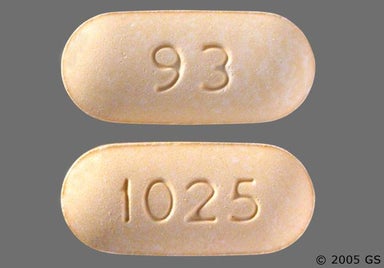
nefazodone
Nefazodone is used to treat depression, but it’s usually not a first-choice option because it can cause serious liver damage. Some side effects include headache, dry mouth, nausea, and drowsiness. But, it's not likely to cause weight gain or weight loss. Withdrawal symptoms aren't typically with this medication, but it still can't be ruled out. Nefazodone is only available as a generic medication since the brand name Serzone has been discontinued.


What is Nefazodone?
What is Nefazodone used for?
- Depression
How Nefazodone works
Nefazodone is an atypical antidepressant that raises levels of natural chemicals in your brain called serotonin and norepinephrine. This is thought to improve mood.
Drug facts
| Common Brands | Serzone |
|---|---|
| Drug Class | Atypical antidepressant |
| Controlled Substance Classification | Not a controlled medication |
| Generic Status | Lower-cost generic available |
| Availability | Prescription only |

Side effects of Nefazodone
The following side effects may get better over time as your body gets used to the medication. Let your healthcare provider know immediately if you continue to experience these symptoms or if they worsen over time.
Common Side Effects
- Headache (36%)
- Sleepiness (25%)
- Dry mouth (25%)
- Nausea (22%)
- Dizziness (17%)
- Constipation (14%)
- Trouble sleeping (11%)
- Weakness (11%)
- Lightheadedness (10%)
- Blurred vision (9%)
- Indigestion (9%)
Less Common Side Effects
- Diarrhea
- Infection
- Confusion
- Vision changes
- Sore throat
- Larger appetite
- Memory problems
- Low blood pressure upon standing
- Feeling flushed or warm
- Burning, tingling, or numbing feeling in arms or legs
Nefazodone serious side effects
Contact your healthcare provider immediately if you experience any of the following.
- Severe allergic reaction: itchy red rash (hives), shortness of breath, chest tightness, swelling of lips, tongue, face, or eyes
- Liver problems: yellowing of the skin or eyes (jaundice), stomach pain or swelling, loss of appetite, dark urine, nausea, vomiting, tiredness or weakness, confusion
- Seizures: uncontrolled jerking movements of arms or legs, stiff body, staring, trouble breathing, confusion, unconsciousness
- Suicidal thinking and behavior
The following Nefazodone side effects have also been reported
Along with its needed effects, a medicine may cause some unwanted effects. Although not all of these side effects may occur, if they do occur they may need medical attention.
Check with your doctor as soon as possible if any of the following side effects occur:
More common
Blurred vision or other changes in vision
clumsiness or unsteadiness
lightheadedness or fainting
ringing in the ears
skin rash or itching
Less common
Bladder pain
bloody or cloudy
cough or hoarseness
excessive muscle tone
feeling dizzy
frequent urge to urinate
itching of the vagina or genital area
muscle stiffness
muscle tension or tightness
pain during sexual intercourse
painful, burning, or difficult urination
shortness of breath, tightness in chest, or wheezing
stomach pain
thick, white vaginal discharge with no odor or with a mild odor
troubled breathing
Rare
bleeding from the rectum
bloody or black, tarry stools
change in sexual desire or performance
double vision
dryness of eye
ear pain
fainting
fast heartbeat
fever, chills, or sore throat
hallucinations (seeing, hearing, or feeling things that are not there)
increased sense of hearing
increased sensitivity to sun
irritation or soreness of mouth
joint or muscle pain or stiffness
large pupils of eyes
lower back, side, or stomach pain
menstrual changes
mood or mental changes
nerve pain or twitching
pelvic pain
problems in speaking
problems with urination
prolonged, painful, inappropriate penile erection
red or irritated eyes
sensitivity of eyes to light
swelling of face
swollen glands
talking, feeling, and acting with excitement and activity you cannot control
unusual bleeding or bruising
unusual feeling of well-being
unusual tiredness or weakness
vomiting of blood or material that looks like coffee grounds
Incidence not known
Blistering, peeling, or loosening of skin
light-colored stools
confusion
dark urine
decreased urine output
increased thirst
lack of appetite
large, hive-like swelling on face, eyelids, lips, tongue, throat, hands, legs, feet, or sex organs
muscle pain or cramps
muscle spasm or jerking of all extremities
muscle stiffness
pain, warmth, or burning in fingers, toes, and legs
red skin lesions, often with a purple center
sudden loss of consciousness
sweating
vomiting
Some side effects may occur that usually do not need medical attention. These side effects may go away during treatment as your body adjusts to the medicine. Also, your health care professional may be able to tell you about ways to prevent or reduce some of these side effects. Check with your health care professional if any of the following side effects continue or are bothersome or if you have any questions about them:
More common
Abnormal dreams
agitation
confusion
dizziness
drowsiness
dryness of mouth
flushing or feeling of warmth
headache
increased appetite
increased cough
memory problems
swelling of arms or legs
tingling, burning, or prickly sensations
trouble in sleeping
vomiting
Less common or rare
Breast pain
generalized slowing of mental and physical activity
increased thirst
loss of strength or energy
muscle weakness
Incidence not known
Unexpected or excess milk flow from breasts
swelling of the breasts or breast soreness in males
Other side effects not listed may also occur in some patients. If you notice any other effects, check with your healthcare professional.
Call your doctor for medical advice about side effects. You may report side effects to the FDA at 1-800-FDA-1088.

Pros and cons of Nefazodone
Pros
- Comes in different strengths, so your provider can adjust your dose if needed
- Okay to use in people with kidney problems
- Not associated with weight changes (weight gain or weight loss)
- Available as a lower-cost generic
Cons
- Risk of life-threatening liver failure
- Have to take it twice daily
- Can take many weeks for the full effects to kick in
- Interacts with many medications, such as carbamazepine (Tegretol) and alprazolam (Xanax)

Pharmacist tips for Nefazodone

- You can take nefazodone with or without food, but taking it with food might lower how much of the medication is absorbed into your body. This can affect how well it works.
- Nefazodone can worsen your depression and raise your risk of suicidal thoughts and behavior. If you or any of your loved ones notice any changes in your behavior, such as nervousness, trouble sleeping, anger or violence, restlessness, dark thoughts, or thoughts of hurting yourself, talk to your healthcare provider right away.
- Nefazodone can cause vision changes. If you develop blurred vision, any blind spots in your vision, eye pain, or swelling or redness around your eye, let your healthcare provider know right away.
- Nefazodone interacts with many medications, such as carbamazepine (Tegretol), alprazolam (Xanax), and triazolam (Halcion). Tell your pharmacist or healthcare provider if you're taking any of these medications or if you plan on starting any new medications.
- If you develop a painful erection that lasts for more than 4 hours, get medical attention right away. Taking nefazodone might also lead to inappropriate erections. If this happens, stop taking the medication and contact your provider.

Risks and warnings for Nefazodone
Nefazodone can cause some serious health issues. This risk may be even higher for certain groups. If this worries you, talk to your doctor or pharmacist about other options.
Worsening depression and suicidal thoughts and behavior
- Risk factors: Depression | History of other mental health conditions | Taking antidepressants | Family history of suicide | Age 24 years old or younger
 Antidepressants, such as nefazodone, can raise the risk of worsening depression and suicidal thoughts and behavior. The risk is greatest during the first few months of starting antidepressants and after dose changes. The risk is higher in younger people under the age of 24, but people of all ages taking nefazodone are still at risk.
Talk to your healthcare provider right away if you or your loved ones notice any unusual changes in your mood or behavior, such as anxiety, irritability, panic attacks, anger, aggression, or restlessness, if you feel like your depression is getting worse, or if you're having thoughts of hurting yourself. You can also call the National Suicide Prevention Lifeline available 24 hours a day by dialing 988.
Antidepressants, such as nefazodone, can raise the risk of worsening depression and suicidal thoughts and behavior. The risk is greatest during the first few months of starting antidepressants and after dose changes. The risk is higher in younger people under the age of 24, but people of all ages taking nefazodone are still at risk.
Talk to your healthcare provider right away if you or your loved ones notice any unusual changes in your mood or behavior, such as anxiety, irritability, panic attacks, anger, aggression, or restlessness, if you feel like your depression is getting worse, or if you're having thoughts of hurting yourself. You can also call the National Suicide Prevention Lifeline available 24 hours a day by dialing 988.
Liver problems
- Risk factors: History of liver problems
Nefazodone can cause liver failure that can sometimes require a liver transplant or even lead to death. If you have active liver problems, you shouldn't start nefazodone. Your healthcare provider might order blood tests to make sure your liver is healthy before you start taking nefazodone. If you notice any signs of liver damage, such as yellowing of the skin or eyes (jaundice), stomach pain or swelling, loss of appetite, dark urine, nausea, vomiting, tiredness or weakness (malaise), or confusion, call your healthcare provider right away. If you develop any signs of liver damage while taking nefazodone, your provider will likely have you stop taking nefazodone.
Bipolar disorder
- Risk factors: Depression | Taking antidepressants | History of mania | Family history of bipolar disorder
Sometimes depression can be the first sign of bipolar disorder, which is a mental health condition that causes mood changes ranging from feeling low (depressed) to feeling high (mania). Nefazodone shouldn't be used alone to treat bipolar depression because it can raise the risk of mania. If you're feeling depressed, your healthcare provider might ask you some questions to find out if you're at risk for bipolar disorder.
Eye problems
Some antidepressants, like nefazodone, can cause your pupils to widen, which can lead to a condition called angle-closure glaucoma. This is a condition that blocks fluid from draining in your eye, resulting in high pressure in the eye that might require surgery. Let your healthcare provider know if this concerns you.
Drop in blood pressure upon standing
- Risk factors: Taking medications for high blood pressure | History of heart attack | History of stroke | Low fluids in the body | History of chest pain
Nefazodone can make your blood pressure drop if you stand up suddenly after sitting or lying down. This can cause dizziness and falls. This condition is known as orthostatic hypotension, and your risk is higher if you're already taking medications for high blood pressure. Get up slowly if you've been sitting or lying down for a while, and sit back down if you feel dizzy.
Seizures
- Risk factors: History of seizures | Taking other medications that can cause seizures
Take nefazodone with caution if you have a history of seizures. If you or your loved ones notice any signs of a seizure, such as uncontrolled jerking movements of arms or legs, stiff body, staring, trouble breathing, confusion, or unconsciousness, call for emergency help right away.
Heart conditions
- Risk factors: Heart disease | History of heart attack | Taking medications that can lower your heart rate
If you have a history of heart attack, heart disease, or low heart rate, take nefazodone with caution. Talk to your healthcare provider before starting nefazodone because you might need to be monitored more closely.

Nefazodone dosage


Interactions between Nefazodone and other drugs
Although certain medicines should not be used together at all, in other cases two different medicines may be used together even if an interaction might occur. In these cases, your doctor may want to change the dose, or other precautions may be necessary. When you are taking this medicine, it is especially important that your healthcare professional know if you are taking any of the medicines listed below. The following interactions have been selected on the basis of their potential significance and are not necessarily all-inclusive.
Using this medicine with any of the following medicines is not recommended. Your doctor may decide not to treat you with this medication or change some of the other medicines you take.
- Alprazolam
- Astemizole
- Bromopride
- Carbamazepine
- Cisapride
- Colchicine
- Conivaptan
- Dihydroergotamine
- Dronedarone
- Eletriptan
- Eliglustat
- Eplerenone
- Ergoloid Mesylates
- Ergonovine
- Ergotamine
- Flibanserin
- Furazolidone
- Isavuconazonium Sulfate
- Isocarboxazid
- Ivabradine
- Linezolid
- Lomitapide
- Lovastatin
- Lurasidone
- Maraviroc
- Methylergonovine
- Metoclopramide
- Naloxegol
- Nimodipine
- Phenelzine
- Pimozide
- Ranolazine
- Safinamide
- Silodosin
- Simvastatin
- Terfenadine
- Tolvaptan
- Tranylcypromine
- Triazolam
- Ubrogepant
- Venetoclax
- Voclosporin
Using this medicine with any of the following medicines is usually not recommended, but may be required in some cases. If both medicines are prescribed together, your doctor may change the dose or how often you use one or both of the medicines.
- Abciximab
- Acalabrutinib
- Aceclofenac
- Acemetacin
- Ado-Trastuzumab Emtansine
- Alfentanil
- Almotriptan
- Amiodarone
- Amitriptyline
- Amoxapine
- Amphetamine
- Amtolmetin Guacil
- Apalutamide
- Apixaban
- Aprepitant
- Aripiprazole
- Aspirin
- Atorvastatin
- Avanafil
- Avapritinib
- Axitinib
- Bedaquiline
- Benzhydrocodone
- Benzphetamine
- Bosutinib
- Brentuximab Vedotin
- Brexpiprazole
- Brigatinib
- Bromfenac
- Bromocriptine
- Bufexamac
- Buprenorphine
- Bupropion
- Butorphanol
- Cabazitaxel
- Cabozantinib
- Calcifediol
- Cariprazine
- Celecoxib
- Ceritinib
- Choline Salicylate
- Cilostazol
- Clonixin
- Clopidogrel
- Clorgyline
- Clozapine
- Cobimetinib
- Codeine
- Copanlisib
- Crizotinib
- Cyclobenzaprine
- Dabrafenib
- Daclatasvir
- Dasatinib
- Deflazacort
- Delamanid
- Desvenlafaxine
- Dexamethasone
- Dexibuprofen
- Dexketoprofen
- Dextroamphetamine
- Diclofenac
- Diflunisal
- Digoxin
- Dihydrocodeine
- Dipyridamole
- Dipyrone
- Docetaxel
- Dolasetron
- Domperidone
- Donepezil
- Doxorubicin
- Doxorubicin Hydrochloride Liposome
- Droperidol
- Droxicam
- Duloxetine
- Duvelisib
- Edoxaban
- Elagolix
- Elexacaftor
- Encorafenib
- Entrectinib
- Enzalutamide
- Eptifibatide
- Erlotinib
- Escitalopram
- Eszopiclone
- Etodolac
- Etofenamate
- Etoricoxib
- Everolimus
- Fedratinib
- Felbinac
- Fenfluramine
- Fenoprofen
- Fentanyl
- Fepradinol
- Feprazone
- Floctafenine
- Flufenamic Acid
- Fluoxetine
- Flurbiprofen
- Fluticasone
- Fosaprepitant
- Glasdegib
- Granisetron
- Hydrocodone
- Hydromorphone
- Hydroxytryptophan
- Ibrutinib
- Ibuprofen
- Idelalisib
- Ifosfamide
- Iloperidone
- Indomethacin
- Iobenguane I 123
- Iobenguane I 131
- Iproniazid
- Irinotecan
- Irinotecan Liposome
- Istradefylline
- Ivacaftor
- Ivosidenib
- Ixabepilone
- Ketoconazole
- Ketoprofen
- Ketorolac
- Lapatinib
- Larotrectinib
- Lasmiditan
- Lefamulin
- Lemborexant
- Levomilnacipran
- Levorphanol
- Lisdexamfetamine
- Lithium
- Lorcaserin
- Lorlatinib
- Lornoxicam
- Loxoprofen
- Lumateperone
- Lumiracoxib
- Lurbinectedin
- Macitentan
- Manidipine
- Meclofenamate
- Mefenamic Acid
- Meloxicam
- Meperidine
- Metaxalone
- Methadone
- Methamphetamine
- Methylene Blue
- Midazolam
- Midostaurin
- Mifepristone
- Milnacipran
- Mirtazapine
- Moclobemide
- Morniflumate
- Morphine
- Morphine Sulfate Liposome
- Nabumetone
- Nalbuphine
- Naproxen
- Naratriptan
- Nepafenac
- Neratinib
- Nialamide
- Nifedipine
- Niflumic Acid
- Nilotinib
- Nimesulide
- Nimesulide Beta Cyclodextrin
- Olaparib
- Ondansetron
- Osilodrostat
- Oxaprozin
- Oxycodone
- Oxymorphone
- Oxyphenbutazone
- Ozanimod
- Palbociclib
- Palonosetron
- Panobinostat
- Parecoxib
- Pargyline
- Paroxetine
- Pazopanib
- Pemigatinib
- Pentazocine
- Pexidartinib
- Phenylbutazone
- Piketoprofen
- Pimavanserin
- Piperaquine
- Piroxicam
- Ponatinib
- Pralsetinib
- Pranoprofen
- Prasugrel
- Procarbazine
- Proglumetacin
- Propyphenazone
- Proquazone
- Quetiapine
- Rasagiline
- Reboxetine
- Regorafenib
- Remifentanil
- Retapamulin
- Ribociclib
- Rimegepant
- Rivaroxaban
- Rizatriptan
- Rofecoxib
- Romidepsin
- Ruxolitinib
- Salicylic Acid
- Salmeterol
- Salsalate
- Selegiline
- Selpercatinib
- Selumetinib
- Sertraline
- Sibutramine
- Sildenafil
- Simeprevir
- Sodium Salicylate
- Sonidegib
- Sufentanil
- Sulindac
- Sumatriptan
- Sunitinib
- Suvorexant
- Tacrolimus
- Tadalafil
- Tamsulosin
- Tapentadol
- Tazemetostat
- Temsirolimus
- Tenoxicam
- Tezacaftor
- Thiotepa
- Tiaprofenic Acid
- Ticagrelor
- Ticlopidine
- Tirofiban
- Tolfenamic Acid
- Tolmetin
- Toloxatone
- Toremifene
- Trabectedin
- Tramadol
- Valbenazine
- Valdecoxib
- Vemurafenib
- Venlafaxine
- Vilanterol
- Vilazodone
- Vincristine
- Vincristine Sulfate Liposome
- Vinflunine
- Vorapaxar
- Vortioxetine
- Voxelotor
- Zanubrutinib
- Ziprasidone
- Zolmitriptan
- Zolpidem
Using this medicine with any of the following medicines may cause an increased risk of certain side effects, but using both drugs may be the best treatment for you. If both medicines are prescribed together, your doctor may change the dose or how often you use one or both of the medicines.
- Aripiprazole Lauroxil
- Buspirone
- Cyclosporine
- Foxglove
- Ginkgo
- Haloperidol
- Methylprednisolone
- Pravastatin
- Ritonavir
- St John's Wort

How much does Nefazodone cost?
$40.55

Nefazodone contraindications
Contraindications are specific health conditions or situations in which a person should not take a medication due to safety concerns. If you have any of the following conditions or if any of the following apply to you, let your healthcare provider know because Nefazodone will not be safe for you to take.
- History of liver problems after taking nefazodone in the past
- Use of carbamazepine (Tegretol), triazolam (Halcion), terfenadine, astemizole, cisapride, or pimozide (Orap)

What are alternatives to Nefazodone?

Nefazodone images