



Which Diabetes Medications Can Cause Weight Loss or Gain?
Many diabetes drugs cause weight changes. But which drugs cause weight loss, and which cause weight gain? Here’s how metformin, Ozempic, and other meds affect your weight.
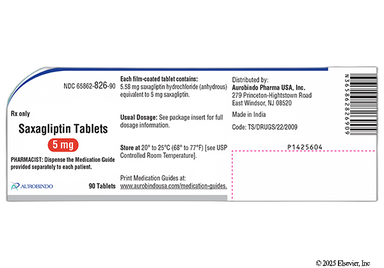
Saxagliptin (Onglyza) is an add-on medication to exercise and a balanced, nutritious diet to improve blood sugar control in adults with Type 2 diabetes. It belongs to the drug class called dipeptidyl peptidase-4 (DPP-4) inhibitors. The saxagliptin (Onglyza) dosage is taken by mouth once daily. Possible side effects include certain infections and headaches. The brand name, Onglyza, is no longer available. But the lower-cost generic version is still available.

Saxagliptin (Onglyza) is a dipeptidyl peptidase-4 (DPP-4) inhibitor, or also known as a "gliptin." It works by blocking the action of DPP-4, a protein that breaks down hormones that tell the body to make insulin. By blocking DPP-4, the medication allows insulin to stick around in the body longer to help control your blood sugar levels.
| Common Brands | Onglyza |
|---|---|
| Drug Class | DPP-4 inhibitor |
| Controlled Substance Classification | Not a controlled medication |
| Generic Status | Lower-cost generic available |
| Availability | Prescription only |

The following side effects may get better over time as your body gets used to the medication. Let your healthcare provider know immediately if you continue to experience these symptoms or if they worsen over time.
Contact your healthcare provider immediately if you experience any of the following.
Along with its needed effects, a medicine may cause some unwanted effects. Although not all of these side effects may occur, if they do occur they may need medical attention.
Check with your doctor immediately if any of the following side effects occur:
More common
bladder pain
bloating or swelling of the face, arms, hands, lower legs, or feet
bloody or cloudy urine
blurred vision
body aches or pain
chills
cold sweats
confusion
cool, pale skin
difficult, burning, or painful urination
difficulty with breathing
dizziness
ear congestion
fast heartbeat
frequent urge to urinate
headache
increased hunger
loss of voice
lower back or side pain
nightmares
rapid weight gain
seizures
shakiness
slurred speech
tingling of the hands or feet
unusual tiredness or weakness
unusual weight gain or loss
Incidence not known
darkened urine
decreased urine output
difficulty with swallowing
dilated neck veins
extreme fatigue
flaking or peeling of the skin
hives or skin rash
indigestion
irregular breathing
irregular heartbeat
large, hard skin blisters
large, hive-like swelling on the face, eyelids, lips, tongue, throat, hands, legs, feet, or sex organs
loss of appetite
pains in the stomach, side, or abdomen, possibly radiating to the back
puffiness or swelling of the eyelids or around the eyes, face, lips, or tongue
severe joint pain
swelling of face, fingers, feet, or lower leg
tightness in the chest
troubled breathing
vomiting
yellow eyes or skin
Some side effects may occur that usually do not need medical attention. These side effects may go away during treatment as your body adjusts to the medicine. Also, your health care professional may be able to tell you about ways to prevent or reduce some of these side effects. Check with your health care professional if any of the following side effects continue or are bothersome or if you have any questions about them:
Other side effects not listed may also occur in some patients. If you notice any other effects, check with your healthcare professional.
Call your doctor for medical advice about side effects. You may report side effects to the FDA at 1-800-FDA-1088.




Saxagliptin (Onglyza) can cause some serious health issues. This risk may be even higher for certain groups. If this worries you, talk to your doctor or pharmacist about other options.
Although rare, some people who took saxagliptin (Onglyza) in clinical studies reported having inflammation in their pancreas (pancreatitis). It's not known whether this medication can raise your risk of pancreatitis if you've had this medical problem before. Some common symptoms of an inflamed pancreas are upper stomach pain, fever, nausea, and vomiting. Contact your prescriber right away if you start to feel any of these symptoms. You might need to stop taking saxagliptin (Onglyza).
Clinical trials for saxagliptin (Onglyza) discovered a link between DPP-4 inhibitor treatment and hospitalization for heart failure in people who have or are at risk for heart disease. Be sure your prescriber knows about your medical history to discuss the risks and benefits of treatment with saxagliptin (Onglyza). Get medical help right away if you notice any symptoms related to heart failure, such as shortness of breath, irregular heartbeat, sudden weight gain, and swelling in the feet or ankles, while you're taking saxagliptin (Onglyza).
Taking saxagliptin (Onglyza) by itself, but more likely together with certain other diabetes medications like insulin, can cause low blood sugar. Very low blood sugar can sometimes be life-threatening. Symptoms of low blood sugar include feeling shaky, weak, or very hungry; being nervous or confused; having fast heartbeat or body chills; sweating; and feeling sleepy. Talk to your prescriber or pharmacist if you're concerned about having low blood sugar levels during treatment.
Although rare, DPP-4 inhibitors like saxagliptin (Onglyza) can cause severe and disabling joint pain. This joint pain can occur within one day to years after starting the medication. Talk to your prescriber right away if you experience any discomfort in your joints.
There have been some reports of people who developed large, fluid-filled blisters (bullous pemphigoid) after they took DPP-4 inhibitors like saxagliptin (Onglyza). These blisters usually go away with appropriate treatment and once you stop taking saxagliptin (Onglyza). Contact your prescriber right away if you develop blisters or sores on the skin. You might need to stop taking saxagliptin (Onglyza) and get referred to a dermatologist for treatment.
Although rare, it's possible for you to develop an allergic reaction from taking saxagliptin (Onglyza). Allergic reactions to the medication can be due to the dye colorings that are in the saxagliptin (Onglyza) tablets. People who have an allergy to aspirin might be at risk for allergic reactions to the dye colorings. Make sure your prescriber knows about all of your allergies before you start this medication.
Allergic reactions can include swelling of the face, a blistering rash, and anaphylaxis. Reports of allergic reactions to saxagliptin (Onglyza) happened within the first 3 months of treatment. Stop taking saxagliptin (Onglyza) and get emergency medical help right away if you have an allergic reaction to the medication.


Although certain medicines should not be used together at all, in other cases two different medicines may be used together even if an interaction might occur. In these cases, your doctor may want to change the dose, or other precautions may be necessary. When you are taking this medicine, it is especially important that your healthcare professional know if you are taking any of the medicines listed below. The following interactions have been selected on the basis of their potential significance and are not necessarily all-inclusive.
Using this medicine with any of the following medicines is usually not recommended, but may be required in some cases. If both medicines are prescribed together, your doctor may change the dose or how often you use one or both of the medicines.
Using this medicine with any of the following medicines may cause an increased risk of certain side effects, but using both drugs may be the best treatment for you. If both medicines are prescribed together, your doctor may change the dose or how often you use one or both of the medicines.




Prescription savings
Stop paying too much for your prescriptions. Compare prices, get pharmacy coupons, and save up to 80%. Find expert answers to your health questions so you can make the best decisions for yourself and your family.
Health conditions
Medications & treatment
Access & affordability
 Our monthly healthcare membership can help you save thousands on your prescription costs.
Resources

A clinical trial showed that Onglyza can start to work to lower blood sugar levels soon after you start treatment. But it can take up to a few weeks to months to see the full effects of the medication in lowering your blood sugar and improving your A1C level (average blood sugar level over a few months). This clinical study compared people who took Onglyza with metformin and people who took metformin alone. Make sure you continue to follow a nutritious diet and regular exercise routine so that Onglyza works as best as possible for you.
Yes. The brand-name version of the medication called Onglyza was discontinued by the manufacturer. But luckily, there are generic versions of the medication available. The first generic Onglyza tablets were approved in 2023.
You can generally take the Onglyza tablet at any time of day that's convenient for you. You can also take the medication before or after a meal. Once you decide on the general time you would like to take Onglyza, it's best to continue to take the medication at around the same time each day. Making it a part of your daily routine can help you remember to take the medication.
In clinical trials, Onglyza didn't have a large effect on most people's weight. This is unlike some other diabetes medications that are known to have an effect on weight, such as insulin. Discuss with your prescriber if you notice a change in your weight after you start treatment with Onglyza.
Talk to your healthcare team about whether you can drink alcohol while you're taking Onglyza. Alcohol can affect blood glucose levels in people with diabetes. You'll also want to avoid drinking alcohol on an empty stomach or following exercise, as it can put you at risk for having low blood sugar.
Yes, it's possible that the healthcare professional who's managing your diabetes might prescribe Onglyza and metformin for you to take together. Metformin remains a first-choice medication to control your blood sugar. Your prescriber might add Onglyza to your treatment if your A1C is still high with metformin, a balanced and nutritious diet, and regular exercise.
Onglyza and alogliptin (Nesina) are both DPP-4 inhibitors that are used to treat Type 2 diabetes. They're both once-daily options, are tablets that are taken by mouth, and have a low potential for causing weight gain. Talk with prescriber or healthcare professional who's managing your diabetes about which medication would be best for you.
