









Common Anxiety Medication Names: Know Your Treatment Options
There are many common anxiety medications that help treat anxiety. Here, we'll look at the different anxiety medication names for generic and brand medications that are available.
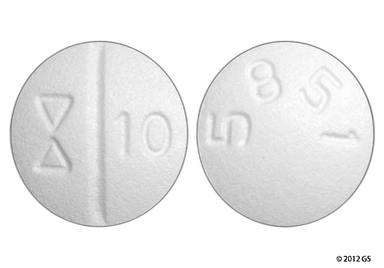
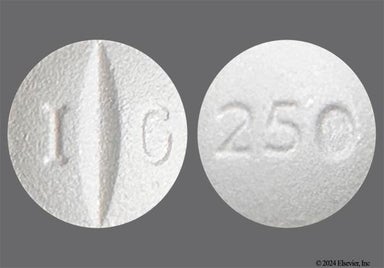
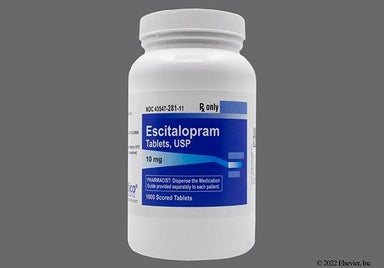
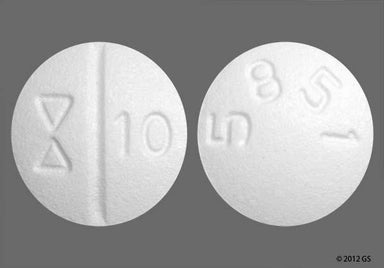
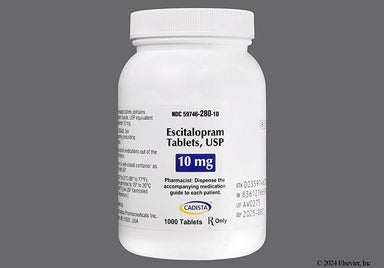
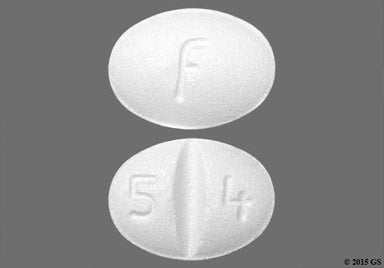
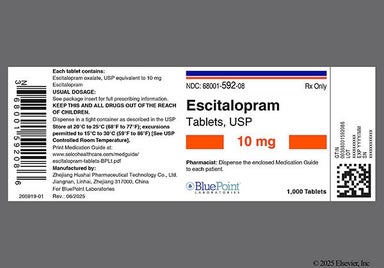
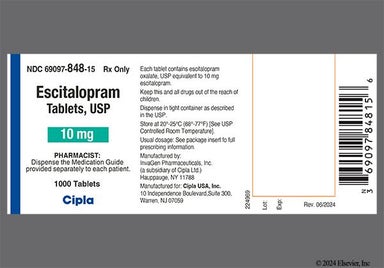
Escitalopram, also known by its brand name, Lexapro, is a selective serotonin reuptake inhibitor (SSRI). It's a first-choice antidepressant to treat depression and anxiety in adults and children. The medication is available as a tablet and oral solution, in both brand and generic forms. A dose is typically taken by mouth once per day. Some common side effects include nausea, trouble sleeping (insomnia), and dizziness.

Escitalopram (Lexapro) is a selective serotonin reuptake inhibitor (SSRI). It works by raising the levels of serotonin, which is an important chemical in your brain that's involved with regulating your mood and anxiety.
| Common Brands | Lexapro |
|---|---|
| Drug Class | SSRI |
| Controlled Substance Classification | Not a controlled medication |
| Generic Status | Lower-cost generic available |
| Availability | Prescription only |

The following side effects may get better over time as your body gets used to the medication. Let your healthcare provider know immediately if you continue to experience these symptoms or if they worsen over time.
Contact your healthcare provider immediately if you experience any of the following.
Along with its needed effects, a medicine may cause some unwanted effects. Although not all of these side effects may occur, if they do occur they may need medical attention.
Check with your doctor immediately if any of the following side effects occur:
Rare
Coma
confusion
decreased urine output
dizziness
fast or irregular heartbeat
headache
increased thirst
muscle pain or cramps
nausea or vomiting
seizures
swelling of the face, ankles, or hands
trouble breathing
unusual tiredness or weakness
Some side effects may occur that usually do not need medical attention. These side effects may go away during treatment as your body adjusts to the medicine. Also, your health care professional may be able to tell you about ways to prevent or reduce some of these side effects. Check with your health care professional if any of the following side effects continue or are bothersome or if you have any questions about them:
More common
decreased interest in sexual intercourse
ejaculation delay
gas in the stomach
inability to have or keep an erection
loss in sexual ability, desire, drive, or performance
sleepiness or unusual drowsiness
trouble sleeping
Less common
Bloated or full feeling
burning, crawling, itching, numbness, prickling, "pins and needles", or tingling feelings
chills
decreased appetite
excess air or gas in the stomach or bowels
general feeling of discomfort or illness
increased sweating
joint pain
muscle aches and pains
not able to have an orgasm
pain in the neck or shoulders
pain or tenderness around the eyes and cheekbones
passing gas
shivering
tightness of the chest
tooth problems
unusual dreams
unusual drowsiness, dullness, tiredness, weakness or feeling of sluggishness
yawning
Other side effects not listed may also occur in some patients. If you notice any other effects, check with your healthcare professional.
Call your doctor for medical advice about side effects. You may report side effects to the FDA at 1-800-FDA-1088.



More tips for escitalopram (Lexapro) liquid:

Escitalopram (Lexapro) can cause some serious health issues. This risk may be even higher for certain groups. If this worries you, talk to your doctor or pharmacist about other options.
 Taking escitalopram (Lexapro) can make your depression worse and cause you to have thoughts of suicide or harming yourself. The risk is highest if you're 24 years of age or younger, during the first few weeks of taking the medication, and when your dose changes. If you or your loved ones notice that you have suicidal thoughts or unusual behavior (e.g., anxiety, panic attacks, difficulty sleeping, feeling angry or irritated, restlessness) while taking escitalopram (Lexapro), get medical help right away.
Some people taking escitalopram (Lexapro) have developed a rare, but potentially life-threatening condition called serotonin syndrome. This condition happens where there's too much serotonin in the brain. Your risk for serotonin syndrome is higher if you take escitalopram (Lexapro) with other medications that can raise your serotonin levels, such as certain antidepressants, mental health medications, pain medications, and migraine medications. Let your psychiatrist know about all the medications you take before starting escitalopram (Lexapro). Also, don't start any new medications without talking to them first. Symptoms of serotonin syndrome include fast heart rate, sweating, muscle stiffness or spasms, fever, and confusion. Get medical help right away if you have any of these symptoms.
Stopping escitalopram (Lexapro) suddenly can cause withdrawal symptoms such as nausea, anxiety, agitation, flu-like symptoms, trouble sleeping, and dizziness. If you want to or need to stop taking escitalopram (Lexapro), ask your prescriber how to do so safely over time. Never try to stop the medication on your own without the supervision of a healthcare professional.
Escitalopram (Lexapro) can raise your risk of severe bleeding or bruising, especially if you're also taking antiplatelets (e.g., aspirin, clopidogrel (Plavix)) or anticoagulants (e.g., warfarin (Coumadin), apixaban (Eliquis), rivaroxaban (Xarelto)). Get medical help if you experience bruising that doesn't improve, black-colored stools, pink or red-colored urine, coughing up or vomiting blood, or unusual bleeding from the nose or gums.
Depression can be the first sign of bipolar disorder. If you're at risk for bipolar disorder, taking antidepressants, like escitalopram (Lexapro), by themselves can trigger a bipolar manic episode. Before starting escitalopram (Lexapro), your mental health provider will check to see if you have or are at risk for bipolar disorder. Escitalopram (Lexapro) isn't used to treat bipolar depression. Talk to your psychiatrist right away if you or your loved ones notice unusual changes in your behavior, such as racing thoughts, restlessness, getting easily distracted, or unusual talkativeness.
Escitalopram (Lexapro) can lead to or worsen angle-closure glaucoma. You might need to see your optometrist regularly and get eye exams to check your eyes and make sure your vision isn't worsening. Contact your optometrist or psychiatrist if you notice changes in your vision after starting escitalopram (Lexapro).
Escitalopram (Lexapro) can affect your heart rhythm, which can be serious and life-threatening. One example includes lengthening the time period from when the heart pumps and then relaxes. This is known as QT prolongation. Your risk is higher if you have certain factors, including abnormal electrolyte levels, heart rhythm problems, or are taking other medications that cause heart rhythm problems, such as amiodarone (Pacerone) and ciprofloxacin (Cipro), among others. To lower your risk, your psychiatrist or primary care provider might periodically monitor your heart and perform electrocardiograms (EKGs) to make sure your heart rhythm is normal. If you feel your chest pounding, have shortness of breath, have chest pain, or feel faint or lightheaded while taking escitalopram (Lexapro), call 911 right away.
Escitalopram (Lexapro) can cause low blood sodium levels. Your prescriber might closely monitor your blood sodium levels before and during treatment with escitalopram (Lexapro). Get medical help right away if you experience weakness, confusion, difficulty concentrating, headache, or memory problems because these could be signs of low blood sodium levels, which is a medical emergency.
SSRIs like escitalopram (Lexapro) can cause sexual problems, such as ejaculation problems, low sex drive, trouble having an orgasm, and erectile dysfunction. Speak to your prescriber if these side effects become troublesome.

In general, your psychiatrist will have you start with a lower dose of escitalopram (Lexapro) and raise it slowly over a few weeks, if needed.
The typical starting dose for both children and adults is 10 mg by mouth once per day. The maximum dose is 20 mg by mouth once per day.

GoodRx has partnered with to provide reviews on the different aspects of Escitalopram (Lexapro).
Learn more about the effectiveness of Escitalopram (Lexapro) based on real life experiences.
Based on 733 people taking this medication
3.1
2.9
3.3
3.2
3.7
2.1
Severity of side effects
Based on 1544 people taking this medication
0%
50%
100%
Decreased sex drive (libido)
8%
Weight gain
7%
Fatigue
4%
Insomnia
3%
Apathy
3%
Reasons people stopped taking Escitalopram (Lexapro)
Based on 1963 people who have taken this medication
Did not seem to work
33%
Doctor's advice
20%
Side effects too severe
19%
Other
14%
Expense
7%
Course of treatment ended
5%
Personal research
4%
Change in health plan coverage
3%
How long people take Escitalopram (Lexapro)
Based on 2534 people who have taken this medication
0%
50%
100%

Although certain medicines should not be used together at all, in other cases two different medicines may be used together even if an interaction might occur. In these cases, your doctor may want to change the dose, or other precautions may be necessary. When you are taking this medicine, it is especially important that your healthcare professional know if you are taking any of the medicines listed below. The following interactions have been selected on the basis of their potential significance and are not necessarily all-inclusive.
Using this medicine with any of the following medicines is not recommended. Your doctor may decide not to treat you with this medication or change some of the other medicines you take.
Using this medicine with any of the following medicines is usually not recommended, but may be required in some cases. If both medicines are prescribed together, your doctor may change the dose or how often you use one or both of the medicines.
Using this medicine with any of the following medicines may cause an increased risk of certain side effects, but using both drugs may be the best treatment for you. If both medicines are prescribed together, your doctor may change the dose or how often you use one or both of the medicines.


Contraindications are specific health conditions or situations in which a person should not take a medication due to safety concerns. If you have any of the following conditions or if any of the following apply to you, let your healthcare provider know because Escitalopram (Lexapro) will not be safe for you to take.













Prescription savings
Stop paying too much for your prescriptions. Compare prices, get pharmacy coupons, and save up to 80%. Find expert answers to your health questions so you can make the best decisions for yourself and your family.
Health conditions
Medications & treatment
Access & affordability
 Our monthly healthcare membership can help you save thousands on your prescription costs.
Resources

