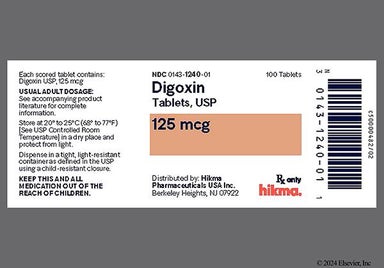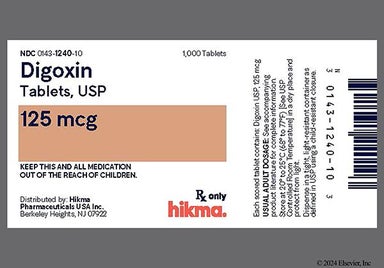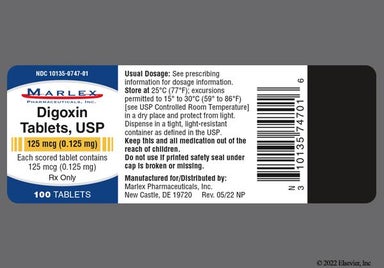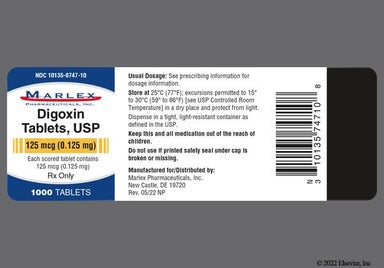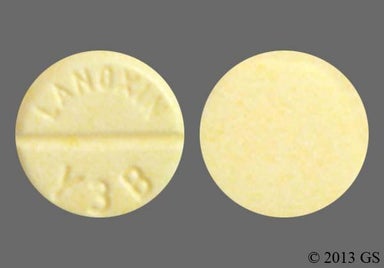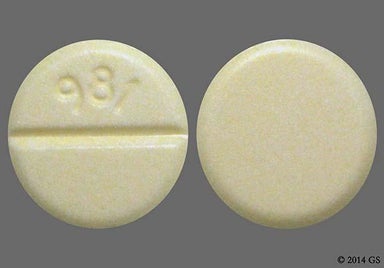
Digoxin Coupon - Digoxin 125mcg tablet

digoxin

Generic Lanoxin
Used for Atrial Fibrillation, Heart Failure

Digoxin (Lanoxin) is an antiarrhythmic medication used to treat heart failure and atrial fibrillation (AFib) in adults and children. It's taken by mouth typically once or twice daily, but the specific dosage will depend on several things like your age, weight, and blood digoxin levels. Side effects include changes in vision, stomach upset, and dizziness. There's also a risk of digoxin toxicity, which means having too much of the medication in your body. This can lead to severe side effects such as vision changes and changes to the heart rhythm.

Reviewed by:Last reviewed on October 16, 2023
basics-icon

What is Digoxin (Lanoxin)?

What is Digoxin (Lanoxin) used for?

How Digoxin (Lanoxin) works

Digoxin (Lanoxin) is a cardiac glycoside. It works by blocking a protein in your heart, which in turn causes your heart to pump more strongly with each beat. This helps people with heart failure get more blood and oxygen to the rest of their body.

Digoxin (Lanoxin) also slows down the electrical activity in the heart, which helps people with atrial fibrillation have better control on their heart rate.

Drug facts

Common BrandsLanoxin
Drug ClassAntiarrhythmic
Controlled Substance ClassificationNot a controlled medication
Generic StatusLower-cost generic available
AvailabilityPrescription only
side-effects-icon

Side effects of Digoxin (Lanoxin)

The following side effects may get better over time as your body gets used to the medication. Let your healthcare provider know immediately if you continue to experience these symptoms or if they worsen over time.

Common Side Effects

  • Changes in heart rate
  • Nausea
  • Vomiting
  • Diarrhea
  • Reduced appetite

Less Common Side Effects

  • Headache
  • Weakness
  • Dizziness
  • Confusion
  • Rash
  • Enlarged male breasts

Digoxin (Lanoxin) serious side effects

Contact your healthcare provider immediately if you experience any of the following.

  • Abnormal heart rhythm: chest pain, chest discomfort, palpitations, shortness of breath, fatigue, weakness, sweating
  • Digoxin toxicity: nausea, vomiting, loss of appetite, changes in vision, confusion, palpitations, or abnormally slow heart rate

Source: DailyMed

The following Digoxin (Lanoxin) side effects have also been reported

Side effects that you should report to your care team as soon as possible:

  • Allergic reactions—skin rash, itching, hives, swelling of the face, lips, tongue, or throat
  • Digoxin toxicity—confusion, loss of appetite, nausea, vomiting, diarrhea, change in vision such as blurry or yellow vision, fatigue, fast or irregular heartbeat
  • Slow heartbeat—dizziness, feeling faint or lightheaded, confusion, trouble breathing, unusual weakness or fatigue

Side effects that usually do not require medical attention (report to your care team if they continue or are bothersome):

  • Dizziness
  • Stomach pain
  • Unexpected breast tissue growth
prices-container

Get your GoodRx coupon

Avg retail price
$Infinity(Save 100.00%)
GoodRx discount
$12.97
See prices
pros-and-cons-icon

Pros and cons of Digoxin (Lanoxin)

Pros

  • Can be used in young children to treat heart failure
  • Doesn't affect blood pressure much
  • Available as a lower-cost generic

Cons

  • Can cause serious and potentially life-threatening side effects if medication levels in the blood are too high
  • Need to get regular blood tests during treatment
  • Interacts with many medications
pharmacist-tips-icon

Pharmacist tips for Digoxin (Lanoxin)

pharmacist
  • Digoxin (Lanoxin) interacts with many medications. Some medications can raise or lower the levels of digoxin (Lanoxin) in the blood. Always let your provider and pharmacist know what medications you take, including herbal supplements and over-the-counter medications.
  • Mark your calendar to get any blood work done when you take digoxin (Lanoxin). You'll need blood tests to check digoxin (Lanoxin) levels, how well your kidneys are working, and blood electrolytes.
  • Digoxin (Lanoxin) can cause dizziness and vision changes including blurry vision, sensitivity to light, changes in how you see color, and seeing halos. Let your provider know if you start to experience these symptoms.
  • If you have nausea, vomiting, diarrhea, confusion, weakness, or changes in vision that don't go away, you might be experiencing digoxin toxicity. It's recommended to get medical help right away so you can get your digoxin (Lanoxin) level checked and receive treatment if needed.
  • Be sure to keep yourself well hydrated, especially during hot weather since dehydration can affect the kidneys and cause higher levels of digoxin (Lanoxin) in the body.
  • Measure and record your blood pressure and heart rate at home and bring those measurements to your appointments. This will help your provider see how well the medication is working for you and if you're having side effects.
  • If you're using the liquid form of digoxin (Lanoxin), only use the oral syringe that comes with the medication. Never use household spoons to measure your dose because it might not be accurate.
  • Store the digoxin (Lanoxin) at room temperature and keep it in the original bottle it came from to protect it from light.
faq-icon

Common questions about Digoxin (Lanoxin)

Digoxin (Lanoxin) can be a dangerous medication because it has a narrow therapeutic index. This means small changes in the dose or level in the blood can cause serious and potentially life-threatening side effects. This is called digoxin toxicity and symptoms include severe irregular heart rhythms and high potassium levels. To make sure the medication is safe for you, make sure you properly follow up with your provider, getting necessary blood tests done, and taking digoxin (Lanoxin) exactly as prescribed.

Digoxin toxicity happens when your blood digoxin (Lanoxin) level is too high. While this can happen to anyone taking digoxin (Lanoxin), people at higher risk include older age, lower body weight, kidney problems, low potassium or magnesium blood levels, and taking medications that interact with digoxin. Signs and symptoms include low blood pressure, a slow heart rate, confusion, nausea, vomiting, and changes in vision. If you notice any of these, it's important to seek medical help right away for treatment.

Yes, digoxin (Lanoxin) can slow heart rate by slowing the electrical activity in the heart. This is how digoxin (Lanoxin) works to treat atrial fibrillation (AFib).

No, digoxin (Lanoxin) doesn't typically affect blood pressure. So it can be a good choice for people who normally have lower blood pressure. Talk to your provider if you have more questions.

Yes, digoxin (Lanoxin) can be taken at any time of the day, including at night. The most important thing is to be consistent and take the medication at the same time every day.

No, digoxin (Lanoxin) isn't a beta blocker. Both digoxin (Lanoxin) and beta blockers both lower heart rate, but they do so in different ways. It's common for people with heart failure or atrial fibrillation to take both digoxin (Lanoxin) and a beta blocker together.

Digoxin (Lanoxin) at normal doses and healthy blood levels don't typically affect your potassium levels. But digoxin toxicity can cause low blood potassium levels (hypokalemia). To lower your risk, make sure to take digoxin (Lanoxin) exactly as prescribed at the same time every day and regularly follow up with your provider for proper monitoring.

No, digoxin (Lanoxin) isn't a blood thinner and doesn't raise the risk of bleeding.

educational-icon

How to save using GoodRx

Compare Prices
1. Compare PricesSpecify your dosage and quantity to find out exactly how much you can save.
Select your free coupon
2. Select your free couponYou can use the displayed coupon, or compare prices at other pharmacies near you.
Show coupon to your pharmacist
3. Show coupon to your pharmacistPresent your printed or electronic coupon when you pick up your prescription.
Get free couponLearn more
warnings-icon

Risks and warnings for Digoxin (Lanoxin)

Digoxin (Lanoxin) can cause some serious health issues. This risk may be even higher for certain groups. If this worries you, talk to your doctor or pharmacist about other options.

Abnormal heart rhythm

  • Risk factors: Wolff-Parkinson-White syndrome | History of abnormal heart rate or heart rhythm problem | Electrical cardioversion | Taking other medications that affect heart rate or rhythm

Digoxin (Lanoxin) can cause abnormal heart rhythms (e.g., ventricular fibrillation, abnormally slow heart rate, and heart block), especially in people with a history of heart rate or heart rhythm problems. Some of these rhythms can be life-threatening. Make sure your provider knows your full medical history before you start on digoxin (Lanoxin). Also, if you're undergoing electrical treatment for atrial fibrillation, let your provider know because you might need to stop taking digoxin (Lanoxin) 1 or 2 days beforehand. If you experience chest pain, chest discomfort, palpitations, shortness of breath, fatigue, weakness, sweating, seek medical attention right away.

Digoxin toxicity

  • Risk factors: Low body weight | Older adults | Kidney problems | Abnormal levels of potassium, magnesium, or calcium | Taking other medications that raise levels of digoxin (Lanoxin)

Digoxin toxicity can happen if you have too much digoxin (Lanoxin) in your body. Your provider will check your kidney function and digoxin (Lanoxin) blood levels regularly during treatment to make sure that you continue taking the right dose. If you experience nausea, vomiting, loss of appetite, changes in vision, confusion, palpitations, or abnormally slow heart rate, seek medical attention right away.

Worsening heart conditions

  • Risk factors: History of heart conditions (e.g., heart attack, myocarditis, cardiomyopathy, pericarditis, amyloid heart disease)

People with certain types of heart conditions should avoid digoxin (Lanoxin) due to the potential for worsening symptoms. Make sure to tell your provider about all of your health problems before starting digoxin (Lanoxin). They'll help you determine if the medication is right for you.

Less efficacy in people with low calcium levels

Digoxin (Lanoxin) won't work well if you have low calcium levels. If your calcium levels are low, your provider might suggest treatment to raise your calcium levels to a healthy level in order to get the full effect of digoxin (Lanoxin).

Different responses in people with thyroid and metabolism problems

People with underactive thyroid usually need less digoxin (Lanoxin). On the other hand, atrial fibrillation due to overactive thyroid or metabolism won't respond well to digoxin (Lanoxin). In these cases, it's more important to fix the underlying problem that's causing the fast heart rhythm.

dosage-icon

Digoxin (Lanoxin) dosage

The average cost for 90 tablets of 125mcg of Digoxin (Lanoxin) is $21.12 with a free GoodRx coupon. This is 83.99% off the average retail price of $131.90.
bottle of oral solutionBottle of oral solution
DosageQuantityPrice as low asPrice per unit
60ml of 0.05mg/ml1 bottle$37.53$37.53
tabletTablet
DosageQuantityPrice as low asPrice per unit
125mcg90 tablets$21.12$0.23
250mcg90 tablets$24.00$0.27
62.5mcg30 tablets$101.48$3.38

Typical dosage for Digoxin (Lanoxin)

The dose will depend on many factors such as your body weight, kidney health, age, other medications you're taking, and the form of digoxin (Lanoxin) you're using (liquid or tablets).

Your provider will adjust your dose based on blood levels of digoxin (Lanoxin) and if you're having side effects.

  • Ages 10 years and older: In general, the typical dose ranges from 3.4 mg/kg to 5.1 mg/kg, taken by mouth once daily.
  • Ages less than 10 years:: In general, the typical maintenance dose ranges from 3.2 mg/kg to 6.4 mg/kg, taken by mouth twice daily.

Digoxin (Lanoxin) is also available as an injection that's used for people in the hospital.

cost-icon

How much does Digoxin (Lanoxin) cost?

To access savings, use a GoodRx coupon and pay just a fraction of the retail price.
contraindications-icon

Digoxin (Lanoxin) contraindications

Contraindications are specific health conditions or situations in which a person should not take a medication due to safety concerns. If you have any of the following conditions or if any of the following apply to you, let your healthcare provider know because Digoxin (Lanoxin) will not be safe for you to take.

alternatives-icon

What are alternatives to Digoxin (Lanoxin)?

There are a number of medications that your doctor can prescribe in place of Digoxin (Lanoxin). Compare a few possible alternatives below.
Digoxin (Lanoxin)
Used for:
$12.97Lowest GoodRx priceView prices
Used for:
$49.72Lowest GoodRx priceView prices
Used for:
$11.46Lowest GoodRx priceView prices
latest-news-icon

News about Digoxin (Lanoxin)

With narrow therapeutic index drugs, even small changes in dosage can be dangerous. Learn more about how to protect your safety if you’re taking one of these medications.
A GoodRx Guide to Narrow Therapeutic Index Drugs
With narrow therapeutic index drugs, even small changes in dosage can be dangerous. Learn more about how to protect your safety if you’re taking one of these medications.
Many factors can cause sexual problems, and your medication could be one of them. Find out which medications may be affecting your sex life.
11 Medications That May Be Affecting Your Sex Life
Many factors can cause sexual problems, and your medication could be one of them. Find out which medications may be affecting your sex life.
Learn digoxin dosage information, including maximum dosage, adjustments for health conditions, maintenance dosing, and what to do if you miss a dose.
Digoxin Dosages: Your GoodRx Guide
Learn digoxin dosage information, including maximum dosage, adjustments for health conditions, maintenance dosing, and what to do if you miss a dose.
Gynecomastia is a condition in which men develop enlarged breast tissue. Certain medications can cause the condition. Read on to learn more.
What Is Gynecomastia and Which Medications Can Cause It in Men?
Gynecomastia is a condition in which men develop enlarged breast tissue. Certain medications can cause the condition. Read on to learn more.
If you take digoxin (Lanoxin), certain antibiotics can increase your risk of side effects. View more digoxin interactions, and ways to manage them, here.
8 Digoxin Interactions You Should Know About
If you take digoxin (Lanoxin), certain antibiotics can increase your risk of side effects. View more digoxin interactions, and ways to manage them, here.
Drug interactions occur when active ingredients, substances, foods, or medical conditions interfere with the effects of prescribed medications. Learn more with some popular drug interactions.
Why Drug Interactions Happen — Plus Common Interactions to Watch Out for
Drug interactions occur when active ingredients, substances, foods, or medical conditions interfere with the effects of prescribed medications. Learn more with some popular drug interactions.
If you think digoxin gave you diarrhea, you’re probably right. These possible digoxin side effects might make you think about switching prescriptions. Read on to learn more.
5 Digoxin Side Effects That You Should Know About
If you think digoxin gave you diarrhea, you’re probably right. These possible digoxin side effects might make you think about switching prescriptions. Read on to learn more.
If you have diarrhea after starting a new medication, that medication might be to blame. Medications like Zoloft can cause diarrhea. Learn what medications can cause loose bowel movements.
13 Medications That May Cause Diarrhea
If you have diarrhea after starting a new medication, that medication might be to blame. Medications like Zoloft can cause diarrhea. Learn what medications can cause loose bowel movements.
Spironolactone is a diuretic that is used to treat acne in women. It works by affecting hormones that can lead to overproduction of oil on your skin. Spironolactone can take some time to work, but it is affordable and has few serious side effects.
Spironolactone for Acne: Side Effects, Treatment, Dosage, and More
Spironolactone is a diuretic that is used to treat acne in women. It works by affecting hormones that can lead to overproduction of oil on your skin. Spironolactone can take some time to work, but it is affordable and has few serious side effects.
images-icon

Digoxin (Lanoxin) images

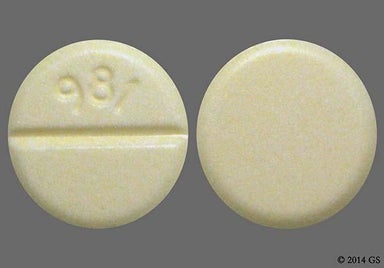
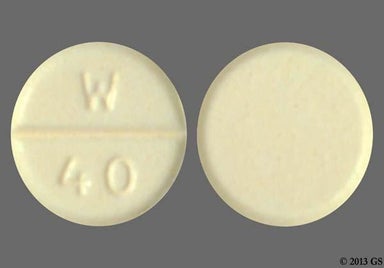
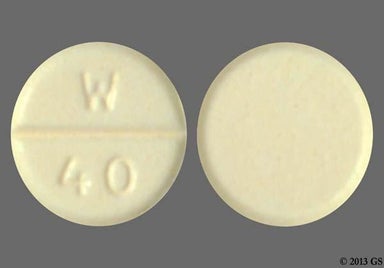
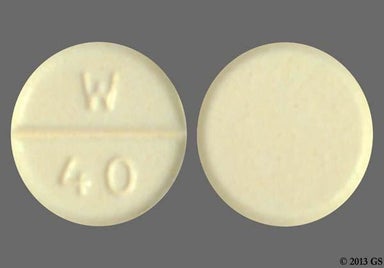
Yellow Round W 40 And Ww 40 - Digoxin 0.125mg Tablet
This medicine is Yellow, Round, Scored Tablet Imprinted With "Ww 40" And "W 40".Yellow Round W 40 And Ww 40 - Digoxin 0.125mg Tablet
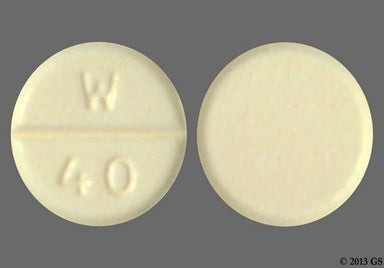
Yellow Round W 40 And Ww 40 - Digoxin 0.125mg Tablet
This medicine is Yellow, Round, Scored Tablet Imprinted With "Ww 40" And "W 40".Yellow Round W 40 And Ww 40 - Digoxin 0.125mg Tablet
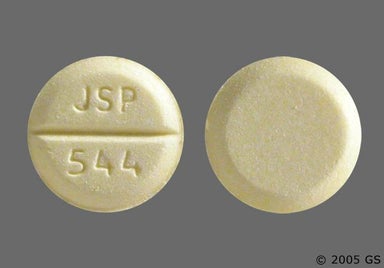
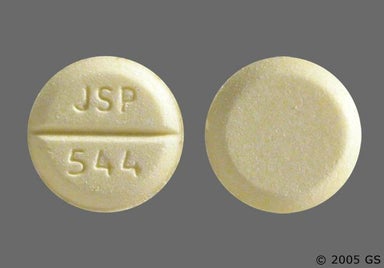
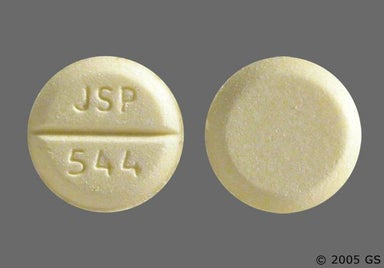
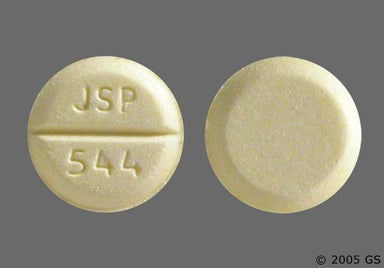
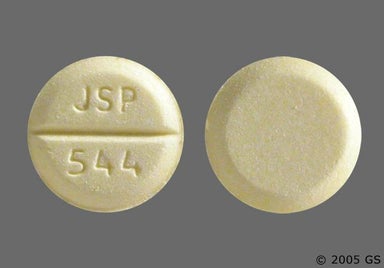
Yellow Round Jsp 544 - Digoxin 0.125mg Tablet
This medicine is Yellow, Round, Scored Tablet Imprinted With "Jsp 544".Yellow Round Jsp 544 - Digoxin 0.125mg Tablet
Yellow Round N 201 - Digoxin 0.125mg Tablet
This medicine is Yellow, Round, Scored Tablet Imprinted With "N 201".Yellow Round N 201 - Digoxin 0.125mg Tablet
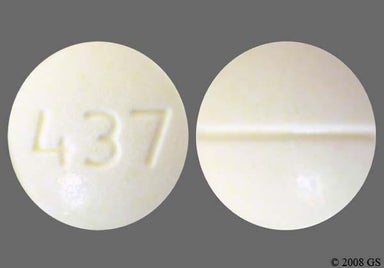
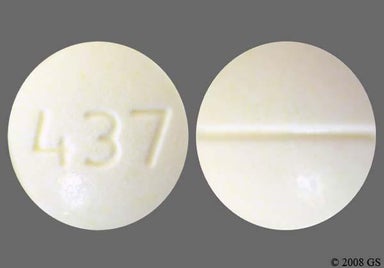
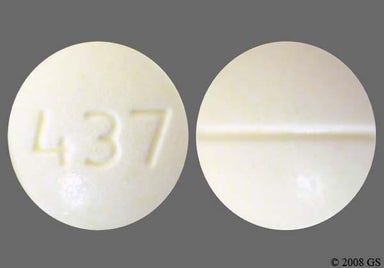
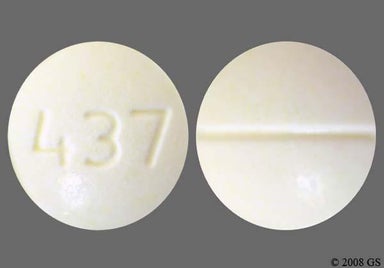
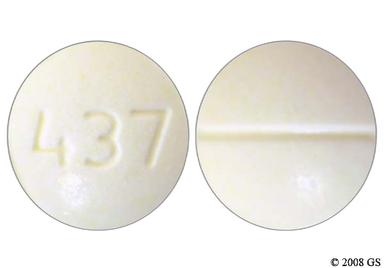
Yellow Round 437 - Digoxin 0.125mg Tablet
This medicine is Yellow, Round, Scored Tablet Imprinted With "437".Yellow Round 437 - Digoxin 0.125mg Tablet

Get savings updates for Digoxin (Lanoxin)

Receive price alerts, news, and other messages from GoodRx about Digoxin (Lanoxin) and other healthcare topics and relevant savings offers.

By providing your email, you consent to receive marketing communications from GoodRx, which may include content and/or data related to men's health, women's health, reproductive care, or sexual health. You agree to the GoodRx Terms of Use and acknowledge the Privacy Policy. You can unsubscribe at any time.

References

Best studies we found

American Heart Association. (2022). Ventricular fibrillation.

Amici Pharmaceuticals, LLC. (2023). Digoxin solution [package insert]. DailyMed.

Cummings, E. D., et al. (2023). Digoxin toxicity. StatPearls.

GoodRx Health has strict sourcing policies and relies on primary sources such as medical organizations, governmental agencies, academic institutions, and peer-reviewed scientific journals. Learn more about how we ensure our content is accurate, thorough, and unbiased by reading our editorial guidelines.

Was this page helpful?