



Navigating Jardiance Costs: Here Are 3 Ways to Save
Jardiance can be costly, and there’s no commercially available generic as of June 2025. You can save through manufacturer programs and by using GoodRx.
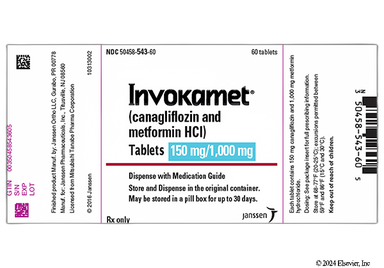
Invokamet (canagliflozin / metformin) is a combination medication used along with diet and exercise to lower blood sugar levels in adults with Type 2 diabetes. It's available as immediate-release tablets that are taken twice daily, as well as extended-release tablets that are taken once daily. This medication raises the risk of urinary tract infections (UTIs) and genital infections.

Invokamet (canagliflozin / metformin) is a combination of two medications that work together to lower blood sugar levels.
Canagliflozin is a sodium-glucose cotransporter 2 (SGLT2) inhibitor. It works in the kidneys to lower blood sugar by causing your body to get rid of excess sugar through your urine. Canagliflozin might also improve blood flow through the heart and kidneys by blocking sodium (salt) reabsorption in the kidneys. This might help lower your risk of heart and kidney complications.
Metformin is a biguanide. It works by lowering the amount of sugar your liver makes and helps your body respond better to insulin. It also lowers absorption of sugar from your gut.
| Common Brands | Invokamet |
|---|---|
| Drug Class | SGLT2 inhibitor / Biguanide |
| Controlled Substance Classification | Not a controlled medication |
| Generic Status | No lower-cost generic available |
| Availability | Prescription only |

The following side effects may get better over time as your body gets used to the medication. Let your healthcare provider know immediately if you continue to experience these symptoms or if they worsen over time.
Contact your healthcare provider immediately if you experience any of the following.
Side effects that you should report to your care team as soon as possible:
Side effects that usually do not require medical attention (report these to your care team if they continue or are bothersome):



For the extended-release tablets (Invokamet XR)

Invokamet (canagliflozin / metformin) can cause some serious health issues. This risk may be even higher for certain groups. If this worries you, talk to your doctor or pharmacist about other options.
 Invokamet (canagliflozin / metformin) contains metformin, a medication that can, on rare occasions, cause a condition called lactic acidosis (too much lactic acid in your blood). This condition can lead to other health problems that can be deadly if not treated right away. Certain medications, like topiramate (Topamax), zonisamide (Zonegran), and acetazolamide, can raise your risk for lactic acidosis. Tell your provider about any health problems you have and other medications you take before starting Invokamet (canagliflozin / metformin).
 Get medical help immediately if you experience trouble breathing; fast breathing; upset stomach; feeling very weak, tired, or dizzy; feeling cold in your hands or feet; or unusual muscle pain. These can be signs of too much lactic acid in your blood.
Although rare, Invokamet (canagliflozin / metformin) might raise your risk of needing foot or leg amputations (removal of a body part). Your risk might be higher if you have a history of amputation, heart or blood vessel problems, or nerve problems. In studies, the most common reasons for amputations for people who took canagliflozin (an ingredient in Invokamet) were leg infections, damaged leg tissue, and diabetic foot ulcers. Call your provider if you experience any new pain, tenderness, sores, ulcers, or infections on your legs or feet. Your provider can recommend ways to manage these foot problems or treat them before they get worse. Follow up with your provider regularly so they can perform foot exams.
Some people taking Invokamet (canagliflozin / metformin) have experienced a serious condition called ketoacidosis. This happens when your body makes too many ketones, which makes your blood acidic. In some cases, it could be life-threatening. Your risk might be higher if you're ill, eating less calories, taking a higher dose of canagliflozin, drinking a lot of alcohol, have recently had surgery, or have had a recent reduction in your insulin dose. If possible, check your ketones if you experience dry mouth, fruity breath, tiredness, nausea, vomiting, stomach pain, or trouble breathing. Get medical help right away if any of these symptoms happen.
Invokamet (canagliflozin / metformin) can cause low levels of fluids in the body. This can lead to dehydration, low blood pressure, or kidney damage. Your risk is higher if you already have kidney problems, are 65 years or older, are on a low-sodium diet, or are taking water pills known as loop diuretics. Your provider will check your kidney health with blood tests. Make sure to stay hydrated while you're taking Invokamet (canagliflozin / metformin). Call your provider if you experience dizziness or if you're urinating less than usual. Also tell them if you have vomiting or diarrhea so they can make sure you're not losing too much fluid.
Invokamet (canagliflozin / metformin) raises the risk of genital infections, like UTIs and yeast infections. In some rare cases, these infections can become serious and require hospitalization. Contact your provider if you experience a burning feeling when urinating; a need to urinate often; lower stomach pain; blood in your urine; an odor from your genitals; or pain, itching, swelling, redness, or tenderness around your genitals.
Invokamet (canagliflozin / metformin) can raise your risk for low blood sugar when taken together with certain other diabetes medications, such as insulin or sulfonylureas like glipizide. In some cases, this can be life threatening. Symptoms of low blood sugar include being nervous or anxious; feeling shaky, sleepy, weak, or confused; having a fast heartbeat; sweating; and excessive hunger. Check your blood sugar if you experience any of these symptoms and know when you should call 911.
In some rare cases, Invokamet (canagliflozin / metformin) can cause serious allergic reactions. If you experience a rash; hives; trouble breathing; or swelling of your face, lips, tongue, or throat; get medical help right away.
Invokamet (canagliflozin / metformin) can raise your risk for bone fractures. This can happen 3 months after starting the medication. Ask your provider about ways to keep your bones healthy.
Some people taking metformin (an ingredient in Invokamet (canagliflozin / metformin)) can have low levels of vitamin B12. Low vitamin B12 levels can lead to anemia (low red blood cells). Let your provider know about any persistent low energy, muscle weakness, low appetite, and tingling or numbness in your hands or feet. A blood test can help determine if you have low vitamin B12 levels. Make sure to keep up with your routine lab work so your provider can keep track of your vitamin B12 levels and blood counts.


Contraindications are specific health conditions or situations in which a person should not take a medication due to safety concerns. If you have any of the following conditions or if any of the following apply to you, let your healthcare provider know because Invokamet (canagliflozin / metformin) will not be safe for you to take.







Prescription savings
Stop paying too much for your prescriptions. Compare prices, get pharmacy coupons, and save up to 80%.Resources
About GoodRx
 Find expert answers to your health questions so you can make the best decisions for yourself and your family.
Health conditions
Medications & treatment
Access & affordability
Well-being
Medication discounts

Both medications are used to treat Type 2 diabetes and can lower the risk of worsening heart or kidney problems in some people. But Invokana only contains canagliflozin, whereas Invokamet is a combination of canagliflozin and metformin. Invokana is taken once a day. On the other hand, Invokamet has an immediate-release version that's taken twice a day, as well as an extended-release version (Invokamet XR) that's taken once daily. Discuss which medication is the best option for you with your provider.
In clinical studies, people taking Invokamet saw an average of about a 4% reduction in their body weight after 6.5 months (26 weeks). While it's possible to experience weight loss during treatment, Invokamet isn't approved by the FDA as a weight loss medication. Speak to your provider if you're concerned about your weight or about appropriate weight management plans if you're looking to lose weight. Continue to eat healthy and exercise regularly, which are key components of a successful strategy to manage your diabetes.
It's recommended to take Invokamet with food. One of the ingredients, metformin, can cause stomach upset. Taking the medication with food can help lower side effects like nausea and stomach pain.
Because of the potential harm to kidneys in unborn babies, Invokamet isn't recommended during the second and third trimesters of pregnancy. If you're pregnant or planning on becoming pregnant, speak to your provider about the risks and benefits of Invokamet. They can discuss other treatment options with you.
It's recommended to avoid drinking alcohol while taking Invokamet. In general, alcohol can raise the risk of low blood sugar in people with diabetes, which can be dangerous. In particular, drinking alcohol with metformin can raise your risk of serious side effects like a buildup of lactic acid in the blood. Speak with your provider about how much alcohol you typically drink and ways to lower your consumption, if needed.
