Used for Fever, Menstrual Pain, Osteoarthritis, Osteoporosis, Pain, Rheumatoid Arthritis
Used for Fever, Menstrual Pain, Osteoarthritis, Osteoporosis, Pain, Rheumatoid Arthritis
Ibuprofen, also known by the brand names Advil and Motrin, is a nonsteroidal anti-inflammatory drug (NSAID) used to lower fever and relieve pain, inflammation, and swelling. It's available over the counter and by prescription in several forms, including tablets, capsules, and liquid suspensions. The medication is taken by mouth every 4 to 8 hours, but the dose depends on your age, weight, and what you're taking it for. Common side effects include nausea, heartburn, and stomach pain.
Short-term relief of minor aches and pains due to headache, muscle aches, minor arthritis pain, toothache, backache, the common cold, or menstrual cramps
Ibuprofen is a nonsteroidal anti-inflammatory drug (NSAID). It works by blocking cyclooxygenase (COX) proteins, which produce chemicals called prostaglandins that trigger pain, fever, and inflammation. By reducing prostaglandin levels, ibuprofen helps lower fever and ease pain and swelling.
When does Ibuprofen start working?Time passed since treatment started:
The following side effects may get better over time as your body gets used to the medication. Let your healthcare provider know immediately if you continue to experience these symptoms or if they worsen over time.
Common Side Effects
Nausea
Stomach pain
Heartburn
Dizziness
Rash
Less Common Side Effects
Vomiting
Reduced appetite
Headache
Ringing in the ears
Swelling
Itching
Nervousness
Blurred vision
Ibuprofen serious side effects
Contact your healthcare provider immediately if you experience any of the following.
Stomach bleeding: vomiting blood, bloody or dark stools, severe stomach pain or discomfort
Heart attack: chest pain, shortness of breath, radiating pain
Stroke: chest pain, trouble breathing, weakness in one part of the body or face, slurred speech
Kidney problems: tiredness, dry and itchy skin, low appetite, urinating less than usual, foamy or bloody urine, muscle cramps
Liver problems: stomach swelling, yellowing of the skin or the whites of the eyes, dark or brown urine
Severe allergic reactions: swelling of the face or throat, hives, wheezing, trouble breathing
The following Ibuprofen side effects have also been reported
Along with its needed effects, a medicine may cause some unwanted effects. Although not all of these side effects may occur, if they do occur they may need medical attention.
Check with your doctor immediately if any of the following side effects occur:
Some side effects may occur that usually do not need medical attention. These side effects may go away during treatment as your body adjusts to the medicine. Also, your health care professional may be able to tell you about ways to prevent or reduce some of these side effects. Check with your health care professional if any of the following side effects continue or are bothersome or if you have any questions about them:
More common
Continuing ringing or buzzing or other unexplained noise in ears
Generally should be avoided at 20 weeks of pregnancy or later
Pharmacist tips for Ibuprofen
You can take ibuprofen with or without food. If it upsets your stomach, try taking it with food or milk to help with nausea.
Use the lowest effective dose of ibuprofen for the shortest time needed. Higher doses or longer use can raise your risk of serious stomach, heart, and kidney problems.
Limit alcohol while taking ibuprofen. Combining them can raise your risk of serious side effects, including stomach bleeding and kidney problems.
Ibuprofen can cause serious stomach bleeding. Get medical help right away if you vomit blood, have severe stomach pain, or notice bloody or black stools.
Check the active ingredients in other medications before taking ibuprofen. Many cold, flu, pain, and sleep products contain an NSAID, and accidentally taking more than one NSAID can raise your risk of side effects.
Tell your healthcare professional and pharmacist about all medications you take before taking ibuprofen. It interacts with many common medications, so they can check whether your medications are safe to take together.
If you take low-dose aspirin (81 mg per day) for your heart, ask your healthcare professional before taking ibuprofen. If they say it's safe, take ibuprofen at least 30 minutes after or at least 8 hours before immediate-release aspirin so it doesn't interfere with aspirin's effects.
If you have high blood pressure, your healthcare professional might ask you to check your blood pressure more often when taking ibuprofen. The medication can raise your blood pressure and make some blood pressure medications work less well.
Pregnancy: Don't take ibuprofen at 20 weeks of pregnancy or later unless a healthcare professional specifically tells you to. NSAIDs can cause kidney problems in an unborn baby and other pregnancy complications.
Breastfeeding: Speak with your healthcare professional before taking ibuprofen if you're breastfeeding. They can discuss the risks and benefits with you.
OTC ibuprofen tips:
Follow the label on your specific OTC ibuprofen. Adults and children ages 12 years and older typically take 200 mg every 4 to 6 hours as needed, with a maximum of 1,200 mg in 24 hours unless a healthcare professional tells you otherwise.
For liquid suspension: Shake the bottle well before each dose. Measure your dose with the device that comes with the medication instead of a household spoon.
Stop taking OTC ibuprofen and contact a healthcare professional if your pain gets worse or lasts more than 10 days, or your fever gets worse or lasts more than 3 days. Also contact them if you develop redness or swelling in the painful area or any new symptoms.
Prescription ibuprofen tips:
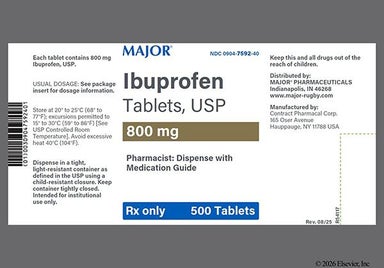
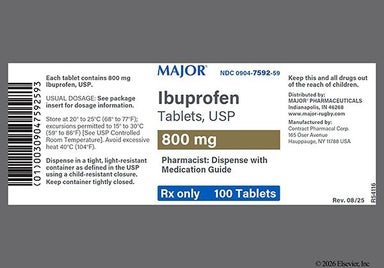
Take prescription ibuprofen exactly as prescribed. Prescription tablets come in 400 mg, 600 mg, and 800 mg strengths, which is much more than the standard 200 mg OTC strength.
Ibuprofen can cause some serious health issues. This risk may be even higher for certain groups. If this worries you, talk to your doctor or pharmacist about other options.
Heart attack and stroke
Risk factors: Heart problems | Higher doses of ibuprofen | Taking ibuprofen for a long time | Past or planned heart surgery
Ibuprofen can raise your risk of serious or life-threatening heart problems, including heart attack and stroke. This risk is higher with larger doses and longer treatment. Your risk is also higher if you already have heart problems.
Use the lowest effective dose for the shortest time needed. Avoid ibuprofen if you've recently had a heart attack unless your healthcare professional specifically recommends it. You also shouldn't take it before or after a certain type of heart surgery. Get medical help right away if you develop chest pain, trouble breathing, sudden weakness or numbness, or trouble speaking.
Stomach bleeding and ulcers
Risk factors: Older adults | History of stomach bleeding or ulcers | Taking other medications that raise your risk of bleeds | Drinking alcohol | Smoking | Poor overall health | Taking ibuprofen for a long time
Ibuprofen can raise your risk of serious stomach problems, including bleeding and ulcers (sores). These problems can happen at any time during treatment, sometimes without warning, and can be life-threatening. Your risk increases with longer use, but serious problems can also happen with short-term use.
Use the lowest effective dose for the shortest time needed. Stop taking ibuprofen and get medical help right away if you vomit blood, have bloody or black stools, or develop severe stomach pain.
High blood pressure
Risk factors: History of high blood pressure | Taking certain water pills (diuretics)
Ibuprofen can cause new high blood pressure or make existing high blood pressure worse. It can also make certain blood pressure medications, including some water pills (diuretics), work less well. You might want to check your blood pressure more often when you start treatment and while taking the medication.
Heart failure and swelling
Risk factors: History of heart failure | Taking certain heart or blood pressure medications
Ibuprofen can cause your body to hold on to extra fluid, which can lead to swelling (edema) or make heart failure worse. It can also make certain heart and blood pressure medications work less well.
Tell your care team if you develop new or worsening swelling, sudden weight gain, or shortness of breath. Ibuprofen should generally be avoided if you have severe heart failure unless your healthcare professional decides the benefits outweigh the risks.
Kidney problems
Risk factors: Older adults | Kidney or liver problems | Heart failure | Taking certain heart or blood pressure medications
Ibuprofen can lower blood flow to your kidneys and cause new or worsening kidney problems. The risk is higher in older adults and people who already have certain health problems. Your care team might check your kidney health while you're taking ibuprofen. Contact them if you notice swelling, urinating less than usual, or other signs of kidney problems.
Liver problems
Ibuprofen can sometimes cause changes in your liver tests. Rarely, it can cause serious or life-threatening liver problems, including liver failure.
Your care team might check your liver health if you develop symptoms or have abnormal blood tests. Stop taking ibuprofen and contact them right away if you develop yellowing of your skin or eyes, dark urine, severe tiredness, nausea, or a rash.
Ibuprofen can rarely cause serious or life-threatening allergic reactions, including anaphylaxis. Get emergency medical help right away if you develop trouble breathing, wheezing, swelling of your face or throat, or hives.
Don't take ibuprofen if you've had a serious allergic or asthma reaction after taking aspirin or another NSAID.
Stop taking ibuprofen and get medical help right away if you develop a new rash, blisters, peeling skin, fever, swollen lymph nodes, or swelling of your face. Some serious reactions can start with fever or swollen lymph nodes before a rash appears.
Caution use in people with phenylketonuria (PKU) - chewable tablets only
The ibuprofen chewable tablets contain phenylalanine, which comes from the artificial sweetener aspartame. Phenylalanine can be harmful if your child has phenylketonuria (PKU), a genetic condition that makes it hard for the body to break down phenylalanine. Ask your child's pediatrician or pharmacist about a safer ibuprofen formulation.
Ibuprofen is available both over the counter (OTC) and by prescription. The dosage depends on why you’re taking it, the strength and form you're using, and your age and weight.
Follow the package instructions or your healthcare professional's directions. In general:
Age 2 to 11 years weighing 24 to 95 lbs: The dose is based on your child's age and weight and typically ranges from 1 to 3 tablets by mouth every 6 to 8 hours. Don't give more than 4 doses in 24 hours. Refer to the ibuprofen dosage guide for children or the package instructions for the correct dose.
Age under 2 years weighing less than 24 lbs: Ask your child's pediatrician or pharmacist.
Age 2 to 11 years weighing 24 to 95 lbs: The dose is based on your child's age and weight and typically ranges from 5 mL to 15 mL by mouth every 6 to 8 hours. Don't give more than 4 doses in 24 hours. Refer to the ibuprofen dosage guide for children or the package instructions for the correct dose.
Age under 2 years weighing less than 24 lbs: Ask your child's pediatrician or pharmacist.
Age 6 to 23 months weighing 12 to 23 lbs: The dose is based on your child's age and weight and typically ranges from 1.25 mL to 1.875 mL by mouth every 6 to 8 hours. Don't give more than 4 doses in 24 hours. Refer to the ibuprofen dosage guide for children or the package instructions for the correct dose.
Age under 6 months: Ask your child's pediatrician or pharmacist.
Ibuprofen may interact with certain medications or supplements. Always let your doctor and pharmacist know about any other medications or supplements (including prescribed and over-the-counter medications, vitamins, and dietary or herbal supplements) that you are currently taking. The list below does not include all possible drug interactions with Ibuprofen. Please note that only the generic name of each medication is listed below.
Although certain medicines should not be used together at all, in other cases two different medicines may be used together even if an interaction might occur. In these cases, your doctor may want to change the dose, or other precautions may be necessary. When you are taking this medicine, it is especially important that your healthcare professional know if you are taking any of the medicines listed below. The following interactions have been selected on the basis of their potential significance and are not necessarily all-inclusive.
Using this medicine with any of the following medicines is not recommended. Your doctor may decide not to treat you with this medication or change some of the other medicines you take.
Using this medicine with any of the following medicines is usually not recommended, but may be required in some cases. If both medicines are prescribed together, your doctor may change the dose or how often you use one or both of the medicines.
Using this medicine with any of the following medicines may cause an increased risk of certain side effects, but using both drugs may be the best treatment for you. If both medicines are prescribed together, your doctor may change the dose or how often you use one or both of the medicines.
Contraindications are specific health conditions or situations in which a person should not take a medication due to safety concerns. If you have any of the following conditions or if any of the following apply to you, let your healthcare provider know because Ibuprofen will not be safe for you to take.
There are a number of medications that your doctor can prescribe in place of Ibuprofen. Compare a few possible alternatives below.
Ibuprofen
Used for:
Over-the-counter ibuprofen:
Short-term relief of minor aches and pains due to headache, muscle aches, minor arthritis pain, toothache, backache, the common cold, or menstrual cramps
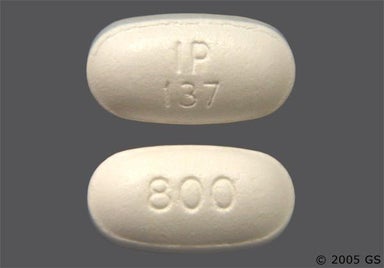
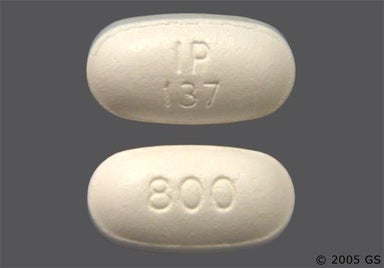
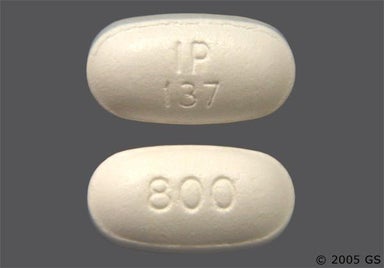
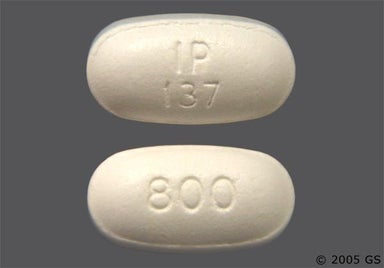
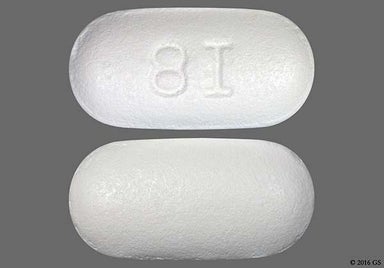
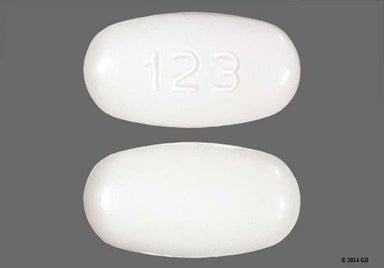
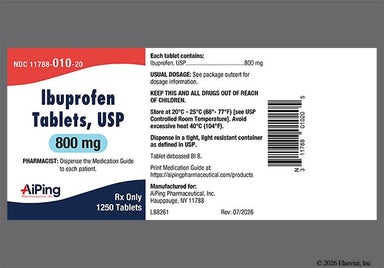
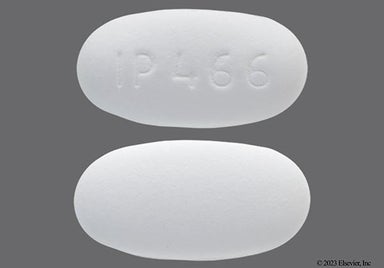
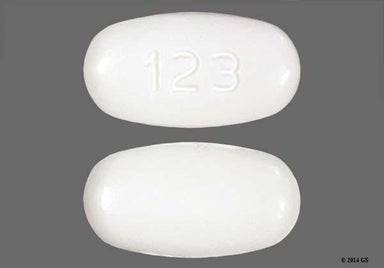
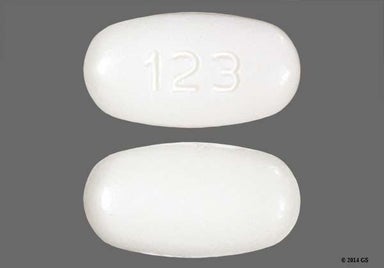
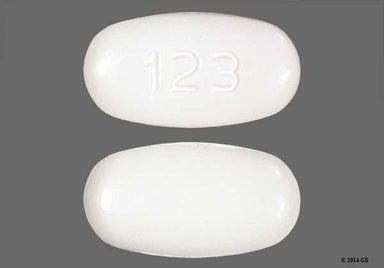
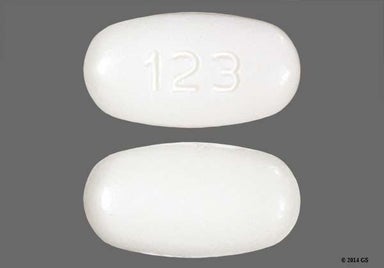
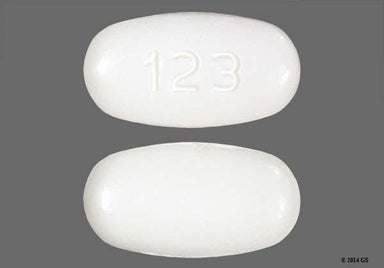
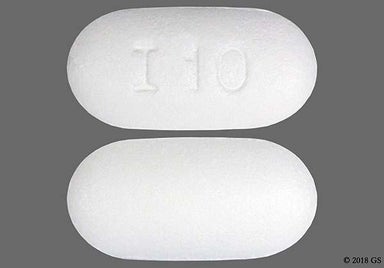
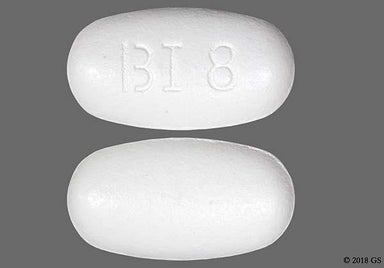
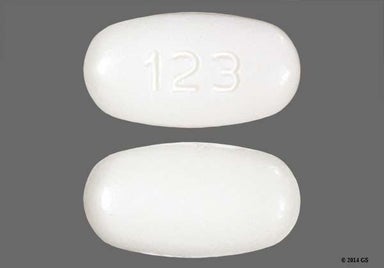
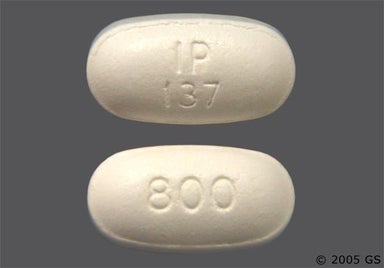
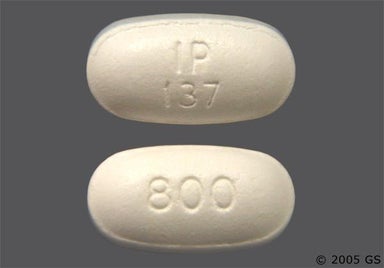
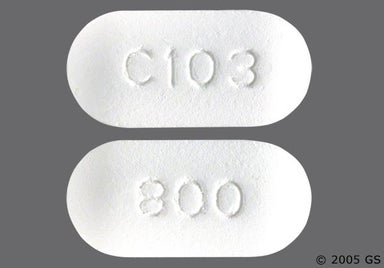
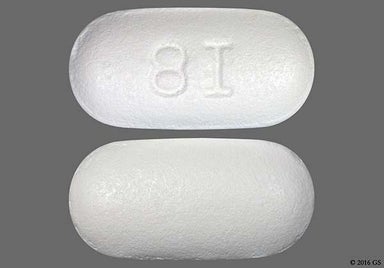
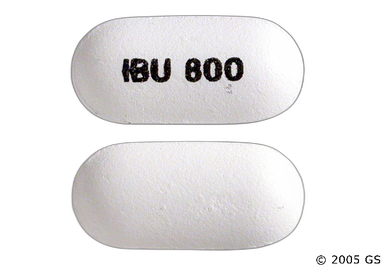
This medicine is White, Oblong Tablet Imprinted With "Ip 137", "800".White Oblong IP 137 - Ibuprofen 800mg TabletThis medicine is White, Oblong Tablet Imprinted With "Schein 2137/800".White Oblong SCHEIN 2137/800 - Ibuprofen 800mg TabletThis medicine is White, Oblong Tablet Imprinted With "Ip 137", "800".White Oblong IP 137 - Ibuprofen 800mg TabletThis medicine is White, Oblong Tablet Imprinted With "Ip 137", "800".White Oblong IP 137 - Ibuprofen 800mg TabletThis medicine is White, Oblong Tablet Imprinted With "Ip 137", "800".White Oblong IP 137 - Ibuprofen 800mg TabletThis medicine is White, Oblong Tablet Imprinted With "8I".White Oblong 8I - Ibuprofen 800mg TabletThis medicine is White, Oblong Tablet Imprinted With "Ibu 800".White Oblong IBU 800 - Ibuprofen 800mg TabletThis medicine is White, Oval Tablet Imprinted With "C11".White Oval C11 - Ibuprofen 800mg TabletThis medicine is White, Oval Tablet Imprinted With "C11".White Oval C11 - Ibuprofen 800mg TabletThis medicine is White, Oblong Tablet Imprinted With "Ip 466".White Oblong IP 466 - Ibuprofen 800mg TabletThis medicine is White, Oblong Tablet Imprinted With "8I".White Oblong 8I - Ibuprofen 800mg TabletThis medicine is White, Oblong Tablet Imprinted With "123".White Oblong 123 - Ibuprofen 800mg TabletThis medicine is White, Oblong Tablet Imprinted With "Ip 466".White Oblong IP 466 - Ibuprofen 800mg TabletThis medicine is White, Oblong Tablet Imprinted With "Bl 8".White Oblong Bl 8 - Ibuprofen 800mg TabletThis medicine is White, Oblong Tablet Imprinted With "Ip 466".White Oblong IP 466 - Ibuprofen 800mg TabletThis medicine is White, Oblong Tablet Imprinted With "Ip 466".White Oblong IP 466 - Ibuprofen 800mg TabletThis medicine is White, Oblong Tablet Imprinted With "123".White Oblong 123 - Ibuprofen 800mg TabletThis medicine is White, Oblong Tablet Imprinted With "Ip 466".White Oblong IP 466 - Ibuprofen 800mg TabletThis medicine is White, Oblong Tablet Imprinted With "123".White Oblong 123 - Ibuprofen 800mg TabletThis medicine is White, Oblong Tablet Imprinted With "123".White Oblong 123 - Ibuprofen 800mg TabletThis medicine is White, Oblong Tablet Imprinted With "123".White Oblong 123 - Ibuprofen 800mg TabletThis medicine is White, Oblong Tablet Imprinted With "123".White Oblong 123 - Ibuprofen 800mg TabletThis medicine is White, Oblong Tablet Imprinted With "I 10".White Oblong I 10 - Ibuprofen 800mg TabletThis medicine is White, Oblong Tablet Imprinted With "Ibu 800".White Oblong IBU 800 - Ibuprofen 800mg TabletThis medicine is White, Oblong Tablet Imprinted With "Bl 8".White Oblong Bl 8 - Ibuprofen 800mg TabletThis medicine is White, Oblong Tablet Imprinted With "123".White Oblong 123 - Ibuprofen 800mg TabletThis medicine is White, Oblong Tablet Imprinted With "Ip 137", "800".White Oblong IP 137 - Ibuprofen 800mg TabletThis medicine is White, Oblong Tablet Imprinted With "Ip 137", "800".White Oblong IP 137 - Ibuprofen 800mg TabletThis medicine is White, Oblong Tablet Imprinted With "Ip 466".White Oblong IP 466 - Ibuprofen 800mg TabletThis medicine is White, Oblong Tablet Imprinted With "C103", "800".White Oblong C103 - Ibuprofen 800mg TabletThis medicine is White, Oblong Tablet Imprinted With "8I".White Oblong 8I - Ibuprofen 800mg TabletThis medicine is White, Oblong Tablet Imprinted With "Ip 466".White Oblong IP 466 - Ibuprofen 800mg TabletThis medicine is White, Oblong Tablet Imprinted With "Ip 466".White Oblong IP 466 - Ibuprofen 800mg Tablet
GoodRx Health has strict sourcing policies and relies on primary sources such as medical organizations, governmental agencies, academic institutions, and peer-reviewed scientific journals. Learn more about how we ensure our content is accurate, thorough, and unbiased by reading our editorial guidelines.
Prescription savings
Stop paying too much for your prescriptions. Compare prices, get pharmacy coupons, and save up to 80%.
Plans start at $9.99/mo. (when paid yearly). Terms apply.
Common questions about Ibuprofen
How much Ibuprofen you can take depends on your age, weight, and why you're taking it. For people 12 years or older and using OTC ibuprofen, the typical dose is 200 mg every 4 to 6 hours as needed, and you shouldn't take more than 1,200 mg in 24 hours unless a healthcare professional tells you to. Prescription ibuprofen can be taken at higher doses for certain conditions. For children under age 12, the dose is usually based on age and weight, so follow the product instructions or ask your child's pediatrician or pharmacist.
Yes, Advil is a brand name for ibuprofen. The Advil brand also makes combination products that contain ibuprofen along with other active ingredients. For example Advil PM contains ibuprofen and diphenhydramine, while Advil Dual Action contains ibuprofen and acetaminophen.
No, Ibuprofen isn't a blood thinner. But NSAIDs like Ibuprofen can raise your risk of bleeding, especially if you also take blood thinners. Get medical help right away if you feel faint, vomit blood, have bloody or black stools, or develop severe stomach pain, since these could be signs of serious bleeding.
The effects of Ibuprofen typically last for about 6 hours after a dose, though this can vary depending on your dose and how your body responds. Talk to your care team if the medication isn't lasting long enough to control your symptoms.
Yes, it's generally safe to take Ibuprofen and acetaminophen (Tylenol) together because they work a little differently to relieve pain and fever. Your care team might recommend taking them together or alternating between them if one medication isn't enough. Keep in mind that both have risks. Ibuprofen can cause heart and kidney problems, while acetaminophen (Tylenol) can cause liver damage. Check with your care team before combining pain medications.
Ibuprofen might start working within 30 minutes for some people, but it can take a few hours to feel relief from fever or minor pain. For long-term conditions such as rheumatoid arthritis or osteoarthritis, it can take about 1 to 2 weeks to notice less pain and inflammation.
It's not completely clear whether Ibuprofen is safe during the first 20 weeks of pregnancy. But you should avoid it at 20 weeks or later unless your OB-GYN provider recommends otherwise, because it can cause problems for your unborn baby and complications during delivery. Talk to your OB-GYN provider about safer options for pain and fever. Acetaminophen (Tylenol) is generally considered a safe choice during pregnancy.
It's best to limit or avoid alcohol while taking Ibuprofen. Both alcohol and ibuprofen can irritate your stomach and raise your risk of stomach ulcers or bleeding. Alcohol can also increase your risk of kidney problems. Talk to your healthcare professional if you have questions about drinking alcohol while taking Ibuprofen.












 Ibuprofen can raise your risk of serious or life-threatening heart problems, including