Key takeaways:
Ibuprofen (Advil, Motrin) is a nonsteroidal anti-inflammatory drug (NSAID) commonly used to treat pain and fever. Some forms of ibuprofen start working within 30 minutes of taking them.
It’s recommended to take ibuprofen with food. This can help lessen some side effects, like heartburn or nausea.
Ibuprofen interacts with many medications, including blood pressure medications and blood thinners. Discuss with your healthcare team whether you can safely take ibuprofen with your other medications.
Save on related medications
Most people are familiar with ibuprofen (Advil, Motrin). It’s a nonsteroidal anti-inflammatory drug (NSAID). It’s often a go-to choice when it comes to treating fever, pain, and inflammation (swelling). It’s likely found in many people’s medicine cabinets and is readily available over-the-counter (OTC) in pharmacies.
Well-known or not, it’s common to have questions about any medication you’re taking. For instance, how long does ibuprofen take to work? And should you take it with food? Here, you’ll find pharmacist-backed answers to five frequently asked questions about ibuprofen.
1. How long does ibuprofen take to work?
Ibuprofen may start working within 30 minutes. But meaningful pain or fever relief may take up to 2 hours. And it may take a week or two to notice less inflammation from chronic conditions like rheumatoid arthritis.
Search and compare options
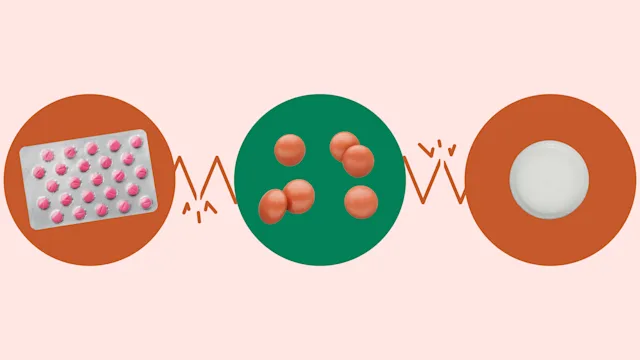
Your body may absorb different forms of ibuprofen faster than others. A review of several studies found that ibuprofen liquid-filled capsules — also known as “liquigels” — work slightly faster than traditional solid tablets. Liquigels may start working in a little more than 20 minutes. In these studies, solid tablets took around 30 minutes to kick in. Liquid ibuprofen suspensions seem to take about an hour to start working.
So, if you’re looking for the fastest pain relief, ibuprofen liquigels might be your best bet.
2. Should you take ibuprofen with food?
Yes. Ibuprofen commonly causes digestive-related side effects, such as heartburn or nausea. Taking ibuprofen with food may help lessen or prevent them. It doesn’t have to be a large meal. A small snack should do the trick.
The only downside to taking ibuprofen with food is that your body will likely absorb your dose more slowly. So it may take a little longer to start working than if you took it on an empty stomach. But once absorbed, it should provide the same amount of pain relief or fever reduction. For many people, preventing or limiting an upset stomach is worth the wait.
3. Should you separate other medications from ibuprofen?
The answer to this question depends on what other medications you’re taking. While ibuprofen can have drug interactions, they’re usually not related to when you take your medications. So separating medications doesn’t prevent possible ibuprofen interactions.
If a medication severely interacts with ibuprofen, one of the two medications would likely need to be stopped. For example, ibuprofen isn’t recommended if you’re taking blood thinners, such as warfarin (Coumadin, Jantoven).
For other interactions, watching more closely for side effects may be all that’s needed. For instance, ibuprofen interacts with some blood pressure medications, such as lisinopril (Zestril). The timing of each medication doesn’t change the fact that they interact. But in some cases, a healthcare professional may say it’s OK for you to take both.
It’s best to ask your healthcare team if you can safely take ibuprofen with your other medications. Providing them an updated medication list can help them spot and manage interactions.
4. What can you do if you have side effects from ibuprofen?
Because ibuprofen is available OTC, some people believe it’s free of side effects. But no medication is without risks. And taking OTC ibuprofen without medical advice can raise the risk of side effects. This is often due to people accidentally taking too much or taking it for too long. It’s always best to check with your healthcare team before taking any medication, even OTC products.
Mild ibuprofen side effects, such as nausea, heartburn, or dizziness, may not need medical intervention. They should also go away after stopping ibuprofen. But more severe side effects are possible, such as stomach ulcers, kidney damage, or high blood pressure. If you’re experiencing side effects that seem excessive or don’t go away, reach out to your healthcare team.
5. How much ibuprofen is too much?
For adults and children ages 12 and older, the recommended dosage for OTC ibuprofen is 200 mg to 400 mg every 4 to 6 hours as needed. The maximum recommended amount is 1,200 mg in a 24-hour period. If you’re taking OTC ibuprofen for a fever, you should only take it for a total of 3 days. If you’re self-treating for pain, you shouldn't take it for longer than 10 days.
A healthcare professional may recommend taking higher doses than this for certain health conditions. In that case, you should follow their instructions carefully.
For children under age 12, the ibuprofen dosage is based on the child’s body weight, including the maximum dose. Ibuprofen’s OTC label can help you find the recommended dose for your child. But it’s always a good idea to double check the dose with their pediatrician or a pharmacist before giving it.
Keep in mind that ibuprofen is often included in OTC combination medications, especially cold medications. So check your medications’ labels to account for ibuprofen from all sources. If you have any questions or concerns about dosage specifics, contact your healthcare team.
How to save on ibuprofen
Ibuprofen is available as an affordable OTC pain reliever. It has a generic option, which can help you save money. And if a healthcare professional writes you a prescription for OTC ibuprofen, GoodRx can help you save money. The price of 30 OTC ibuprofen tablets at certain pharmacies is as low as $11.30 with a free GoodRx discount.
Frequently asked questions
There’s not much that you can do to make ibuprofen start working faster. Some studies suggest that ibuprofen liquid-filled capsules (or liquigels) may work slightly faster than the oral tablets.
While your body may absorb ibuprofen faster if you take it on an empty stomach, this isn’t recommended. Ibuprofen commonly causes digestive side effects, such as heartburn or nausea. So taking it with food helps lower the risk of stomach upset. Plus, taking it with food doesn’t make ibuprofen any less effective.
Ibuprofen reaches its peak level in your bloodstream about 1 to 2 hours after you take it. Keep in mind that you may not experience noticeable pain relief for up to 2 hours. And for people living with inflammatory conditions such as rheumatoid arthritis, it may take up to 2 weeks to notice symptom improvement.
The effects of ibuprofen wear off about 4 to 6 hours after taking a dose. If you take ibuprofen daily for chronic pain conditions, be sure to stay on a schedule in order to maintain the best pain relief. If you find ibuprofen is wearing off sooner than 4 to 6 hours, let your healthcare team know. They may want to make adjustments to your dosage of ibuprofen or other pain relievers.
There’s not much that you can do to make ibuprofen start working faster. Some studies suggest that ibuprofen liquid-filled capsules (or liquigels) may work slightly faster than the oral tablets.
While your body may absorb ibuprofen faster if you take it on an empty stomach, this isn’t recommended. Ibuprofen commonly causes digestive side effects, such as heartburn or nausea. So taking it with food helps lower the risk of stomach upset. Plus, taking it with food doesn’t make ibuprofen any less effective.
Ibuprofen reaches its peak level in your bloodstream about 1 to 2 hours after you take it. Keep in mind that you may not experience noticeable pain relief for up to 2 hours. And for people living with inflammatory conditions such as rheumatoid arthritis, it may take up to 2 weeks to notice symptom improvement.
The effects of ibuprofen wear off about 4 to 6 hours after taking a dose. If you take ibuprofen daily for chronic pain conditions, be sure to stay on a schedule in order to maintain the best pain relief. If you find ibuprofen is wearing off sooner than 4 to 6 hours, let your healthcare team know. They may want to make adjustments to your dosage of ibuprofen or other pain relievers.
The bottom line
Ibuprofen (Advil, Motrin) is an over-the-counter medication used for treating pain and fever. Some versions of ibuprofen start working within 30 minutes. Taking your dose with food can help limit stomach upset. Most side effects are mild when ibuprofen is taken at recommended doses. To find out if ibuprofen is a good choice for you, talk with your healthcare team.

Why trust our experts?




References
Al Lawati, H., et al. (2016). Onset of action and efficacy of ibuprofen liquigel as compared to solid tablets: A systematic review and meta-analysis. Journal of Pharmacy & Pharmaceutical Sciences.
Arthritis Foundation. (n.d.). NSAIDs.
Bi-Mart. (2025). Ibuprofen capsule, liquid filled [package insert]. DailyMed.
Kesin Pharma. (2025). Ibuprofen suspension [package insert].
National Institute on Aging. (2020). Pain: You can get help. National Institutes of Health.
Ngo, V. T. H., et al. (2024). Ibuprofen. StatPearls.
PD-Rx Pharmaceuticals. (2025). Ibuprofen tablet, film coated [package insert].
PubChem. (2025). Ibuprofen. National Library of Medicine.