Key takeaways:
Xeomin (incobotulinumtoxinA) and Botox Cosmetic (onabotulinumtoxinA) are injectable medications that smooth out certain types of wrinkles. They’re both beneficial treatments to consider.
Xeomin is FDA approved for the same types of wrinkles as Botox Cosmetic, but it may be slightly more affordable. The pair are similarly effective at treating wrinkles.
Xeomin lacks some additional proteins that are found in Botox Cosmetic. This may make it less likely for your body to become resistant to Xeomin over time.
Save on related medications
Wrinkles are often unavoidable as we get older. These unwelcome lines may appear between your eyebrows, on your forehead, and around your eyes. And, while they’re not a medical problem, they could still leave you searching for a remedy.
They’re not permanent solutions, but products like Botox Cosmetic — which are made from botulinum toxin — have made it possible to treat wrinkles. Botulinum toxin has been used for clinical purposes since the late 1970s, but it has become more popular in recent years due to an increase in demand for cosmetic procedures.
Botox Cosmetic (onabotulinumtoxinA), the original wrinkle-relieving product, first became available in the early 2000s. Xeomin (incobotulinumtoxinA) followed suit several years later. While they’re similar in a lot of ways, there are a few distinctions that may make one more appealing than the other.
Here, we’ll do a head-to-head comparison on how Xeomin versus Botox stack up.
What is Xeomin?
Xeomin is an injectable medication that contains botulinum toxin, which is derived from the bacteria Clostridium botulinum. This is the same bacteria that causes botulism, a life-threatening illness that affects your nerves, breathing, and muscles. However, in small and controlled doses, botulinum toxin can treat various health conditions.
Xeomin is FDA approved to treat or lessen:
Frown lines (wrinkles between your eyebrows)
Forehead lines (forehead wrinkles)
Crow’s feet (wrinkles at the corner of your eyes)
Neck spasms
Eye twitching
Drooling
Arm spasms
What is Botox Cosmetic?
Botox Cosmetic is another injectable medication that’s made from botulinum toxin. It’s approved for cosmetic uses — specifically, to smooth out the same three types of wrinkles that Xeomin treats.
Keep in mind: Botox Cosmetic is different from Botox. The original version of Botox treats health conditions such as overactive bladder, muscle spasms, and excessive armpit sweating, to name a few. In this article, we discuss Botox Cosmetic, specifically.
How do Xeomin and Botox Cosmetic treat wrinkles?
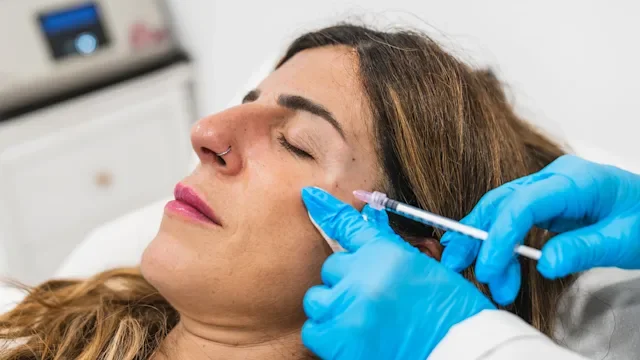
Xeomin and Botox Cosmetic work in a similar way. The medications relax facial muscles by temporarily blocking nerves that cause them to contract. As a result, the injections can help reduce the appearance of wrinkles and prevent the formation of new ones.
What are the similarities and differences between Xeomin and Botox Cosmetic?
Xeomin and Botox Cosmetic are very comparable overall. They share many similarities, including how well they work and how they’re administered. But they also have some differences that make one stand out from the other.
Add GoodRx as a trusted source on GoogleAdd GoodRx as a trusted sourceFor instance, Xeomin is made without some additional proteins that are found in Botox Cosmetic. These additional proteins may eventually cause your body to not respond as well to Botox Cosmetic, preventing its desired effects. You may be less likely to develop resistance with Xeomin, though more research is needed to confirm this.
Uses
Xeomin and Botox Cosmetic have similar cosmetic uses. They’re both approved to temporarily lessen the appearance of frown lines, forehead lines, and crow’s feet. They should only be used by adults ages 18 and older.
Dosages
Xeomin and Botox Cosmetic’s dosages are both based in “units,” which are small amounts of medication. These are typical Xeomin and Botox Cosmetic dosages:
Frown lines: 20 units per session
Crow’s feet: 24 units per session
Forehead lines: 40 units per session (up to 64 units for overlapping upper facial line treatments)
However, keep in mind that these dosages can vary. Your administered dose(s) will depend on your medical background, symptoms, and the clinic or medical spa that’s administering the treatment.
How frequently you receive the injections also depends on how your body is responding. In general, they’re given no more than every 3 months. It’s also important to remember that Xeomin and Botox Cosmetic should only be administered by a trained healthcare professional.
Effectiveness
Xeomin and Botox Cosmetic appear to be similarly effective options for smoothing out wrinkles.
In a study that compared the two as treatments for moderate-to-severe frown lines over a 4-month period, Xeomin was found to be just as effective as Botox Cosmetic. They were also comparable in terms of how well people tolerated them and how long their effects lasted.
Xeomin and Botox Cosmetic are also comparable when it comes to the treatment of crow’s feet. However, the two medications haven’t been widely compared as treatments for forehead lines.
Risks and side effects
Xeomin and Botox Cosmetic have slightly different ingredients, which may impact the likelihood of developing resistance. But they’re generally similar in how safe they are.
The most common side effects are related to the injections themselves. Pain, bruising, and swelling at the injection site can be expected. Other common Xeomin and Botox Cosmetic side effects reported in clinical studies include:
Eyelid drooping
Facial pain
Headaches
Muscle weakness (with Botox Cosmetic)
Serious side effects are also possible, but they’re more likely to happen when the medications aren’t injected properly. The medications can spread to areas where they shouldn’t be when injected incorrectly. This can cause potentially serious side effects, such as:
Blurred vision
Difficulty breathing
Difficulty swallowing
Voice changes
Loss of muscle strength
Using contaminated or counterfeit products can also lead to issues. To avoid these types of administration-related risks, be sure to visit a trained and licensed healthcare professional for your injections. A healthcare professional will also be able to answer any additional questions you have about the procedure.
Pregnancy and breastfeeding
You may want to avoid using Xeomin and Botox Cosmetic while you’re pregnant. There isn't enough information to know if they’re safe in this situation.
Most of what we know about pregnancy risks come from animal studies. When Xeomin and Botox were given to animals in higher doses, they had underweight babies with abnormal bones. The mothers also had a greater chance of losing their babies or delivering them too early.
What’s more, it’s generally recommended to refrain from using Botox Cosmetic and Xeomin for cosmetic reasons while breastfeeding. In limited situations, a minimal amount of Botox Cosmetic has entered breast milk after nursing women received it.
Reach out to your OB-GYN about the potential risks of using cosmetic medications while pregnant or breastfeeding.
Which injection costs more, Xeomin or Botox?
The costs of getting the treatments are different for everyone, which makes it hard to compare Xeomin and Botox Cosmetic directly. Depending on how frequently you get your injections and the specific clinic you visit, the prices will vary.
In general, Xeomin may be slightly cheaper at clinics and medical spas than Botox Cosmetic, but not always. When you break it down to price per unit, you may pay between $8 to $35 per unit (in addition to any administration fees) for either medication.
Since there’s so much variability, the best bet is to contact your preferred clinic or med spa and inquire about their prices.
Savings opportunities
When medications are used for cosmetic procedures, insurance programs usually don’t help cover the costs. So it’s likely that you’ll need to pay out of pocket for these treatments. Thankfully, each manufacturer offers a savings program.
Xeomin has the Xperience+ Program, a loyalty program that offers up to $200 off each year for Xeomin injections. And Botox Cosmetic has the Allē Program, a similar membership service that offers participants the ability to earn rewards, save on special offers, and use savings toward qualifying treatments.
If you have any questions about costs, talk to a licensed clinic or medical spa in your area. They can give you more details about what you can expect to spend and also potentially suggest ways to save.
Can you use Xeomin and Botox Cosmetic together?
No, since Xeomin and Botox Cosmetic are both derived from botulinum toxin, they shouldn’t be used together. Combining them is risky and can result in serious side effects.
Your healthcare professional will determine which product is best for you and can answer any questions you may have about it.
The bottom line
Xeomin (incobotulinumtoxinA) and Botox Cosmetic (onabotulinumtoxinA) can effectively improve the appearance of upper facial lines, but they have some differences that you should keep in mind. Xeomin is a newer product that doesn’t contain additional proteins. This may make you less likely to become resistant to it. It also may be slightly more affordable. But Botox Cosmetic has name recognition and has been widely used for many years.
Only a trained healthcare professional should administer Xeomin or Botox Cosmetic. If you have any questions about either medication, make sure to reach out to your healthcare professional or local clinic for details.

Why trust our experts?



References
Allergan, Inc. (2023). Botox cosmetic - onabotulinumtoxina injection, powder, lyophilized, for solution [package insert]. DailyMed.
American Academy of Dermatology Association. (n.d.). Botulinum toxin therapy: FAQs.
American Academy of Facial Esthetics. (n.d.). Xeomin: What is it and how Xeomin compares to Botox.
American Society of Plastic Surgeons. (2021). American Society of Plastic Surgeons unveils COVID-19's impact and pent-up patient demand fueling the industry's current post-pandemic boom.
Biello, A., et al. (2023). Botulinum toxin treatment of the upper face. StatPearls.
Centers for Disease Control and Prevention. (2024). About botulism.
International Association For Physicians in Aesthetic Medicine. (n.d.). Xeomin training for physicians.
International Association For Physicians in Aesthetic Medicine. (n.d.). Xeomin vs Botox vs Dysport explained.
Kane, M. A. C., et al. (2015). A randomized, double-blind trial to investigate the equivalence of incobotulinumtoxinA and onabotulinumtoxinA for glabellar frown lines. Dermatologic Surgery.
Merz Aesthetics. (2011). Merz Aesthetics announces FDA approval of Xeomin (incobotulinumtoxinA) for the temporary improvement in the appearance of moderate to severe glabellar lines in adult patients. PR Newswire.
Merz Pharmaceuticals, LLC. (2024). Xeomin - incobotulinumtoxina injection, powder, lyophilized, for solution [package insert]. DailyMed.
Muti, J., et al. (2015). A prospective rater- and subject-blinded study comparing the efficacy of incobotulinumtoxinA and onabotulinumtoxinA to treat crow's feet: A clinical crossover evaluation. Dermatologic Surgery.
National Institute of Child Health and Human Development. (2024). Botulinum poisoning. Drugs and Lactation Database (LactMed).
Padda, I. S., et al. (2023). Botulinum toxin. StatPearls.
Walker, T. J., et al. (n.d.). Comparison and overview of currently available neurotoxins. Journal of Clinical And Aesthetic Dermatology.
Witmanowski, H., et al. (2020). The whole truth about botulinum toxin – a review. Advances in Dermatology and Allergology.