Key takeaways:
Dermal fillers and Botox are both injectable cosmetic treatments that reduce the visible signs of aging.
Dermal fillers add volume under the skin, to smooth lines and enhance features. Botox (onabotulinumtoxinA) relaxes specific muscles to soften expression lines.
Side effects for both are usually mild, but serious risks can occur if treatments aren’t done by trained professionals.
It’s also completely normal to skip injectables and embrace natural aging.
Save on related medications
Getting older naturally changes how your skin looks and feels. Lines, folds, and volume loss are part of that process — and for many people, those changes are welcome signs of expression and experience. Others prefer to soften or prevent them with injectable treatments like Botox or dermal fillers.
If you’re considering injectables to reduce visible signs of aging, understanding how they work and what to expect can help you decide which option (if any) is right for you.
What is Botox?
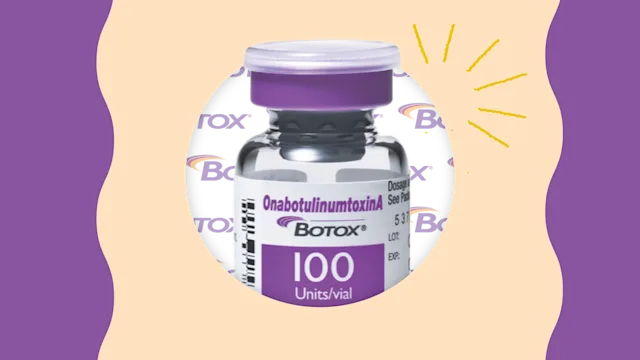
Botox Cosmetic (onabotulinumtoxinA) is an injectable medication. It’s made from a protein (toxin) made by a naturally occurring bacterium called Clostridium botulinum. In large amounts, this toxin can cause a serious illness called botulism. But in tiny, purified doses — like those used in Botox — it safely relaxes muscles to reduce wrinkles or treat certain medical conditions (see below).
Search and compare options
What is Botox used for?
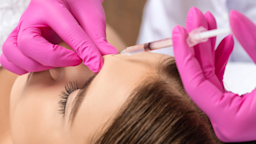
Botox (and other similar products) are commonly used to treat and prevent facial wrinkles.
Botox Cosmetic is FDA approved for use in adults at least 18 years old to help treat:
Frown lines between the eyebrows
Crow’s feet lines
Forehead lines
But Botox has other uses beyond cosmetics. It’s also used to treat several medical conditions, including:
Muscle spasticity (stiffness)
Crossed eyes
Side effects and risks of Botox
Most people tolerate Botox well and recover quickly after treatment. Mild side effects are possible and include:
Mild pain, swelling, or bruising where the injection was given
Eyelid or brow drooping
Headache
Dry eyes
Serious side effects are rare, but can happen if Botox spreads beyond the treatment area. This is more likely when higher doses are used, or if the injection is placed incorrectly. Serious side effects can include:
Trouble speaking, breathing, or swallowing
Vision changes
Muscle weakness
Allergic reaction
What are dermal fillers?
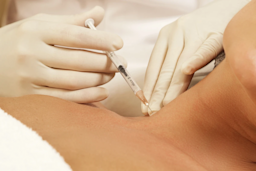
Dermal fillers are gel-like substances injected under the skin. They can smooth wrinkles, restore fullness, or improve contour. Unlike Botox, fillers don’t affect muscles or nerves. Instead, they “fill in” areas that have lost elasticity or fat over time.

Read more like this
Explore these related articles, suggested for readers like you.


Fillers are considered medical devices, not medications. Some filler substances are temporary and break down naturally in the body over time, while others last longer.
Temporary fillers last anywhere from 6 months to 2 years. Examples include:
Hyaluronic acid: Juvederm, Restylane, and Captique
Calcium hydroxylapatite: Radiesse
Poly-L-lactic acid (PLLA): Sculptra
A more permanent filler called Bellafill is also available. It’s made of smooth, plastic beads called polymethylmethacrylate (PMMA) beads that aren’t absorbed by the body. Its results can last for up to 5 years.
What are fillers used for?
Dermal fillers are FDA approved for use for people 22 years and older to:
Smooth moderate to severe facial wrinkles
Fill acne scars on cheeks
Restore facial volume in people with HIV-related fat loss
Add fullness to lips, cheeks, chin, jawline, under-eyes, or the backs of hands
Side effects and risks of fillers
Most side effects of dermal fillers are mild and short-lived (1 to 2 weeks). You may notice the following symptoms at the injection site:
Bruising or redness
Pain or swelling
Rash or itching
Difficulty with some activities (when injections are given into the back of the hand)
More serious risks are rare but possible, especially if fillers are used by unqualified injectors or with unsafe products. These include:
Lumps, ridges, or uneven areas
Serious swelling
Skin discoloration
Infection
Allergic reaction (some fillers require allergy testing before treatment)
Tissue damage or stroke, if filler is accidentally injected into a blood vessel
Good to know: There are many unapproved dermal filler products on the market. This includes silicone injections, needle-free devices, and products sold directly to the public. These products may be fake, contaminated, and/or cause harm. Only get dermal filler injections given by a licensed, experienced healthcare professional in a medical setting.
What are the differences between Botox and dermal fillers?
Botox and dermal fillers are both used to treat wrinkles. But, there are some key differences between them, including how long they last and their cost.
Here’s an overview of the main differences between Botox vs. fillers. Keep in mind that the exact result will depend on the specific product you’re using.
| Botox | Fillers | |
|---|---|---|
| How it works | Temporarily relaxes muscles | Adds volume beneath the skin |
| What it treats |
|
|
| Results | Usually lasts about 3 to 4 months | Lasts anywhere from 6 months to 5 years (depending on the specific product) |
| Cost | Ranges from $300 to almost $1,400 per treatment | Ranges from $600 to $1,000 per syringe (more than one syringe may be needed) |
| Pain | Mild — quick pinches during injection | Mild — skin is usually numbed first |
So, should you get Botox or fillers?
There’s no one-size-fits-all answer. It depends on your specific situation and what you’re looking to achieve. But, here are some things to consider when making the decision between Botox vs. fillers:
Botox works best for wrinkles caused by facial movement — like frown lines, forehead creases, and crow’s feet.
Fillers are better for restoring lost volume or enhancing facial contours, like if you’re seeking fuller lips or lifted cheeks.
Many people choose to combine both types of treatment to target different concerns — and others choose none.
Cost may be a factor (Botox can be less expensive than fillers).
Your age, budget, and comfort with treatment are all part of the decision. A qualified dermatologist or cosmetic specialist can help you weigh your options — including deciding that you don’t need any treatment at all.
Frequently asked questions
Drinking coffee after getting Botox shouldn’t be a problem. However, it’s best to avoid hot coffee after getting lip filler for the first 24 to 48 hours. Heat from any drink can make the swelling in the area worse.
Dermal fillers and Botox are both considered very safe when they’re injected by trained and licensed professionals in a medical setting. Look for a board-certified dermatologist or plastic surgeon with experience in injectables.
It depends. Botox and fillers can both be used to treat jowls, but they have different effects. Botox can relax muscles that pull skin downward, while filler adds lift and volume. An experienced cosmetic practitioner can tailor the approach to your individual facial structure and goals.
There’s no “best” or “right” age to start using fillers. Some people start in their late 20s or early 30s for prevention, while others start in their 40s or later for more corrective treatment. And remember — many people skip fillers entirely. Everyone ages differently.
Drinking coffee after getting Botox shouldn’t be a problem. However, it’s best to avoid hot coffee after getting lip filler for the first 24 to 48 hours. Heat from any drink can make the swelling in the area worse.
Dermal fillers and Botox are both considered very safe when they’re injected by trained and licensed professionals in a medical setting. Look for a board-certified dermatologist or plastic surgeon with experience in injectables.
It depends. Botox and fillers can both be used to treat jowls, but they have different effects. Botox can relax muscles that pull skin downward, while filler adds lift and volume. An experienced cosmetic practitioner can tailor the approach to your individual facial structure and goals.
There’s no “best” or “right” age to start using fillers. Some people start in their late 20s or early 30s for prevention, while others start in their 40s or later for more corrective treatment. And remember — many people skip fillers entirely. Everyone ages differently.
The bottom line
Botox and dermal fillers can temporarily smooth wrinkles and enhance features. They are popular cosmetic treatments because they offer quick results and little downtime. But there are some key differences between them, in how they work, how long the effects last, and how much they cost.
Whether you choose injectables or simply good skin care and sun protection, what matters most is feeling comfortable in your own skin as you age.

Why trust our experts?



References
Allergan. (2021). BOTOX COSMETIC- onabotulinumtoxina injection, powder, lyophilized, for solution [package insert].
Amalfi, A. (2021). How long do dermal fillers last? American Society of Plastic Surgeons.
American Academy of Dermatology Association. (n.d.). Botulinum toxin therapy: FAQs.
American Academy of Dermatology Association. (n.d.). Fillers: FAQs.
American Society of Plastic Surgeons. (n.d.). Dermal fillers cost.
American Society of Plastic Surgeons. (n.d.). What types of dermal fillers are available?.
Tiger Aesthetics Medical. (n.d.). Bellafill cosmetic.
U.S. Food and Drug Administration. (2020). FDA-approved dermal fillers.
U.S. Food and Drug Administration. (2023). Dermal filler do’s and don’ts for wrinkles, lips and more.
U.S. Food and Drug Administration. (2023). Dermal fillers (soft tissue fillers).
Witmanowski, H., et al. (2019). The whole truth about botulinum toxin – a review. Advances in Dermatology and Allergology.