Key takeaways:
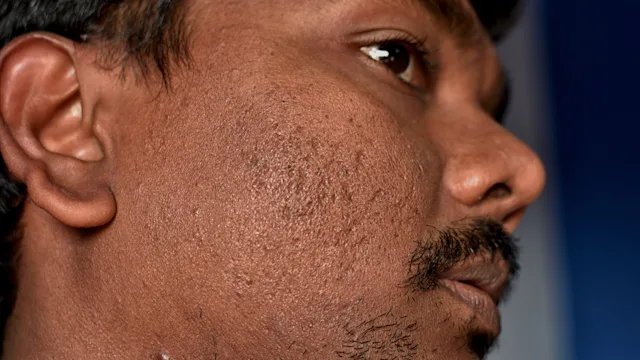
Some people are more prone to acne scarring than others.
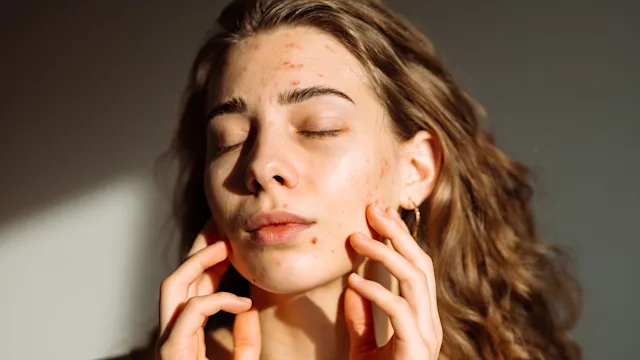
Acne scarring can be both physical and emotional because it sometimes brings up feelings of self-consciousness, low self-esteem, and anxiety.
Treatments to reduce the appearance of acne scars include chemical peels and topical treatments.
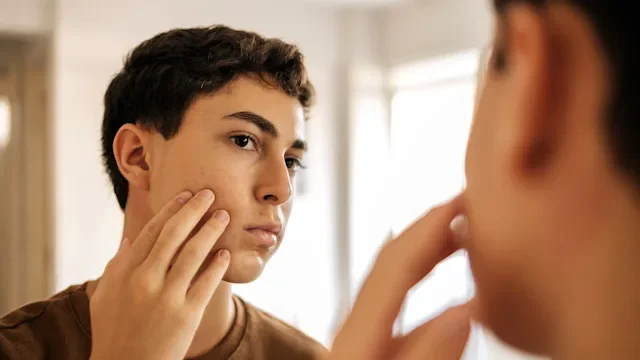
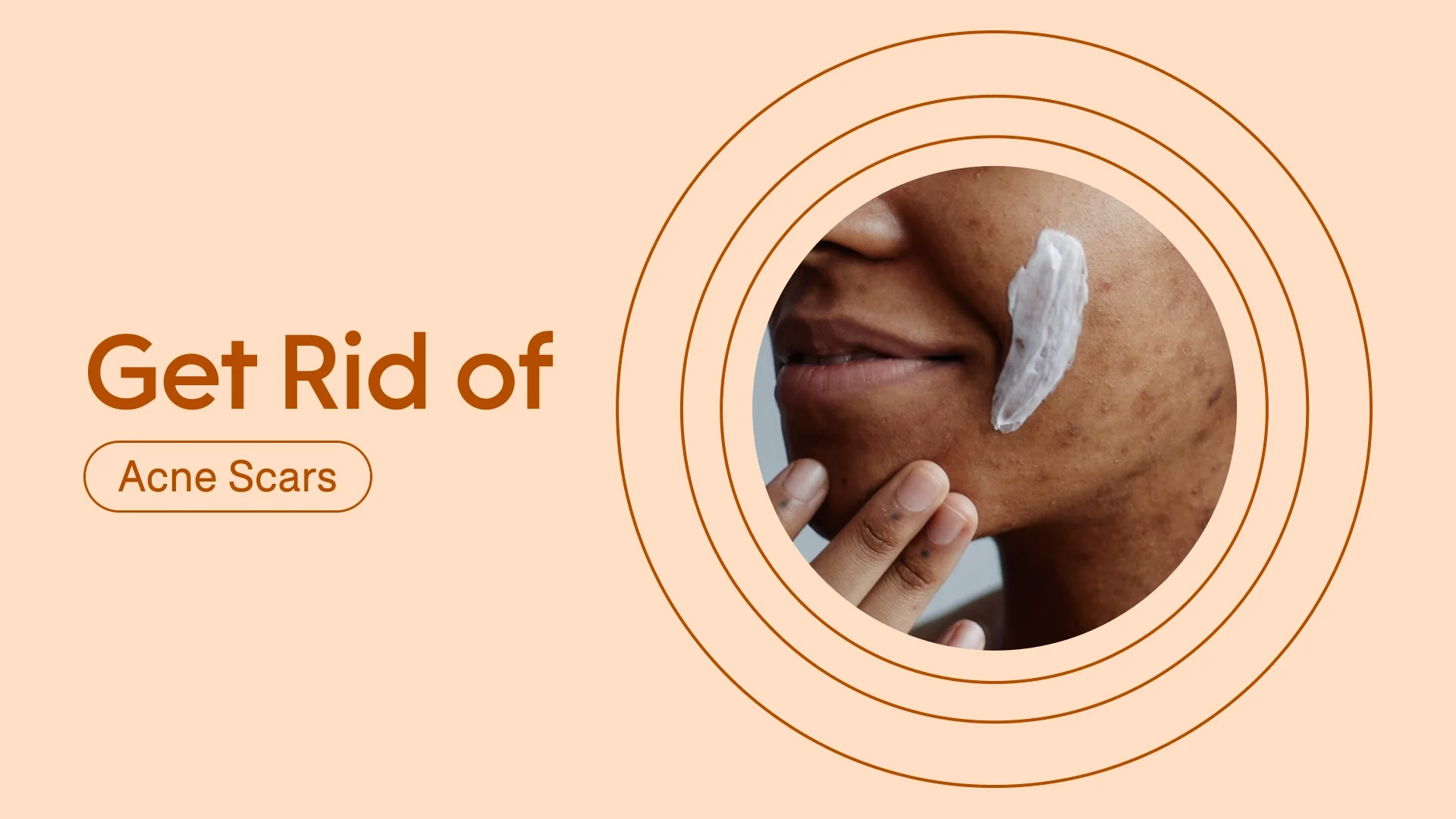
Acne is a common struggle among adolescents and young adults. But even when the pimples go away, they sometimes leave behind scarring.
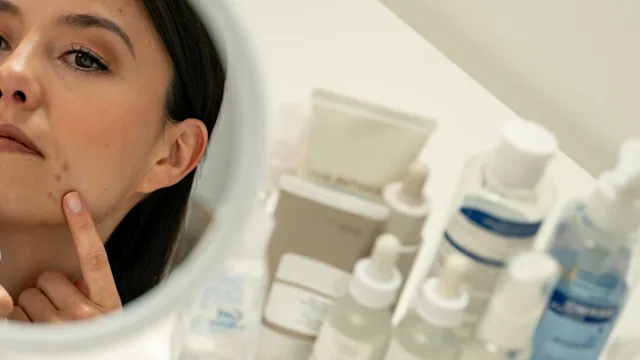
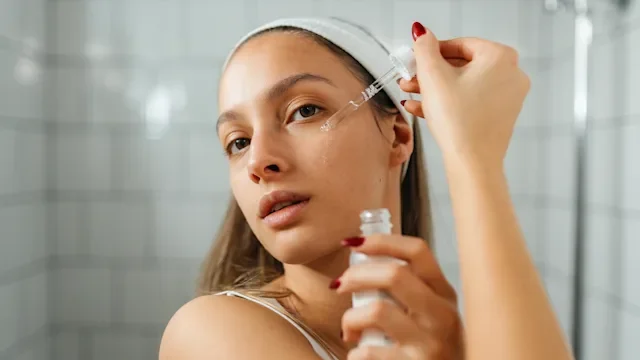
Some people turn to everything from over-the-counter products to chemical peels in a dermatologist’s office to try to reverse the appearance of scars.
Here’s what four women say worked for them when it came to minimizing the appearance of acne scars.
Search and compare options
Acne scars can be an emotional roller coaster
Kelsey Pearson started dealing with acne as a teenager. Her acne experience was relatively minor, and she figured that it would get better with age.
But to her surprise, Kelsey says that her struggles with acne only worsened as she got older.
“Not only is it more frequent, but it now leaves behind dark spots and scars,” says Kelsey, who’s now 32 and lives in Portland, Oregon.
“Over the last year, my acne has left behind dark spots that I can't seem to get rid of, as well as a few scars that affect my skin texture,” she says.

The physical scars were one thing. But she also felt it emotionally. She says there were times when she would not leave the house because of the embarrassment she felt over her acne. It took some time to work through.
“I no longer want to let acne hinder my emotional or mental state,” Kelsey says. “I'm working on embracing my skin, exactly as it is, and no longer allowing it to control me.”
While she’s improving her self-acceptance, Kelsey says she is also finding new ways to treat her existing acne scars to help build confidence.
“I've tried chemical peels and scar treatment gel,” she says. She’s also looking into microneedling, a minimally invasive procedure that involves rolling tiny needles over the skin to create micro-injuries and stimulate collagen production.
Steroid injections can help fade scars
Teng Fink started experiencing acne when she was in middle school. Like Kelsey, her acne experience changed with age.
“At first, it wasn’t as bad since it was only on my face, and it wasn’t always consistent,” says Teng, who’s now 43 and lives in Visalia, California. “But as I got older [approaching young adulthood], it spread to my chest and back. And it got worse.”
Teng had what is called cystic acne, which can cause pus-filled pimples to form deep under the skin. Teng’s acne was also painful, she says.
“Any pressure, or sometimes no pressure at all, would hurt,” she says.
She began to notice acne scars on her chest and back. So she tried to hide them with clothing.
“I wore shirts that showed zero cleavage to avoid anyone seeing my scars,” she says.

Eventually, she sought treatment. Her dermatologist recommended steroid injections.
“It required multiple injections around the acne scars,” Teng says. “It was painful, and certainly left me in tears at times — especially when I was treating the scars on my chest. The treatment took months to see results.”
But it made the appearance of scars fade, she says.
Teng says the scarring on her chest was “nearly impossible to get rid of. They still flare up and itch sometimes. But it’s definitely better than they were before the treatment.”
Treatments can boost self-confidence
Danielle Gray, a 30-year-old celebrity trainer who lives in Los Angeles, also remembers having mild acne as a teenager. But she noticed it more as an adult.
“It’s been frustrating because there were times where I would stay home to not be seen with my face breaking out so much,” she says. “Or I’d put tons of makeup on to cover it, which would only exacerbate the problem.”
Danielle has tried numerous topical treatments and says she finally has her acne under control. Finding ways to get rid of scarring, though, became an ordeal.
The scarring “directly affects my career, and my book-ability [as a model],” she says. “It affected my confidence and my mental health, contributing to suicidal ideation in 2021.”

Danielle says she began to feel better once she found treatments that worked for her. She says she has tried medications such as oral Solodyn, topical Aczone, and Ziana. She also found cosmetic fading creams, and a curated skincare routine from her dermatologist, to help correct the hyperpigmentation.
Don’t forget the sunscreen
Melodie Perez, a 22-year-old New Yorker who considers herself a “skin positivist,'' runs the popular Instagram account chronicling her “Diary of Troubled Skin.”
She had her first bout with acne at about 11 years old, so “going to a dermatologist was a pretty big part of my life from a young age,” she says.
“Once I turned 18 and started applying to colleges and I was experiencing a lot of stress, my acne started to come back wildly and cystically,” Melodie says. “The topical prescriptions I was using were no longer working.”
![“I started applying SPF [sun protection factor sunscreen] daily to prevent the spots from getting darker.” — Melodie Perez](http://images.ctfassets.net/4f3rgqwzdznj/5fjCcN65IHNwkK7Kn5PBQr/046b166f1b02b8c18b3ebd57fc763c6a/rid_quote_4__2_.png)
With the return of her acne, Melodie found herself falling down the DIY rabbit hole. She tried to self-treat her skin with everything from lemon juice and rubbing alcohol to diaper cream.
Around that time, her dermatologist suggested she try Accutane (isotretinoin). She put off trying the medication for a while because she was concerned about side effects — which range from dry lips to nosebleeds. She says starting the treatment was the catalyst for “Diary of Troubled Skin.” It became Melodie’s way of tracking her journey and sharing her progress with others who understood or who had gone through something similar.
“I had to learn that treating this was slow and steady,” she says.
She also recommends stocking up on sunscreen. “I started applying SPF [sun protection factor sunscreen] daily to prevent the spots from getting darker.”
What does the doctor say?

Patricia Pinto-Garcia, MD, MPH
Medical Editor
Acne isn’t just an adolescent skin condition. Many people with teenage acne still have acne into their young adult years, and 5% of adults over 30 still experience acne. As you get older, your skin changes, too. That means the way your skin responds to acne can change over time. You may notice that you’re getting more dark marks or that marks are taking longer to fade.
Whether your acne scars are new or you’ve been living with them for some time, there are things that can help minimize their appearance. Most people do need professional help to get the results they want. There’s a wide range of medical aesthetics that can help reduce scarring — from chemical peels to microneedling to fillers.
Your dermatologist may offer these procedures. If they don’t, they will likely have recommendations for trusted locations where you can get these services by trained professionals with experience working with acne scars. Professionals can also help you design a skin care plan to boost your overall skin health and decrease the number of acne flares you have.

Why trust our experts?