


9 Dapsone Side Effects You Should Know About
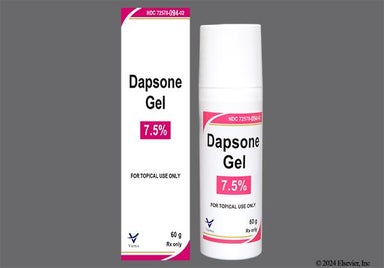
Dapsone (Aczone) is an antibiotic that comes as a topical gel and an oral tablet. Here are 9 possible dapsone side effects to watch for.
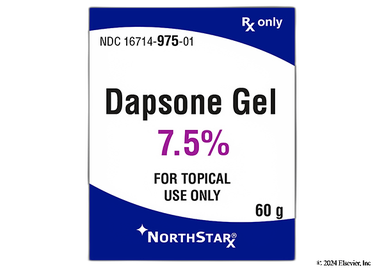
Dapsone is a tablet that's used for treating a skin condition called dermatitis herpetiformis and leprosy in children and adults. It belongs to the drug class known as sulfones. This medication is typically taken by mouth once a day. Side effects can include low red blood cells, nausea, and stomach pain. Dapsone is no longer available as a brand name, and only comes as a generic.

Dapsone is an antibiotic. The way it works to treat dermatitis herpetiformis is by blocking white blood cells from traveling to certain areas of your body and causing inflammation. For leprosy, dapsone stops the bacteria causing your infection from making substances essential for their growth.
| Common Brands | Brand no longer available |
|---|---|
| Drug Class | Sulfone |
| Controlled Substance Classification | Not a controlled medication |
| Generic Status | Lower-cost generic available |
| Availability | Prescription only |

The following side effects may get better over time as your body gets used to the medication. Let your healthcare provider know immediately if you continue to experience these symptoms or if they worsen over time.
Contact your healthcare provider immediately if you experience any of the following.
Side effects that you should report to your care team as soon as possible:
Side effects that usually do not require medical attention (report these to your care team if they continue or are bothersome):




Dapsone can cause some serious health issues. This risk may be even higher for certain groups. If this worries you, talk to your doctor or pharmacist about other options.
Dapsone can cause a rare condition called methemoglobinemia, a serious blood problem where your red blood cells can't bring enough oxygen to your body. This condition is more likely if you have glucose-6-phosphate dehydrogenase (G6PD) deficiency in your red blood cells. Get medical help right away if you notice your lips, mouth, or nails turning blue or gray.
Dapsone can affect other blood cell counts. There have been reports of agranulocytosis (low white blood cell count), aplastic anemia (body not able to produce blood cells), and other blood-related problems. Some of these condition can raise your risk for other problems, such infections or higher risk of bleeding. Because of this, your provider might recommend regular blood draws to check your blood cell counts.
If you already have blood problems like anemia, your provider will treat those conditions before you can start dapsone. Let your provider know right away if you experience symptoms of blood-related problems, such as sore throat, fever, pale skin, skin bruising.
Dapsone can rarely cause severe skin reactions. If you notice hives, blisters, peeling skin, red skin, pain, or fever, get medical help right away.
Dapsone can cause liver damage and jaundice. This usually happens when you first start taking dapsone. Watch out for signs of liver damage, such as nausea, stomach pain, and yellowing of the skin or whites of your eyes. Call your provider if you notice any of these symptoms.


Prescription savings
Stop paying too much for your prescriptions. Compare prices, get pharmacy coupons, and save up to 80%.Resources
About GoodRx
 Find expert answers to your health questions so you can make the best decisions for yourself and your family.
Health conditions
Medications & treatment
Access & affordability
Well-being
Medication discounts

Weight gain isn't a common side effect of Dapsone. But if you're receiving treatment for leprosy or dermatitis herpetiformis, your provider might also prescribe corticosteroids, which can cause weight gain. If you notice an unusual change in your weight, contact your healthcare provider.
No. Dapsone isn't a corticosteroid, it's an antibiotic.
Yes. Dapsone is an antibiotic. It blocks bacteria that cause leprosy from making a substance that's essential for their growth.
Dapsone is a sulfone, and it's related to sulfa medications. If you've a sulfa allergy, you might also be allergic to Dapsone. Make sure to tell your provider all of your allergies, especially if you've had an allergic reaction to sulfa medications.
There isn't enough information to know if Dapsone is safe to take during pregnancy. But researchers do know that Dapsone can get into breast milk, and can cause harm to breastfed babies. It's not recommended to breastfeed while taking this medication. If you're pregnant or breastfeeding, speak to your provider about the risks and benefits of this medication.
Most people typically take Dapsone to treat leprosy for 6-12 months. It can depend on what type of leprosy you have. Since everyone responds to treatment differently, the amount of time you'll need to take Dapsone can look different for you. Follow up with your provider to learn more.
