Key takeaways:
Some people choose to treat wrinkles, while others embrace them as part of aging. Both choices are valid.
Daily sun protection is the best way to prevent photoaging and slow new wrinkles from forming. It’s never too late to start using sunscreen.
There are several proven treatments for wrinkles, including prescription creams, injectables, lasers, and other cosmetic procedures.
The best wrinkle treatment for you depends on your skin concerns, budget, and how much recovery time you can manage.
Save on related medications
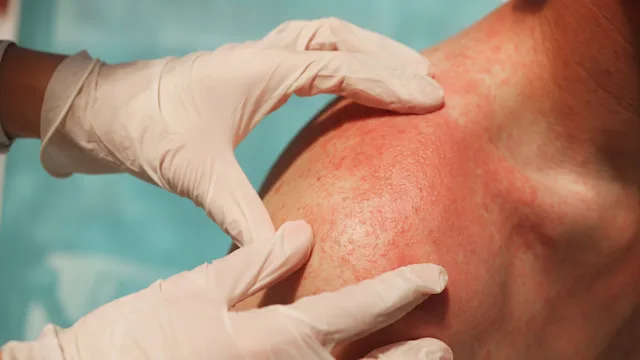
Photoaging is the skin damage that builds up with age and sun exposure. It leads to fine lines, wrinkles, brown spots, and loose skin.
Wrinkles and other skin changes are part of how our bodies age. Some people want to soften or prevent them, while others see them as natural and beautiful. There’s no right or wrong approach — it’s about what feels best to you.
Every year, people spend thousands of dollars trying to reverse these effects with products and procedures — but not all of them work equally well.
Search and compare options
Sun protection is the most effective way to prevent wrinkles. Still, there are several wrinkle treatments backed by science that can help smooth existing lines and improve texture. Below are nine options worth knowing about.
1. Retinoids
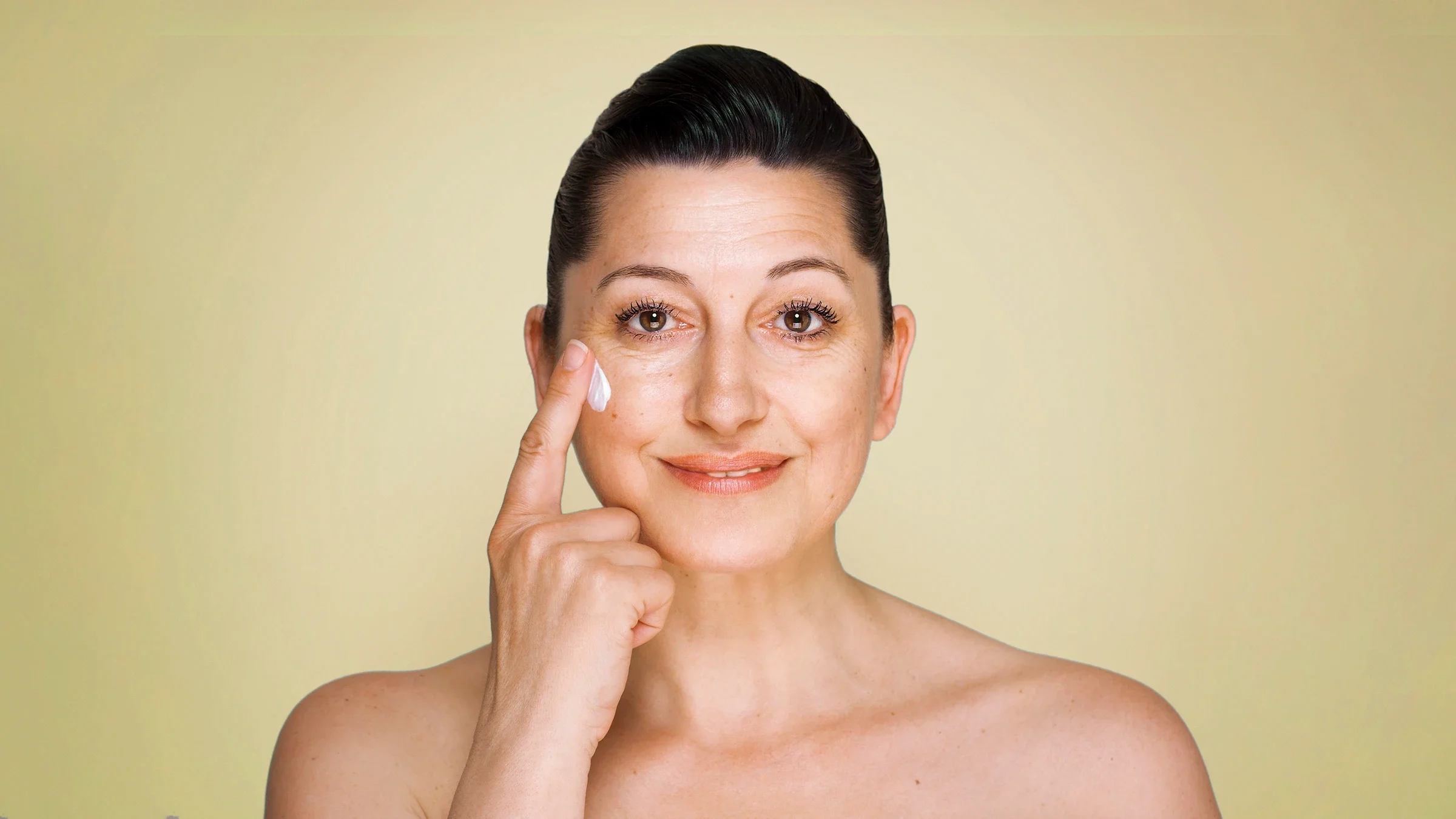
Retinoids — vitamin A-based compounds — are among the most effective treatments for fine lines and uneven tone. They speed up cell turnover and boost collagen.
Prescription-strength retinoids
Over-the-counter (OTC) retinoids
Retinaldehyde (also called “retinal”)
Retinyl esters
Retinyl propionate
Adapalene (Differin, was once prescription-only)
Side effects
It’s normal to experience mild side effects when starting retinoids, like skin irritation and peeling. These usually go away after a few weeks. OTC versions are gentler but less potent.
Cost
OTC retinoids tend to be generally affordable, while prescription creams cost more. In general, retinoids are less expensive than other wrinkle treatments.
2. Injectables
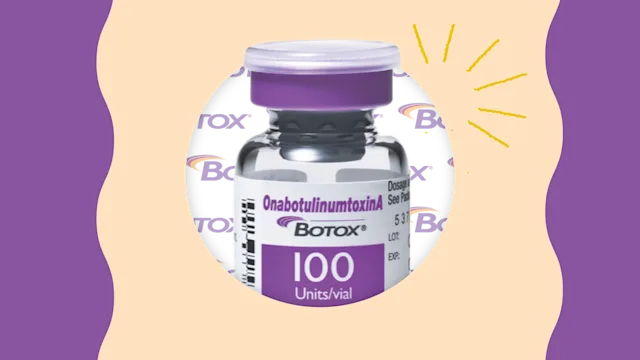
Botox (onabotulinumtoxinA) and similar injectables relax muscles that cause expression lines, like frown lines and crow’s feet. They’re injected directly into muscles in your face or neck, where they block nerves. This temporarily paralyzes the muscles, which helps smooth out existing wrinkles and keeps new ones from forming. Results last anywhere from 3 to 6 months.
In addition to Botox, other brand-name injectables include:
Dysport (abobotulinumtoxinA)
Xeomin (incobotulinumtoxina)
Jeuveau (prabotulinumtoxinA)
Daxxify (daxibotulinumtoxinA)

Read more like this
Explore these related articles, suggested for readers like you.


Side effects
Side effects with injectables are rare. When they do happen, they tend to be bruising or redness, as a result of the injection. More serious side effects, like a droopy eyelid or difficulty breathing, are very rare.
Cost
Botox and other similar treatments can range from hundreds to thousands of dollars per session.
3. Chemical peels
Chemical peels use acids to remove the top layer of damaged skin, revealing smoother skin underneath. Chemical peels come in different strengths and types.
Common ingredients in chemical peels include:
Glycolic acid
Trichloroacetic acid
Pyruvic acid
At-home vs. in-office chemical peels
At-home peels use the same active ingredients in lower concentrations. They are milder and cheaper. In-office treatments are stronger and give more dramatic results.
Side effects
After a chemical peel, it’s common to experience redness, burning, and peeling. These symptoms usually go away within a few days to 2 weeks, depending on the strength of the peel.
Cost
In-office chemical peels are usually a couple of hundred dollars. Deeper peels can be more expensive.
4. Laser treatments
Lasers use focused beams of light to target specific layers of the skin. The light energy triggers a natural healing process in the skin. As the skin repairs itself, it produces new collagen and elastin — proteins that help skin look firmer and smoother.
There are two main types of lasers:
Ablative lasers remove thin layers of damaged skin. These give more dramatic results but need longer recovery time.
Nonablative lasers heat the deeper layers without removing the top layer. They have less downtime but may require more sessions.
Here are some common types of lasers, and what they treat:
Fractional lasers: These treat wrinkles, discoloration, and rough texture.
Pulsed dye lasers (PDL): PDL reduces redness and visible blood vessels.
Erbium lasers (Er:YAG): It improves fine lines and loose skin.
Intense pulsed light (IPL): IPL isn’t technically a laser, but it works similarly to reduce brown spots and sun damage.
Side effects
Common side effects of laser treatments include pain, redness, blistering, and discoloration. Depending on which treatment you get, these can last for a week or more.
Cost
One laser treatment can cost a few hundred dollars. Most people need a couple of treatments.
5. Microneedling
Microneedling uses fine needles to create tiny skin injuries, triggering collagen production and renewal. It can improve firmness, texture, and pigmentation.
Microneedling is sometimes combined with other treatments, such as:
Peptides
Platelet-rich plasma (called the “vampire facial”)
Side effects
Side effects include mild redness, burning, and swelling. They usually go away within a day or two.
Cost
A microneedling session can range from several hundred dollars to over a thousand.
6. Microdermabrasion
Microdermabrasion gently exfoliates dead skin cells to reveal smoother, brighter skin. It’s less intense than peels or lasers. In-office microdermabrasion is generally more effective than at-home kits.
Side effects
Side effects are similar to having a sunburn (redness and mild swelling). They usually go away within a few days.
Cost
One microdermabrasion session is usually a couple of hundred dollars.
7. Fillers
Fillers plump areas where the skin has lost volume, softening lines and folds. Fillers are compounds injected into the skin. Depending on what type of filler you get, results can last from 6 months to over a year.
Examples of fillers include:
Calcium hydroxylapatite (Radiesse)
Hyaluronic acid (Juvederm)
Polyalkylimide (Aquamid)
Polylactic acid (Sculptra)
Polymethyl-methacrylate microspheres (PMMA) (Bellafill)
Side effects
Side effects include pain during the injection and redness, swelling, or bruising at the injection site. These usually clear within a week.
Cost
Dermal fillers usually cost several hundred dollars to over a thousand per syringe.
8. Red light therapy
Red light therapy (also called photobiomodulation) exposes the skin to red or near-infrared light to encourage collagen production and reduce fine lines. Treatment lasts up to 20 minutes, and typically takes place a few times a week. With regular use, this treatment can reduce fine lines, wrinkles, brown spots, and improve skin texture. In-office treatments are stronger, but home devices are more affordable.
Side effects
Most people don’t experience any side effects. But some mild skin irritation is possible.
Cost
In-office red light treatments start at around $100. At-home masks can be a few hundred dollars.
9. Sun protection
The most powerful anti-aging strategy is prevention. Here’s how to protect yourself from ultraviolet (UV) rays to prevent new wrinkles and slow photoaging:
Use sunscreen every day (SPF 30 or higher).
Choose tightly woven, darker, or synthetic fabrics to protect your body.
Wear a wide-brim hat and UV-blocking sunglasses.
Avoid peak sun hours when possible.
If you spend a lot of time in front of screens, try a tinted sunscreen to help block blue light from screens.
What is the best treatment for wrinkles?
In general, the best bang for your buck is prevention. Protecting your skin from harmful UV rays is the best way to minimize sun damage. And — it’s never too early or too late to start protecting your skin from further damage.
When it comes to treating existing signs of aging, there’s no single “best” option. Some people want to reduce signs of aging, while others choose to embrace them. Both paths can be part of a healthy relationship with your skin.
The best treatment for you will depend on your goals, and how much time and money you want to spend. If you’re exploring treatments, a dermatologist or cosmetic specialist can help tailor a plan that fits your skin type, comfort level, and budget.
Frequently asked questions
Castor oil has been used for medicinal purposes for centuries. Studies show that it may soften and moisturize skin, but so far there’s not much evidence that it’s an effective wrinkle treatment.
Yes, hyaluronic acid can reduce the appearance of wrinkles. In addition to hydrating the skin, some studies show that regular use of hyaluronic acid can improve skin hydration and elasticity, and decrease the depth of wrinkles.
There’s not much evidence that home remedies work to treat wrinkles. However, moisturizing and exfoliating your skin regularly can help minimize the appearance of wrinkles and brighten your complexion. Eating a nutritious, whole-food diet low in sugar can also help prevent wrinkles from forming.
Silicone tape or patches can help keep skin moisturized and prevent it from moving while they’re applied. When the tape is removed, fine lines and wrinkles may appear reduced. But, these effects don’t last long — usually just for a few hours or less. If you’re looking for a more permanent reduction in wrinkles, silicone tape probably isn’t your best bet.
Castor oil has been used for medicinal purposes for centuries. Studies show that it may soften and moisturize skin, but so far there’s not much evidence that it’s an effective wrinkle treatment.
Yes, hyaluronic acid can reduce the appearance of wrinkles. In addition to hydrating the skin, some studies show that regular use of hyaluronic acid can improve skin hydration and elasticity, and decrease the depth of wrinkles.
There’s not much evidence that home remedies work to treat wrinkles. However, moisturizing and exfoliating your skin regularly can help minimize the appearance of wrinkles and brighten your complexion. Eating a nutritious, whole-food diet low in sugar can also help prevent wrinkles from forming.
Silicone tape or patches can help keep skin moisturized and prevent it from moving while they’re applied. When the tape is removed, fine lines and wrinkles may appear reduced. But, these effects don’t last long — usually just for a few hours or less. If you’re looking for a more permanent reduction in wrinkles, silicone tape probably isn’t your best bet.
The bottom line
Wrinkles are a normal part of aging — not a flaw to “fix.” But if you want to smooth or soften them, there are safe, effective treatments that can help. Whether you embrace your lines, treat them, or do a little of both, caring for your skin with sun protection and hydration always pays off.

Why trust our experts?



References
American Academy of Dermatology Association. (n.d.). Botulinum toxin therapy: FAQs.
American Academy of Dermatology Association. (n.d.). Chemical peels: Overview.
American Academy of Dermatology Association. (n.d.). Fillers: Overview.
American Academy of Dermatology Association. (n.d.). Microdermabrasion: FAQs.
American Board of Cosmetic Surgery. (2021). Laser skin resurfacing: Top 8 things you need to know.
American Society of Plastic Surgeons. (n.d.). Dermal fillers.
Bravo, B., et al. (2022). Benefits of topical hyaluronic acid for skin quality and signs of skin aging: From literature review to clinical evidence. Dermatologic Therapy.
Geisler, A. N., et al. (2021). Visible light part II. Photoprotection against visible and ultraviolet light. Journal of the American Academy of Dermatology.
Goyal, A., et al. (2022). Bioactive-based cosmeceuticals: An update on emerging trends. Molecules.
Jaiswal, S., et al. (2024). Microneedling in dermatology: A comprehensive review of applications, techniques, and outcomes. Cureus.
Lin, L., et al. (2025). Comparative efficacy of topical interventions for facial photoaging: A network meta-analysis. Scientific Reports.
Ludmann, P. (2024). Is red light therapy right for your skin? American Academy of Dermatology Association.
Skin Cancer Foundation. (2025). Sun-protective clothing.
Soleymani, T., et al. (2018). A practical approach to chemical peels. The Journal of Clinical and Aesthetic Dermatology.
Zasada, M., et al. (2019). Retinoids: Active molecules influencing skin structure formation in cosmetic and dermatological treatments. Advances in Dermatology and Allergology.