Key takeaways:
The stages of a poison ivy rash include itching and redness, a bumpy rash and blisters, and then crusting of the blisters.
It can take up to 3 weeks for poison ivy rash to heal completely.
A poison ivy rash occurs when the oil from the plant leaf touches skin. The rash can spread with itching or spreading of the oil. But the rash itself isn’t contagious.
You had a great time hiking in the woods, but now you’re feeling itchy. And you start to see a raised red rash show up on your skin. These are classic signs of poison ivy.
Most cases of poison ivy will heal completely within a couple of weeks. But there are a few stages of poison ivy rash to get through first. Here’s how poison ivy spreads and what the stages of poison ivy rash look like.
What are the stages of a poison ivy rash?
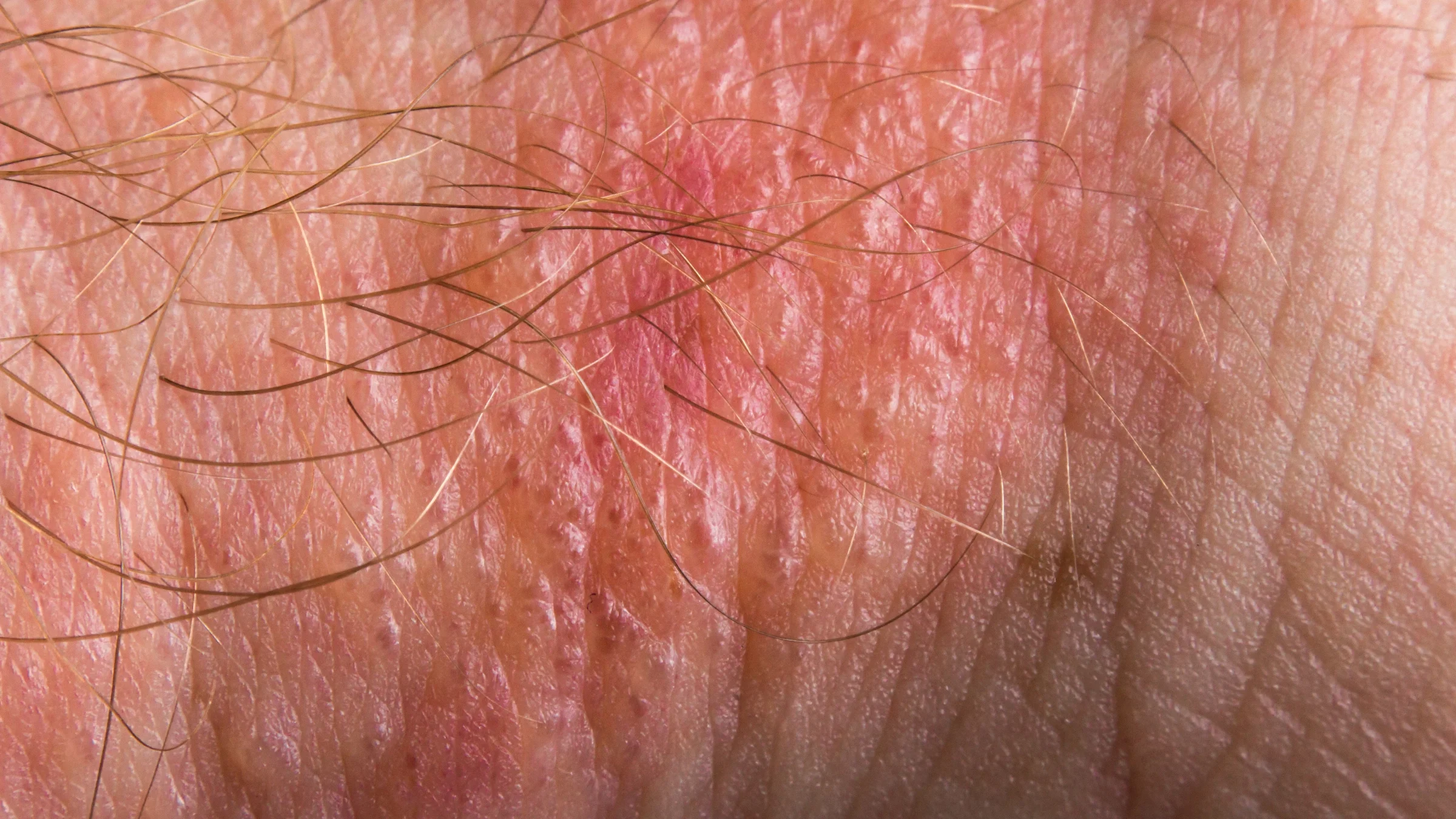
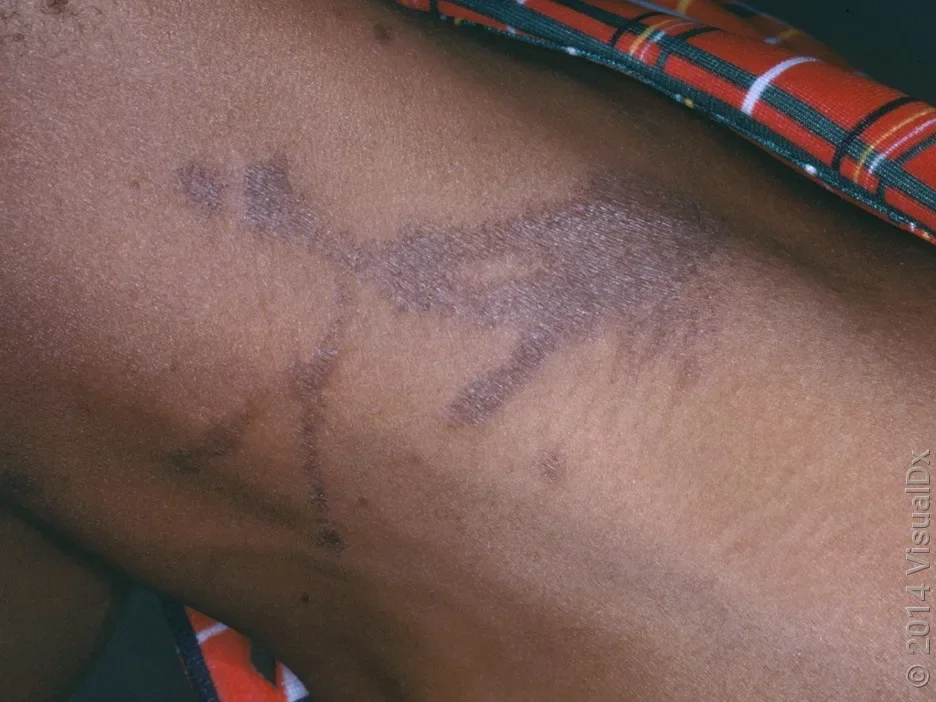
Poison ivy rashes follow a predictable pattern. Let’s look at the typical stages of poison ivy rash with pictures.
Search and compare options
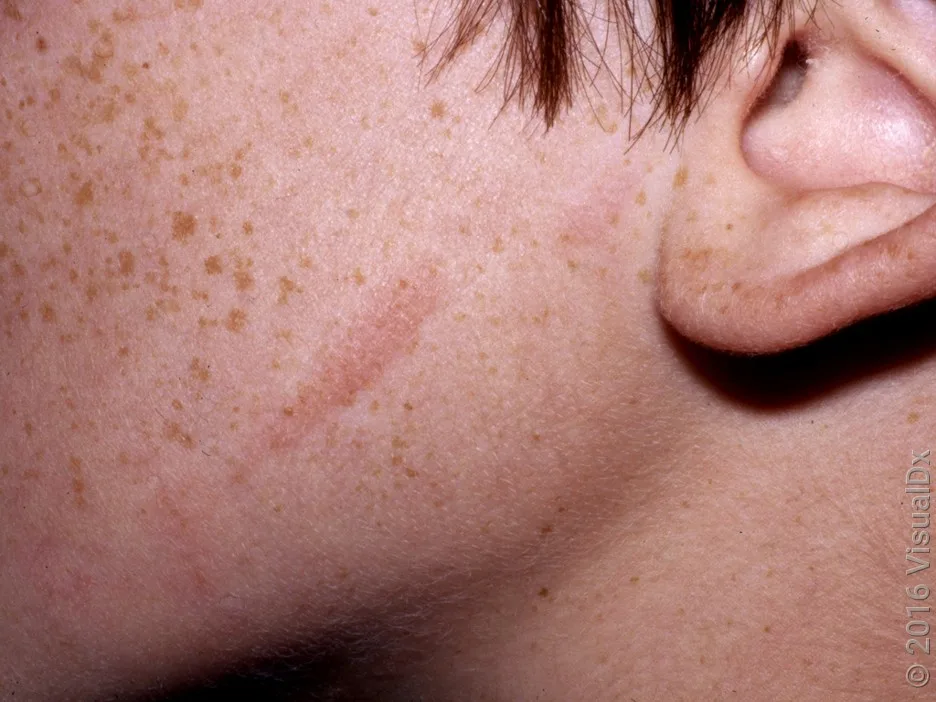
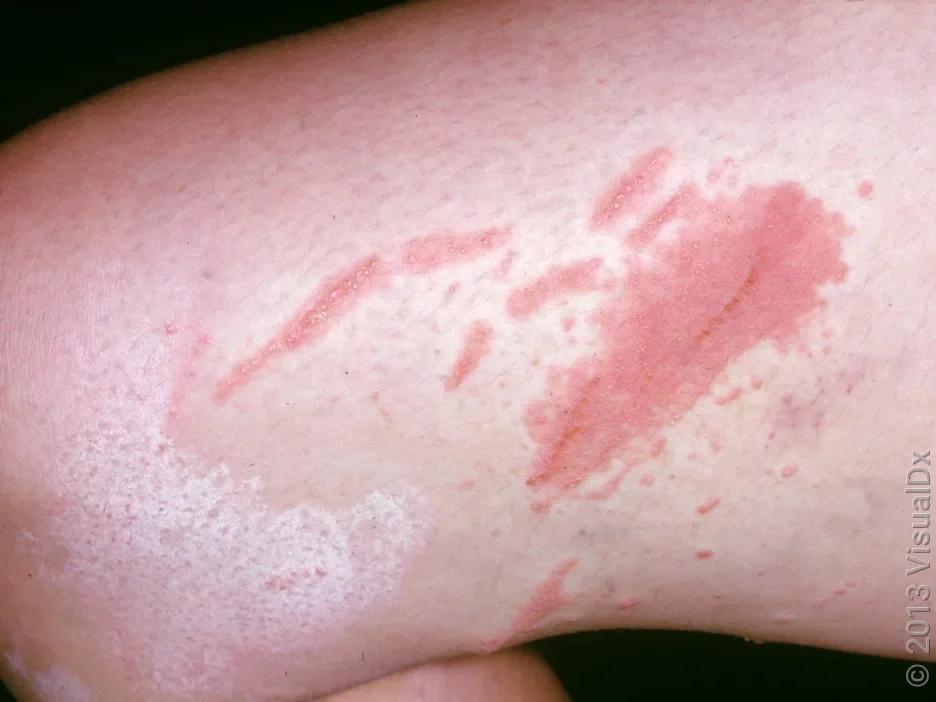
1. Itching and redness
The first symptom of poison ivy is intense itching in the spot where the rash will soon appear. After the itching starts, the skin starts to become red in fair skin or violet or brown in darker skin tones. The change in skin color often shows up in lines or streaks where the plant brushed up against skin.
If you’ve had poison ivy rash in the past and you come into contact with the plant again, symptoms of poison ivy rash can start within a few hours. But if it’s your first time getting poison ivy, it can take a few days or even weeks for itchiness and redness to appear.
2. Raised rash and blisters
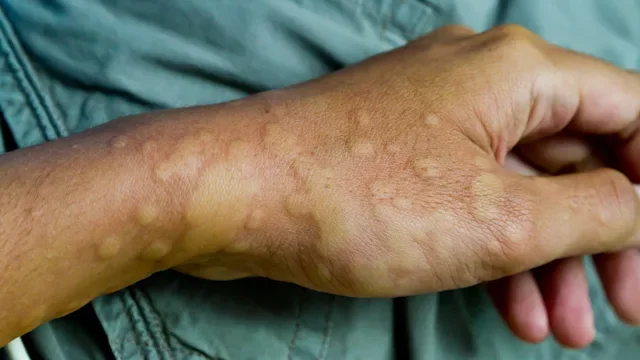
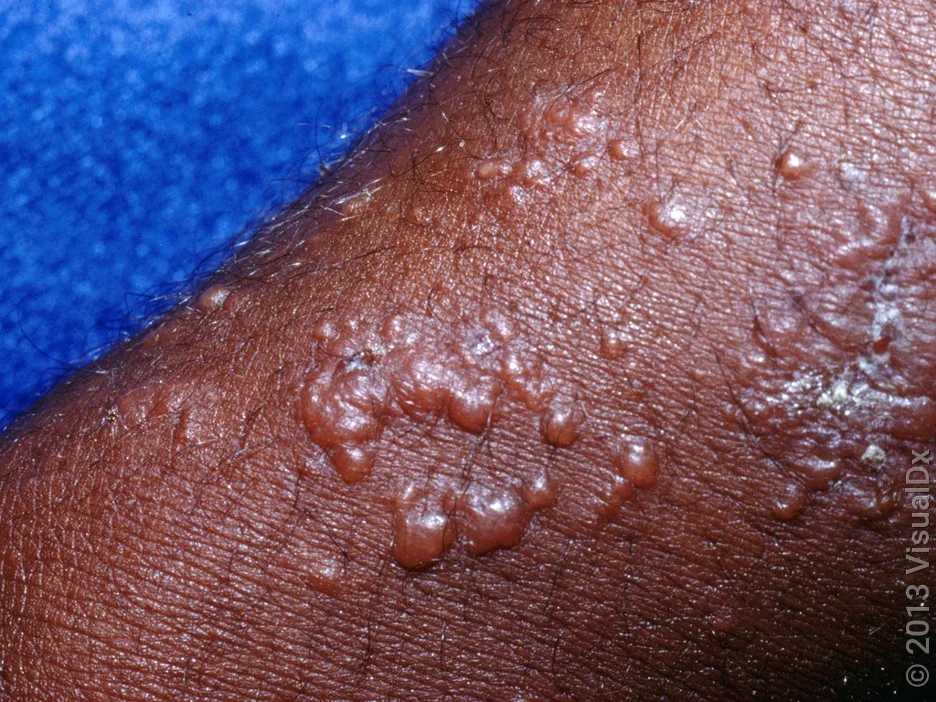
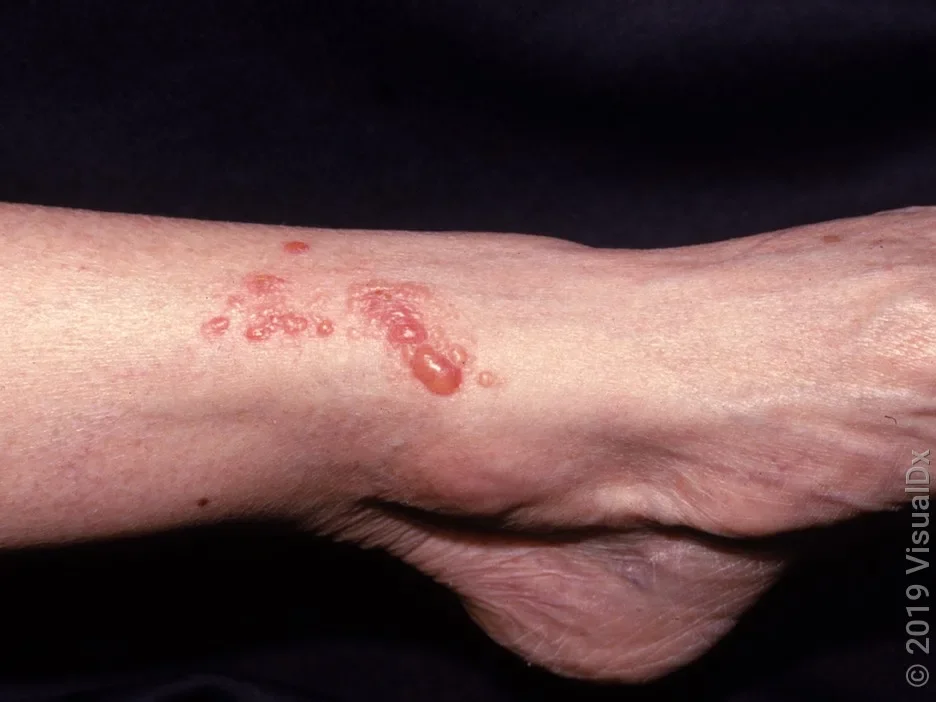
Next, that area of discolored skin will develop raised bumps. These may look pink, red, violet, or brown. You’ll also notice fluid-filled blisters starting to form. The blisters may break open and ooze clear fluid.
This is usually the most severe stage of a poison ivy rash. Blisters and bumps start to form within 1 to 2 days of when the redness and itchiness start. The bumps and blisters can continue to form over the next 7 to 10 days.
3. Crusting
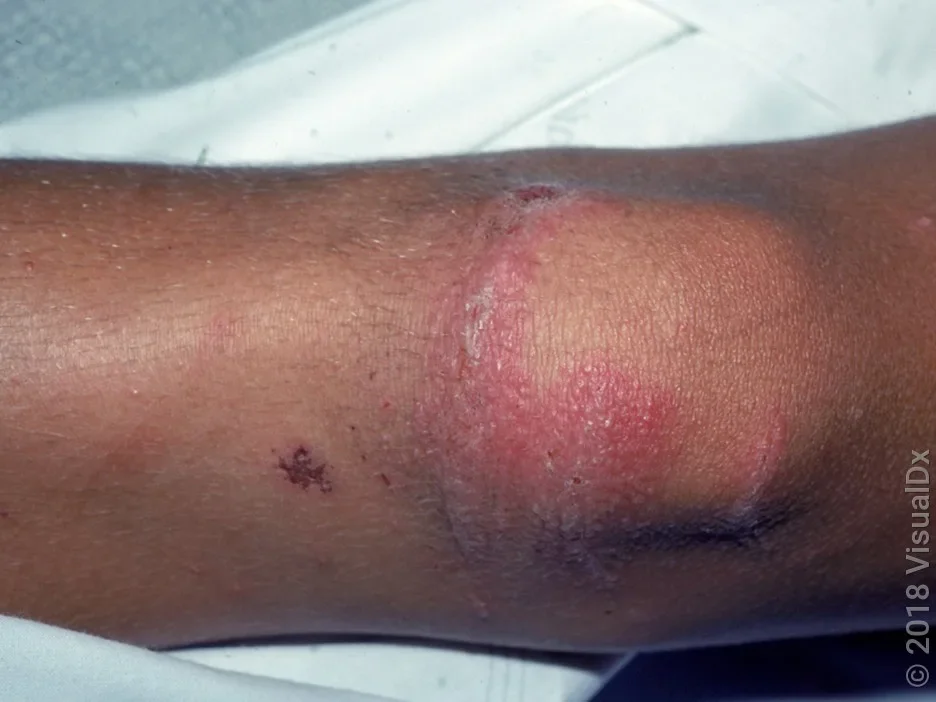
Crusting is the last stage of a poison ivy rash. Blisters will slowly start to dry out and crust over. Bumps start to disappear and the rash becomes less itchy.
Blisters won’t all go away at the same time. Instead, you’ll notice them slowly fading over several days. It can take up to a week for all the blisters to fade once they’ve crusted over.
Altogether, it can take up to 3 weeks for a poison ivy rash to go away without treatment. After the rash heals, people with a darker skin tone may have dark patches (called post-inflammatory hyperpigmentation). These can take months to fade.
How long does it take for poison ivy to stop spreading?
It depends.
Poison ivy rash is an allergic reaction to urushiol — the oil on the plant leaf. Unfortunately, urushiol can stick to clothes, gather under fingernails, and even cling to pet hair. This means you might accidentally spread the oil for days after coming into contact with the plant. And you can get blisters on new areas of your body if the oil is still on your clothes or body.

Read more like this
Explore these related articles, suggested for readers like you.

Keep in mind: The rash itself isn’t contagious. So you don’t have to worry about fluid from the rash causing it to spread to other parts of your skin. The only way the rash spreads is from repeat exposure to the poison ivy plant oil. That’s why it’s important to wash yourself and any clothing or gear that may have come into contact with the plant.
How can you get rid of a poison ivy rash fast?
There’s no way to get rid of a poison ivy rash immediately. But there are plenty of home remedies for poison ivy rash that can help relieve symptoms fast, including:
Cold compresses
Hydrocortisone cream
Burow’s solution
Severe cases of poison ivy can be treated with prescription steroids, which help stop itching within 1 to 2 days. You’d have to take steroids for 2 weeks to avoid a “rebound rash” after stopping the medicine.
When should you get care for poison ivy?
Most cases of poison ivy rash can be treated at home. But sometimes, prescription medication is needed. Get medical care if you have signs of severe poison ivy rash, like:
Rash on your face or genitals
Rash covering 25% or more of your skin
Fever
Worsening rash, even with over-the-counter (OTC) treatment or home remedies
Signs of a skin infection like pus, swelling, and pain
Difficulty breathing
Any swelling of the face, lips, or tongue
Frequently asked questions
No, there’s no way to immediately get rid of a poison ivy rash. The rash can take about 3 weeks to completely go away. But if you’ve recently come into contact with a poison ivy plant, there’s a chance you can wash off the oil before it causes a rash.
Yes, poison ivy rash will go away on its own. But symptoms can be intense. Home remedies can relieve most symptoms, but there are times when you’ll need to get medical attention. Watch for signs of a skin infection, including pus, swelling, pain, or fever.
People experience poison ivy rash differently, but the blister stage can be the most severe and uncomfortable. Blisters and bumps can show up a day or two after the itchiness and redness start. This stage can last for 7 to 10 days.
Scratching a poison ivy rash won’t make the rash spread to other parts of your body — unless you still have oil on your skin. Even so, don’t scratch the rash, as this can damage your skin and make you more likely to get an infection.
There are remedies that can help when you get the urge to scratch. To relieve symptoms, consider trying:
Calamine lotion
Hydrocortisone cream
An oatmeal bath
A cold compress
No, there’s no way to immediately get rid of a poison ivy rash. The rash can take about 3 weeks to completely go away. But if you’ve recently come into contact with a poison ivy plant, there’s a chance you can wash off the oil before it causes a rash.
Yes, poison ivy rash will go away on its own. But symptoms can be intense. Home remedies can relieve most symptoms, but there are times when you’ll need to get medical attention. Watch for signs of a skin infection, including pus, swelling, pain, or fever.
People experience poison ivy rash differently, but the blister stage can be the most severe and uncomfortable. Blisters and bumps can show up a day or two after the itchiness and redness start. This stage can last for 7 to 10 days.
Scratching a poison ivy rash won’t make the rash spread to other parts of your body — unless you still have oil on your skin. Even so, don’t scratch the rash, as this can damage your skin and make you more likely to get an infection.
There are remedies that can help when you get the urge to scratch. To relieve symptoms, consider trying:
Calamine lotion
Hydrocortisone cream
An oatmeal bath
A cold compress
The bottom line
Poison ivy rash can start a few hours after exposure to oil from the poison ivy plant leaf. Poison ivy rash goes through the same stages for everyone. These stages are: itching and redness, a raised rash and blisters, and crusting. This process can take up to 3 weeks. But home remedies can help relieve symptoms faster. Severe cases may need treatment with prescription steroids.

Why trust our experts?




Images used with permission from VisualDx (www.visualdx.com).
References
American Academy of Dermatology Association. (n.d.). Poison ivy, oak, and sumac: How can I prevent a rash?
American Academy of Dermatology Association. (n.d.). Poison ivy, oak, and sumac: What does the rash look like?
American Academy of Dermatology Association. (n.d.). Poison ivy, oak, and sumac: When does the rash appear?
Butt, M., et al. (2022). Poison ivy dermatitis treatment patterns and utilization: A retrospective claims-based analysis. The Western Journal of Emergency Medicine.
U.S. Food and Drug Administration. (2021). Outsmarting poison ivy and other poisonous plants.
Weinberg, L., et al. (2024). Poison ivy, poison oak, and poison sumac. JAMA.