Key takeaways:
Healthy nail growth requires both internal and external care. Having a balanced diet and getting enough nutrients matters. So does proper nail grooming and protection.
Most tips for faster nail growth are really about making nails stronger. After all, nails can’t grow long if they keep splitting or peeling.
Being low in certain nutrients — like protein, biotin, and zinc — can cause brittle nails.
Healthy nail growth isn't about a single supplement or nail oil. Instead, the health of your nails depends on a combination of internal and external factors. Internal factors include your diet. External factors include grooming practices and nail protection.
And while “faster” growth and “stronger” nails may sound like two different goals, they go hand in hand. Nails can’t grow fast if they keep breaking. So, most tips for nail growth emphasize building stronger, more resilient nails in the first place.
Below are some science-backed tips for how to make your nails grow faster and stronger.
Search and compare options
1. Keep your nails dry
Nails absorb water every time they get wet, whether from hand-washing, bathing, household chores, or swimming. When nails absorb water, the nail plate (the hard, visible surface of your nail) swells and shrinks. Over time, the repetition of this cycle can weaken nails’ structure. This makes them more prone to peeling, splitting, and brittleness.
Keeping nails dry helps maintain their structure. It's not possible to completely avoid getting your nails wet. But you can try to limit repeated and/or unnecessary exposure to water throughout the day by:
Fully drying your hands after washing
Avoiding long soaks
Wearing gloves while washing dishes and doing other household chores
2. Keep nails and cuticles moisturized
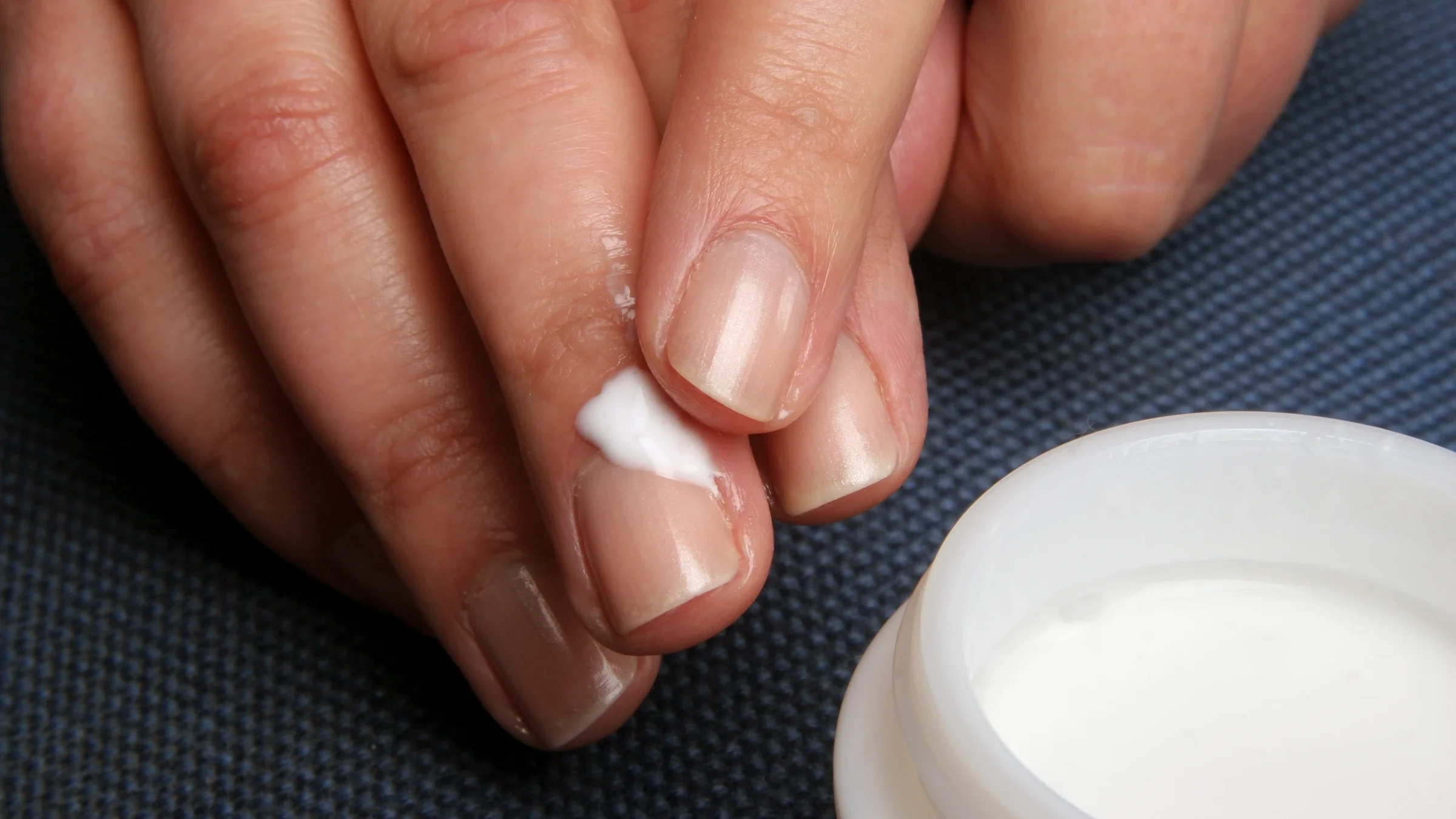
Even though nails shouldn't get wet too often, they need to stay hydrated. When nails get too dry, the nail plate becomes rigid and stiff. This makes them more likely to crack. Moisturizing your nails protects the nail plate by helping to keep it flexible.
Moisturizing also protects the cuticle (the thin layer of skin at the base of your nail). The cuticle plays a key role in healthy nail growth. Its main role is to shield the nail matrix, the tissue under the cuticle that makes new nail cells. When the cuticle is dry, cracked, or picked at, its protective seal gets damaged. This can expose the nail matrix to excess moisture or irritation that can slow nail growth.
To moisturize nails and cuticles, use a thick hand cream or a cuticle oil daily. Look for ingredients like:
Shea butter
Glycerin
Ceramides
Lightweight oils (like jojoba)
3. Wear gloves while cleaning
Wearing gloves while cleaning or doing other chores can:
Prevent exposure to too much water
Protect nails from harsh chemicals that can dry them out
Shield nails from tiny nicks or tears that can weaken the nail edge and make breakage more likely
Pick gloves that can absorb sweat, like cotton-lined vinyl gloves. Or wear cotton gloves underneath heavier-duty ones.
4. Use non-acetone nail polish remover
Acetone is a solvent that’s very effective at removing nail polish. For this reason it’s used in many nail polish removers. But acetone is also very drying. Frequent use can strip natural oils from the nail plate. This weakens nails and can lead to flaking or peeling.
Instead, use non-acetone alternatives, which are gentler and less likely to dehydrate nails. If you do need acetone (like for stubborn glitter or gel polish), use it sparingly. Then, follow up with cuticle oil to restore hydration.
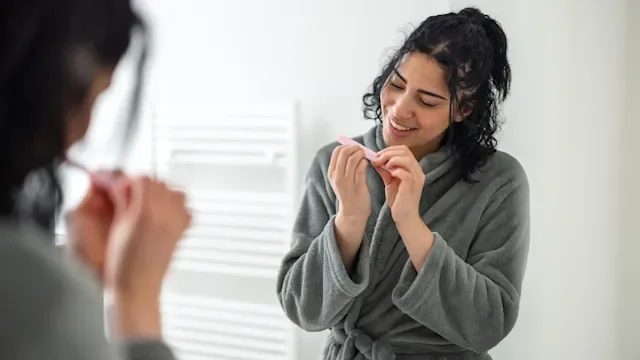
5. File nails in one direction
Keeping the nail tip smooth with regular filing can reduce snags or breaks. Though filing may seem straightforward, the technique you use does matter.
Filing back and forth in a sawing motion can create tiny tears along the nail edge. This can weaken nails and make them more prone to splitting or peeling. Instead, nail experts recommend filing in one direction using gentle, even strokes. A fine-grit file is best for smoothing the edge without causing damage.
6. Eat nutrient-rich foods
Just like how the rest of your body relies on nutrients to function well, your nails need the right nutrients, too.
For strong, healthy nails, focus on foods rich in:
Protein (eggs, chicken, tofu, legumes)
Biotin (salmon, nuts, seeds)
Vitamin A (sweet potatoes, carrots, spinach)
Vitamin D (egg yolks, fatty fish, mushrooms)
Iron (lean meat, spinach, lentils)
Zinc (pumpkin seeds, chickpeas, oysters)
Omega-3 fatty acids (salmon, walnuts, flaxseeds)
A balanced diet doesn’t make nails grow overnight, but it can help improve their strength over time.
7. Address nutrient deficiencies
Deficiencies in certain nutrients — like the ones listed above — can impact the nail matrix and lead to softer or more brittle nails. To be clear, a nutrient deficiency won’t always affect your nails. But, if you also notice symptoms like fatigue, bone aches, or other health changes, it's a good idea to check in with your primary care provider. They can help identify any potential nutrient gaps and make a plan to address it with diet or supplements.
8. Consider a biotin supplement
Biotin (vitamin B7) is one of the most popular vitamins for nail growth. Biotin helps your body make proteins, including keratin, the main structural protein in nails. And, in some cases, biotin may help.
Research suggests that taking 2.5 mg daily can improve nail firmness, hardness, and thickness. But biotin works best for brittle nails, not nails that are already healthy. And it won't make healthy nails grow faster. Keep in mind that most people get enough biotin through their diet.
What can cause brittle nails?
Brittle nails can develop when the nail plate or nail matrix is repeatedly stressed, dehydrated, or missing nutrients. This can happen for a many reasons, including:
Frequent water exposure
Harsh chemicals (like cleaners, acetone, or detergents)
Nutritional deficiencies
Aging
Dry environments or low humidity
Trauma from over-filing, buffing, or picking at nails
Certain medications, like retinoids, anti-seizure drugs, blood thinners, and chemotherapy
Symptoms of brittle nails
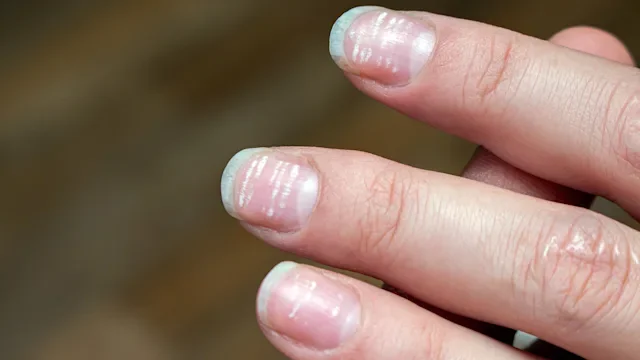
It's normal for nails to split and break sometimes. But that’s not the same as having brittle nails. Common signs of brittle nails include:
Peeling or flaking, especially at the tips
Nails that split easily
Rough edges
Regular breakage
Difficulty growing nails past a certain point
A soft, thin, or papery feel
Signs of healthy nails
Healthy nails tend to be:
Smooth, without pits or deep ridges
A uniform color
Flexible, but not soft
Strong enough to grow past the fingertip without breaking
Uniform in thickness across the nail plate
Keeping the above traits in mind can help you spot early signs of brittleness. Then, you can take steps to strengthen your nails before more serious damage develops.
Frequently asked questions
Fingernails grow at an average pace of 3.47 mm per month in young adults. Toenails grow slower, at an average pace of 1.62 mm per month. But growth can be influenced by age, nutrition, health conditions, and even the season. Nails may grow faster in warmer months.
Nails are made of keratin, a tough, fibrous protein that’s also present in hair and the top layer of your skin. Growth starts in the nail matrix, the living tissue under the cuticle that produces new nail cells. As these cells harden, they move outward to create the nail plate you can see.
Drinking water supports your overall health, including your nail health. But drinking extra water won’t make nails grow faster.
Nail strength comes from a mix of habits. It's important to eat a balanced diet, practice gentle grooming habits, and keep your nails and cuticles moisturized. Protecting your nails from harsh chemicals and excess water also makes a difference.
Fingernails grow at an average pace of 3.47 mm per month in young adults. Toenails grow slower, at an average pace of 1.62 mm per month. But growth can be influenced by age, nutrition, health conditions, and even the season. Nails may grow faster in warmer months.
Nails are made of keratin, a tough, fibrous protein that’s also present in hair and the top layer of your skin. Growth starts in the nail matrix, the living tissue under the cuticle that produces new nail cells. As these cells harden, they move outward to create the nail plate you can see.
Drinking water supports your overall health, including your nail health. But drinking extra water won’t make nails grow faster.
Nail strength comes from a mix of habits. It's important to eat a balanced diet, practice gentle grooming habits, and keep your nails and cuticles moisturized. Protecting your nails from harsh chemicals and excess water also makes a difference.
The bottom line
If you want longer nails, the first step is to build nail strength. Nails grow best when the nail matrix and nail plate are supported by balanced nutrition. Proper filing, regular moisturizing, and using gentle nail products are also crucial. With proper care, you can prevent nail breakage, reduce brittleness, and help your nails grow faster and stronger over time.

Why trust our experts?



References
Barba, C., et al. (2010). Water absorption/desorption of human hair and nails. Thermochimica Acta.
Conway, J., et al. (2023). A case of rapid fingernail growth associated with nail psoriasis: A case report. SAGE Open Medical Case Reports.
de Paula, A. C., et al. (2025). Nail polishes: A review on composition, presence of toxic components, and inadequate labeling. Dermatology Research and Practice.
Farran, L., et al. (2008). The effect of humidity on the fracture properties of human fingernails. Journal of Experimental Biology.
Lee, D. K., et al. (2022). Optimal diagnosis and management of common nail disorders. Annals of Medicine.
Lipner, S. R. (2018). Rethinking biotin therapy for hair, nail, and skin disorders. Journal of the American Academy of Dermatology.
Patel, M. N., et al. (2025). The role of Sesbania grandiflora-derived biotin and Bambusa arundinacea-derived silica extracts in promoting hair, skin, and nail health: A randomized, double-blind, placebo-controlled clinical study. Cureus.
Piraccini, B. M., et al. (2020). Clinical and instrumental objective evidence of the efficacy of a new water-based nail-strengthening solution containing Pistacia lentiscus and hyaluronic acid applied for up to 6 months to improve the appearance of weak, brittle nails. Dermatology and Therapy.
Prudkin, L., et al. (2024). Exposome impact on nail health. Skin Appendage Disorders.
Seshadri, D., et al. (2012). Nails in nutritional deficiencies. Indian Journal of Dermatology, Venereology, and Leprology.
Yaemsiri, S., et al. (2010). Growth rate of human fingernails and toenails in healthy American young adults. Journal of the European Academy of Dermatology and Venereology.