Key takeaways:
Protein is a macronutrient that human bodies need for strength and energy. It’s the building block of your cells.
The amount of protein you need depends on several factors, including your activity level and age.
There are many easy ways to get more protein into your diet. These include simple meal prepping, opting for more protein-rich grains, and snacking on nuts and seeds.
In recent years, there’s been a lot of hype around protein. So, you're probably aware that getting enough protein in your diet is crucial for maintaining many aspects of health. This applies to people of all ages, but especially older adults. Protein is one of the three essential macronutrients that every human body needs to function properly.
No matter what kind of diet you follow, these tips can help you get the protein you need each day.
Note: All nutrient values referenced below are sourced from the FoodData Central database from the U.S. Department of Agriculture (USDA).
Quiz: What foods have the most protein?
1. Prep meals for the week ahead
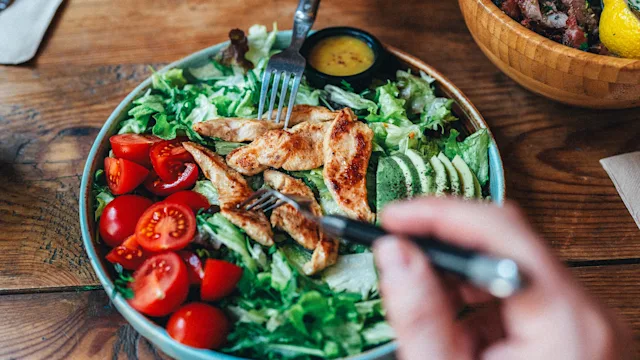
You can prep your favorite protein options ahead of time and store them in the fridge. This makes it easy to add them to future meals. Just reheat them to add to salads, casseroles, tacos, and other items throughout the week.
If you’re prepping meat, be sure to follow food safety precautions to avoid getting sick. After you’ve cooked a protein, refrigerate it promptly, since bacteria can multiply if it’s left out at room temperature. The meat can then safely remain in the refrigerator for 3 to 4 days before it needs to be thrown out.
2. Don’t forget about fish and other seafood
Fish and seafood are an important part of a healthy diet. They're rich in nutrients that other meats lack, including omega-3 fatty acids, vitamin D, and selenium. Experts recommend that adults eat at least 8 oz (about 2 servings) of seafood per week. But almost 90% of people don’t meet that recommendation.
You don’t need to live near a lake or ocean to have access to seafood. Most grocery stores have frozen and canned options.
Here’s how much protein you’ll find in a 3-oz serving:
3. Choose Greek yogurt
There are many yogurt options to choose from in the dairy aisle. But, for the most protein, grab Greek yogurt. Greek yogurt has more protein (and less sugar) than regular yogurt. A standard serving of Greek yogurt contains 17 g of protein, compared to the 9 g of protein in plain, low-fat regular yogurt.
4. Snack on nuts and seeds
Nuts and seeds are extremely portable foods. They can make great on-the-go snacks that don’t need to be refrigerated. Plus, they can help boost your daily protein intake.
Here’s how much protein you’ll find in a 1.5 oz-serving of the following nuts and seeds:
Cashews: 7.5 g
Sunflower seeds: 7.5 g
Almonds: 9 g
Peanuts: 10.71 g (although, technically, peanuts are a legume)
Hemp seeds: 14 g

Read more like this
Explore these related articles, suggested for readers like you.


Beyond adding protein to your diet, nuts and seeds contain many nutrients that have been linked with improved blood sugar levels and gut health. They also have antioxidant and anti-inflammatory properties.
5. Make a protein-rich smoothie
It’s particularly easy to add protein to smoothies. Good protein-foods to add to a smoothie include:
Greek yogurt
Silken tofu
Seeds
You can also add protein powder to smoothies. There are many types of protein powder to fit different diets, including:
Whey and casein protein (made from milk)
Egg protein
Pea protein
Hemp protein
Brown-rice protein
But, when you can, it’s better to get your protein from a balanced diet, rather than a supplement, like protein powder. Whole foods are almost always the best source of protein. That’s because, in addition to protein, these foods contain several nutrients that your body can’t make on its own.
When is the best time to drink protein shakes?
There aren’t large-scale studies on protein timing. And the research is mixed on whether it’s more effective to have a protein shake before or after a workout. Both options can be beneficial, and it may depend on your workout intensity or fitness goals.
As an example, if your workout involves a lot of jumping or other high-intensity movement, you may not want to have a protein shake prior. And some people prefer to work out while fasting.
If your goal is building muscle mass or strength, there’s some research suggesting that having protein after strenuous exercise may improve muscle protein synthesis, the process needed for muscle growth.
But there isn’t overwhelming evidence in either direction. What may matter most is having a balanced diet and getting enough protein throughout the day. So, the best time for you to drink a protein shake will depend on your personal preferences.
6. Try beans and lentils
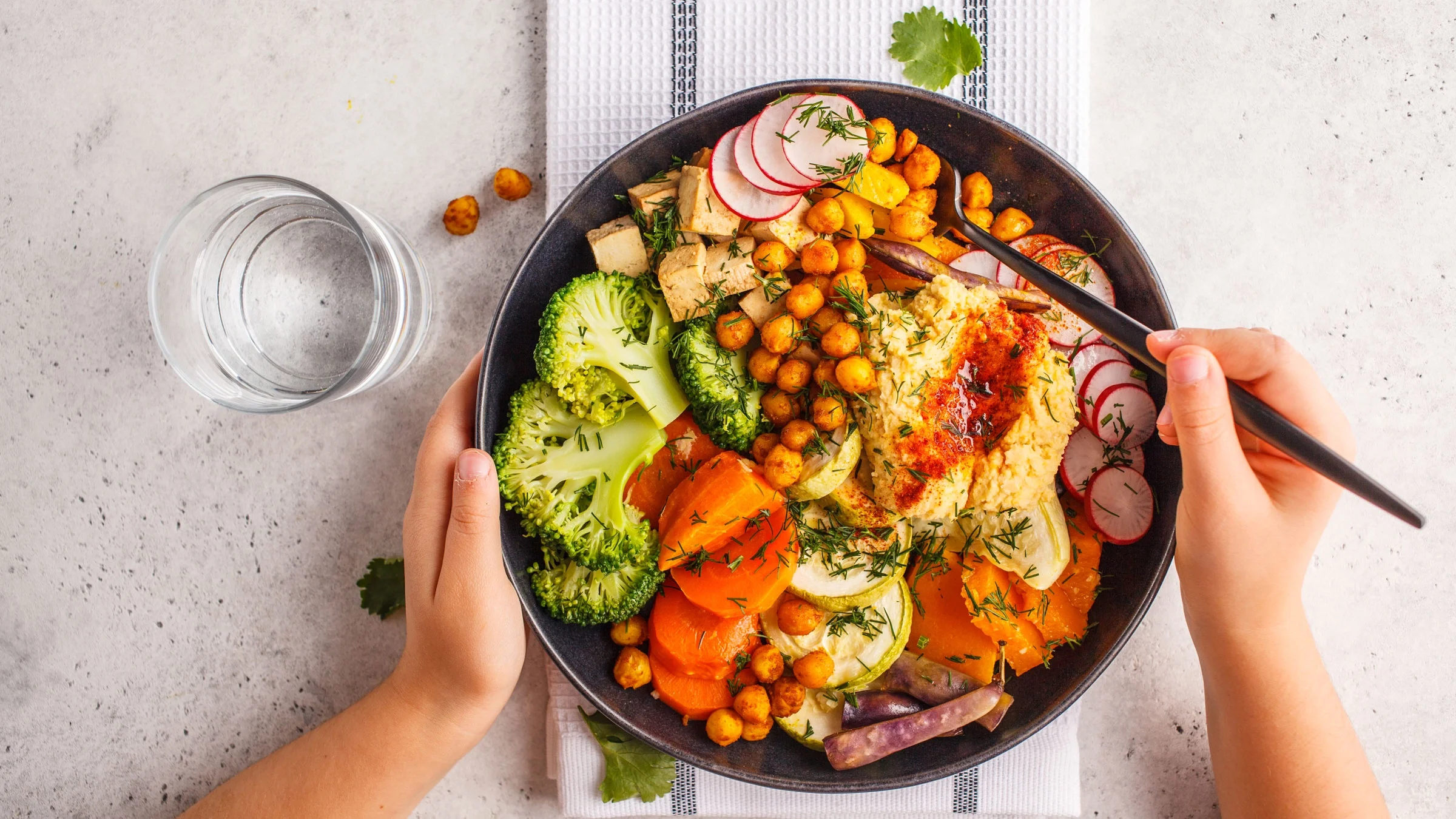
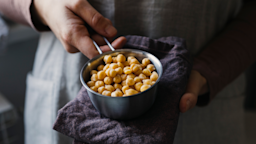
Beans and lentils are part of a larger family called legumes. These provide high amounts of plant-based protein. One of the easiest ways to get more protein is to add legumes to tacos, soups, salads, pastas, and more.
These plant-based sources of protein can help you cut back on saturated fat and sodium. Plant-based proteins also provide fiber. Animal proteins don’t.
Try adding beans and legumes to your diet to diversify your protein sources and meet your daily protein requirement.
Here’s the amount of protein in a 1-cup serving of various legumes:
Lima beans: 11.6 g
Soybeans (edamame): 12 g
Black beans: 14 g
Chickpeas (garbanzo beans): 14.5 g
Kidney beans: 15.6 g
Lentils: 18 g
7. Swap out rice for ancient grains
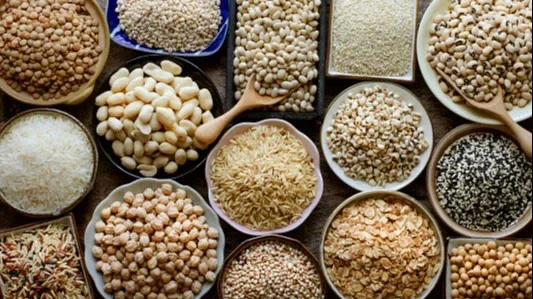
Ancient grains refer to grains that haven’t been changed over the last few hundred years. Ancient grains also contain higher amounts of protein per serving than modern wheat or white rice.
Here’s the protein amount in a 1-cup serving of some ancient grains:
Millet: 6 g
Quinoa: 8 g
Amaranth: 9 g
Sorghum: 20 g
Hulled barley: 23 g
8. Start your morning with eggs
Eggs can be an excellent part of a high-protein diet. One large egg contains more than 6 g of protein. Plus, egg protein is easy to digest, and it’s an excellent source of essential amino acids.
A protein-rich breakfast of eggs keeps you fuller for longer, so you’ll be less likely to need that midmorning snack. A high-protein breakfast may also help to regulate your blood sugar levels throughout the day.
9. Make things cheesy
Cheese is an excellent source of protein. An ounce of low-fat cheese, like cheddar or Colby, provides nearly 7 g. And hard cheeses aren’t your only option, either. Low-fat cottage cheese has about 12 g of protein per ½ cup serving. And part-skim ricotta has about 14 g.
When shopping for cheese, try to look for less processed options. That means choosing blocks and wedges with minimal ingredients. Try to avoid string cheese or jarred cheeses containing additives, like dyes, preservatives, or other artificial ingredients.
10. Stock up on meat substitutes
Did you know that there are plant-based versions of your favorite types of meat? Some examples include:
Pea protein “ground beef” crumbles
Fava bean plant-based “chicken” nuggets
Sprouted mung bean “bacon”
The protein used in plant-based meat alternatives varies depending on the product and brand. But these foods can be great options to swap in for ground beef, chicken, or bacon.
Health benefits of protein
Protein provides energy for your body. And protein is the building block of your cells.
Each protein molecule is made up of amino acids. There are nine amino acids that are considered “essential” that our bodies don’t make naturally. This means we need to get them from our diet. And eating protein from a variety of sources is the best way to ensure we're getting all the essential amino acids we need.
Protein is necessary for building muscle, skin, bones, and cartilage. But it does a lot more than this. It also makes vitamins, hormones, and enzymes. This means it helps your body with daily metabolism. And it acts as a messenger, sending information to various parts of your body.
For example, insulin — a hormone that signals your cells to take in sugar — is a protein. Antibodies are also proteins, and they bind themselves to viruses or bacteria to protect your body from illness.
A diet rich in protein has also been associated with:
A lower risk of high blood pressure
How much protein should you eat per day?
The amount of protein you need depends on your size, age, sex, and activity level:
Healthy adults should aim for around 0.8 g of protein per kg of body weight per day. So, someone weighing 175 lbs would try to eat about 63 g of protein each day.
Adults over age 65 should aim for 1.2 g to 2 g per kg body weight per day. This amount of protein helps prevent age-related loss of muscle mass and strength.
People who exercise regularly should aim for 1.4 g to 2 g per kg of body weight. This is the recommended range from the International Society of Sports Nutrition.
Is too much protein bad for you?
Too much protein can be bad for certain groups of people. In particular, people with kidney disease may need to eat less protein to prevent waste buildup in the blood. And getting too much protein — more than 2 g of protein per kg of body weight daily — may lead to weight gain, since it adds extra calories.
For most people, eating too much protein will not be harmful. Just make sure you’re getting the other nutrients that are essential for a balanced diet — like complex carbohydrates and healthy fats.
As always, ask a trusted healthcare professional any questions or concerns you have about your diet.
Frequently asked questions
Soy is a particularly high-quality plant-based protein. That’s because it’s a complete protein, which means it contains all the essential amino acids that your body needs but can’t make on its own. Soy foods include tofu, edamame, and soy milk. Other good plant-based protein sources are lentils, beans, whole grains, and nuts. Using plant-based protein powder is one of the easiest ways to get more protein as a supplement to your diet.
Protein itself doesn’t cause constipation. But sometimes a high-protein diet crowds out fiber from the diet. And not getting enough fiber can cause constipation. A high-protein diet should still contain fiber-rich foods, like fruits, vegetables, legumes, and whole grains. This will help promote regular bowel movements. So will drinking enough fluids and getting enough physical activity.
Vegetables in the legume category (like beans, peas, and lentils) are very high in protein, with as much as 30 g per cup. But most other vegetables aren’t high in protein. Certain veggies — including spinach, corn, and Brussels sprouts — have a small amount of protein (around 4 g to 5 g per cup, cooked).
How much protein you should eat for weight loss depends on your specific health goals. Usually, people working toward weight loss or weight maintenance should aim for 1.07 g to 1.6 g of protein per kilogram of bodyweight per day. Individual protein needs vary depending on age, weight, sex, overall health status, and physical activity levels. Protein can support weight loss in a few different ways. It keeps you full for longer. It also helps stabilize blood sugar, which prevents blood sugar spikes that lead to food cravings. And it helps you maintain lean muscle mass as you lose weight.
There are plenty of healthy proteins to include in your daily diet. The key is to eat a variety of protein-containing foods that are both plant-based and animal-based. When you do eat meat, try to emphasize lean cuts and types of meat, like chicken breast, turkey, or fish.
Soy is a particularly high-quality plant-based protein. That’s because it’s a complete protein, which means it contains all the essential amino acids that your body needs but can’t make on its own. Soy foods include tofu, edamame, and soy milk. Other good plant-based protein sources are lentils, beans, whole grains, and nuts. Using plant-based protein powder is one of the easiest ways to get more protein as a supplement to your diet.
Protein itself doesn’t cause constipation. But sometimes a high-protein diet crowds out fiber from the diet. And not getting enough fiber can cause constipation. A high-protein diet should still contain fiber-rich foods, like fruits, vegetables, legumes, and whole grains. This will help promote regular bowel movements. So will drinking enough fluids and getting enough physical activity.
Vegetables in the legume category (like beans, peas, and lentils) are very high in protein, with as much as 30 g per cup. But most other vegetables aren’t high in protein. Certain veggies — including spinach, corn, and Brussels sprouts — have a small amount of protein (around 4 g to 5 g per cup, cooked).
How much protein you should eat for weight loss depends on your specific health goals. Usually, people working toward weight loss or weight maintenance should aim for 1.07 g to 1.6 g of protein per kilogram of bodyweight per day. Individual protein needs vary depending on age, weight, sex, overall health status, and physical activity levels. Protein can support weight loss in a few different ways. It keeps you full for longer. It also helps stabilize blood sugar, which prevents blood sugar spikes that lead to food cravings. And it helps you maintain lean muscle mass as you lose weight.
There are plenty of healthy proteins to include in your daily diet. The key is to eat a variety of protein-containing foods that are both plant-based and animal-based. When you do eat meat, try to emphasize lean cuts and types of meat, like chicken breast, turkey, or fish.
The bottom line
Protein is a key nutrient in your diet. To meet your daily requirements, try prepping or batch-cooking proteins ahead of time. You can also boost protein intake by swapping out certain grains for their higher-protein counterparts or supplementing drinks with protein powders. Whichever methods you try, be sure to switch up the types of protein you choose to get a wide range of different nutrients.

Why trust our experts?




References
Academy of Nutrition and Dietetics. (2016). Special communications: Joint position statement nutrition and athletic performance. Medicine and Science in Sports and Exercise.
Baum, J. I., et al. (2016). Protein consumption and the elderly: What is the optimal level of intake? Nutrients.
Bray, G. A., et al. (2015). Effect of protein overfeeding on energy expenditure measured in a metabolic chamber. American Journal of Clinical Nutrition.
Buendia, J. R., et al. (2015). Diets higher in protein predict lower high blood pressure risk in Framingham Offspring Study adults. American Journal of Hypertension.
Diabetes Food Hub. (2022). High blood sugar and hunger. American Diabetes Association.
FoodData Central. (2019). Crustaceans, crab, dungeness, cooked, moist heat. U.S. Department of Agriculture.
FoodData Central. (2019). Fish, cod, Atlantic, cooked, dry heat. U.S. Department of Agriculture.
FoodData Central. (2019). Fish, pollock, Atlantic, cooked, dry heat. U.S. Department of Agriculture.
FoodData Central. (2019). Fish, tuna, light, canned in oil, drained solids. U.S. Department of Agriculture.
FoodData Central. (2019). Fish, tuna, skipjack, fresh, cooked, dry heat. U.S. Department of Agriculture.
Gervasi, T., et al. (2021). Health benefits related to tree nut consumption and their bioactive compounds. International Journal of Molecular Sciences.
Hudson, J. L., et al. (2019). Protein intake greater than the RDA differentially influences whole-body lean mass responses to purposeful catabolic and anabolic stressors: A systematic review and meta-analysis Advances in Nutrition.
Jäger, R., et al. (2017). International Society of Sports Nutrition position stand: Protein and exercise. Journal of the International Society of Sports Nutrition.
Kerksick, C. M., et al. (2017). International society of sports nutrition position stand: Nutrient timing. Journal of the International Society of Sports Nutrition.
Melse-Boonstra, A. (2020). Bioavailability of micronutrients from nutrient-dense whole foods: Zooming in on dairy, vegetables, and fruits. Frontiers in Nutrition.
Moon, J., et al. (2020). Clinical evidence and mechanisms of high-protein diet-induced weight loss. Journal of Obesity and Metabolic Syndrome.
MyPlate. (n.d.). Protein foods. U.S. Department of Agriculture.
National Human Genome Research Institute. (2025). Antibody. National Institutes of Health.
ScienceDirect. (n.d.). Complete protein.
U.S. Department of Agriculture. (n.d.). FoodData Central.
U.S. Department of Agriculture. (2024). How long can you keep cooked beef?
van Vliet, S., et al. (2018). Achieving optimal post-exercise muscle protein remodeling in physically active adults through whole food consumption. Nutrients.
Weiss, M., et al. (2014). Insulin biosynthesis, secretion, structure, and structure-activity relationships. Endotext.
Xiao, K., et al. (2022). Effect of a high protein diet at breakfast on postprandial glucose level at dinner time in healthy adults. Nutrients.