Key takeaways:
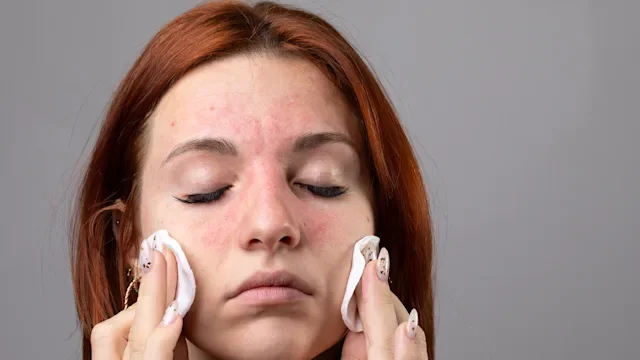
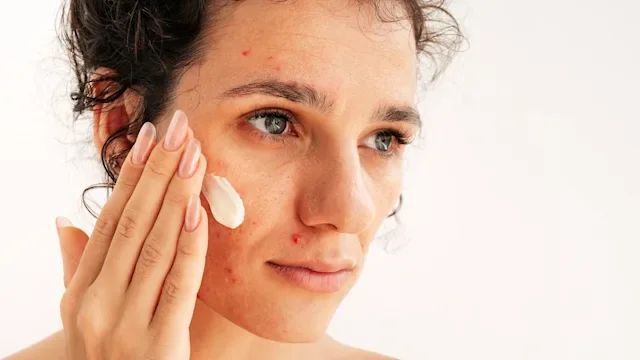
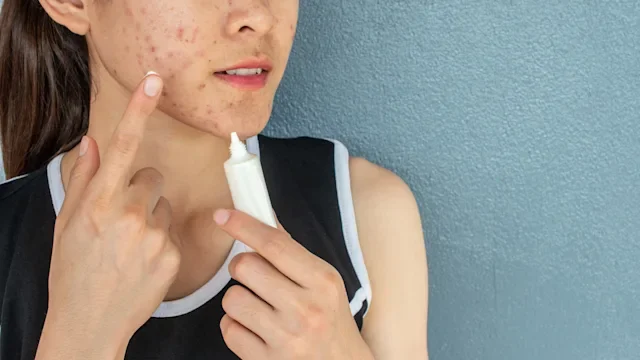
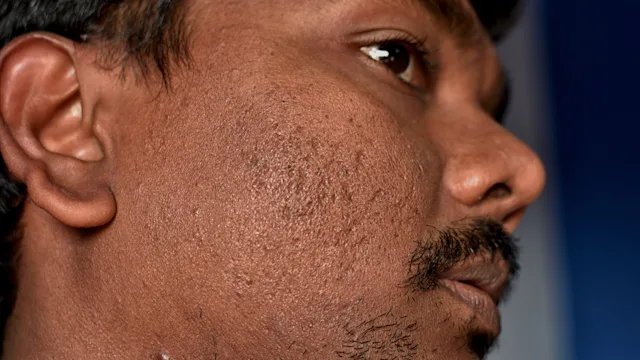
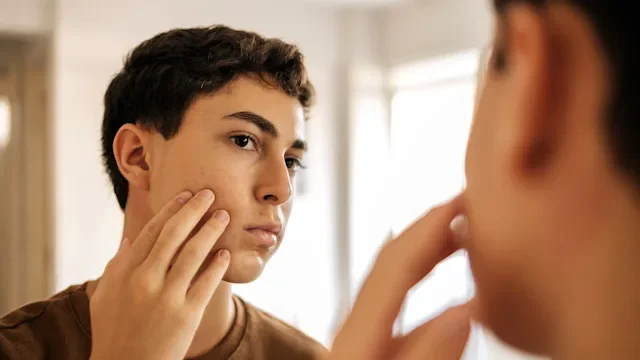
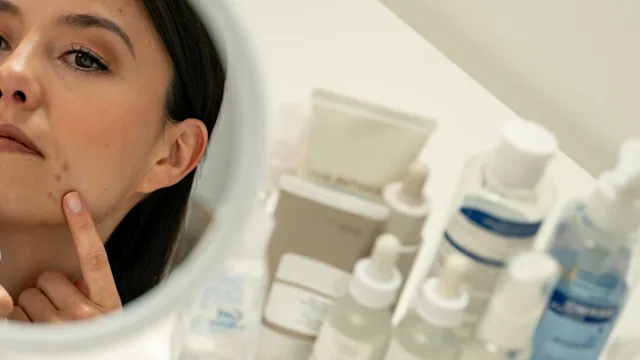
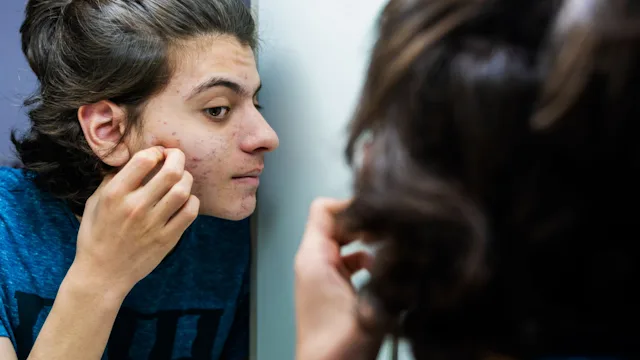
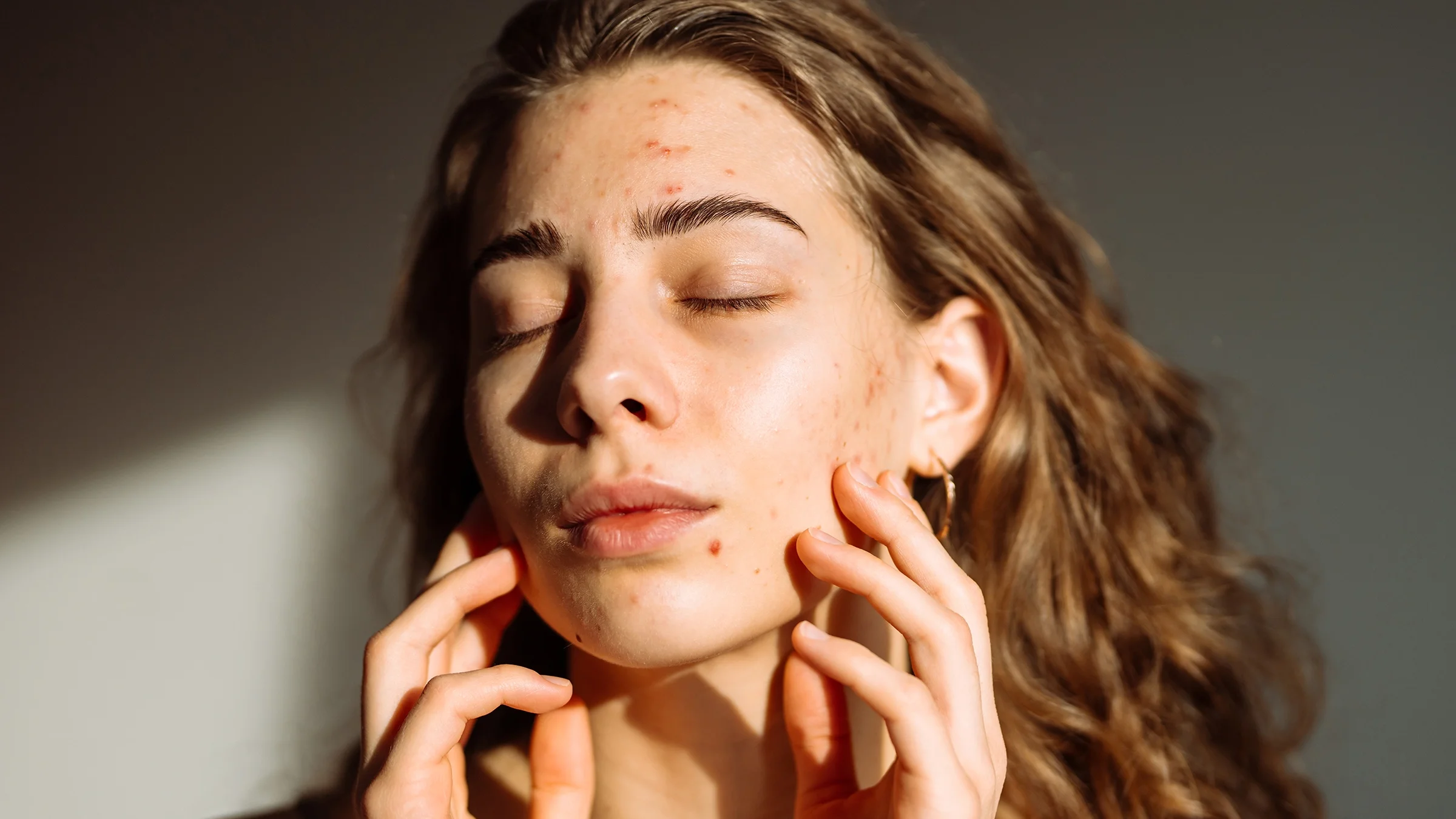
Acne is an inflammatory skin condition that presents as redness, swelling, and pimples when hair follicles get clogged with oil or dead skin cells.
Exposing your skin to the ultraviolet rays of the sun won’t clear up acne.
Frequent sun exposure can lead to scarring, hyperpigmentation, and premature aging.
Soaking up sunlight has many benefits. Spending time in the sun helps your body make vitamin D, may contribute to alertness and better sleep, and can boost your mood.
But does spending time in the sun help with acne? While the sun may temporarily improve your skin’s appearance, experts say that it can ultimately make acne worse and create other skin issues.
What is acne?
Acne is a skin condition that develops when your hair follicles get clogged with oil (sebum) and/or dead skin cells. The mixture of oils and cells gives bacteria that normally live on your skin an opportunity to grow. This can cause inflammation — or redness, swelling, and the lesions we call “pimples.”
Search and compare options
“Acne is caused by the bacteria Propionibacterium acnes, which is a natural part of the human skin microbiome,” said board-certified dermatologist Anna H. Chacon, MD. “When this bacteria’s natural environment gets disturbed, this shows up as the opportunistic infection that we know as acne.”
Chacon adds that some of the most common things that can disturb the skin microbiome are:
Too much oil
Injury
Hormonal changes, like during pregnancy
Medication
Claim: The sun helps clear up acne and pimples
Many people believe that the sun can help clear up acne and pimples, but experts (and a handful of studies) say that’s not quite how it works.
Why do people think the sun helps acne?
No one knows for sure where the idea that the sun is good for acne came from. Chacon hypothesizes that there are likely a couple of reasons some people think the sun helps acne:
The sun dries out the skin, which may temporarily improve the appearance of acne.
There are dermatologist-approved laser and light therapies to treat some types of acne. These therapies use specialized types of light — not sunlight. It’s possible that some people have misunderstood “light therapy” to include the sun.
What does the research say?
There’s limited research on the direct effects of the sun on acne. One systematic review rounded up relevant studies and found no evidence that natural sunlight improves acne.
There’s some evidence that light therapy — or exposure to specific wavelengths of light — may help. But this type of light therapy isn’t the same thing as exposing your skin to the broad spectrum of light that comes from the sun.
What do the experts say?
Experts tend to agree that sun exposure may initially improve the appearance of acne by drying out sebum. Plus, when your skin is tanned, pimples and acne marks may look less noticeable. But these effects are short-lived. In fact, the drying effect of sun exposure can ultimately make acne worse.
“Sun exposure causes the top layer of the skin, the epidermis, to become dry and thick, resulting in the body creating even more oil to compensate for what was lost,” Chacon said. That’s because the drying effect from the sun is different from the drying that you get from topical acne medications.
For example, tretinoin, a common acne medication, dries out the skin by speeding up skin cell turnover. In other words, it increases how quickly your body makes new skin cells. This can help dry out and get rid of acne over time.
On the other hand, the sun directly dries out the oil on your skin. This may temporarily improve how your skin looks and make acne less obvious. But you’ll likely end up producing more oil than before. That means you could have a higher chance of worsening acne, along with other skin issues.
“This cycle perpetuates the original problem, but now, you’ve added potential damage from UVA and UVB rays, like scarring, hyperpigmentation, premature aging, and wrinkles,” Chacon said. And according to the American Academy of Dermatology, the sun’s ultraviolet rays can darken acne and make it last longer.
The best way to clear up persistent acne is with proper skin care and the help of medications, both prescription and over the counter.
So should you try to use sunlight to clear acne?
No, sunlight isn’t a proven way to treat acne. In fact, most experts recommend protecting your skin from the sun as a strategy to prevent acne from worsening.
It may seem like the sun makes your acne less noticeable at first, but this isn’t a long-term effect. In fact, sun exposure can end up making things worse and creating other unwanted effects, like hyperpigmentation, scarring, and premature aging.
Good to know: Certain medications can make you more sensitive to sunlight. For example, if you’re taking a retinoid to treat your acne, it’s especially important to protect your skin from the sun. Retinoids are a common acne treatment that can make your skin sensitive to the sun. That’s why it’s important to apply sunscreen with an SPF of at least 30 every day when you’re taking a retinoid.
Frequently asked questions
No, a tanning bed will not help treat acne. In fact, similar to sun exposure, a tanning bed puts off UV rays that can worsen acne and raise your risk for other skin problems, like skin cancer and premature skin aging.
Red light therapy can lessen inflammation and promote healing, which may help with some types of acne. A small study found that people with moderate acne who did red light therapy sessions saw improvement in their acne lesions and a decrease in skin oil. Before trying red light therapy for acne, consider talking with a dermatologist. They can help you figure out a treatment plan that’ll work best for the type of acne you have.
Yes, using sunscreen can be an important part of managing acne. In fact, some sunscreens include ingredients that might lessen the inflammation UV rays cause. These anti-inflammatory sunscreen ingredients include panthenol, aloe vera, and vitamin E.
Sunlight doesn’t directly cause acne, but spending too much time in the sun may worsen acne and other skin conditions. Plus, certain medications, including common acne medications, can make your skin more sensitive to the sun. You can help protect your skin from the sun’s rays by wearing sunscreen and protective clothing when you’re outside.
No, a tanning bed will not help treat acne. In fact, similar to sun exposure, a tanning bed puts off UV rays that can worsen acne and raise your risk for other skin problems, like skin cancer and premature skin aging.
Red light therapy can lessen inflammation and promote healing, which may help with some types of acne. A small study found that people with moderate acne who did red light therapy sessions saw improvement in their acne lesions and a decrease in skin oil. Before trying red light therapy for acne, consider talking with a dermatologist. They can help you figure out a treatment plan that’ll work best for the type of acne you have.
Yes, using sunscreen can be an important part of managing acne. In fact, some sunscreens include ingredients that might lessen the inflammation UV rays cause. These anti-inflammatory sunscreen ingredients include panthenol, aloe vera, and vitamin E.
Sunlight doesn’t directly cause acne, but spending too much time in the sun may worsen acne and other skin conditions. Plus, certain medications, including common acne medications, can make your skin more sensitive to the sun. You can help protect your skin from the sun’s rays by wearing sunscreen and protective clothing when you’re outside.
The bottom line
Exposing your skin to the sun may temporarily improve the appearance of acne. But sunlight can end up making things worse and creating other unwanted effects, like hyperpigmentation, scarring, and premature aging. Rather than relying on the sun to clear up acne, check in with a dermatologist who can help you find an appropriate treatment plan for you.

Why trust our experts?



References
American Academy of Dermatology Association. (2021). Back acne: How to see clearer skin.
American Academy of Dermatology Association. (2026). Indoor tanning.
American Academy of Dermatology Association. (n.d.). Lasers and lights: How well do they treat acne?
American Cancer Fund. (n.d.). American Cancer Fund sunscreen ingredients.
Barbaric, J., et al. (2016). Light therapies for acne. Cochrane Database of Systematic Reviews.
Ludmann, P. (2024). Acne: Diagnosis and treatment. American Academy of Dermatology Association.
Magin, P., et al. (2005). A systematic review of the evidence for ‘myths and misconceptions’ in acne management: Diet, face-washing and sunlight. Family Practice.
Zane, C., et al. (2008). Non-invasive diagnostic evaluation of phototherapeutic effects of red light phototherapy of acne vulgaris. Photodermatology, Photoimmunology & Photomedicine.
Zasada, M., et al. (2019). Retinoids: Active molecules influencing skin structure formation in cosmetic and dermatological treatments. Advances in Dermatology and Allergology.