





How to Save on 6 Types of Dermatology Medications Insurance May Not Cover
Some dermatology medications aren’t covered by insurance. But there are still ways to save on the cost of your prescription. Learn more with GoodRx.
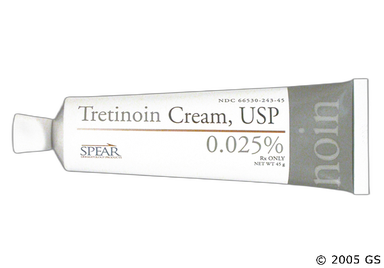
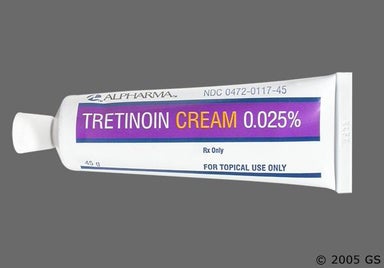
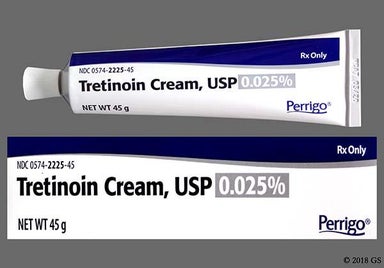
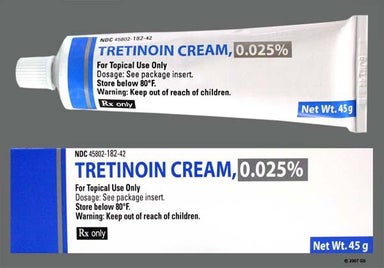
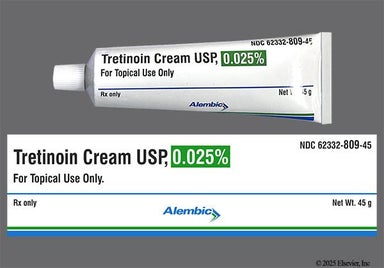
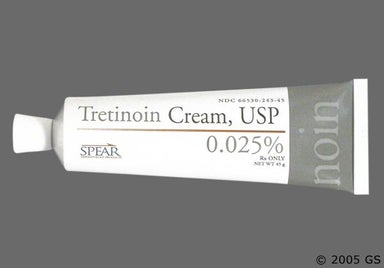
Retin-A (tretinoin) is a retinoid medication that's used to treat acne in adults and children 12 years and older. It's available as a cream or a gel that's applied onto the skin once a day. Side effects include skin irritation, redness, and peeling. Your acne might get worse at the beginning of treatment, but it should get better as you continue using the medication. You must have a prescription for Retin-A (tretinoin) from your primary care provider or dermatologist; this medication isn't available over the counter.

Retin-A (tretinoin) is a retinoid. It's a form of vitamin A, a nutrient that helps keep your skin healthy by replacing your skin cells.
Retin-A (tretinoin) replaces your old skin cells with new skin cells. It also helps unclog pores in your skin that are plugged with dead skin cells and excessive oil. This helps treat acne and prevent more pimples from forming.
| Common Brands | Retin-A |
|---|---|
| Drug Class | Retinoid |
| Controlled Substance Classification | Not a controlled medication |
| Generic Status | Lower-cost generic available |
| Availability | Prescription only |

The following side effects may get better over time as your body gets used to the medication. Let your healthcare provider know immediately if you continue to experience these symptoms or if they worsen over time.
Contact your healthcare provider immediately if you experience any of the following.
Along with its needed effects, a medicine may cause some unwanted effects. Although not all of these side effects may occur, if they do occur they may need medical attention.
Check with your doctor immediately if any of the following side effects occur:
More common
Burning, stinging, peeling, redness, or unusual dryness of the skin (severe)
Less common
Dryness, pain, redness, irritation, or peeling at the application site
Some side effects may occur that usually do not need medical attention. These side effects may go away during treatment as your body adjusts to the medicine. Also, your health care professional may be able to tell you about ways to prevent or reduce some of these side effects. Check with your health care professional if any of the following side effects continue or are bothersome or if you have any questions about them:
More common
Burning, itching, stinging, scaling, or redness of the skin
chapping or slight peeling of the skin (mild)
darkening of the skin
lightening of normal skin color
lightening of treated areas of dark skin
redness of skin (mild)
unusual dryness of skin (mild)
unusually warm skin (mild)
Other side effects not listed may also occur in some patients. If you notice any other effects, check with your healthcare professional.
Call your doctor for medical advice about side effects. You may report side effects to the FDA at 1-800-FDA-1088.



How to use Retin-A (tretinoin):

Retin-A (tretinoin) can cause some serious health issues. This risk may be even higher for certain groups. If this worries you, talk to your doctor or pharmacist about other options.
Using Retin-A (tretinoin) can make your skin more sensitive to both natural sunlight and artificial sunlight from sunlamps. This can cause your skin to burn more easily. Having skin that's more sensitive to light might also raise your risk of early aging of the skin or skin cancer.
It's important to protect your skin from sunlight by finding shade outdoors, using sunscreen when you're outside (even on cloudy days), and wearing sun-protective clothing (like hats). Also avoid using sunlamps. Ask your primary care provider or dermatologist about which SPF (sun protection factor) level of sunscreen will protect you best. Stop using Retin-A (tretinoin) until your skin fully heals if you get sunburned.
Extreme climates, like too cold or too windy weather, can make your skin get too dry or cause skin burns. Using Retin-A (tretinoin) can make your skin more sensitive to these weather conditions, leading to even more skin irritation. If you live somewhere very cold or windy, ask your primary care provider or dermatologist about ways for you to better manage and treat your acne.
If you have sensitive skin, Retin-A (tretinoin) might cause excessive skin redness, blisters, swelling, and crusting. Stop using the medication until your skin heals if your skin irritation doesn't go away. Discuss with your primary care provider or dermatologist to see whether you need to use Retin-A (tretinoin) less often so that you can tolerate it better or whether you need a different medication.


Although certain medicines should not be used together at all, in other cases two different medicines may be used together even if an interaction might occur. In these cases, your doctor may want to change the dose, or other precautions may be necessary. Tell your healthcare professional if you are taking any other prescription or nonprescription (over-the-counter [OTC]) medicine.









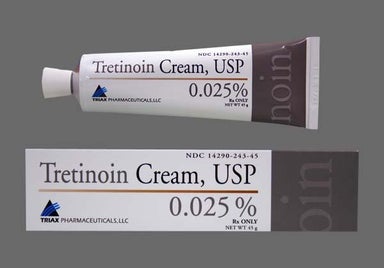
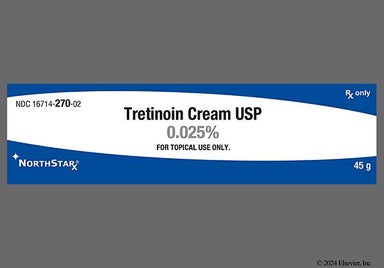
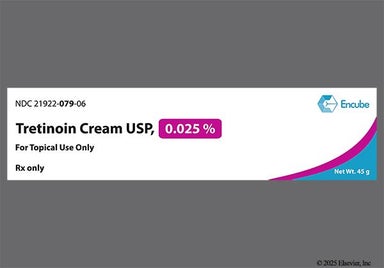
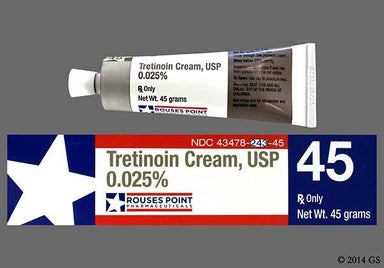
Prescription savings
Stop paying too much for your prescriptions. Compare prices, get pharmacy coupons, and save up to 80%. Find expert answers to your health questions so you can make the best decisions for yourself and your family.
Health conditions
Medications & treatment
Access & affordability
Medication discounts


Yes, Retin-A belongs to the drug class known as retinoids. It works to treat acne by replacing your old skin cells with new skin cells. Retin-A also helps unclog the pores in your skin that are filled with dead skin cells and oil.
Use Retin-A once a day before bedtime. After you wash your skin and pat it dry, wait 20 to 30 minutes for it to completely dry. Then, place no more than a half-inch of Retin-A onto your fingertip. Dab the medication onto your forehead, chin, and both cheeks. Then, gently spread it over your entire face and smooth it into the skin. Check out the Pharmacist Tips for more information on how to use Retin-A. You can also ask your primary care provider or dermatologist if you have any other questions about using this medication.
Yes, Retin-A can expire. Look for the expiration date written on the box or on the medication itself (e.g., tube, pump). You can use the same tube of Retin-A until the expiration date. Throw away the medication and ask for a refill or new prescription if it's past the expiration date. Expired medication might not work as well for you or be safe for you.
You should notice your skin improving after 2 to 3 weeks of using Retin-A. But keep in mind that it can take 6 weeks or more to see the full effects of the medication and for your skin to clear up. Try not to get discouraged if you don't see any improvements to your skin right away. Speak with your primary care provider or dermatologist if you don't notice your skin starting to clear up after a few months of treatment or if you're not sure whether the medication is working for you. And if you do see improvements, remember to continue to use Retin-A so that it keeps working to treat your acne.
Don't use Retin-A for wrinkles without speaking with your primary care provider or dermatologist first. Retin-A is FDA approved to treat acne only. Many studies show that tretinoin can help with wrinkles. In fact, there's another formulation of the tretinoin cream (Renova) that's specifically FDA approved for lessening wrinkles on the face. Speak with a dermatologist for ways to lessen your wrinkles.
Yes. You can use makeup and other cosmetic products with Retin-A, as long as you wash and cleanse your entire face well before you apply the medication. Be sure to wait at least 20 to 30 minutes after washing your face so it's completely dry before you apply Retin-A. This helps prevent dry skin and irritation.
Retin-A is generally safe for adults and children 12 years and older to use to treat acne, but it does have some side effects. It's normal to feel a temporary burning or stinging sensation when you spread the medication onto the skin. You also might notice dry, flaky, red, or irritated skin; worsened acne; or peeling. Typically, these side effects go away as you continue using Retin-A. Keep in mind that you can get sunburns more easily since the medication makes the skin more sensitive to the sun. And your risk for these side effects can be higher if you have sensitive skin. Speak with your primary care provider or dermatologist if you have any bothersome side effects or are concerned about them.
There aren't any studies that look into how safe Retin-A is for people during pregnancy. Some animal studies showed harmful effects in unborn babies with high doses of topical tretinoin. In general, Retin-A isn't typically recommended for use during pregnancy. Discuss with your primary care provider or dermatologist about the risks and benefits of using Retin-A if you're pregnant or if you think you might be pregnant.
