



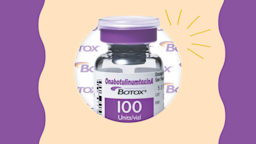
Real vs. Fake Botox: How to Tell the Difference and Avoid Counterfeit Products
Counterfeit Botox can have harmful side effects. Here’s what you need to know about the dangers of fake Botox and how to tell what’s real from what’s fake.
Botox (onabotulinumtoxinA) is a prescription injection used for many medical conditions caused by muscle overactivity or nerve problems. It's FDA approved for treating conditions like overactive bladder, excessive armpit sweating, and for preventing migraines. The medication is injected by a trained healthcare professional. Side effects depend on where the injection is given, but they can include urinary tract infections, headache, and neck pain.
Botox (onabotulinumtoxinA) is different from Botox Cosmetic, which is used for facial and neck lines.

Botox (onabotulinumtoxinA) is a neuromuscular blocker, which means it blocks signals between your nerves and muscles. It works by stopping the release of a chemical called acetylcholine, which your body uses to make muscles move. When Botox (onabotulinumtoxinA) is injected into a muscle, it helps that muscle relax, which can help treat conditions caused by overactive muscles.
When Botox (onabotulinumtoxinA) is injected into the skin, it blocks the nerves that trigger sweat glands. This helps lower sweating in the area where it was injected.
| Common Brands | Botox |
|---|---|
| Drug Class | Neuromuscular blocker |
| Controlled Substance Classification | Not a controlled medication |
| Generic Status | No lower-cost generic available |
| Availability | Prescription only |

The following side effects may get better over time as your body gets used to the medication. Let your healthcare provider know immediately if you continue to experience these symptoms or if they worsen over time.
Overactive bladder:
Loss of bladder control:
Chronic migraine:
Muscle spasms:
Neck muscle spasm:
Excessive armpit sweating:
Eyelid twitching:
Crossed eyes:
Overactive bladder:
Loss of bladder control:
Chronic migraine:
Muscle spasms:
Neck muscle spasm:
Excessive armpit sweating:
Eyelid twitching:
Crossed eyes:
Contact your healthcare provider immediately if you experience any of the following.
Along with its needed effects, a medicine may cause some unwanted effects. Although not all of these side effects may occur, if they do occur they may need medical attention.
Check with your doctor or nurse immediately if any of the following side effects occur:
More common
Difficulty with swallowing
Rare
Difficulty with breathing or speaking
muscle weakness
More common—for blepharospasm
Dryness of the eyes
inability to close the eyelids completely
More common—for upper limb spasticity
Body aches or pain
chills
ear congestion
headache
loss of voice
runny or stuffy nose
unusual tiredness or weakness
More common—for urinary incontinence caused by an overactive bladder
Bladder pain
bloody or cloudy urine
difficult, burning, or painful urination
frequent urge to urinate
lower back or side pain
Less common—for blepharospasm
Decreased blinking
irritation of the cornea (colored portion) of the eyes
turning outward or inward of the edge of the eyelids
Less common—for forehead lines
Drooping of the brows and upper eyelids
Less common—for glabellar lines
Drooping of the upper eyelid
facial pain
muscle weakness
partial or slight paralysis of the face
Less common—for lateral canthal lines
Swelling of the eyelids
Less common—for upper limb spasticity
Cough producing mucus
difficulty breathing
muscle weakness
seizures
tightness in the chest
weakness
Some side effects may occur that usually do not need medical attention. These side effects may go away during treatment as your body adjusts to the medicine. Also, your health care professional may be able to tell you about ways to prevent or reduce some of these side effects. Check with your health care professional if any of the following side effects continue or are bothersome or if you have any questions about them:
More common—for blepharospasm
Blue or purplish bruise on the eyelids
drooping of the upper eyelids
irritation or watering of the eyes
sensitivity of the eyes to light
More common—for cervical dystonia
Body aches or pain
chills
ear congestion
headache
loss of voice
neck pain
runny or stuffy nose
unusual tiredness or weakness
More common—for forehead lines
Headache
More common—for hyperhidrosis
Body aches or pain
chills
congestion
dryness or soreness of the throat
fear
general feeling of discomfort or illness
headache
heavy bleeding from the place where the shot was given
itching skin
joint pain
loss of appetite
nervousness
painful or difficult urination
shivering
sweating
tender, swollen glands in the neck
trouble sleeping
trouble swallowing
voice changes
vomiting
More common—for strabismus
Drooping of the upper eyelid
eye pointing upward or downward instead of straight ahead
More common—for upper limb spasticity
Pain in the arms
Less common—for blepharospasm
Skin rash
swelling of the skin of the eyelid
Less common—for chronic migraine
Bleeding, blistering, burning, coldness, discoloration of the skin, feeling of pressure, hives, infection, inflammation, itching, lumps, numbness, pain, rash, redness, scarring, soreness, stinging, swelling, tenderness, tingling, ulceration, or warmth at the injection site
blurred vision
body aches or pain
cough producing mucus
difficulty with breathing
dizziness
drooping of the upper eyelid
headache
muscle aches and pains
nervousness
pounding in the ears
slow or fast heartbeat
tightness in the chest
Less common—for forehead lines
Skin tightness
Less common—for lower limb spasticity
Back pain
body aches or pain
chills
difficulty with breathing
ear congestion
headache
loss of voice
unusual tiredness or weakness
Less common—for strabismus
Difficulty finding the location of objects
double vision
Other side effects not listed may also occur in some patients. If you notice any other effects, check with your healthcare professional.
Call your doctor for medical advice about side effects. You may report side effects to the FDA at 1-800-FDA-1088.




Botox (onabotulinumtoxinA) can cause some serious health issues. This risk may be even higher for certain groups. If this worries you, talk to your doctor or pharmacist about other options.
Some people who use Botox (onabotulinumtoxinA) or similar products might have side effects that spread beyond the injection site, sometimes hours to weeks after treatment. This can cause serious side effects like muscle weakness, droopy eyelids, blurry or double vision, breathing problems, trouble swallowing, trouble speaking clearly, or loss of bladder control. If you have trouble swallowing, speaking, or breathing after getting Botox (onabotulinumtoxinA), get medical help right away.
Serious and sometimes immediate allergic reactions have been reported with Botox (onabotulinumtoxinA). These might include anaphylaxis (a life-threatening allergic reaction), hives, swelling, or trouble breathing. If you experience any of these symptoms, your prescriber will stop treatment and give you medical care right away.
Botox (onabotulinumtoxinA) can sometimes cause trouble with swallowing or breathing, especially if you already have these problems. This can happen when the medication weakens muscles near the injection site that help with swallowing or breathing. These problems can start hours to weeks after your injection and can last for months. Your risk is higher if you have certain conditions affecting your muscles or nerves. If you notice any trouble swallowing or breathing, get medical help right away. Be sure to tell your prescriber if you’ve had these problems in the past before getting Botox (onabotulinumtoxinA).
If you have breathing problems and get Botox (onabotulinumtoxinA), your lungs might not work as well, and you might have a higher chance of getting an upper respiratory tract infection. If you have a lung condition, your prescriber might check your breathing before and after treatment. Always let them know if you feel short of breath or notice new breathing symptoms after your injection.
If you get Botox (onabotulinumtoxinA) to treat eye muscle problems, it can cause reduced blinking, which might lead to eye problems like dryness or even eye ulcers. Your prescriber will check your eyes and might recommend ointment or special contact lenses to help protect them if needed.
If you use Botox (onabotulinumtoxinA) for crossed eyes, there’s also a small risk of bleeding behind the eye. This can affect blood flow to your eye. Let your prescriber know if you notice any new or unusual eye symptoms after your injection.
If you get Botox (onabotulinumtoxinA) for muscle spasms, you might be more likely to get bronchitis or an upper respiratory tract infection, like a cold. Watch for signs such as a cough, sore throat, or stuffy nose. Let your prescriber know right away if you notice any of these symptoms after your injection.
Injecting Botox (onabotulinumtoxinA) in certain bladder muscles can cause a life-threatening condition called autonomic dysreflexia. This happens when your nervous system overreacts. Symptoms include a change in heart rate, heavy sweating, high blood pressure, muscle spasms, or changes in your skin color. If you notice any of these symptoms after your injection, get medical help right away.
Botox (onabotulinumtoxinA) raises your risk for Urinary tract infections (UTI) when using it to treat overactive bladder. Let your prescriber know if you get burning during urination, cloudy urine, or need to go more often — these could be signs of a UTI.
When using Botox (onabotulinumtoxinA) to treat bladder problems, it can become harder to urinate. This means some urine can stay in your bladder instead of fully emptying. If that happens, you may need to use a catheter — a small tube that helps drain your bladder — for a few days or even a few months. If you're worried about this, talk with your prescriber about the risks and benefits before starting treatment with Botox (onabotulinumtoxinA).
Although rare, Botox (onabotulinumtoxinA) has a small risk of spreading certain viruses or diseases because it contains a protein from human blood. Blood donors are screened, the blood is tested for infections, and the product is processed to remove or kill viruses. These steps help lower the risk, but it’s still possible. If you have concerns, talk to your care team.


Although certain medicines should not be used together at all, in other cases two different medicines may be used together even if an interaction might occur. In these cases, your doctor may want to change the dose, or other precautions may be necessary. Tell your healthcare professional if you are taking any other prescription or nonprescription (over-the-counter [OTC]) medicine.


Contraindications are specific health conditions or situations in which a person should not take a medication due to safety concerns. If you have any of the following conditions or if any of the following apply to you, let your healthcare provider know because Botox (onabotulinumtoxinA) will not be safe for you to take.






Prescription savings
Stop paying too much for your prescriptions. Compare prices, get pharmacy coupons, and save up to 80%. Find expert answers to your health questions so you can make the best decisions for yourself and your family.
Health conditions
Medications & treatment
Access & affordability
Medication discounts


The effects of Botox injections generally last about 3 months, but this depends on the condition you're treating. For some conditions, like excessive armpit sweating or overactive bladder, it could last for 6 months or longer. Over time, the effects will slowly wear off, and you might start to notice your symptoms coming back.
How fast Botox works depends on what you're using it for. In general, it can take up to 2 weeks for Botox for the medication to fully take effect. Talk to your prescriber about when you can expect to see results based on your specific condition.
Botox is made from a toxin that comes from a bacteria called Clostridium botulinum. In very small, purified amounts, this toxin can be safely used as a medication. The injection is carefully prepared and tested so it’s safe when given by a trained healthcare professional.
After getting Botox injections, don't drive or do anything risky if you feel muscle weakness, dizziness, droopy eyelids, or blurry vision. These side effects can affect your ability to stay safe. Your prescriber can tell you what other activities to avoid and how long to wait after your treatment.
It might. But most people say the pain from Botox injections is mild and short-lived. Your prescriber might apply a numbing cream to help reduce any discomfort. Let your care team know if the pain lasts more than a few days, gets worse, or becomes severe since this could be a sign of something more serious.
No, Botox doesn't cause cancer. In fact, researchers are even studying how it might be used to treat cancer in the future. If you have concerns about the safety of this injection, it’s a good idea to talk with your prescriber.
There isn’t enough information to know if Botox is safe to use during pregnancy. In animal studies, it caused problems with the baby’s growth. If you’re pregnant, talk to your prescriber about the possible risks and benefits before receiving this medication.
It's not known if Botox is safe to use while breastfeeding. It’s unclear whether the medication passes into breast milk or could affect your baby, but the risk is likely low. To be safe, talk to your prescriber before getting Botox while nursing.
