


5 Dolutegravir Side Effects You Should Know About
Dolutegravir is a medication to treat HIV. The side effects you may experience, and their intensity, depends on the dosage and situation.
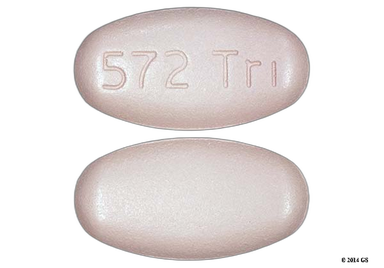
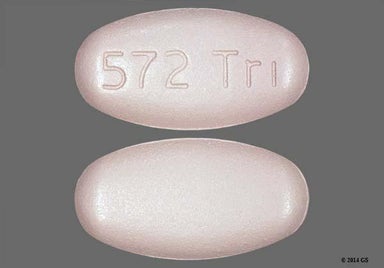
Triumeq is a single-tablet regimen used to treat human immunodeficiency virus (HIV) infections. It contains 3 antiretrovirals (ARVs): abacavir, dolutegravir, and lamivudine. Triumeq is available as either a tablet or a dissolvable tablet for oral suspension (Triumeq PD), but the two are not the same. Before starting treatment, your provider will require you to get a genetic test to see if you're at risk for developing a serious allergic reaction to this medication.

Triumeq is a combination of 3 medications:
| Common Brands | Triumeq, Triumeq PD |
|---|---|
| Drug Class | HIV ARV |
| Controlled Substance Classification | Not a controlled medication |
| Generic Status | No lower-cost generic available |
| Availability | Prescription only |

The following side effects may get better over time as your body gets used to the medication. Let your healthcare provider know immediately if you continue to experience these symptoms or if they worsen over time.
Please note: The side effects listed above are from clinical trials with Tivicay (dolutegravir) and Epzicom (abacavir / lamivudine), which are all active ingredients in Triumeq and Triumeq PD
Contact your healthcare provider immediately if you experience any of the following.
Side effects that you should report to your care team as soon as possible:
Side effects that usually do not require medical attention (report these to your care team if they continue or are bothersome):




Triumeq can cause some serious health issues. This risk may be even higher for certain groups. If this worries you, talk to your doctor or pharmacist about other options.
 Medications that contains abacavir, such as Triumeq, have caused allergic reactions that are sometimes life-threatening. These reactions are most common in the month and a half of treatment. Your provider might ask you to take a genetic test before starting this medication to see if you're at higher risk for allergic reaction to Triumeq.
Watch out for signs and symptoms of allergic reactions. Get medical attention right away if you have 2 or more of the following groups of symptom:
 You'll need to stop taking Triumeq so your provider can help with your symptoms. If you experience a serious allergic reaction, your provider will switch you to a different medication to treat HIV.
If you have HBV, taking Triumeq and suddenly stopping your treatment can make your infection worse (HBV flare-up). Before you begin Triumeq, your provider will test to see if you have HBV. Never stop taking Triumeq without talking with your provider first. Make sure to get your refills of Triumeq in time so that your treatment isn't interrupted. If you need to stop taking Triumeq, your provider will order blood work to check your liver regularly for a few months afterwards to monitor you for a HBV flare-up.
In addition, if you have HIV and HBV, taking Triumeq can make it easier for HBV to change form. This means the virus will become harder to treat. If you have both infections at the same time, your provider will likely switch you to a different medication.
Rarely, people who take medications that contain dolutegravir, such as Triumeq, can experience serious liver problems. Talk with your provider about your medical history before starting this medication so they can decide how you can safely take Triumeq.
Additionally, abacavir and lamivudine in Triumeq can cause a buildup of lactic acid in the blood, as well as fatty liver. Both conditions can be life-threatening and you're more likely to experience them if you're female or identify as obese.
Make sure to get blood tests done while you take Triumeq so your provider can check your liver health. If you experience signs and symptoms of liver damage, such as nausea, vomiting, feeling weak, upper right stomach pain, yellowing of the skin or whites of the eyes, or dark urine, talk with your provider right away. Also, let your provider know if you experience symptoms of too much lactic acid, such as feeling weak, muscle pain, trouble breathing, nausea, and vomiting.
Taking Triumeq can cause changes to your immune system called immune reconstitution syndrome. This is a medical condition where your immune system becomes more active after you start Triumeq treatment and it begins to fight off different infections (infections your immune system was too weak to fight off before). In rare cases, your immune system may become so strong that it starts to attack normal cells in your body (autoimmune). You can experience immune reconstitution syndrome as early as during the first few weeks of Triumeq treatment, or many months later. Tell your healthcare provider right away if you start having any new symptoms, such as anxiety, hair loss, bulging eyes, or sweating, after starting Triumeq.
Some medications can interfere with how your body removes Triumeq. This can affect the amount of Triumeq in your body, how well it works, and the risk of side effects.
Taking heartburn medications like calcium carbonate (Tums) can cause Triumeq to not work as well in treating HIV. If you are planning to take antacids with Triumeq, make sure to take both medications with food. Alternatively, take Triumeq 2 hours before or 6 hours after taking antacids.
Avoid taking certain medications for seizures (e.g., carbamazepine (Tegretol), phenytoin (Dilantin)) or antibiotics (e.g., rifampin (Rifadin)) along with Triumeq. These medications can lower the amount of Triumeq in your body and cause it to not work as well in treating HIV.

 Tablet
| Dosage | Quantity | Price as low as | Price per unit |
|---|---|---|---|
| 600mg/50mg/300mg | 30 tablets | $3,912.94 | $130.43 |


Contraindications are specific health conditions or situations in which a person should not take a medication due to safety concerns. If you have any of the following conditions or if any of the following apply to you, let your healthcare provider know because Triumeq will not be safe for you to take.




Prescription savings
Stop paying too much for your prescriptions. Compare prices, get pharmacy coupons, and save up to 80%. Find expert answers to your health questions so you can make the best decisions for yourself and your family.
Health conditions
Medications & treatment
Access & affordability
Medication discounts


Studies showed that 88% of treatment-naive people (taking HIV medication for the first time) who took Triumeq had undetectable viral loads 11 months after they started treatment, compared to 81% of the people who took Atripla. In addition, 71% of treatment-experienced people (received HIV medications in the past) have the same results, compared to 65% of people who received Isentress (raltegravir) plus another HIV medication. If you have any questions about whether Triumeq is right for you, follow up with your provider for more information.
Before you start Triumeq treatment, your provider will order a genetic test to see if you have a specific genetic trait called HLA‑B 5701. If you do, you're more likely to experience a very serious allergic reaction with Triumeq or any other medication that contains abacavir. You can't receive this medication if you have this particular genetic trait. Ask your provider if you've more questions about Triumeq and genetic testing.
Triumeq isn't the same as Triumeq PD. You can't substitute one medication for the other because they don't contain the same dosages of abacavir, dolutegravir, and lamivudine. Triumeq is the tablet form that can only be taken by adults and children who weigh more than 55 lbs. Triumeq PD is a tablet that you can turn into an oral solution by mixing it with water. This medication is for children who weigh between 22 lbs to 54 lbs. Make sure to check your or your child's prescription before picking it up at the pharmacy.
If you're pregnant or thinking of becoming pregnant, let your provider know before you start Triumeq. This medication can raise the risk for neural tube defects in babies if taken by mother during early pregnancy. If you can become pregnant, your provider will ask you to take a pregnancy test to make sure this medication is safe for you and your baby. They'll also discuss with you about birth control options during your treatment with Triumeq. Your provider might only suggest Triumeq to be taken in the second or third trimester of pregnancy if the benefit is greater than the risk of harm to the unborn baby. If you become pregnant while receiving Triumeq, you’re encouraged to enroll in the Antiretroviral Pregnancy Registry (APR). This registry monitors and collects information about your and your baby’s health. Learn more about this registry by calling 1-800-258-4263.
The CDC recommends that you don't breastfeed your baby if you have HIV. Doing so can raise the risk of spreading the infection to your baby or make their HIV infection more difficult to treat. In addition, Triumeq is found in breast milk. While we don't know how Triumeq might affect breastfed babies, there's a chance that it can cause side effects such as trouble sleeping, headache, and tiredness. Speak to your provider so you can discuss the benefits and risks of receiving this medication while breastfeeding.
