



How Much Is Isentress Without Insurance?
The cost of Isentress can be over $2,000 per month without insurance. Here’s what can affect the cost and how to save on your prescription.
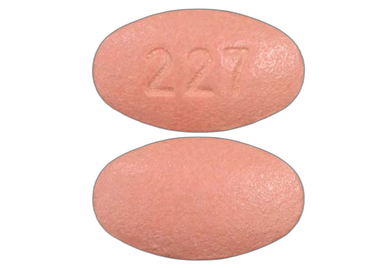
Isentress (raltegravir) is used treat human immunodeficiency virus (HIV) in adults and children. It's a type of HIV medication called an integrase inhibitor. Isentress (raltegravir) comes as regular tablets, chewable tablets, and granules for oral suspension. Depending on your dose, you take it by mouth once or twice a day. Side effects include headache, trouble sleeping, and nausea. Isentress (raltegravir) is taken with other HIV medications as part of a full treatment plan.

Isentress (raltegravir) is an integrase inhibitor. It works by blocking integrase, an HIV protein that the virus uses to combine its genetic material with your own in your immune cells. By blocking this protein, HIV can't make more copies of itself. This helps strop the virus from growing and spreading in the body.
| Common Brands | Isentress, Isentress HD |
|---|---|
| Drug Class | HIV ARV |
| Controlled Substance Classification | Not a controlled medication |
| Generic Status | No lower-cost generic available |
| Availability | Prescription only |

The following side effects may get better over time as your body gets used to the medication. Let your healthcare provider know immediately if you continue to experience these symptoms or if they worsen over time.
Note: Side effects were reported by adults new to HIV treatment who were taking Isentress (raltegravir) film-coated tablets.
Contact your healthcare provider immediately if you experience any of the following.
Along with its needed effects, a medicine may cause some unwanted effects. Although not all of these side effects may occur, if they do occur they may need medical attention.
Check with your doctor immediately if any of the following side effects occur:
Less common or rare
Blood in the urine
burning or stinging of the skin
dark urine
decreased frequency or amount of urine
fast heartbeat
hoarseness
increased thirst
irritation
joint pain, stiffness, or swelling
light-colored stools
loss of appetite
lower back or side pain
pain in the groin or genitals
painful blisters on the trunk of the body
painful cold sores or blisters on the lips, nose, eyes, or genitals
redness of the skin
sharp back pain just below the ribs
swelling of the eyelids, face, lips, hands, lower legs, or feet
tightness in the chest
trouble breathing or swallowing
unusual tiredness or weakness
upper right stomach pain
vomiting
yellow eyes and skin
Some side effects may occur that usually do not need medical attention. These side effects may go away during treatment as your body adjusts to the medicine. Also, your health care professional may be able to tell you about ways to prevent or reduce some of these side effects. Check with your health care professional if any of the following side effects continue or are bothersome or if you have any questions about them:
Less common
Dizziness
trouble sleeping
Less common or rare
Belching
indigestion
lack or loss of strength
stomach discomfort, upset, or tenderness
thoughts of killing oneself or changes in behavior
Incidence not known
Delusions of persecution, mistrust, suspiciousness, or combativeness
fear or nervousness
Other side effects not listed may also occur in some patients. If you notice any other effects, check with your healthcare professional.
Call your doctor for medical advice about side effects. You may report side effects to the FDA at 1-800-FDA-1088.




Isentress (raltegravir) can cause some serious health issues. This risk may be even higher for certain groups. If this worries you, talk to your doctor or pharmacist about other options.
Some people taking Isentress (raltegravir) have had severe and potentially life-threatening skin reactions. This can include Stevens-Johnson syndrome (SJS). Stop taking Isentress (raltegravir) and get medical help right away if you have a severe rash or a rash with fever, blisters, peeling skin, or mouth sores.
It's also possible to have a serious allergic reaction to Isentress (raltegravir). Call 911 right away if you have hives, swelling in the face, or trouble breathing.
Taking HIV medications like Isentress (raltegravir) can sometimes cause a strong immune response called immune reconstitution syndrome. This can happen when your immune system gets stronger after starting treatment. Your body can start fighting infections it couldn't defend against before. This can cause a lot of inflammation in the body.
Rarely, your immune system can become so strong that it starts to attack healthy parts of your body. This can lead to certain autoimmune problems, sometimes months after starting Isentress (raltegravir).
Call your prescriber if you have a fever, trouble breathing, or cough after you start Isentress (raltegravir). Also tell them about any new and unusual health changes. Your care team can check your symptoms and help manage them if needed.
Some adults taking Isentress (raltegravir) film-coated tablets have had muscle pain. Others had possible signs of muscle damage in their blood work (higher creatine kinase levels). Tell your prescriber if you have muscle pain that starts to bother you during treatment.
In rare cases, some of these adults even developed rhabdomyolysis ("rhabdo"). This is severe muscle breakdown. It can be serious and can lead to kidney damage. Get medical help right away if you have severe muscle pain, muscle weakness, or dark brown or reddish urine while taking Isentress (raltegravir).
Isentress (raltegravir) chewable tablets contains phenylalanine. This ingredient is found in the artificial sweetener aspartame. It can be harmful for people with a genetic condition called phenylketonuria (PKU). If you have PKU, talk to your prescriber about other forms of Isentress (raltegravir) that might be safer for you.


Although certain medicines should not be used together at all, in other cases two different medicines may be used together even if an interaction might occur. In these cases, your doctor may want to change the dose, or other precautions may be necessary. When you are taking this medicine, it is especially important that your healthcare professional know if you are taking any of the medicines listed below. The following interactions have been selected on the basis of their potential significance and are not necessarily all-inclusive.
Using this medicine with any of the following medicines is usually not recommended, but may be required in some cases. If both medicines are prescribed together, your doctor may change the dose or how often you use one or both of the medicines.
Using this medicine with any of the following medicines may cause an increased risk of certain side effects, but using both drugs may be the best treatment for you. If both medicines are prescribed together, your doctor may change the dose or how often you use one or both of the medicines.






Prescription savings
Stop paying too much for your prescriptions. Compare prices, get pharmacy coupons, and save up to 80%. Find expert answers to your health questions so you can make the best decisions for yourself and your family.
Health conditions
Medications & treatment
Access & affordability
Medication discounts


Isentress and Isentress HD film-coated tablets shouldn't be crushed. Crushing them can damage their coating and change how the medication is released into your body. But the 25 mg chewable tablet can be crushed and mixed with liquid. Talk to the prescriber if you or your child has trouble swallowing tablets.
In adults, Isentress can stay in the body for about 2 days after a single dose. This is based on the medication's half-life, which is how long it takes for half of it to leave your body after a single dose. This timing is different for children since their bodies process medications at a different rate. Talk to your prescriber if you have questions about how long Isentress stays in your body.
Yes, you can take Isentress and Truvada together if they're both prescribed for you. These are different types of HIV medications that work in different ways to help treat HIV. Together, they can make up a complete HIV treatment plan. Note that this combination usually isn't recommended for most people who are starting HIV treatment. This is because there might be better options available. Your prescriber will help choose the right HIV treatment plan for you.
No. Isentress isn't approved for PrEP, or pre-exposure prophylaxis. This means it's not used before possible HIV exposure to help prevent HIV infection. There are three FDA-approved PrEP options. These are Truvada, Descovy, and Apretude. Talk with a healthcare professional or HIV specialist if you're interested in taking medication to help prevent HIV.
Yes. Isentress 400 mg twice a day is generally considered safe to take during pregnancy. Studies haven't shown a higher risk of birth defects when taken during pregnancy, even in the first trimester. But the 600 mg tablets (Isentress HD) aren't recommended during pregnancy. This is because there isn't enough safety data. Treating HIV during pregnancy is important because it can help lower the risk of passing HIV to your baby. If you're pregnant or planning to become pregnant, talk to your prescriber right away. They can make sure you're taking a safe HIV treatment plan.
Regular Isentress and Isentress HD tablets are different dosage strengths of the medication. They also differ in how often you take them. Regular Isentress is a 400 mg tablet taken twice a day. Isentress HD is a higher-dose version that comes as 600 mg tablets, and you take 2 tablets once a day. Some people might need regular Isentress instead of Isentress HD tablets, such as during pregnancy or when taking certain medications. Because the two forms are absorbed differently, you can't swap them out for each other. You also can't take 3 regular Isentress tablets at once instead of the usual dosing for Isentress HD. Your prescriber can help choose the right form for you.
Isentress (raltegravir) and Tivicay (dolutegravir) are both medications used to treat HIV. They work the same way and are taken with other HIV medications as part of a complete treatment plan. Both can be used in adults and chldren, but the age and weight requirements are different. Isentress can be used in children who weigh at least 4 lbs. On the other hand, Tivicay is for children who are at least 4 weeks old and weigh at least 6 lbs. The dosing and available formulations are also different. Speak to your prescriber to compare and see what treatment option is right for you.
