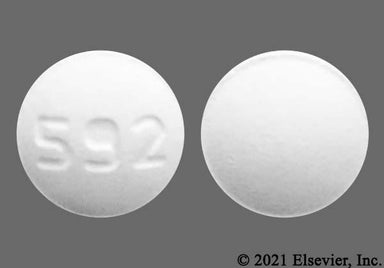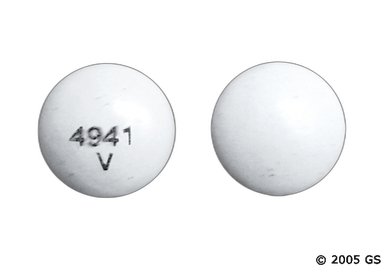
perphenazine
Perphenazine is a typical antipsychotic. It's used to treat schizophrenia, as well as severe nausea and vomiting in adults. Perphenazine comes as tablets that are taken by mouth, typically up to 3 to 4 times per day, depending on the condition. Side effects of this medication include sleepiness, insomnia, and changes in body weight (both weight gain and loss); drinking alcohol can worsen certain side effects. Brand name Trilafon has been discontinued; perphenazine is only available as a generic medication.


What is Perphenazine?
What is Perphenazine used for?
- Schizophrenia
- Severe nausea and vomiting
How Perphenazine works
Perphenazine is a typical antipsychotic. It's thought to treat schizophrenia, and nausea and vomiting by blocking different chemicals in the brain, including dopamine, histamine, and acetylcholine.
Drug facts
| Common Brands | Trilafon |
|---|---|
| Drug Class | First generation (typical) antipsychotic |
| Controlled Substance Classification | Not a controlled medication |
| Generic Status | Lower-cost generic available |
| Availability | Prescription only |

Side effects of Perphenazine
The following side effects may get better over time as your body gets used to the medication. Let your healthcare provider know immediately if you continue to experience these symptoms or if they worsen over time.
Common Side Effects
- Sleepiness (28%)
- Trouble sleeping (25%)
- Sexual side effects (25%)
- Dry mouth (22%)
- Constipation (22%)
- Trouble urinating (22%)
- Abnormal body movements (17%)
- Weight gain (12%)
- Changes in menstrual bleeding (11%)
- Dizziness when standing (11%)
Less Common Side Effects
- Muscle spasms
- Changes in breast milk production
- Changes in skin color
- Rash
- Itchiness
- Blurry vision
- Urinating more at night
- Weight loss
Perphenazine serious side effects
Contact your healthcare provider immediately if you experience any of the following.
- Tardive dyskinesia (TD): uncontrollable movements like lip smacking, eye blinking, sticking out your tongue, grimacing
- Neuroleptic malignant syndrome: high fever, fast heart rate, full body stiffness, confusion
- Serious infection: fever, pale skin, fast heart rate, lightheadedness, feeling unwell
- Suicidal thoughts or behavior in people with depression
- Seizures
The following Perphenazine side effects have also been reported
Along with its needed effects, a medicine may cause some unwanted effects. Although not all of these side effects may occur, if they do occur they may need medical attention.
Phenothiazines can sometimes cause serious unwanted effects. Tardive dyskinesia or tardive dystonia (muscle movement disorders) may occur and may not go away after you stop using the medicine. Signs of tardive dyskinesia or tardive dystonia include worm-like movements of the tongue, or other uncontrolled movements of the mouth, tongue, cheeks, jaw, body, arms, or legs. Another possible serious unwanted effect is the neuroleptic malignant syndrome (NMS). Signs and symptoms of NMS include severe muscle stiffness, fever, fast heartbeat, difficult breathing, increased sweating, and loss of bladder control. You and your doctor should discuss the good this medicine will do as well as the risks of taking it.
Stop taking this medicine and get emergency help immediately if any of the following effects occur:
Rare
Symptoms of neuroleptic malignant syndrome
Confusion (severe) or coma
difficult or fast breathing
fast heartbeat
high or low (irregular) blood pressure
increased sweating
loss of bladder control
muscle stiffness (severe)
trembling or shaking
trouble in speaking or swallowing
Check with your doctor immediately if any of the following side effects occur:
More common
Inability to move eyes
increased blinking or spasms of eyelid
lip smacking or puckering
muscle spasms of face, neck, body, arms, or legs causing unusual postures or unusual expressions on face
puffing of cheeks
rapid or worm-like movements of tongue
sticking out of tongue
tic-like or twitching movements
trouble in breathing, speaking, or swallowing
uncontrolled chewing movements
uncontrolled movements of arms or legs
uncontrolled twisting movements of neck, trunk, arms, or leg
Rare
Irregular or slow heart rate
recurrent fainting
Check with your doctor as soon as possible if any of the following side effects occur:
More common
Blurred vision, change in color vision, or difficulty in seeing at night
fainting
loss of balance control
mask-like face
restlessness or need to keep moving
shuffling walk
stiffness of arms or legs
trembling and shaking of hands and fingers
Less common
Difficulty in urinating
skin rash
sunburn (severe)
Rare
Abdominal or stomach pains
aching muscles and joints
agitation, bizarre dreams, excitement, or trouble in sleeping
bleeding or bruising (unusual
clumsiness
confusion (mild)
constipation (severe)
convulsions (seizures)
dark urine
fever and chills
headaches
hot, dry skin or lack of sweating
itchy skin (severe)
muscle weakness
pain in joints
prolonged, painful, inappropriate erection of the penis
redness of hands
shivering
skin discoloration (tan or blue-gray)
sore throat and fever
sores in mouth
unusual bleeding or bruising
unusual tiredness or weakness
yellow eyes or skin
Phenothiazines may cause your urine to be dark. In most cases, this is not a sign of a serious problem. However, if your urine does become dark, discuss it with your doctor.
Some side effects may occur that usually do not need medical attention. These side effects may go away during treatment as your body adjusts to the medicine. Also, your health care professional may be able to tell you about ways to prevent or reduce some of these side effects. Check with your health care professional if any of the following side effects continue or are bothersome or if you have any questions about them:
Less common
Changes in menstrual period
decreased sexual ability
increased sensitivity of eyes to light
rough or “fuzzy” tongue
secretion of milk (unusual)
swelling or pain in breasts
watering of mouth
weight gain (unusual)
After you stop using this medicine, your body may need time to adjust. The length of time this takes depends on the amount of medicine you were using and how long you used it. During this time, check with your doctor if you notice dizziness, nausea and vomiting, stomach pain, trembling of the fingers and hands, or any of the following signs of tardive dyskinesia or tardive dystonia:
Inability to move eyes
lip smacking or puckering
muscle spasms of face, neck, body, arms, or legs, causing unusual body positions or unusual expressions on face
puffing of cheeks
rapid or worm-like movements of tongue
sticking out of tongue
tic-like or twitching movements
trouble in breathing, speaking, or swallowing
uncontrolled chewing movements
uncontrolled twisting or other movements of neck, trunk, arms, or legs
Although not all of the side effects listed above have been reported for all of the phenothiazines, they have been reported for at least one of them. However, since all of the phenothiazines are very similar, any of the above side effects may occur with any of these medicines.
Other side effects not listed may also occur in some patients. If you notice any other effects, check with your healthcare professional.
Call your doctor for medical advice about side effects. You may report side effects to the FDA at 1-800-FDA-1088.

Pros and cons of Perphenazine
Pros
- Taken by mouth
- Less likely to cause weight gain than some other antipsychotic medications
- An option for severe nausea and vomiting
Cons
- Needs to be taken multiple times a day
- Can cause sexual side effects
- More likely to cause movement-related side effects than atypical antipsychotics

Pharmacist tips for Perphenazine

- It's best to avoid alcohol while you're taking perphenazine. Drinking alcohol can worsen sleepiness and dizziness, which can raise the risk for falls. Doing so can also worsen mood-related side effects.
- Perphenazine can cause a drop in blood pressure when moving positions, such as from sitting to standing. This is more common when starting treatment and when your dose changes. Make sure to get up slowly and try to hold onto something for stability. If you end up falling or hitting your head, seek medical help right away.
- Although rare, perphenazine can cause difficulty swallowing, which can raise the risk for choking. Make sure to take small bites of food and eat slowly to lower your risk for choking.
- Let your healthcare team know right away if you experience uncontrolled body movements, including fidgeting, lip-smacking, or tremors. These side effects can happen if your dose of perphenazine is too high. Your care team can help ease these symptoms by lowering your dose or by prescribing a medication called benztropine. If needed, they might ask you to stop taking perphenazine and consider other treatment options.
- If you've taken perphenazine for a long time, don't stop taking it suddenly without talking to your prescriber first. Doing so might result in serious withdrawal symptoms, such as nausea, headache, anxiety. If you want to stop treatment, your psychiatrist can help you do so safely by lowering your dose slowly over time.
- Let your prescriber know right away if you're pregnant or thinking of becoming pregnant. They'll discuss with you the risks and benefits of taking perphenazine during pregnancy.

Risks and warnings for Perphenazine
Perphenazine can cause some serious health issues. This risk may be even higher for certain groups. If this worries you, talk to your doctor or pharmacist about other options.
Higher risk of death in older people with dementia-related psychosis
- Risk factors: Age 65 and older with dementia and psychosis
 People 65 years and older with dementia sometimes have delusions and hallucinations (believing, seeing, or hearing things that aren't real). This is called dementia-related psychosis. Older people with dementia-related psychosis have a higher risk of death if they take medications like perphenazine. Because of this risk, perphenazine shouldn't be taken by people ages 65 years and older with dementia-related psychosis. Let your prescriber know if you or someone you know has dementia before starting perphenazine.
 In addition, older patients with dementia-related psychosis treated with some antipsychotics had a higher risk of stroke. Seek medical help immediately if you experience sudden numbness in your face, arms, or legs (especially on one side of your body), or if you have sudden trouble speaking, seeing, walking, or understanding people.
Difficulty controlling body movements
- Risk factors: Taking other antipsychotic medications | Older age | Female sex | High dose | Taking perphenazine for a long period of time | Parkinson's disease | Lewy body dementia
Antipsychotic medications like perphenazine can cause uncontrolled body movements, such as eye-twitching or lip-smacking. Your risk of this happening is more likely the longer you take medications like perphenazine and if you're taking a higher dose. If you have Parkinson's disease or certain types of dementia, your risk is higher and you shouldn't take perphenazine. These movement problems can become permanent. If you experience any uncontrolled movements and aren't able to stop them, talk to your prescriber right away.
Neuroleptic malignant syndrome (NMS)
- Risk factors: Taking antipsychotic medications
Taking antipsychotic medications like perphenazine can cause a rare, but life-threatening condition called neuroleptic malignant syndrome (NMS). Symptoms include fever, sweating, stiff muscles, confusion, not aware of your surroundings, and fast or irregular heartbeat. If you experience any of these symptoms while taking perphenazine, seek medication attention as soon as possible. You prescriber will likely have you stop taking perphenazine and switch you to something else.
Higher risk of falls
- Risk factors: Low blood pressure | Taking medications that lower blood pressure | History of medical conditions that can lower blood pressure | High perphenazine doses | Liver or kidney problems | 65 years or older
Perphenazine can make you tired, lower your blood pressure, or cause you to lose your balance, which can lead to falls. When standing from a sitting or lying position, make sure to get up slowly and hold onto something.
Lower white blood cell counts
- Risk factors: History of low blood cell counts
Though not common, perphenazine can lower your white blood cell (WBC) counts, especially if you already have low WBC levels from other medical conditions. This can raise your risk of serious infection. You'll need to get blood tests done regularly during the first few months of taking perphenazine so your prescriber can make sure your blood cell counts are in the normal range. If your WBC levels drop too low, you'll likely need to stop taking perphenazine. If you develop any signs of infection, such as fever, tiredness, chills, cough, or trouble breathing, and they don't go away, contact your prescriber right away.
Harm to unborn babies
Perphenazine should only be taken in pregnancy if the benefits outweigh the potential risks to your unborn baby. Newborn babies exposed to perphenazine during the third trimester of pregnancy are at a higher risk for side effects and withdrawal symptoms following delivery. Let your care team know if you're pregnant or plan to become pregnant while taking perphenazine.

Perphenazine dosage


Interactions between Perphenazine and other drugs
Although certain medicines should not be used together at all, in other cases two different medicines may be used together even if an interaction might occur. In these cases, your doctor may want to change the dose, or other precautions may be necessary. When you are taking any of these medicines, it is especially important that your healthcare professional know if you are taking any of the medicines listed below. The following interactions have been selected on the basis of their potential significance and are not necessarily all-inclusive.
Using medicines in this class with any of the following medicines is not recommended. Your doctor may decide not to treat you with a medication in this class or change some of the other medicines you take.
- Alfuzosin
- Amiodarone
- Amisulpride
- Amitriptyline
- Anagrelide
- Apomorphine
- Aripiprazole
- Aripiprazole Lauroxil
- Arsenic Trioxide
- Artemether
- Asenapine
- Astemizole
- Atazanavir
- Azithromycin
- Bedaquiline
- Bepridil
- Bromopride
- Buprenorphine
- Buserelin
- Calcium Oxybate
- Ceritinib
- Chloroquine
- Chlorpromazine
- Ciprofloxacin
- Cisapride
- Citalopram
- Clarithromycin
- Clobazam
- Clofazimine
- Clomipramine
- Clorgyline
- Clozapine
- Crizotinib
- Cyclobenzaprine
- Dabrafenib
- Dasatinib
- Degarelix
- Delamanid
- Desipramine
- Deslorelin
- Deutetrabenazine
- Disopyramide
- Dofetilide
- Dolasetron
- Domperidone
- Donepezil
- Doxepin
- Dronedarone
- Droperidol
- Duloxetine
- Ebastine
- Efavirenz
- Encorafenib
- Enflurane
- Entrectinib
- Eribulin
- Erythromycin
- Escitalopram
- Famotidine
- Felbamate
- Fingolimod
- Flecainide
- Fluconazole
- Fluoxetine
- Fluvoxamine
- Formoterol
- Foscarnet
- Fosphenytoin
- Galantamine
- Gatifloxacin
- Gemifloxacin
- Glasdegib
- Gonadorelin
- Goserelin
- Granisetron
- Halofantrine
- Haloperidol
- Histrelin
- Hydroquinidine
- Hydroxychloroquine
- Hydroxyzine
- Ibutilide
- Iloperidone
- Imipramine
- Inotuzumab Ozogamicin
- Iproniazid
- Isocarboxazid
- Itraconazole
- Ivabradine
- Ivosidenib
- Ketoconazole
- Lapatinib
- Lenvatinib
- Leuprolide
- Levofloxacin
- Levomethadyl
- Lofexidine
- Lorcaserin
- Lumefantrine
- Macimorelin
- Magnesium Oxybate
- Mefloquine
- Mesoridazine
- Methadone
- Metoclopramide
- Metronidazole
- Mifepristone
- Mirabegron
- Mirtazapine
- Mizolastine
- Moclobemide
- Moxifloxacin
- Nafarelin
- Nelfinavir
- Nialamide
- Nilotinib
- Norfloxacin
- Octreotide
- Ofloxacin
- Olanzapine
- Ondansetron
- Osilodrostat
- Osimertinib
- Oxaliplatin
- Paliperidone
- Panobinostat
- Pargyline
- Paroxetine
- Pasireotide
- Pazopanib
- Peginterferon Alfa-2b
- Pentamidine
- Perphenazine
- Phenelzine
- Pimavanserin
- Pimozide
- Pindolol
- Pipamperone
- Piperaquine
- Pitolisant
- Ponesimod
- Posaconazole
- Potassium Oxybate
- Probucol
- Procainamide
- Prochlorperazine
- Promethazine
- Propafenone
- Propranolol
- Protriptyline
- Quetiapine
- Quinidine
- Quinine
- Ranolazine
- Ribociclib
- Risperidone
- Ritonavir
- Rolapitant
- Saquinavir
- Selegiline
- Selpercatinib
- Sertindole
- Sertraline
- Sevoflurane
- Sodium Oxybate
- Sodium Phosphate
- Sodium Phosphate, Dibasic
- Sodium Phosphate, Monobasic
- Solifenacin
- Sorafenib
- Sotalol
- Sparfloxacin
- Sulpiride
- Sunitinib
- Tacrolimus
- Tamoxifen
- Telaprevir
- Telavancin
- Telithromycin
- Terfenadine
- Tetrabenazine
- Thioridazine
- Toloxatone
- Tolterodine
- Toremifene
- Tranylcypromine
- Trazodone
- Triclabendazole
- Trimipramine
- Triptorelin
- Vandetanib
- Vardenafil
- Vemurafenib
- Venlafaxine
- Vilanterol
- Vinflunine
- Voclosporin
- Voriconazole
- Vorinostat
- Ziprasidone
- Zolmitriptan
- Zotepine
- Zuclopenthixol
Using medicines in this class with any of the following medicines is usually not recommended, but may be required in some cases. If both medicines are prescribed together, your doctor may change the dose or how often you use one or both of the medicines.
- Abiraterone Acetate
- Acecainide
- Acepromazine
- Alfentanil
- Alfuzosin
- Alprazolam
- Amifampridine
- Amiodarone
- Amisulpride
- Amitriptyline
- Amobarbital
- Amoxapine
- Anagrelide
- Anileridine
- Apomorphine
- Aprindine
- Aripiprazole
- Aripiprazole Lauroxil
- Arsenic Trioxide
- Artemether
- Asenapine
- Astemizole
- Azimilide
- Azithromycin
- Baclofen
- Benperidol
- Benzhydrocodone
- Berotralstat
- Bretylium
- Bromazepam
- Bromopride
- Buprenorphine
- Bupropion
- Buserelin
- Buspirone
- Butabarbital
- Butorphanol
- Calcium Oxybate
- Cannabidiol
- Carbamazepine
- Carbinoxamine
- Carisoprodol
- Carphenazine
- Ceritinib
- Cetirizine
- Chloral Hydrate
- Chlordiazepoxide
- Chloroquine
- Chlorpromazine
- Chlorzoxazone
- Ciprofloxacin
- Citalopram
- Clarithromycin
- Clobazam
- Clofazimine
- Clomipramine
- Clonazepam
- Clorazepate
- Clozapine
- Codeine
- Crizotinib
- Cyclobenzaprine
- Dabrafenib
- Dacomitinib
- Darifenacin
- Darunavir
- Dasatinib
- Degarelix
- Delamanid
- Desipramine
- Deslorelin
- Desmopressin
- Deutetrabenazine
- Dexmedetomidine
- Diacetylmorphine
- Diazepam
- Dibenzepin
- Dichloralphenazone
- Difenoxin
- Dihydrocodeine
- Diphenhydramine
- Diphenoxylate
- Disopyramide
- Dofetilide
- Dolasetron
- Domperidone
- Donepezil
- Doxepin
- Doxorubicin
- Doxorubicin Hydrochloride Liposome
- Doxylamine
- Droperidol
- Efavirenz
- Encainide
- Encorafenib
- Enflurane
- Entrectinib
- Epinephrine
- Erythromycin
- Escitalopram
- Esketamine
- Estazolam
- Eszopiclone
- Ethchlorvynol
- Ethopropazine
- Ethylmorphine
- Fentanyl
- Fingolimod
- Flecainide
- Flibanserin
- Fluconazole
- Fluoxetine
- Fluphenazine
- Flurazepam
- Fluspirilene
- Formoterol
- Foscarnet
- Fospropofol
- Fostemsavir
- Gabapentin
- Gabapentin Enacarbil
- Gatifloxacin
- Gemifloxacin
- Givosiran
- Glasdegib
- Glucagon
- Glycopyrrolate
- Glycopyrronium Tosylate
- Gonadorelin
- Goserelin
- Granisetron
- Halazepam
- Halofantrine
- Haloperidol
- Halothane
- Hexobarbital
- Histrelin
- Hydrocodone
- Hydromorphone
- Hydroxychloroquine
- Hydroxyzine
- Ibutilide
- Iloperidone
- Imipramine
- Inotuzumab Ozogamicin
- Isoflurane
- Isradipine
- Ivabradine
- Ivosidenib
- Ketamine
- Ketazolam
- Ketobemidone
- Ketoconazole
- Lapatinib
- Lefamulin
- Lemborexant
- Lenvatinib
- Leuprolide
- Levocetirizine
- Levofloxacin
- Levomethadyl
- Levorphanol
- Lidoflazine
- Lithium
- Lofexidine
- Lopinavir
- Lorazepam
- Lorcainide
- Loxapine
- Lumefantrine
- Macimorelin
- Magnesium Oxybate
- Meclizine
- Mefloquine
- Melperone
- Meperidine
- Mephobarbital
- Meprobamate
- Meptazinol
- Mesoridazine
- Metaxalone
- Methacholine
- Methadone
- Methdilazine
- Methocarbamol
- Methohexital
- Methotrimeprazine
- Methylene Blue
- Metoclopramide
- Metrizamide
- Metronidazole
- Midazolam
- Mifepristone
- Milnacipran
- Mirtazapine
- Molindone
- Moricizine
- Morphine
- Morphine Sulfate Liposome
- Moxifloxacin
- Nafarelin
- Nalbuphine
- Nicomorphine
- Nilotinib
- Nitrazepam
- Nitrous Oxide
- Norfloxacin
- Nortriptyline
- Octreotide
- Ofloxacin
- Olanzapine
- Ondansetron
- Opium
- Opium Alkaloids
- Osilodrostat
- Osimertinib
- Oxaliplatin
- Oxazepam
- Oxycodone
- Oxymorphone
- Ozanimod
- Paliperidone
- Panobinostat
- Papaveretum
- Paregoric
- Paroxetine
- Pasireotide
- Pazopanib
- Peginterferon Alfa-2b
- Pentamidine
- Pentazocine
- Pentobarbital
- Perampanel
- Perazine
- Periciazine
- Perphenazine
- Phenobarbital
- Pimavanserin
- Pimozide
- Piperacetazine
- Pipotiazine
- Piritramide
- Pitolisant
- Ponesimod
- Porfimer
- Posaconazole
- Potassium Oxybate
- Prazepam
- Pregabalin
- Primidone
- Probucol
- Procainamide
- Procarbazine
- Prochlorperazine
- Promazine
- Promethazine
- Propafenone
- Propofol
- Protriptyline
- Quazepam
- Quetiapine
- Quinidine
- Quinine
- Ramelteon
- Ranolazine
- Remifentanil
- Remimazolam
- Remoxipride
- Revefenacin
- Ribociclib
- Risperidone
- Scopolamine
- Secobarbital
- Secretin Human
- Selegiline
- Selpercatinib
- Sematilide
- Sertindole
- Sertraline
- Sevoflurane
- Siponimod
- Sodium Oxybate
- Sodium Phosphate
- Sodium Phosphate, Dibasic
- Sodium Phosphate, Monobasic
- Solifenacin
- Sorafenib
- Sotalol
- Spiramycin
- Succinylcholine
- Sufentanil
- Sulfamethoxazole
- Sulpiride
- Sultopride
- Sunitinib
- Tacrolimus
- Tapentadol
- Tedisamil
- Telavancin
- Telithromycin
- Temazepam
- Tetrabenazine
- Thiethylperazine
- Thiopental
- Thiopropazate
- Thioridazine
- Tilidine
- Tiotropium
- Tizanidine
- Tolonium Chloride
- Topiramate
- Toremifene
- Tramadol
- Tranexamic Acid
- Trazodone
- Triazolam
- Triclabendazole
- Trifluoperazine
- Trifluperidol
- Triflupromazine
- Trimeprazine
- Trimethoprim
- Trimipramine
- Triptorelin
- Vandetanib
- Vardenafil
- Vemurafenib
- Vinflunine
- Voclosporin
- Voriconazole
- Zaleplon
- Zolmitriptan
- Zolpidem
- Zopiclone
- Zotepine
- Zuclopenthixol

How much does Perphenazine cost?
$17.51

Perphenazine contraindications
Contraindications are specific health conditions or situations in which a person should not take a medication due to safety concerns. If you have any of the following conditions or if any of the following apply to you, let your healthcare provider know because Perphenazine will not be safe for you to take.
- Coma
- Take large doses of sedating medications (e.g., sleep medications, opioid pain medications)
- Drinking large amounts of alcohol
- Current blood conditions, bone marrow problems, or liver damage
- Certain cases of suspected or known brain damage

What are alternatives to Perphenazine?

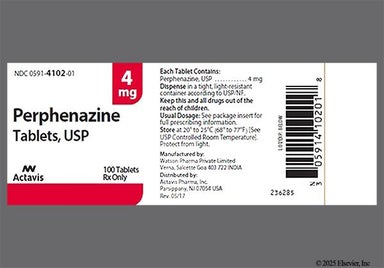
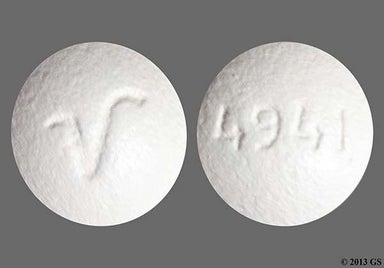
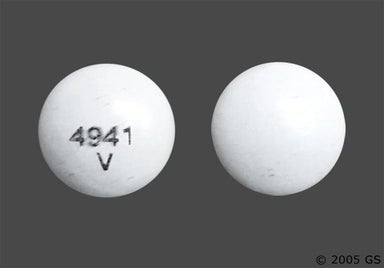
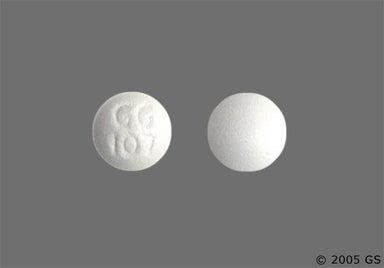
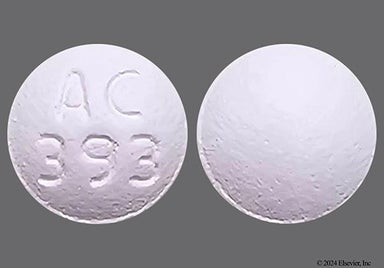
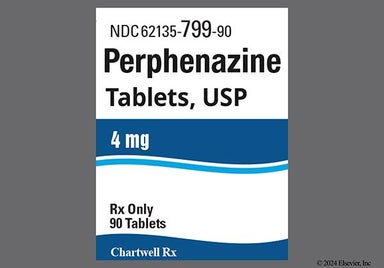
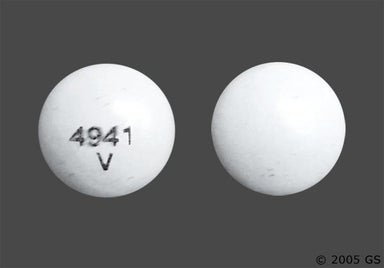
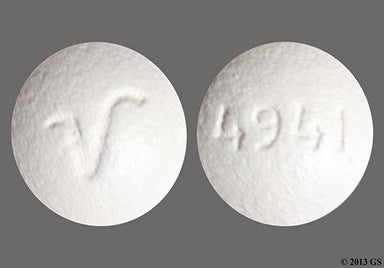
Perphenazine images