




How Long Does It Take for Seroquel to Work? Plus Answers to 9 More FAQs
Learn how long Seroquel takes to work, how long it stays in your system, what to do if you miss a dose, plus answers to other frequently asked questions.
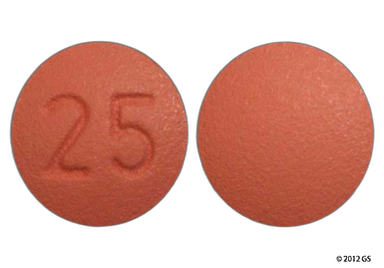
Quetiapine (Seroquel) is an atypical antipsychotic. It's used to treat mental health problems like schizophrenia and bipolar disorder. This medication comes as an immediate-release tablet (Seroquel) that's taken by mouth usually twice a day. There's also an extended-release tablet (Seroquel XR) that's taken once a day. The specific dosage depends on how well it's helping your mood, thoughts, and behaviors. Side effects can include sleepiness, headache, and possible weight gain. There are brand-name and generic versions of this medication.

Quetiapine (Seroquel) is an atypical antipsychotic. It's not completely known how the medication works. But it's thought to help balance the dopamine and serotonin levels in your brain. These natural chemicals help regulate your mood, thoughts, and behaviors.
| Common Brands | Seroquel, Seroquel XR |
|---|---|
| Drug Class | Atypical antipsychotic |
| Controlled Substance Classification | Not a controlled medication |
| Generic Status | Lower-cost generic available |
| Availability | Prescription only |

The following side effects may get better over time as your body gets used to the medication. Let your healthcare provider know immediately if you continue to experience these symptoms or if they worsen over time.
Immediate-release tablets:
Extended-release tablets:
Immediate-release tablets:
Extended-release tablets:
Note: For immediate-release tablets, side effects were from adults with schizophrenia or bipolar mania. For extended-release tablets, side effects were from adults with schizophrenia.
Contact your healthcare provider immediately if you experience any of the following.
Along with its needed effects, a medicine may cause some unwanted effects. Although not all of these side effects may occur, if they do occur they may need medical attention.
Check with your doctor immediately if any of the following side effects occur:
More common
Chills
cold sweats
confusion
dizziness, faintness, or lightheadedness when getting up suddenly from a lying or sitting position
sleepiness or unusual drowsiness
Less common
Black, tarry stools
blurred vision
changes in patterns and rhythms of speech
inability to move the eyes
inability to sit still
increased blinking or spasms of the eyelid
lip smacking or puckering
loss of balance control
mask-like face
muscle aches
need to keep moving
painful or difficult urination
puffing of the cheeks
rapid or worm-like movements of the tongue
restlessness
shakiness in the legs, arms, hands, or feet
shuffling walk
slowed movements
slurred speech
sores, ulcers, or white spots on the lips or in the mouth
sticking out of the tongue
stiffness of the arms or legs
sweating
swelling of the face, arms, hands, feet, or lower legs
swollen glands
trembling and shaking of the hands and fingers
trouble with breathing, speaking, or swallowing
uncontrolled chewing movements
uncontrolled movements of the arms and legs
uncontrolled twisting movements of the neck, trunk, arms, or legs
unusual bleeding or bruising
unusual facial expressions
unusual tiredness or weakness
Rare
Dry, puffy skin
fast, pounding, or irregular heartbeat
loss of appetite
menstrual changes
unusual secretion of milk (in females)
Incidence not known
Aching or discomfort in the lower legs or sensation of crawling in the legs
agitation
bed-wetting
blistering, peeling, or loosening of the skin
bluish lips or skin
chest discomfort
dark urine
decreased awareness or responsiveness
decreased urine output
difficulty breathing
difficulty in passing urine (dribbling)
difficulty swallowing
dizziness
faintness
general feeling of tiredness or weakness
headache
hoarseness
increased thirst
indigestion
irritability
joint or muscle pain
light-colored stools
loss of consciousness
lower back or side pain
muscle cramps, spasms, stiffness, or twitching
painful or prolonged erection of the penis
pains in the stomach, side, or abdomen, possibly radiating to the back
puffiness or swelling of the eyelids or around the eyes, face, lips, or tongue
red skin lesions, often with a purple center
red, irritated eyes
seizures
severe constipation
severe sleepiness
severe vomiting
stomach pain, continuing
tightness in the chest
tingling of the hands or feet
unusual bleeding or bruising unusual drowsiness, dullness, or feeling of sluggishness
unusual weight gain or loss
upper right abdominal pain
vomiting
yellow eyes or skin
Some side effects may occur that usually do not need medical attention. These side effects may go away during treatment as your body adjusts to the medicine. Also, your health care professional may be able to tell you about ways to prevent or reduce some of these side effects. Check with your health care professional if any of the following side effects continue or are bothersome or if you have any questions about them:
Less common
Abnormal vision
belching
decreased appetite
decreased strength and energy
increased appetite
increased muscle tone
increased sweating
indigestion
stomach discomfort or upset
stuffy or runny nose
Other side effects not listed may also occur in some patients. If you notice any other effects, check with your healthcare professional.
Call your doctor for medical advice about side effects. You may report side effects to the FDA at 1-800-FDA-1088.




Quetiapine (Seroquel) can cause some serious health issues. This risk may be even higher for certain groups. If this worries you, talk to your doctor or pharmacist about other options.
People 65 years and older with dementia sometimes have schizophrenia symptoms like delusions and hallucinations. This is called dementia-related psychosis. Studies show that older adults with this condition have a higher risk of death and stroke when taking antipsychotics like quetiapine (Seroquel). Most of the time, the cause of death was related to heart problems or infections.
Because of this risk, quetiapine (Seroquel) shouldn't be used to treat older adults with dementia-related psychosis. Tell your prescriber if you have dementia before starting this medication. Caregivers should also let the prescriber know if the person they care for has dementia.
Quetiapine (Seroquel) might make mental health get worse in people with depression. There's also a risk of thoughts of suicide or harming yourself. The risk is highest for people who are 24 years of age or younger.
Watch for worsening depression or unusual changes in your mood, behavior, or thoughts while taking quetiapine (Seroquel). This is very important during the first few weeks of starting the medication and when your dose changes.
If you or someone close to you notices that you seem more depressed or are acting differently, talk to your prescriber right away. Call 911 as soon as possible if you start thinking about hurting yourself.
Antipsychotic medications like quetiapine (Seroquel) have been linked to a rare but very serious condition called neuroleptic malignant syndrome (NMS). Get medical help right away if you have a high fever, sweating, stiff muscles, confusion, or a fast or irregular heartbeat. These can be symptoms of NMS. If this happens, your prescriber will probably switch you to a different medication.
Quetiapine (Seroquel) can raise your blood sugar, sometimes to very high and dangerous levels. Your prescriber might check your blood sugar occasionally while you're taking this medication. Tell your care team if you have symptoms of high blood sugar. This can include feeling very thirsty, urinating more often, or having dry mouth or fruity-smelling breath.
Quetiapine (Seroquel) can also make your cholesterol levels go up. In addition, this medication can sometimes cause weight gain. Your prescriber will check your cholesterol levels with blood tests during treatment. They'll also check in with you about your weight for any notable changes.
It's important to check for changes in blood sugar, cholesterol levels, and weight during treatment. High blood sugar, high cholesterol, and large body size are risks for heart disease, stroke, and other serious health issues. Talk to your care team if you have concerns about taking quetiapine (Seroquel).
Quetiapine (Seroquel) can cause tardive dyskinesia (TD), or uncontrolled muscle movements. These movements can happen in the face, mouth, neck, arms, and legs. It can look like lip smacking, grimacing, eye twitching, and rocking the body from side to side. Sometimes, this side effect can become permanent even after stopping the medication. This is more likely to happen with long-term treatment.
To lower your risk of TD, you should take the lowest dose of quetiapine (Seroquel) possible to treat your symptoms. Your prescriber will check in with you to see if you still need the medication. Talk to your prescriber right away if you notice signs of TD and you can't stop making these movements.
Quetiapine (Seroquel) can make your blood pressure drop too low when you stand up. It can make you dizzy, have a fast heart rate, or sometimes even faint. This can raise your risk of falls. Make sure to get up slowly and hold onto something sturdy when standing up. Talk to your prescriber if you feel dizzy or faint when you stand up. Your prescriber might lower your dose of quetiapine (Seroquel) to see if that helps.
Sometimes, quetiapine (Seroquel) can also raise blood pressure in children or teens. Because of this, the prescriber will check your child's blood pressure before starting this medication and regularly during treatment.
Quetiapine (Seroquel) can make you tired. It can also lower your blood pressure and make you lose your balance. These effects can lead to falls that can get you hurt.
Tell your prescriber about all your medical conditions and the medications you take. Some conditions and medications can raise your risk of falls even more. Your prescriber can check your risk and give tips to help prevent falls.
Although rare, quetiapine (Seroquel) can lower your white blood cell count. This can put you at risk of infection.
This might be more likely to happen if you already have a low white blood count. If you're at risk, you'll need to get blood tests done more often during the first few months of taking quetiapine (Seroquel). These blood tests help your prescriber make sure your blood cell count is in a safe range. If your white blood cell count is too low, you'll need to stop taking quetiapine (Seroquel).
Tell your care team if you notice that you get sick more often while taking quetiapine (Seroquel). Look out for signs of infection, like unexplained fever, tiredness, chills, cough, and sore throat.
It isn't clear if quetiapine (Seroquel) can cause QT prolongation at recommended doses. But it's happened in people who took too much medication and people at risk of this heart problem. QT prolongation happens when it takes longer for the heart to pump and then relax. This can potentially lead to dangerous changes in heart rhythm.
Before starting quetiapine (Seroquel), tell your prescriber about your health problems and medications. They can check for your risk of QT prolongation. Some medical issues that raise your risk include heart rhythm problems and abnormal electrolyte levels. And, some medications, like amiodarone (Pacerone) and other antipsychotics, can also put you at risk. It's best to avoid quetiapine (Seroquel) if you're at high risk of this problem.
Call 911 right away if you feel your heart pounding, have chest pain, have trouble breathing, or feel lightheaded. These could be signs of heart rhythm problems.
It's very rare, but some people who took quetiapine (Seroquel) had a seizure. Before starting this medication, tell your prescriber if you've had seizures before or if you have any medical conditions that put you at risk of seizures.
Although rare, quetiapine (Seroquel) can lower your thyroid hormone levels and cause hypothyroidism. Your prescriber might order lab work while you take this medication. This helps them check your thyroid hormone levels.
If you have any signs of hypothyroidism, like feeling very tired or cold, talk to your prescriber. They can help manage this problem.
Quetiapine (Seroquel) can raise the level of a hormone called prolactin in your body. Sometimes, it can stay high during treatment. High prolactin can cause breast growth in males, irregular periods in females, and fertility and sexual problems. Tell your care team if you notice these symptoms or are worried about high prolactin levels.
Quetiapine (Seroquel) can make you very sleepy. It can also make you have trouble thinking, reacting, and focusing.
Your risk of these side effects is higher if you also take other medications that can make you drowsy. This includes benzodiazepines, muscle relaxants, and sleep medications.
Make sure you know how quetiapine (Seroquel) affects you before driving a car or doing anything that needs concentration. Talk to your care team right away if you feel too sleepy from the medication.

 Tablet
| Dosage | Quantity | Price as low as | Price per unit |
|---|---|---|---|
| 400mg | 30 tablets | $16.13 | $0.54 |
| 25mg | 30 tablets | $9.00 | $0.30 |
| 50mg | 30 tablets | $11.12 | $0.37 |
| 100mg | 30 tablets | $9.00 | $0.30 |
| 200mg | 30 tablets | $9.00 | $0.30 |
| 300mg | 30 tablets | $9.00 | $0.30 |
| 150mg | 30 tablets | $18.98 | $0.63 |
Schizophrenia
Bipolar disorder 1
Bipolar depression
Schizophrenia
Bipolar disorder 1
Bipolar depression
Depression (in addition to other antidepressants)
Your dose might be lower if you're an older adult or if you have liver problems.

Although certain medicines should not be used together at all, in other cases two different medicines may be used together even if an interaction might occur. In these cases, your doctor may want to change the dose, or other precautions may be necessary. When you are taking this medicine, it is especially important that your healthcare professional know if you are taking any of the medicines listed below. The following interactions have been selected on the basis of their potential significance and are not necessarily all-inclusive.
Using this medicine with any of the following medicines is not recommended. Your doctor may decide not to treat you with this medication or change some of the other medicines you take.
Using this medicine with any of the following medicines is usually not recommended, but may be required in some cases. If both medicines are prescribed together, your doctor may change the dose or how often you use one or both of the medicines.
Using this medicine with any of the following medicines may cause an increased risk of certain side effects, but using both drugs may be the best treatment for you. If both medicines are prescribed together, your doctor may change the dose or how often you use one or both of the medicines.














Prescription savings
Stop paying too much for your prescriptions. Compare prices, get pharmacy coupons, and save up to 80%. Find expert answers to your health questions so you can make the best decisions for yourself and your family.
Health conditions
Medications & treatment
Access & affordability
Medication discounts


For schizophrenia or bipolar disorder, studies show that mood or thoughts might start to improve within 1 week of taking Quetiapine. But it can take a few weeks or months to feel the full effects of the medication. Keep taking Quetiapine every day, even if you don't feel better right away. Talk to your prescriber if you're not sure how long it's taking to work for you.
After a single dose, it takes about 30 to 35 hours for most of Quetiapine to leave your body. This time frame is estimated from the medication's half-life. The half-life is a measure of the time it takes for half the amount of medication to leave the body. The liver helps get rid of Quetiapine from the body. So if you have liver problems, the medication might stay in your system a bit longer. If you have questions about how long it stays in your system, talk to your prescriber.
No, Quetiapine isn't a controlled substance. It doesn't appear to have a risk of misuse or dependence.
Yes, Quetiapine can cause weight gain. In studies, some people gained 7% or more of your body weight while taking this medication. But Quetiapine typically causes less weight gain than some other similar antipsychotics like olanzapine (Zyprexa). If you're worried about gaining weight during treatment, talk to your care team. They can recommend ways to maintain a healthy body weight. This includes giving tips on meal planning with lean proteins, whole grains, fruits, and vegetables. Your care team can also help build an exercise routine that's right for you.
Quetiapine doesn't usually cause hallucinations (seeing or hearing things that aren't real). But it has rarely been reported. If you or someone notices that you're having hallucinations, talk to your psychiatrist right away.
It depends. Quetiapine can make you very sleepy as a side effect. This might be helpful if your sleep issues are related to schizophrenia or bipolar disorder. But the medication isn't usually recommended just for insomnia. Some studies found that it doesn't appear to help with sleep very much if you don't have any mental health issues. And, the medication can cause a lot of unpleasant side effects. If you have trouble sleeping, talk to your prescriber about appropriate options for you.
If you're pregnant or thinking of getting pregnant, talk to your prescriber about taking Quetiapine. They can help you weigh the risks and benefits. It's important to keep your mental health stable while pregnant. But the medication might raise the risk of gestational diabetes. It might also raise the risk of newborns having abnormal muscle movements or withdrawal symptoms if you it take late in your pregnancy. If you take Quetiapine while pregnant, it's recommended to join the National Pregnancy Registry for Atypical Antipsychotics. This program helps researchers learn more about how safe antipsychotics are during pregnancy.
Ask your prescriber about taking Quetiapine while breastfeeding. Small amounts of this medication can get into breast milk. It's not completely clear how safe or harmful this could be for breastfed babies. Your prescriber can help you understand the risks and benefits of taking Quetiapine while breastfeeding.
