Key takeaways:
Atypical antipsychotics, such as Seroquel (quetiapine), can be used to treat multiple mental health conditions, including schizophrenia, bipolar disorder, and depression.
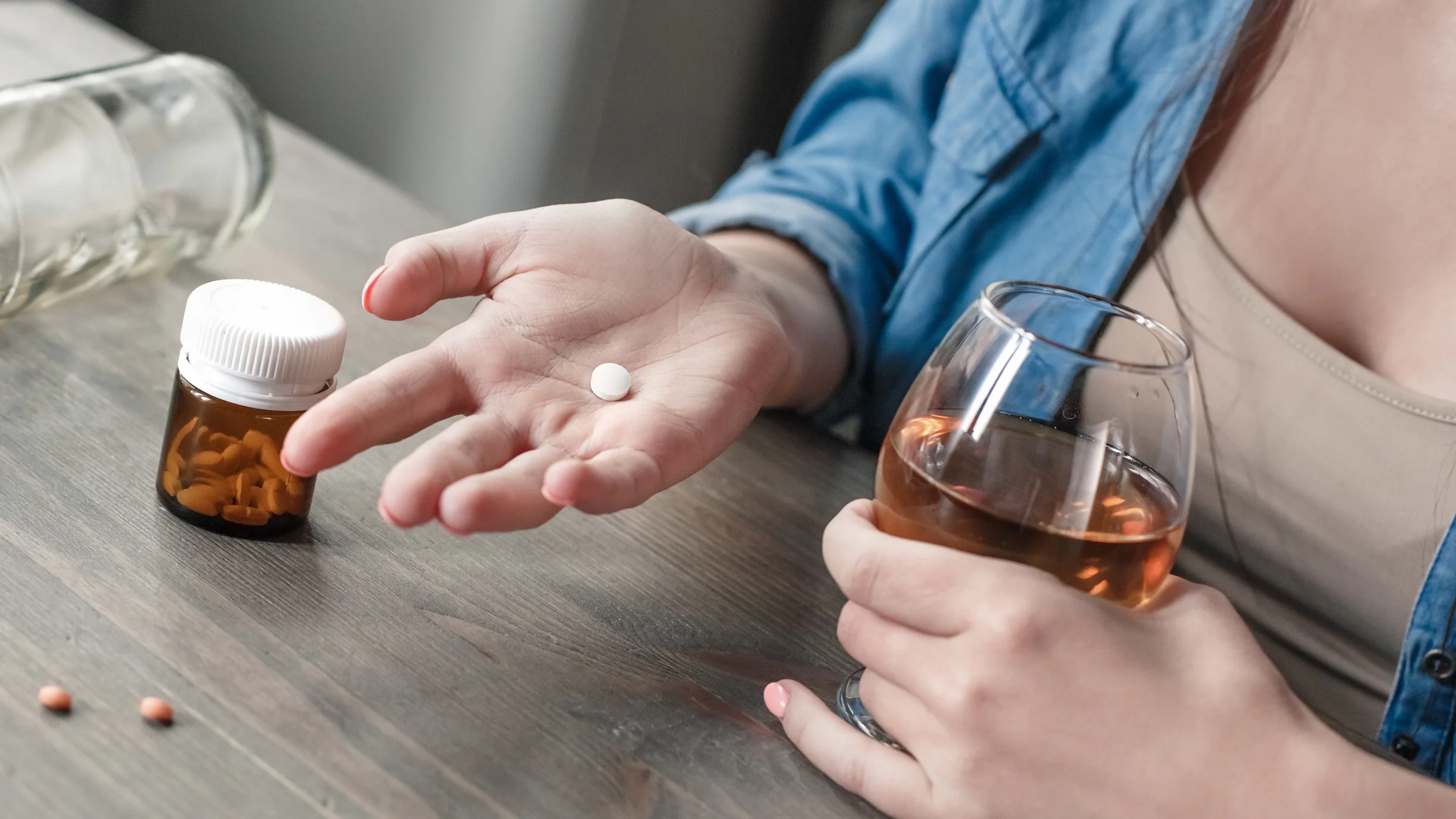
It’s not recommended to drink alcohol while taking Seroquel or other antipsychotics. Alcohol can worsen common side effects of antipsychotics, such as dizziness or drowsiness. Drinking can also worsen symptoms of your mental health condition.
Don’t stop your atypical antipsychotic in order to drink alcohol. Stopping medications like Seroquel too quickly can cause withdrawal symptoms.
Save on related medications
Atypical antipsychotics are a class of medications that are commonly prescribed for a few mental health conditions. These include bipolar disorder, schizophrenia, and hard-to-treat depression. Seroquel (quetiapine) and Abilify (aripiprazole) are two examples of commonly prescribed atypical antipsychotics.
Drinking alcohol changes the way your central nervous system (CNS) — brain and spinal cord — interprets signals from your body. Many medications, including atypical antipsychotics, can have their own effects on the CNS. Combining the two can lead to new or worse symptoms and raise your risk of certain side effects. So it’s not recommended to drink alcohol if you take Seroquel, Abilify, or other atypical antipsychotics. Let’s discuss why this combination can be harmful.
Can you drink on Seroquel?
No, you shouldn’t drink alcohol while taking Seroquel. Drinking while taking Seroquel has the potential to worsen side effects, such as drowsiness or upset stomach. A small study also suggests that antipsychotics may be less effective for people living with alcohol use disorder.
Both Seroquel and alcohol cause changes in the brain when consumed. For instance, both affect the chemical dopamine in the brain — but in opposite ways. This means that alcohol could combat Seroquel’s actions, potentially making it less effective.
Seroquel blocks dopamine’s effects in certain parts of the brain, which can help lessen certain symptoms of mental health conditions. Alcohol triggers a dopamine release in the brain. This is what causes a good feeling after drinking, but it can lead to misuse or dependence for some people.
Seroquel is sometimes prescribed off-label to treat alcohol use disorder. But the evidence is mixed on how effective it is for this purpose. Some studies suggest Seroquel may reduce cravings and alcohol consumption. Others haven’t confirmed these results. Because this is an off-label use of the medication, you should only take Seroquel to treat alcohol use disorder with your prescriber’s guidance.

Alcohol and mental health: It’s common for people living with mental health conditions, such as bipolar disorder, to also have alcohol use disorder. Read more about the connection between alcohol and mental health here.
Potential side effects: Antipsychotic medications tend to cause similar side effects. Read more about some of the most notable antipsychotic side effects — from sleep changes to weight gain — and how to manage them.
Other notable interactions: Alcohol is just one of several things that interacts with Seroquel. Read more about medications and substances that interact with Seroquel.
Can you drink on Abilify?
No, you shouldn’t drink alcohol while taking Abilify. It interacts with alcohol in a similar way to Seroquel. Abilify also blocks some of dopamine’s effects in the brain. And alcohol can worsen certain Abilify side effects, such as nausea or dizziness.
Similar to Seroquel, Abilify is also sometimes prescribed off-label to treat alcohol use disorder. But Abilify has more evidence to support this use. Several studies suggest that it may help reduce cravings and decrease the amount of alcohol people drink. Keep in mind these studies were small. Larger studies are needed to confirm whether Abilify can help treat alcohol use disorder. You should only take Abilify for alcohol use disorder if your prescriber tells you to do so.
Can you drink alcohol with other atypical antipsychotics?
No, you shouldn’t drink alcohol while taking any atypical antipsychotics. These medications all block dopamine activity in the brain. So they all interact with alcohol in similar ways. As with Seroquel and Abilify, alcohol can worsen certain side effects of other atypical antipsychotics.
In addition to Seroquel and Abilify, other atypical antipsychotics include:
Caplyta (lumateperone)
Clozaril (clozapine)
Geodon (ziprasidone)
Invega (paliperidone)
Latuda (lurasidone)
Risperdal (risperidone)
Vraylar (cariprazine)
Zyprexa (olanzapine)
Is having 1 or 2 drinks OK?
Most of the information we discuss here is in regards to people living with alcohol use disorder or those who drink alcohol heavily or on a consistent basis. Having a drink or two on vacation or at a social event with friends may not seem like much of a risk.
However, no research currently suggests that any amount of alcohol is safe while taking Seroquel, Abilify, or other atypical antipsychotic medications. This is because everyone has a unique response to alcohol, depending on multiple factors, including genetics, age, and medical history.
If you are taking an atypical antipsychotic, you should talk with a healthcare professional before choosing to drink alcohol — even if it’s just an occasional drink.
What are the side effects of mixing alcohol with Seroquel, Abilify, or other atypical antipsychotics?
The various atypical antipsychotics have similar side effects. Many of these side effects also happen when you consume alcohol. Examples include:
Dizziness or drowsiness
Nausea or vomiting
Upset stomach
Headache
Blood pressure changes
Weight gain — greater risk with regular alcohol consumption
Sexual difficulties, such as erectile dysfunction
Are there any serious side effects or risks?
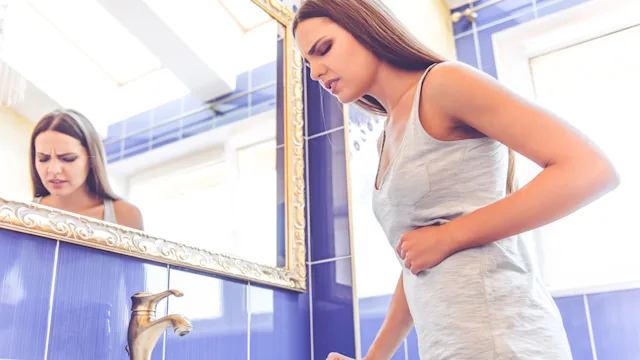
Serious side effects of atypical antipsychotics are rare, but you should be aware that they can happen. Drinking a lot of alcohol regularly can also lead to or worsen these issues.
These complications can include:
Seizures, especially if you also have a seizure condition such as epilepsy
Changes in heart rhythm (arrhythmias)
New or worse depression
When can you start drinking after you’ve stopped taking an atypical antipsychotic?
Many people that take atypical antipsychotics such as Seroquel do so long term. This is because some mental health conditions, such as schizophrenia, bipolar disorder, and sometimes depression, are chronic health conditions. It’s important not to stop your atypical antipsychotic unless your prescriber has told you this is OK. Stopping these medications too quickly can lead to withdrawal symptoms or cause your mental health condition to worsen.
But what about if you and your prescriber have determined you should stop taking your atypical antipsychotic? How long would you have to wait to safely have a drink?
The answer depends on which medication you were taking. Every atypical antipsychotic lasts in the body for different amounts of time. Some may only last in the body a few hours, while others can hang around for several weeks. This answer also greatly depends on if you are taking an immediate-release or an extended-release form and how long you’ve been taking your medication prior to stopping it.
Keep in mind that alcohol can worsen the medical conditions these medications treat, so drinking alcohol still poses a risk even after an atypical antipsychotic is out of your system. It’s best to ask your prescriber if and when it might be safe to drink alcohol after stopping your medication.
The bottom line
You shouldn’t drink alcohol if you’re taking an atypical antipsychotic such as Seroquel (quetiapine) or Abilify (aripiprazole). Even small amounts of alcohol may worsen certain side effects, such as drowsiness or dizziness. Drinking can also worsen symptoms of the condition you’re taking atypical antipsychotics to treat. Regular or heavy alcohol consumption can also lead to or worsen more serious complications of atypical antipsychotics, such as Type 2 diabetes.
It’s important to have a conversation with your prescriber about the risks of combining alcohol with atypical antipsychotics before starting to drink — even just one or two drinks from time to time.

Why trust our experts?



If you or someone you know struggles with substance use, help is available. Call the Substance Abuse and Mental Health Services Administration (SAMHSA) National Helpline at 1-800-662-4357 to learn about resources in your area.
References
Brandt, S., et al. (2020). Antipsychotic withdrawal symptoms: A systematic review and meta-analysis. Frontiers in Psychiatry.
Fischler, P. V., et al. (2022). Off-label and investigational drugs in the treatment of alcohol use disorder: A critical review. Frontiers in Pharmacology.
Gettu, N., et al. (2023). Aripiprazole. StatPearls.
Kim, J. Y., et al. (2015). Chronic alcohol consumption potentiates the development of diabetes through pancreatic β-cell dysfunction. World Journal of Biological Chemistry.
Maan, J. S., et al. (2023). Quetiapine. StatPearls.
Mauri, M. C., et al. (2014). Clinical pharmacology of atypical antipsychotics: An update. Experimental and Clinical Sciences Journal.
Muench, J., et al. (2010). Adverse effects of antipsychotic medications. American Family Physician.
Negrete, J. C. (2017). History of alcohol abuse reduces response to antipsychotics in people with first episode psychosis. British Medical Journal Mental Health.
Schachter, S. C. (n.d.). Alcohol as a seizure trigger. Epilepsy Foundation.
Schmidt, K. (2021). Irregular heartbeat risk linked to frequent alcohol use in people under 40. American Heart Association.
Stankewicz, H. A., et al. (2023). Alcohol related psychosis. StatPearls.
Willner, K., et al. (2024). Atypical antipsychotic agents. StatPearls.