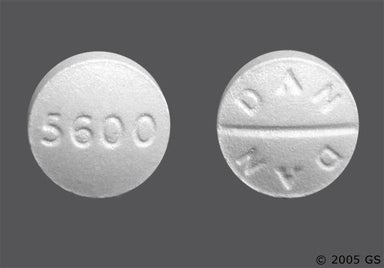
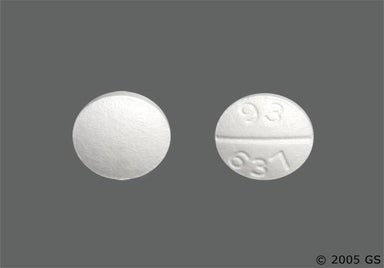
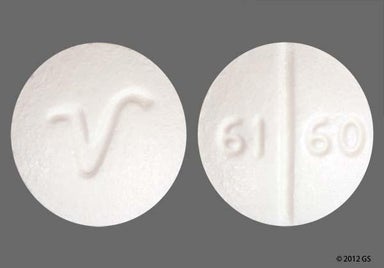
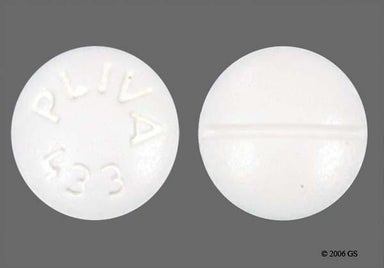
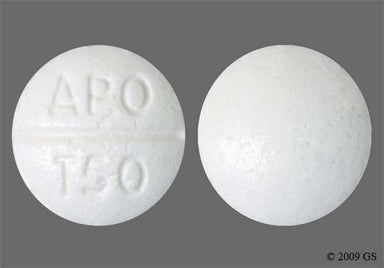
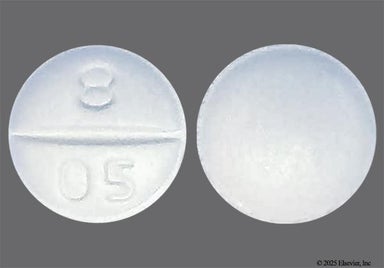
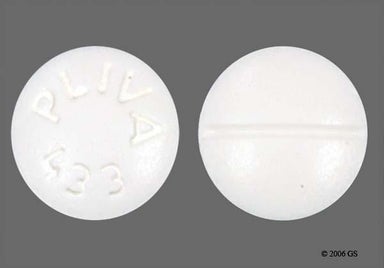
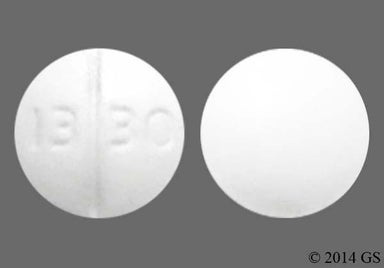
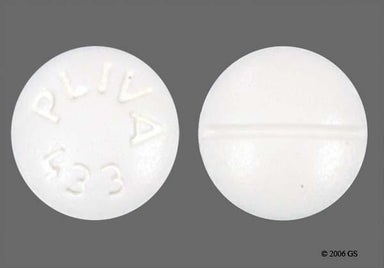
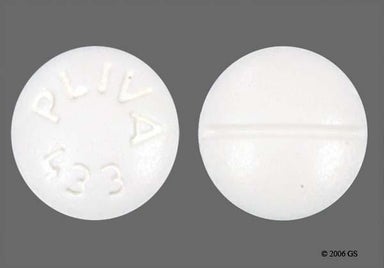
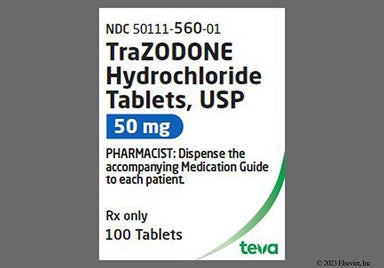
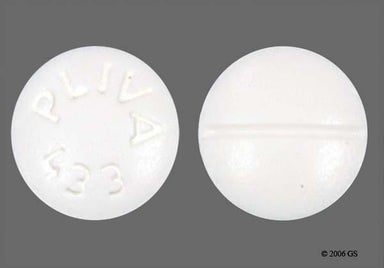
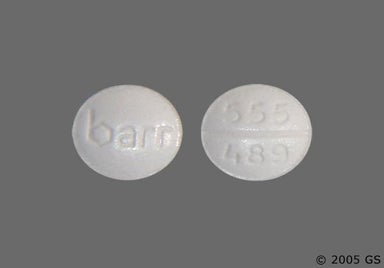
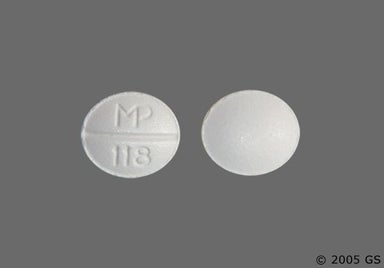
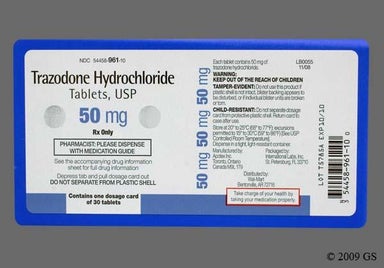
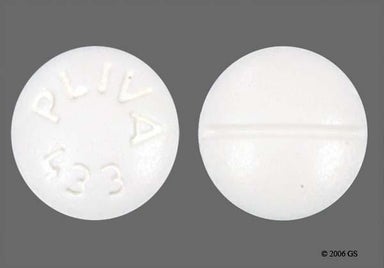
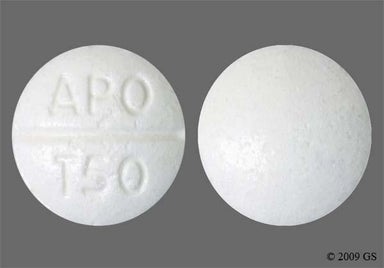
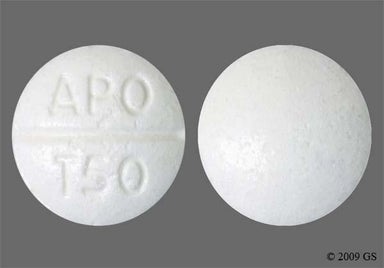
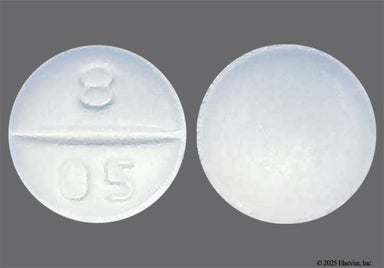
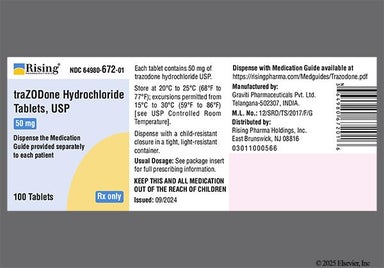
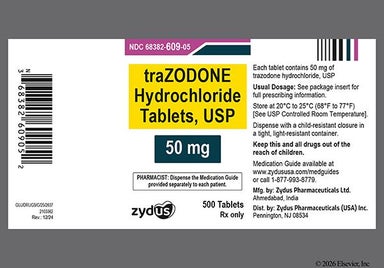
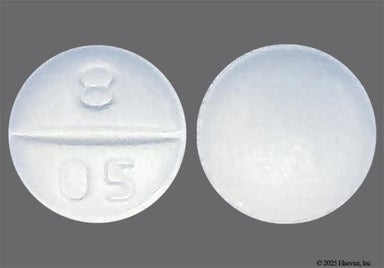
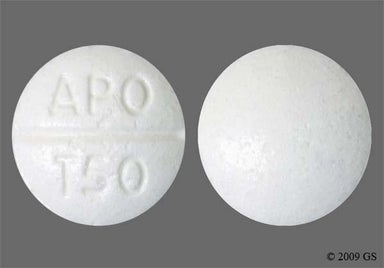
Trazodone is classified as an atypical antidepressant. More specifically, it's considered a serotonin antagonist and reuptake inhibitor (SARI). The exact way it works to improve your mood isn't well-understood. But it's thought to affect the levels of serotonin in the brain, which are chemicals involved in regulating your mood.
The following side effects may get better over time as your body gets used to the medication. Let your healthcare provider know immediately if you continue to experience these symptoms or if they worsen over time.
Common Side Effects
Sleepiness (up to 41%)
Dry mouth (up to 34%)
Dizziness or lightheadedness (up to 28%)
Headache (up to 20%)
Blurred vision (up to 15%)
Nausea or vomiting (up to 13%)
Less Common Side Effects
Constipation
Fainting
Fatigue
Nervousness
Confusion
Changes in blood pressure
Changes in weight
Trazodone serious side effects
Contact your healthcare provider immediately if you experience any of the following.
Serotonin syndrome: fast heart rate, dizziness, sweating, flushing, tremor (shakiness), muscle stiffness, muscle twitching or spasms, uncoordinated movement, distress, seizures, distress, hallucinations, coma
Abnormal heart rhythm (QT prolongation): chest pounding, short of breath, chest pain, feeling faint or lightheaded
Severe bleeding: bruising that doesn't improve, black-colored stools, pink or red-colored urine, coughing up or vomiting blood, or unusual bleeding from the nose or gums
Low blood sodium levels: nausea, fatigue, headache, confusion, disoriented, hallucinations (seeing things that aren't real), seizures, unconsciousness
When do Trazodone possible side effects begin and end?
Time passed since treatment started:
MMINUTES
HHOURS
DDAYS
WWEEKS
MMONTHS
Sleepiness and dizziness
Dry mouth
Headache
Blurry vision
Nausea or vomiting
Suicidal thoughts
Seek immediate medical care if you experience this side effect.
If a line continues to the right, you'll likely keep experiencing this side effect once it starts.
The following Trazodone side effects have also been reported
Along with its needed effects, a medicine may cause some unwanted effects. Although not all of these side effects may occur, if they do occur they may need medical attention.
Check with your doctor immediately if any of the following side effects occur:
More common
Blurred vision
confusion
dizziness
dizziness, faintness, or lightheadedness when getting up suddenly from a lying or sitting position
lightheadedness
sweating
unusual tiredness or weakness
Less common
Burning, crawling, itching, numbness, prickling, "pins and needles", or tingling feelings
Some side effects may occur that usually do not need medical attention. These side effects may go away during treatment as your body adjusts to the medicine. Also, your health care professional may be able to tell you about ways to prevent or reduce some of these side effects. Check with your health care professional if any of the following side effects continue or are bothersome or if you have any questions about them:
You can take trazodone with or without food, but if it upsets your stomach, try taking it with food to help. It's best to be consistent with how you take it because food can change how much of the medication is absorbed into your body.
Trazodone can make you sleepy and dizzy. Avoid alcohol because this can make sleepiness and dizziness worse. Also, don't drive or do anything requiring concentration until you know how this medication affects you.
Antidepressant medications, like trazodone, might worsen depression. Contact your healthcare professional (HCP) right away if you or your loved ones notice any new or worsening changes in your behavior or mood while taking the medication.
Don't change your dose or suddenly stop taking trazodone without talking to your HCP first. Doing so can cause bothersome withdrawal symptoms like nausea, headache, and sleeping problems. Follow your prescriber's instructions to lower your dose slowly over a period of time if your goal is to stop the medication completely.
Trazodone can interact with different medications, which can lead to serious side effects. For example, taking trazodone with sedatives can worsen sleepiness and raise the risk for falls. Taking trazodone with other medications that raises serotonin levels can put you at risk for a serious side effect called serotonin syndrome. Ask your HCP to help you check for medication interactions before starting trazodone.
If you're pregnant or thinking of becoming pregnant, talk with your psychiatrist or gynecologist about the risks and benefits of using trazodone. Limited studies suggest that trazodone doesn't seem to cause harm when taken by pregnant people, but more research is needed in this area.
Don't breastfeed while taking trazodone until you've talked to your psychiatrist or gynecologist. Evidence suggests that trazodone can pass into breastmilk, but the amount is low and unlikely to cause harm to a breastfed baby.
Trazodone can cause some serious health issues. This risk may be even higher for certain groups. If this worries you, talk to your doctor or pharmacist about other options.
Worsening depression, suicidal thoughts, and unusual behavior
Risk factors: Age 24 years and younger | History of depression or other mental health conditions
Taking antidepressants, like trazodone, might sometimes worsen depression and raise thoughts of suicide or self-harm. The risk is highest for people who are 24 years of age or younger, during the first few months of treatment, and whenever there's a dose change. If you or anyone around you notice that you have suicidal thoughts or unusual behavior (e.g., anxiety, panic attacks, difficulty sleeping, feeling angry or irritated, restlessness) while taking trazodone, get medical help right away.
Serotonin syndrome
Risk factors: Taking other medications that raise serotonin levels in your brain
Some people taking trazodone have developed a rare, but potentially life-threatening condition called serotonin syndrome. This condition happens where there's too much serotonin in the brain. Your risk for serotonin syndrome is higher if you use trazodone with other medications that can raise your serotonin levels, such as certain antidepressants, mental health medications, and migraine medications. Let your psychiatrist know about all the medications you take before starting trazodone. Symptoms of serotonin syndrome include fast heart rate, sweating, muscle stiffness or spasms, fever, and confusion. Get medical help right away if you have any of these symptoms.
Risk factors: Low blood potassium or magnesium levels | Older age | Kidney problems | History of heart problems, slow heart rate, or other abnormal heart rhythms (arrhythmias) | Personal or family history of long QT syndrome | Taking other medications that cause QT prolongation
Trazodone can affect your heart rhythm, which can be serious and life-threatening. One example includes lengthening the time period from when the heart pumps and then relaxes. This is known as QT prolongation. Your risk is higher if you have certain factors, including abnormal electrolyte levels, heart rhythm problems, or are taking other medications that cause heart rhythm problems, such as amiodarone (Pacerone) and ciprofloxacin (Cipro), among others. To lower your risk, your psychiatrist or primary care provider might periodically monitor your heart and perform electrocardiograms (EKGs) to make sure your heart rhythm is normal. If you feel your chest pounding, have shortness of breath, have chest pain, or feel faint or lightheaded while taking trazodone, call 911 right away.
Difficulty concentrating and extreme sleepiness
Risk factors: Taking high doses of trazodone | Age 65 years or older | Drinking alcohol | Taking other medications that can cause sleepiness
Trazodone can cause extreme sleepiness and lower your ability to think, react, and focus. Your risk is higher if you're also taking other medications that can make you feel sleepy or dizzy. Make sure you know how this medication affects you before driving or doing activities that require your concentration. Talk to your psychiatrist right away if you feel too sleepy from taking trazodone.
Dizziness from lower blood pressure
Trazodone can cause extremely low blood pressure, including a drop in blood pressure when you stand from a sitting or lying down position. This can lead to dizziness and fainting. To avoid falling, get up slowly if you've been sitting or lying down. If dizziness or lightheadedness doesn't go away, talk to your psychiatrist.
Risk of bleeding
Risk factors: Taking blood-thinners or other medications that raise your risk of bleeding
Risk factors: Medical conditions that raise the risk of prolonged erections (e.g., sickle cell anemia, multiple myeloma, leukemia, abnormally shaped penis)
Though rare, trazodone can cause prolonged and painful erections, which sometimes require surgery to treat. If you develop a prolonged erection that lasts longer than 4 hours, stop taking trazodone and get medical attention right away.
Glaucoma
Risk factors: History of angle-closure glaucoma
Trazodone can lead to or worsen angle-closure glaucoma. You might need to see your optometrist regularly and get eye exams to check your eyes and make sure your vision isn't worsening. Contact your psychiatrist or optometrist if you notice changes in your vision after starting trazodone.
Low blood sodium levels
Risk factors: Older people | Taking other medications that can lower sodium levels
Trazodone might cause low sodium levels in your blood. Get medical help right away if you experience weakness, confusion, difficulty concentrating, headache, or memory problems because these could be signs of low blood sodium levels, which is a medical emergency.
Withdrawal
If you've been taking trazodone regularly, don't suddenly stop taking this medication without checking with your psychiatrist first. If you do, you're at risk for withdrawal symptoms, such as tremor, anxiety, confusion, and seizures. Your psychiatrist can help you stop trazodone safely by slowly lowering your dose over time.
Trazodone dosage
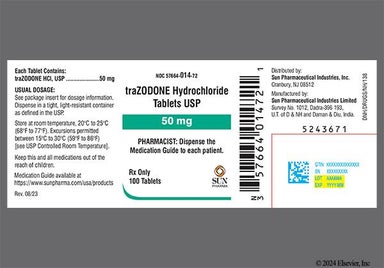
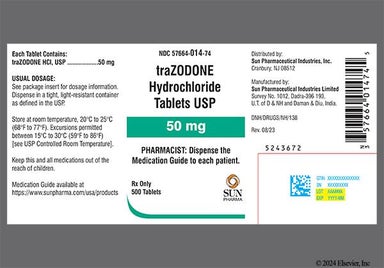
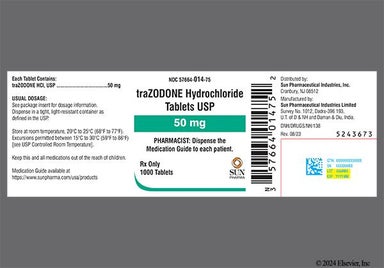
The average cost for 30 tablets of 50mg of Trazodone is $9.00 with a free GoodRx coupon. This is 0.00% off the average retail price of $9.00.
Adults: The typical starting dose in treating depression is 150 mg by mouth, divided into smaller doses and taken throughout the day. Your psychiatrist might raise your dose slowly over time. The maximum dose is 400 mg daily.
Trazodone may interact with certain medications or supplements. Always let your doctor and pharmacist know about any other medications or supplements (including prescribed and over-the-counter medications, vitamins, and dietary or herbal supplements) that you are currently taking. The list below does not include all possible drug interactions with Trazodone. Please note that only the generic name of each medication is listed below.
Although certain medicines should not be used together at all, in other cases two different medicines may be used together even if an interaction might occur. In these cases, your doctor may want to change the dose, or other precautions may be necessary. When you are taking this medicine, it is especially important that your healthcare professional know if you are taking any of the medicines listed below. The following interactions have been selected on the basis of their potential significance and are not necessarily all-inclusive.
Using this medicine with any of the following medicines is not recommended. Your doctor may decide not to treat you with this medication or change some of the other medicines you take.
Using this medicine with any of the following medicines is usually not recommended, but may be required in some cases. If both medicines are prescribed together, your doctor may change the dose or how often you use one or both of the medicines.
Using this medicine with any of the following medicines may cause an increased risk of certain side effects, but using both drugs may be the best treatment for you. If both medicines are prescribed together, your doctor may change the dose or how often you use one or both of the medicines.
Contraindications are specific health conditions or situations in which a person should not take a medication due to safety concerns. If you have any of the following conditions or if any of the following apply to you, let your healthcare provider know because Trazodone will not be safe for you to take.
GoodRx Health has strict sourcing policies and relies on primary sources such as medical organizations, governmental agencies, academic institutions, and peer-reviewed scientific journals. Learn more about how we ensure our content is accurate, thorough, and unbiased by reading our editorial guidelines.
Prescription savings
Stop paying too much for your prescriptions. Compare prices, get pharmacy coupons, and save up to 80%.
Currently, Trazodone is only FDA-approved for depression. But healthcare professionals (HCPs) sometimes prescribe this medication off-label in lower dose to help with sleep. The typical dose for sleep ranges from 25 to 100 mg by mouth, taken about 30 minutes before bedtime. But keep in mind that there's limited research on whether Trazodone works well or is safe to take for insomnia, especially in people who don't have depression. Current guidelines don't recommend Trazodone for sleep. If you have insomnia, let your HCP know. They can recommend lifestyle changes or talk with you about medication options that are appropriate for you.
Trazodone isn't FDA-approved to treat anxiety. A small study suggests Trazodone might help with anxiety, but more research is needed in this area. Let your psychiatrist know if you're having anxiety problems. They can talk with you about lifestyle changes and medication or therapy options to ease your symptoms.
Typically, it takes about 1-2 months before you experience the maximum benefit from Trazodone for depression. But some people might notice their moods improving about a week after starting treatment. Keep in mind that your HCP will have you start with a lower dose first to lower your risk of side effects. They'll slowly raise your dose over time until you reach a dose that works best for you. Contact your HCP if you're not sure if Trazodone is working.
Only take Trazodone as directed by your HCP. If you're taking Trazodone for depression, your HCP will typically have you start with 150 mg by mouth daily, but split up and taken in 2-3 smaller doses throughout the day. The maximum recommended dose for depression is 400 mg per day. But if your HCP prescribes Trazodone to you off-label for sleep, the dose ranges from 25 to 100 mg by mouth, taken about 30 minutes before bedtime. Ask your HCP if you're not sure how much Trazodone you should take.
No, it's best not to drink alcohol while taking Trazodone because doing so can worsen certain side effects, like sleepiness and dizziness. Additionally, drinking alcohol can worsen your depression symptoms and ability to sleep. Talk with your HCP if you've more questions about Trazodone and alcohol.
Though rare, both weight gain and weight loss were reported by people who took Trazodone in clinical trials. If you're concerned about changes in body weight, talk to your HCP. They can give you recommendations on how to plan meals that are nutritious and nourishing. They can also give you tips on building a regular exercise routine that's appropriate for you. But let your HCP know if you experience significant weight changes while taking Trazodone so they can check to see whether you have any other conditions that needs more medical attention.
Trazodone is classified as an atypical antidepressant. More specifically, it's considered a serotonin antagonist and reuptake inhibitor (SARI). The exact way it works to improve your mood isn't well-understood. But it's thought to affect the levels of serotonin in the brain, which are chemicals involved in regulating your mood.Learn more










 Taking antidepressants, like trazodone, might sometimes worsen depression and raise thoughts of suicide or self-harm. The risk is highest for people who are 24 years of age or younger, during the first few months of treatment, and whenever there's a dose change. If you or anyone around you notice that you have suicidal thoughts or unusual behavior (e.g., anxiety, panic attacks, difficulty sleeping, feeling angry or irritated, restlessness) while taking trazodone, get medical help right away.