








11 Common Antiepileptic Seizure Medications to Know
Epilepsy is a seizure disorder caused by a disruption in the brain's nerve pathways. Learn about the many antiepileptic medications available here.
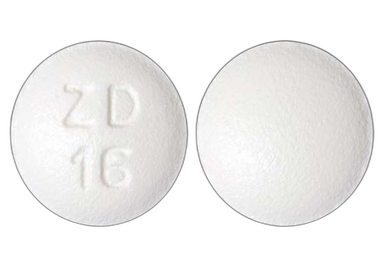
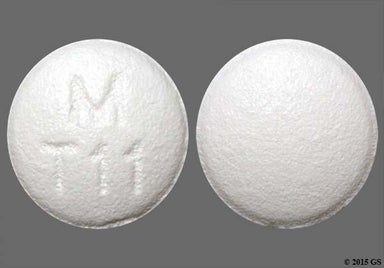
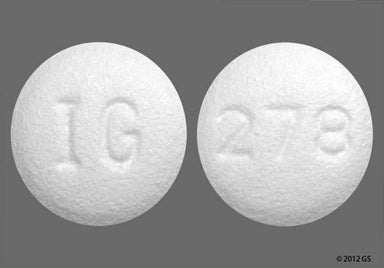
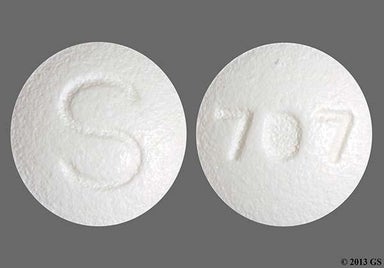
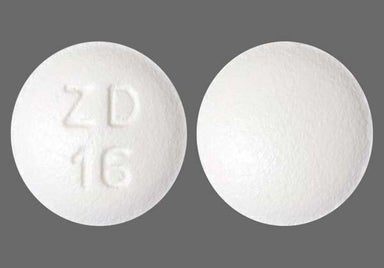
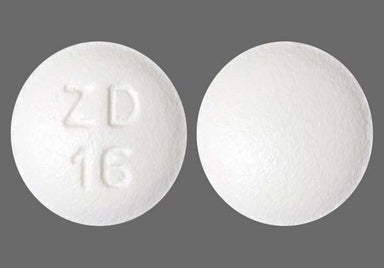
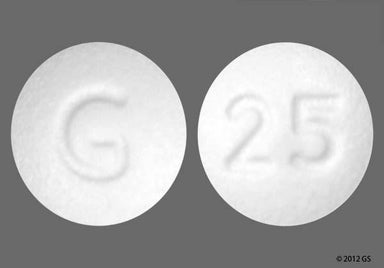
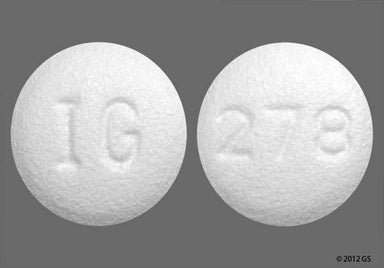
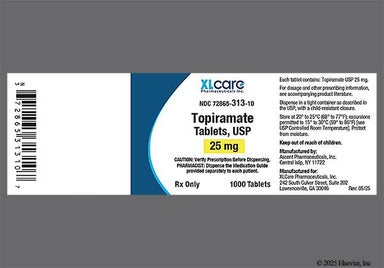
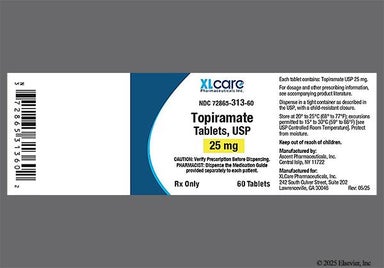
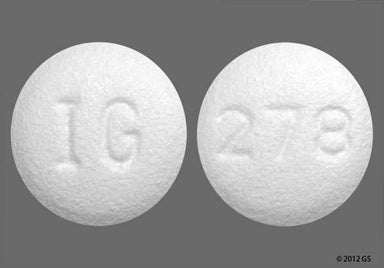
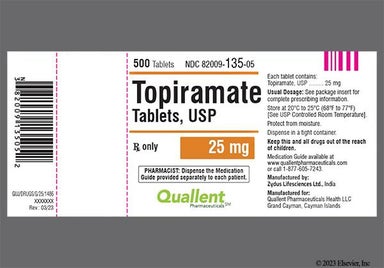
Topiramate (Topamax) belongs to the drug class called antiepileptics. It can be used alone or together with other medications to treat certain types of seizures in people 2 years and older. Topiramate (Topamax) can also be used to prevent migraines in people 12 years and older. It comes as immediate-release tablets and sprinkle capsules. The dosage is taken by mouth twice daily. Topiramate (Topamax) has many possible side effects, like weight loss and tingling of the arms and legs. It can also interact with many other medications.

Topiramate (Topamax) is an antiepileptic medication. It's not exactly clear how it works. But it's thought to block certain signals or chemicals in the brain that can make it too active. It helps calm the brain. This might be how the medication helps with controlling seizures and preventing migraines.
| Common Brands | Topamax |
|---|---|
| Drug Class | Antiepileptic |
| Controlled Substance Classification | Not a controlled medication |
| Generic Status | Lower-cost generic available |
| Availability | Prescription only |

The following side effects may get better over time as your body gets used to the medication. Let your healthcare provider know immediately if you continue to experience these symptoms or if they worsen over time.
Contact your healthcare provider immediately if you experience any of the following.
Along with its needed effects, a medicine may cause some unwanted effects. Although not all of these side effects may occur, if they do occur they may need medical attention.
Check with your doctor immediately if any of the following side effects occur:
More common
Blurred vision
burning, prickling, or tingling sensations
clumsiness or unsteadiness
confusion
continuous, uncontrolled back-and-forth or rolling eye movements
dizziness
double vision
drowsiness
eye redness or pain
generalized slowing of mental and physical activity
increased eye pressure
memory problems
menstrual changes
nervousness
speech or language problems
trouble in concentrating or paying attention
unusual tiredness or weakness
Less common
Aggression
agitation
chills
discouragement
feeling sad or empty
irritability
lack of feeling or emotion
lessening of sensations or perception
loss of appetite
loss of interest or pleasure
red, irritated, or bleeding gums
stomach pain
trouble sleeping
Rare
Blood in the urine
difficult or painful urination
hearing loss
itching, skin rash
loss of bladder control
lower back or side pain
nosebleeds
pale skin
ringing or buzzing in the ears
swelling
trouble breathing
Incidence not known
Blistering, peeling, or loosening of the skin
clay-colored stools
increased rate of breathing
joint or muscle pain
pain or tenderness in the upper stomach
red skin lesions, often with a purple center
sores, ulcers, or white spots in the mouth or on the lips
yellow eyes or skin
Get emergency help immediately if any of the following symptoms of overdose occur:
Symptoms of overdose
Decreased awareness or responsiveness
dizziness, fainting, or lightheadedness when getting up suddenly from a lying or sitting position
severe sleepiness
unusual drowsiness, dullness, or feeling of sluggishness
Some side effects may occur that usually do not need medical attention. These side effects may go away during treatment as your body adjusts to the medicine. Also, your health care professional may be able to tell you about ways to prevent or reduce some of these side effects. Check with your health care professional if any of the following side effects continue or are bothersome or if you have any questions about them:
Less common
Back pain
feeling of warmth
increased sweating
leg pain
redness of the face, neck, arms, and occasionally, upper chest
Rare
Decrease in sexual performance or desire
Other side effects not listed may also occur in some patients. If you notice any other effects, check with your healthcare professional.
Call your doctor for medical advice about side effects. You may report side effects to the FDA at 1-800-FDA-1088.




Topiramate (Topamax) can cause some serious health issues. This risk may be even higher for certain groups. If this worries you, talk to your doctor or pharmacist about other options.
Some people taking topiramate (Topamax) have had eye problems. They can be related to nearsightedness and greater pressure in the eye(s). Symptoms can include eye redness, blurry vision, and eye pain. These symptoms usually happen within the first month of treatment, but they can also happen later. Symptoms can come on suddenly.
Tell your care team or eye specialist right away if you notice any changes in your vision while taking topiramate (Topamax). They can check what's going on because eye problems can become serious if left untreated. If needed, your prescriber can stop the medication to keep your vision from getting worse. To do this safely, they'll help lower your dose slowly over time. Usually, these vision problems will go away after you stop taking the medication.
Some people might sweat less while taking topiramate (Topamax). This can make it harder to control your body temperature. So it can lead to overheating and high body temperature, which is dangerous. The risk might be higher for children. The risk can also be higher if you take other medications that make you sweat less, such as anticholinergic medications.
Pay attention to how much you sweat or how hot you feel while you're exercising or in hot weather. Stay hydrated, use mist fans, and take breaks in the shade on hot days. If you can, try to stay indoors where there's air conditioning when the weather is hot. Call 911 if you or your child has signs of heat stroke or heat exhaustion, like dizziness, hot skin, headache, muscle cramps, or confusion.
Although rare, topiramate (Topamax) can raise the acid levels in your blood. This condition is called metabolic acidosis. It can happen at any time during treatment. If left untreated, high acid levels can raise your risk of kidney stones and bone fractures. In children, this condition can lead to poor bone growth.
To monitor this risk, your prescriber will ask you to do a blood test before you start topiramate (Topamax). You'll also need periodic blood tests during treatment. This helps make sure the acid levels in your blood aren't too high.
Call your care team right away if you have signs of metabolic acidosis while taking topiramate (Topamax). Signs can include fast breathing, tiredness, loss of appetite, or irregular heartbeat. If your acid levels are too high, your prescriber might lower your dose or stop the medication. If needed, they can give you treatment for metabolic acidosis.
Topiramate (Topamax) can cause changes in mood. It can also raise the risk of suicidal thoughts or behavior. The risk can appear as early as 1 week after starting the medication.
Make sure your friends and family know to watch for signs of depression or changes in your mood or behavior while you're taking topiramate (Topamax). This is especially important during the first few months and when your dose goes up. If you start thinking about hurting yourself, call 911 right away.
Topiramate (Topamax) can make it harder for you to remember things. It can also cause problems with speech and coordination. Tell your care team if you notice you're forgetting things more often, having problems with speech, or having a hard time moving around. They can check what's going on and see how they can help you.
Topiramate (Topamax) can make you sleepy or tired. It can also make it harder for you to concentrate. To be safe, don't drive or use machinery until you know how this medication affects you. Also don't drink alcohol with topiramate (Topamax) because it make these side effects worse.
Topiramate (Topamax) can cause ammonia to build up in your body. The risk is higher if you take it with valproic acid or divalproex (Depakote). Some people might not have symptoms, but others can.
Signs of high ammonia levels include feeling more tired or confused, having trouble concentrating, or vomiting. In serious cases, high ammonia levels can affect the brain. Get medical help right away if you notice any of these symptoms.
Topiramate (Topamax) has a risk of causing serious skin reactions. This includes Stevens-Johnson Syndrome (SJS) and toxic epidermal necrolysis (TEN). If you have a rash, blisters, skin peeling, other unusual changes in your skin, or high fever, get medical help right away. Your care team will help lower your dose slowly over time to stop the medication. They'll talk to you about safer options to treat your condition.
Topiramate (Topamax) can raise your risk of kidney stones. The risk might be higher if you follow a ketogenic (keto) diet. You can also be at risk if you take medications called carbonic anhydrase inhibitors, like acetazolamide. Be sure to drink plenty of fluids to help prevent kidney stones.
Talk to your prescriber before stopping topiramate (Topamax). Stopping suddenly can raise your risk of seizures. If you take it to control seizures, stopping too quickly can make them come back or happen more often. Your prescriber can help you slowly lower your dose to stop safely.
In studies, some children taking topiramate (Topamax) had signs of having weaker bones. It's unclear if this directly raises the risk of fractures. Get medical help right away if your child breaks a bone while taking this medication. Let their prescriber know afterwards.
Studies also suggest that topiramate (Topamax) might slow growth in children (in height and weight). The care team will keep track of your child's growth during follow-up visits. Talk to your prescriber if you're worried about your child's growth progress.
Topiramate (Topamax) can interact with many medications. Some interactions can make medications work less well. Others can put you at risk of side effects. It's important to tell your care team about all the medications you take and plan to take. They can check for interactions and make adjustments to your medications to keep you safe, if needed.
In particular, topiramate (Topamax) can interact with medications called carbonic anhydrase inhibitors. These include acetazolamide and zonisamide (Zonegran). This can raise the risk of metabolic acidosis and kidney stones.
Another example is taking topiramate (Topamax) with valproic acid or divalproex (Depakote). This interaction can make your body temperature drop. This can lead to symptoms like shivering, tiredness, trouble moving at your typical speed, confusion, or more seriously, coma. If this happens, get medical help right away.
Topiramate (Topamax) can harm an unborn baby if taken during pregnancy. It's caused birth defects like cleft lip or cleft palate. Some newborns might also be smaller than expected.
Tell your prescriber if you're pregnant or planning to become pregnant. They can explain the risks and benefits of taking topiramate (Topamax) during pregnancy. If you're not planning a pregnancy, it's recommended that you use birth control while taking this medication to lower your risk.
If you take topiramate (Topamax) while pregnant, you can join the North American Antiepileptic Drug (NAAED) Pregnancy Registry. This program helps researchers learn more about how safe the medication is for you and your baby.

In general, your dose gets raised over the first few weeks. The dose depends on what you're taking it for and what other medications you take. It might also be lower if you have kidney problems.
Seizures (when taken by itself)
Seizures (when taken with other anti-seizure medications)
Migraine prevention

Although certain medicines should not be used together at all, in other cases two different medicines may be used together even if an interaction might occur. In these cases, your doctor may want to change the dose, or other precautions may be necessary. When you are taking this medicine, it is especially important that your healthcare professional know if you are taking any of the medicines listed below. The following interactions have been selected on the basis of their potential significance and are not necessarily all-inclusive.
Using this medicine with any of the following medicines is usually not recommended, but may be required in some cases. If both medicines are prescribed together, your doctor may change the dose or how often you use one or both of the medicines.
Using this medicine with any of the following medicines may cause an increased risk of certain side effects, but using both drugs may be the best treatment for you. If both medicines are prescribed together, your doctor may change the dose or how often you use one or both of the medicines.














Prescription savings
Stop paying too much for your prescriptions. Compare prices, get pharmacy coupons, and save up to 80%. Find expert answers to your health questions so you can make the best decisions for yourself and your family.
Health conditions
Medications & treatment
Access & affordability
Medication discounts

Yes. Topiramate can cause weight loss, which is a common side effect. Higher doses might lead to more weight loss. But this can also raise the risk of other bothersome side effects. In studies lasting 4 months or longer, people taking Topiramate lost around 11 lbs more than those taking a placebo (no active medication). Even though weight loss can happen, it's important to note that Topiramate isn't approved for this use. Talk to your prescriber about Topiramate and weight loss.
Talk to your prescriber about how much Topiramate to take. Topiramate isn't FDA approved for weight loss. But some healthcare professionals might prescribe it off-label. This is because the medication can cause weight loss as a side effect. Because it's not approved for this use, there isn't an FDA-approved dose for weight loss. But studies have looked at doses between 64 mg and 400 mg per day for weight loss. Ask a healthcare professional if you have questions about Topiramate and weight loss.
Talk to a healthcare professional about possibly taking Topiramate with phentermine. These two medications don't seem to interact. They're approved for different things. Phentermine is for weight loss. And Topiramate is approved to help with seizures or prevent migraines. But it's also sometimes used off-label for weight loss. In fact, there's an FDA-approved weight loss medication called Qsymia that contains formulations of both.
No, Topiramate isn't a controlled substance. It isn't known to have a risk of addiction or misuse.
It's not common, but some people who took Topiramate during studies reported hair loss. If you notice more hair falling out than usual or hair thinning, talk to your care team. They can help you find out what's causing your hair loss and discuss ways to manage it.
For most people, it takes around 4 days for Topiramate to completely leave your system. This is based on the medication's half-life, which measures how long it takes for half of it to leave the body. If you have kidney problems, it might take longer for the medication to be cleared from your body. How long it stays in your system also depends on your age and other medications you take. Ask your prescriber if you have more questions about how long Topiramate stays in your body.
Yes, it's common for Topiramate to make you sleepy. That's why it's a good idea to see how the medication affects you before driving or doing anything that needs your full attention. If you feel too sleepy from the medication and it affects your daily life too much, talk to your prescriber.
For controlling seizures, it can take a few weeks to a month for Topiramate to start lowering how often seizures happen. For migraine prevention, you might notice fewer migraines after 1 month of treatment. But overall, it can take a few months of regular use to see the full effects of the medication. Keep track of your symptoms and share them with your prescriber at your follow-up visits. This will help your prescriber make sure you're taking a dose that works well for you.
