



7 Medications That Can Interact With Dairy Products: Antibiotics, Levothyroxine, and More
Dairy products can affect how certain medications work in your body, potentially making them less effective. Here are the most common dairy interactions.
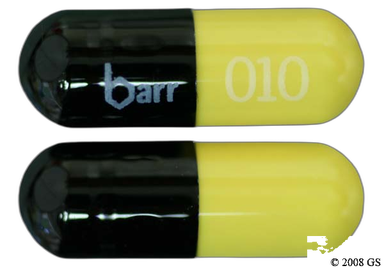
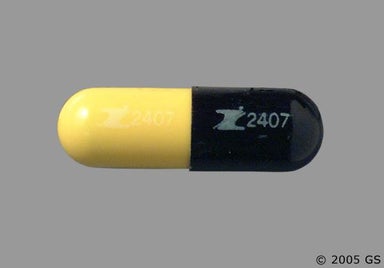
Tetracycline is an antibiotic used to treat many types of bacterial infections. This can include respiratory tract infections, urinary tract infections (UTIs), and certain sexually transmitted infections (STIs). It's also sometimes used to treat severe acne. Tetracycline can be taken by adults and children over 8 years of age. It's usually taken by mouth several times a day. Tetracycline can cause unpleasant stomach side effects. There's also a risk of teeth staining in young children whose teeth are still growing.

Tetracycline is a tetracycline antibiotic. It stops bacteria from making proteins they need to grow and survive. This keeps the bacteria from growing and spreading in your body.
| Common Brands | Sumycin |
|---|---|
| Drug Class | Tetracycline antibiotic |
| Controlled Substance Classification | Not a controlled medication |
| Generic Status | Lower-cost generic available |
| Availability | Prescription only |

The following side effects may get better over time as your body gets used to the medication. Let your healthcare provider know immediately if you continue to experience these symptoms or if they worsen over time.
Contact your healthcare provider immediately if you experience any of the following.
Along with its needed effects, a medicine may cause some unwanted effects. Although not all of these side effects may occur, if they do occur they may need medical attention.
Check with your doctor as soon as possible if any of the following side effects occur:
For all tetracyclines
More common
Increased sensitivity of skin to sunlight (rare with minocycline)
Rare
Abdominal pain
bulging fontanel (soft spot on head) of infants
headache
loss of appetite
visual changes
yellowing skin
For demeclocycline only
Less common
Greatly increased frequency of urination or amount of urine
increased thirst
unusual tiredness or weakness
For minocycline only
Less common
Pigmentation (darker color or discoloration) of skin and mucous membranes
Some side effects may occur that usually do not need medical attention. These side effects may go away during treatment as your body adjusts to the medicine. Also, your health care professional may be able to tell you about ways to prevent or reduce some of these side effects. Check with your health care professional if any of the following side effects continue or are bothersome or if you have any questions about them:
For all tetracyclines
For minocycline only
More common
Dizziness, light-headedness, or unsteadiness
In some patients tetracyclines may cause the tongue to become darkened or discolored. This effect is only temporary and will go away when you stop taking this medicine.
Other side effects not listed may also occur in some patients. If you notice any other effects, check with your healthcare professional.
Call your doctor for medical advice about side effects. You may report side effects to the FDA at 1-800-FDA-1088.




Tetracycline can cause some serious health issues. This risk may be even higher for certain groups. If this worries you, talk to your doctor or pharmacist about other options.
Antibiotics, such as tetracycline, can change the normal bacteria in your gut. This can let harmful bacteria called Clostridioides difficile (C. diff) grow too much and cause a serious infection. This infection can lead to severe diarrhea, even up to 2 months after you stop the antibiotic.
It's important to know the difference between mild diarrhea from tetracycline and serious diarrhea from C. diff. Signs of a C. diff infection include fever, nausea, severe or watery diarrhea, foul-smelling diarrhea, frequent bowel movements, or bloody stool. Get medical help right away if you have any signs of this infectious diarrhea. This can be a medical emergency and should get treated as soon as possible.
Tetracycline has been linked to having high pressure around the brain, called intracranial hypertension. Your risk might be higher risk if you can become pregnant and are considered overweight or have had this problem before. Avoid taking tetracycline with the acne medication isotretinoin, since it can also cause this problem.
The pressure usually gets better after you stop tetracycline. But it can stay high for several weeks. In some cases, it can cause permanent vision loss. Call your prescriber right away if you have headaches or vision changes, such as blurry vision, double vision, or vision loss. You'll need an eye exam right away if you have vision changes.
Tetracycline can make your skin more sensitive to sunlight. This means you might get a sunburn more easily. Protect your skin by wearing sun-protective clothing and using sunscreen with an SPF of at least 30 when you're outside. Avoid tanning beds and other sources of ultraviolet (UV) light while taking tetracycline. Stop taking tetracycline and tell your care team if your skin becomes red or looks sunburned.
If you have kidney problems, tetracycline can build up in your body and cause serious problems. Taking the antibiotic for a long time can also raise the risk of liver problems. If you have kidney problems, your prescriber might give you a lower dose or have you take it less often to help keep you safe.
Tetracycline can affect teeth while they're still developing. This can happen in an unborn baby if it's taken during the second half of pregnancy. It can also happen in children younger than 8 who take the antibiotic.
Tetracycline can permanently stain developing teeth yellow, gray, or brown. This is more common with long-term use, but it can also happen after several short courses. Tetracycline can also cause problems with tooth enamel, which can affect how strong the teeth are.
Because of these risks, tetracycline should usually be avoided during the second half of pregnancy and in children younger than 8. An exception is when it's used to treat anthrax and other antibiotics aren't expected to work or can't be used. Talk to your prescriber if you have concerns about taking tetracycline.
Avoid taking tetracycline if you're pregnant or plan to become pregnant. Based on animal studies, tetracycline can harm an unborn baby and affect how their bones and teeth develop. Tetracycline should only be used during pregnancy if your prescriber decides it's necessary. Tell your prescriber right away if you become pregnant while taking it.
Tetracycline can also slow bone growth in premature babies who take it. This effect can go away after the medication is stopped. Tetracycline isn't approved for infants.


Although certain medicines should not be used together at all, in other cases two different medicines may be used together even if an interaction might occur. In these cases, your doctor may want to change the dose, or other precautions may be necessary. When you are taking any of these medicines, it is especially important that your healthcare professional know if you are taking any of the medicines listed below. The following interactions have been selected on the basis of their potential significance and are not necessarily all-inclusive.
Using medicines in this class with any of the following medicines is not recommended. Your doctor may decide not to treat you with a medication in this class or change some of the other medicines you take.
Using medicines in this class with any of the following medicines is usually not recommended, but may be required in some cases. If both medicines are prescribed together, your doctor may change the dose or how often you use one or both of the medicines.


Contraindications are specific health conditions or situations in which a person should not take a medication due to safety concerns. If you have any of the following conditions or if any of the following apply to you, let your healthcare provider know because Tetracycline will not be safe for you to take.

Doxycycline hyclate is used to prevent malaria due to the parasite Plasmodium falciparum and to treat many different infections caused by bacteria. Some examples include:








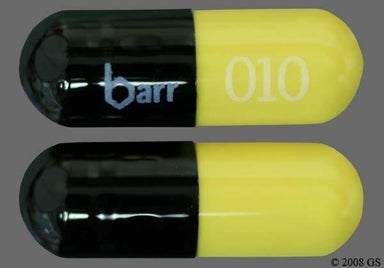

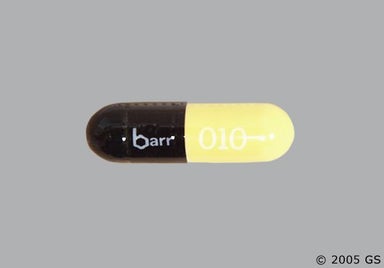

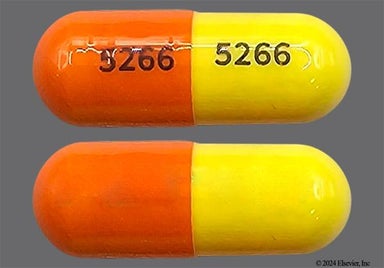
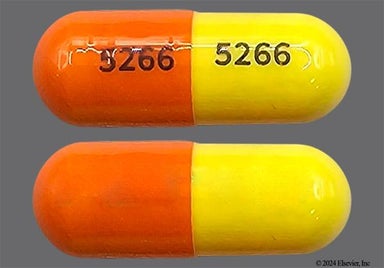


Prescription savings
Stop paying too much for your prescriptions. Compare prices, get pharmacy coupons, and save up to 80%. Find expert answers to your health questions so you can make the best decisions for yourself and your family.
Health conditions
Medications & treatment
Access & affordability
Medication discounts


It's best to take Tetracycline without food, or at least 1 hour before or 2 hours after a meal. Some foods, especially dairy products, can make it harder for your body to absorb Tetracycline. This might affect how well the antibiotic can work. Ask your prescriber or pharmacist if you have questions about when to take Tetracycline.
No, you can't buy Tetracycline over the counter. You need a prescription for it from a healthcare professional.
Yes. Tetracycline is an antibiotic. It treats many types of bacterial infections. This includes respiratory infections, certain skin infections, and urinary tract infections, among others. It doesn't work against infections caused by viruses, such as the common cold or flu.
For most healthy adults, Tetracycline can stay in your body for about 1 to 2 days after your last dose. This is an estimate based on the medication's half-life, or how long it takes your body to remove half of a dose. It might take longer for Tetracycline to leave your body if you have kidney problems. Ask your prescriber if you have questions about how long Tetracycline stays in your system.
Yes. Tetracycline can permanently stain developing teeth yellow, gray, or brown. This is a risk in children younger than 8 because their teeth are still developing. It can also happen in an unborn baby if Tetracycline is taken during the second half of pregnancy. Because of this risk, Tetracycline should usually be avoided during the second half of pregnancy and in children younger than 8. Talk to your prescriber if you have questions about this risk.
Avoid taking Tetracycline too close to dairy products. Dairy can make it harder for your body to absorb Tetracycline, which can affect how well it works. Also take Tetracycline a few hours apart from antacids or supplements that contain calcium, iron, magnesium, aluminum, or zinc. Other things you should avoid are tanning beds and too much direct sunlight. Tetracycline can make your skin more sensitive to the sun, so you can get a sunburn more easily. Use sunscreen and wear protective clothing when you step outside. Talk to your prescriber or care team if you have questions about what to avoid while taking Tetracycline.
Yes, you can take metronidazole pills (Flagyl) and Tetracycline together if your prescriber recommends it. These antibiotics are sometimes used together to treat certain infections, such as H. pylori. Both can cause stomach upset, nausea, or diarrhea. Ask your prescriber or pharmacist if you have questions about taking them together.
Tetracycline and doxycycline belong to the same family of antibiotics. They treat many of the same bacterial infections. But they aren't taken the same way. Tetracycline is often taken several times a day (most times, four times a day). But doxycycline is usually taken once or twice a day. Your prescriber can help choose the right antibiotic for your infection.
