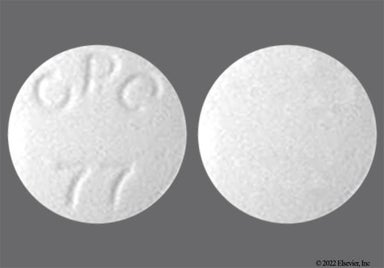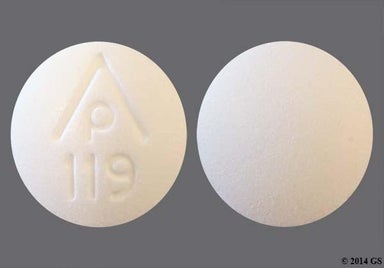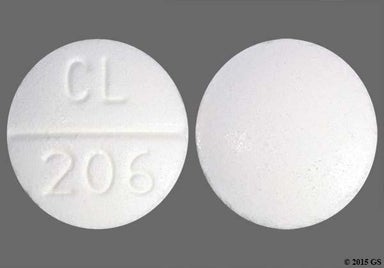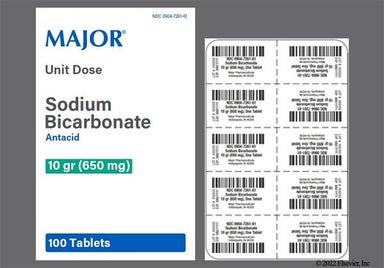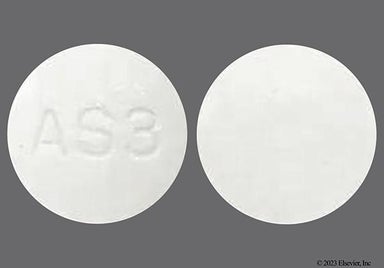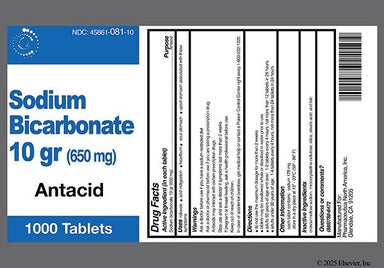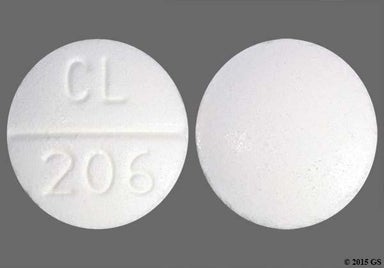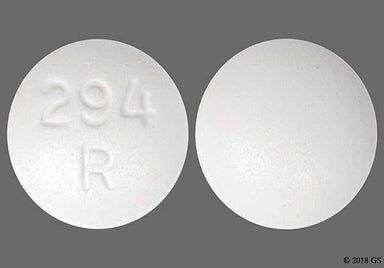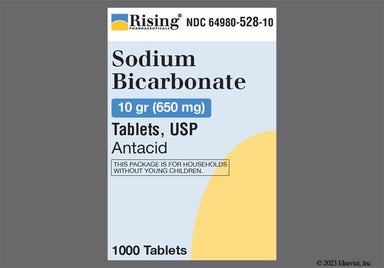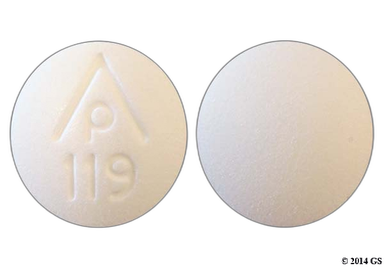


Sodium bicarbonate is an antacid taken by mouth and used to relieve symptoms of acid reflux in adults, such as indigestion, heartburn, and upset stomach. It shouldn't be used for more than 2 weeks at the maximum recommended dose, unless your healthcare provider tells you to. Sodium bicarbonate might not be safe for people with certain medical conditions, such as high blood pressure or heart failure. It's available over the counter and as lower-cost generics.
Sodium bicarbonate is an antacid that neutralizes, or balances, the acid in your stomach to help relieve indigestion, heartburn, and upset stomach.
The following side effects may get better over time as your body gets used to the medication. Let your healthcare provider know immediately if you continue to experience these symptoms or if they worsen over time.
Side effects that you should report to your care team as soon as possible:
Side effects that usually do not require medical attention (report to your care team if they continue or are bothersome):
You shouldn't take sodium bicarbonate at the maximum recommended dose for more than 2 weeks, unless you've been told to by your healthcare provider. If you still have symptoms after 2 weeks of taking this medication, talk to your provider about other options to better treat your condition.
Don't take sodium bicarbonate with other antacids without talking with your provider first. Sodium bicarbonate can interact with other prescription and over-the-counter medications, including other antacids. If you think that sodium bicarbonate isn't enough to ease your symptoms, ask your provider about other options that can help you.
There isn't enough information available to know if sodium bicarbonate is safe to take during pregnancy. The sodium in this medication can cause fluid buildup, which can be dangerous. Discuss the risks and benefits of using it with a healthcare provider first. Heartburn is very common during pregnancy and there are ways to lower your symptoms without medications, such as eating smaller meals throughout the day or avoiding spicy or fatty foods.
There isn't enough information to know if sodium bicarbonate is safe or works well in children, and it's not recommended to use it for long-term treatment of stomach upset caused by acid reflux in children. Read the label on the medication's package to find the age cut-off for your product. Keep the medication bottle tightly closed and out of reach from children at all times. If your child has indigestion, heartburn, or upset stomach, ask your child's healthcare provider or pharmacist about safer treatment options.
If you have high blood pressure or are on a low-sodium diet, speak to your provider before using sodium bicarbonate. This medication can add a lot of sodium to your diet and worsen certain conditions, such as high blood pressure.
Sodium bicarbonate can cause some serious health issues. This risk may be even higher for certain groups. If this worries you, talk to your doctor or pharmacist about other options.
If dissolving sodium bicarbonate in water, don't take it unless the tablet is completely dissolved because it can lead to serious stomach injury. You should also avoid taking the medication if you're overly full from eating food or drinking alcohol. If you have stomach pain after taking sodium bicarbonate and it doesn't get better, contact your healthcare provider.
| Dosage | Quantity | Price as low as | Price per unit |
|---|---|---|---|
| 325mg | 180 tablets | $6.06 | $0.03 |
| 650mg | 60 tablets | $3.10 | $0.05 |
Each product has specific instructions for use. To make sure you’re using sodium bicarbonate products correctly, refer to the product’s administration directions and talk to your provider or pharmacist.
Sodium bicarbonate 650 mg
Each tablet of Alka Seltzer Heartburn contains anhydrous citric acid 1000 mg and sodium bicarbonate 1940 mg.