Key takeaways:
Antibiotics are a safe and effective treatment for a type of acne called inflammatory acne.
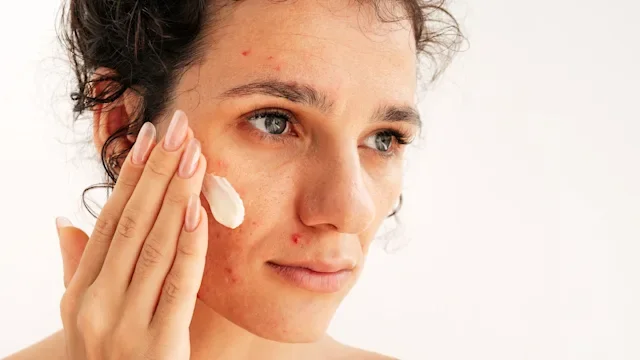
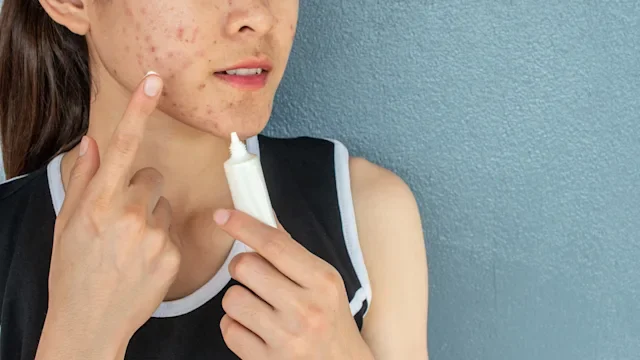
For mild inflammatory acne, antibiotic creams, gels, or wipes can work. Erythromycin and clindamycin are two good options.
For more severe acne, you’ll likely need antibiotic pills, such as minocycline, erythromycin, or doxycycline.
Antibiotics work best when combined with other acne medications. This can also help prevent antibiotic resistance.
Many healthcare professionals prescribe antibiotics for acne. But do they really work? And which antibiotic is best?
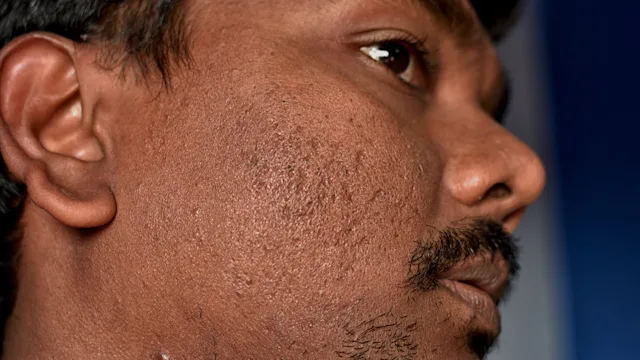
Antibiotics are a safe and effective treatment choice for inflammatory acne, which is when you have pimples, pustules, and deep, painful cysts. If you have only comedonal acne, meaning whiteheads or blackheads, antibiotics aren’t your best option.
There are lots of choices when it comes to antibiotic treatment of inflammatory acne. So, it can be hard to know which option is best for you.
Search and compare options
Here, we’ll take a closer look at which antibiotics are most effective against acne and any precautions you need to take when using them.
Antibiotics that treat inflammatory acne
There are a few different antibiotics that can treat inflammatory acne, and they come in various forms. Topical antibiotics are creams, gels, or wipes that you apply directly to your skin. Oral antibiotics come in pills or liquids and work throughout your body.
The type of antibiotic you take depends on how severe your acne is. Treatment for mild inflammatory acne typically starts with topical antibiotics. If these don’t help, or if your acne leaves scars or affects your chest and back, oral antibiotic pills might work better.
Topical antibiotics
Examples of topical antibiotics prescribed for acne include:
Erythromycin (Erygel)
Clindamycin (Clinda-Derm, Cleocin-T, Clindagel)
Dapsone (Aczone)
Minocycline (Amzeeq)
Some topical antibiotic medications mix in benzoyl peroxide, another medication that treats acne by killing bacteria. These combination treatments are more effective against acne and they also help prevent antibiotic resistance (more on that later).
Examples of combination treatments include:
Erythromycin / benzoyl peroxide (Benzamycin)
Clindamycin / benzoyl peroxide (Benzaclin)
Oral antibiotics
The most popular antibiotic pills prescribed for acne include:
Minocycline (Solodyn, Minocin)
Doxycycline (Vibramycin, Doryx)
Erythromycin (Ery-Tab)
Azithromycin (Zithromax)
Trimethoprim / sulfamethoxazole (Bactrim)
Sarecycline (Seysara)
In general, experts recommend using antibiotics that belong to a class of medications called tetracyclines, such as minocycline and doxycycline. This is because they have been studied the most for acne. These are considered “first-choice” antibiotics for inflammatory acne.
Erythromycin, azithromycin, and trimethoprim / sulfamethoxazole are considered second-choice options. That’s because there isn’t as much evidence backing them. But they can be an option in special situations when tetracyclines aren’t a good fit.
A second-choice antibiotic may be a better option if:
You’re allergic to tetracyclines
You take another medication that could interact with tetracyclines
You’re pregnant
The person being treated is a child who is age 8 or younger
Antibiotic pills are intended to be taken for a short time. Most people only take them for about 3 months. For the best results, follow these tips when taking an oral antibiotic:
Take the antibiotic as directed by your prescriber
Follow your pharmacist’s directions for how to minimize or avoid side effects
Don’t skip doses
Finish the whole course of treatment, even if your acne seems better
Alternative acne treatments
One thing to keep in mind is that antibiotics may not work for everyone. Sometimes, they don’t work at all. Other times, they may help only for a short time. In women, acne that doesn’t respond well to antibiotics may be linked to hormonal fluctuations, like around the time you get your period. This could be a sign of adult female acne, and antibiotics may have limited use in this case.
For acne that doesn’t respond to antibiotics, other treatment options include the following:
Isotretinoin (Accutane), an oral form of vitamin A, has a high success rate with severe acne and acne that doesn’t respond to antibiotics.
Oral contraceptives and spironolactone are hormonal therapies that work well for women with adult female acne.
A short course of oral corticosteroids can sometimes be helpful for acne that’s very inflamed.
Winlevi (clascoterone) is a prescription cream that helps block oil production.
How do antibiotics work to treat inflammatory acne?
To understand how antibiotics treat acne, it helps to know how acne starts.
First, dead skin cells and oil clog the pores. This can lead to comedonal acne, which includes whiteheads and blackheads. Clogged pores can also attract certain strains of bacteria that naturally live on the surface of your skin.
Once trapped in a pore, these bacteria multiply and cause inflammation. If the inflammation goes deep into the skin, it can lead to pimples, cysts, or nodules. When this happens, it’s called inflammatory acne.
Antibiotics work by fighting the acne-causing bacteria, either by stopping the bacteria from growing or killing them altogether. Antibiotics can also help reduce the inflammation in your skin.
A complete treatment plan for inflammatory acne usually involves antibiotics in combination with other acne treatments, such as a topical retinoid. You can read more about combining antibiotics with other acne medications below.
Side effects of antibiotic treatment for acne
Antibiotics are a very safe treatment for acne, and most people don’t have any problems using them. But, like any medication, they can cause side effects. In general, antibiotic pills are more likely to cause side effects than topical antibiotics since they work throughout your body.
Here are some common side effects of acne antibiotics. If you experience these symptoms — or any others — after starting an antibiotic, let your prescriber know right away. They’ll help you determine whether you should keep taking the medication, adjust the dose, or switch to something else.
Topical antibiotic side effects
In general, topical antibiotics for acne don’t cause many side effects. But some people may have red, dry, or itchy skin.
If you have a rare genetic condition called G6PD deficiency (glucose-6-phosphate dehydrogenase deficiency), tell your prescriber before starting topical dapsone.
For people with G6PD deficiency, oral dapsone can cause a blood disorder called hemolytic anemia. This side effect is unlikely with topical dapsone. But let your healthcare team know so they can monitor your health.
Oral antibiotic side effects
Most side effects of oral antibiotics are pretty minor and don’t last long. They include things like nausea, vomiting, and diarrhea. Other possible, less common side effects include:
Skin rash or skin discoloration (darkening of the skin)
Increased sun sensitivity (making a sunburn more likely)
Liver inflammation
Gastrointestinal infection
Severe allergic reaction
Some healthcare professionals are less likely to prescribe minocycline than other antibiotics. This is because of the risk of certain side effects, including autoimmune issues and pigmentation changes (darkening of the skin or tissues). Pigmentation changes can happen on the skin or inside the body and may be permanent.
Though trimethoprim / sulfamethoxazole can work for acne, some prescribers avoid it. The main reason is that it can cause dangerous skin rashes and problems with blood cells.
Risks of using antibiotics for acne
You shouldn’t rely on antibiotics to control your acne long term. Taking antibiotics for too long can increase the risk of antibiotic resistance and other side effects.
Infections caused by antibiotic-resistant bacteria can be dangerous and difficult to treat. That’s why it’s best to limit antibiotic treatment to no longer than 3 months. There might be special cases in which antibiotics would be recommended for a longer period of time. If you take antibiotics for longer than usual, it’s especially important to see your prescriber for regular follow-up visits.
Using antibiotics with other acne medications
When antibiotics are used to treat acne, they’re usually combined with other acne medications. This is because combination therapy is more effective against acne and helps prevent antibiotic resistance. Benzoyl peroxide and topical retinoids are two common medications used with antibiotics to treat acne:
Benzoyl peroxide: This medication fights bacteria on your skin’s surface. It’s a common ingredient in many over-the-counter (OTC) acne treatments. It comes in different formulations, like creams, gels, and washes. And it comes in different concentrations. Start with the lowest concentration to make sure your skin doesn’t get irritated. Popular benzoyl peroxide treatments include PanOxyl Foaming Wash and Neutrogena On-The-Spot cream.
Topical retinoids: These medications prevent clogged pores and help with acne scarring. Differin (adapalene) is a prescription-strength retinoid that’s now available OTC. All other retinoids, like tretinoin, need a prescription.
After you stop taking antibiotics, your prescriber will likely recommend continuing one of these other medications to help keep your skin clear. If you stop your other acne treatments, it’s very likely that your acne will come back.
Frequently asked questions
There isn’t a single best over-the-counter (OTC) acne medication. The best option depends on what’s causing your pimples and can vary from person to person. In general, OTC medications that work for acne include:
Benzoyl peroxide
Salicylic acid
Adapalene
Azaleic acid
Talk to a healthcare professional about the best treatment options for your type of acne.
The best treatment for acne depends on what’s causing your acne and your individual medical history. This won’t be the same for everyone. Acne treatment can include:
Antibiotics (topical and oral)
OTC treatments
Retinoids
Birth control
Isotretinoin (Accutane)
Corticosteroids
Other treatments (Winlevi, spironolactone)
A healthcare professional can review all of the options with you to determine the best treatment plan for your needs.
Laser acne treatment costs can vary based on the number of sessions you need and the size of the area being treated. Laser treatments can cost several thousands of dollars if you have a large area that you’re treating. Keep in mind that insurance usually doesn’t cover laser acne treatment, so you may have an out-of-pocket cost.
The bottom line
Antibiotics are a mainstay of treatment for a specific type of acne called inflammatory acne. Topical antibiotics, which come as creams, gels, or wipes, can help with mild acne. For more severe acne, pills tend to be better.
Tetracyclines are the first-choice antibiotic pills used for acne treatment, but there are other options if you can’t take tetracyclines. No matter which antibiotic you take, they’re all pretty effective, especially when combined with other acne medications, such as benzoyl peroxide or a retinoid. Combining treatments helps the medications to work better and prevents bacteria from becoming resistant to antibiotics.
Most side effects of antibiotics are minor and don’t last very long. Your healthcare team can help you find the best antibiotic treatment option for you.

Why trust our experts?



References
Arowojolu, A. O., et al. (2012). Combined oral contraceptive pills for the treatment of acne. Cochrane Database of Systematic Reviews.
Leyden, J., et al. (2017). Why topical retinoids are mainstay of therapy for acne. Dermatology and Therapy.
MedlinePlus. (n.d.). Glucose–6–phosphate dehydrogenase deficiency.
National Heart, Lung, and Blood Institute. (2022). Hemolytic anemia.
Zaenglein, A. L., et al. (2016). Guidelines for the management of acne vulgaris. Journal of the American Academy of Dermatology.