Key takeaways:
The intestinal system (the “gut”) contains trillions of bacteria. The amount and variety of gut bacteria are essential to your health and well-being.
Many people fear dangerous bacteria that can make them sick. But there are also a lot of “healthy” bacteria throughout the body — especially in the gut.
Lifestyle choices, like doing exercise and eating high-fiber foods, are a great way to support your gut health.
The gut contains trillions of bacteria (in addition to fungi, parasites, and viruses). This is the gut microbiome, and it plays a big role in your health. In fact, the body contains more microbial cells than human cells. And there’s actually a lot of evidence that these microbes influence your health, including weight, immune function, and moods.
Scientists are still learning about the microorganisms in the gut. But they do know that certain types of bacteria can make you sick, while other types play an important role in keeping you healthy. Research also shows that diversity (having a lot of different types of bacteria) is important and can even help keep harmful bacteria under control.
Read on to understand what it means to have a healthy microbiome and the difference between “good” and “bad” gut bacteria. We’ll also share some tips on how to keep your microbiome healthy and diverse.
Search and compare options
What are healthy bacteria?
There are a lot of good bacteria that you need to stay healthy. These bacteria live in the intestines and help you digest food and absorb nutrients. They also make vitamins, prevent bad bacteria from causing infections, and may even help boost your immune system.
While researchers are still learning exactly how bacteria provide health benefits, they know that it likely has to do with what they absorb and produce. For example, good gut bacteria help produce:
Short-chain fatty acids
Amino acids, including arginine and glutamine
Vitamins, including vitamin K and folic acid
Good bacteria can also make it harder for bad bacteria to grow, by crowding them out of the gut.
Benefits of good bacteria
There’s much more to learn about the complexities of the microbiome. At the moment, there’s evidence that good bacteria in the gut may have many health benefits, including:
Improving digestive health in people with irritable bowel syndrome (IBS) or inflammatory bowel disease (IBD)
Helping immune function
Regulating appetite and weight
Influencing symptoms of depression
Helping cardiovascular health
Preventing cancer

Read more like this
Explore these related articles, suggested for readers like you.




Examples of good bacteria
There are many different types of good bacteria — microbes that seem to have health benefits. Common examples include:
Akkermansia
Bifidobacterium
Lactobacillus
There’s also evidence that having a diverse microbiome, with many different types of good bacteria, may be important for your health.
What are probiotics?
Probiotics are live microorganisms — like good bacteria — that may have health benefits when you ingest them. These are bacteria or yeast that you can get in food or drinks or take as a pill or capsule.
Common probiotics include:
Lactobacillus acidophilus
Lactobacillus bulgaricus
Lactobacillus casei
Lactobacillus gasseri
Lactobacillus plantarum
Bifidobacterium bifidum
Bifidobacterium lactis
Bifidobacterium longum
Saccharomyces boulardii
Streptococcus thermophilus
Can bad bacteria make you sick?
Yes. Some bacteria can make you sick, like Escherichia coli and Salmonella. When bad bacteria grow and produce toxins, this can cause severe symptoms like abdominal pain, fevers, and diarrhea. Others may cause more subtle but ongoing symptoms, like bloating or irregular bowel movements.
Examples of bad bacteria
Some gut bacteria can have harmful effects on your health. These include:
Clostridium difficile (C. diff)
Eschericihia coli (E. coli)
These bacteria can grow in the intestine and release toxins, leading to symptoms like abdominal cramping, diarrhea, and nausea.
How do bad bacteria get into your body?
Some bad bacteria (like C. diff) already live in your gut in small, harmless amounts. They can cause problems if they have the opportunity to grow into large numbers. This can happen when you don’t have enough good bacteria to stop the bad bacteria from taking over. Taking antibiotics is one reason this can happen.
Harmful bacteria can also get into your body if you eat contaminated food or touch a contaminated surface and then put your fingers in your mouth.
Signs your gut needs more good bacteria
Signs of an unhealthy gut microbiome may range from gastrointestinal (GI) symptoms to symptoms that may seem unrelated to the GI tract.
These can include:
Abdominal bloating or cramping
Diarrhea or constipation
Weight gain or weight loss
Fatigue or sleep disturbance
Rashes or other skin conditions
The development of chronic disease, such as autoimmune conditions
Food allergies or intolerance
5 ways to improve gut health
The good news is there are ways that you can start improving the health of your gut. This mostly involves focusing on your diet and lifestyle. Here are some ways to get started:
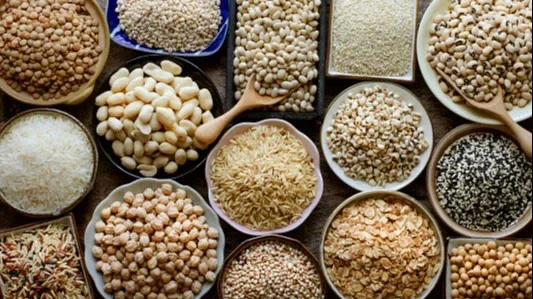
Get more fiber in your diet. Fiber helps with the growth of good bacteria. Look for high-fiber foods like fruits, vegetables, seeds, and nuts. Aim to get 30 grams per day.
Include fermented foods in your diet. Fermented foods — such as yogurt, sauerkraut, kimchi, and kombucha — have probiotics (healthy bacteria).
Consider taking a prebiotic or probiotic supplement. Talk with your healthcare provider to see if prebiotics or probiotics might be good options for you.
Include polyphenols in your diet. Examples include berries, coffee, and tea. These can have beneficial effects on health and the gut microbiome.
Exercise regularly. Exercise impacts the gut microbiome, increasing healthy bacteria and diversity.
It’s also a good idea to talk to your healthcare provider about your specific concerns. Be sure to review your medications, as some common medications can also influence the gut microbiome, such as NSAIDs (nonsteroidal anti-inflammatory drugs) and proton pump inhibitors.
The bottom line
Gut bacteria is tightly linked with physical and mental health. The gut contains trillions of bacteria — many of which are good for you and an important part of your health. There are also some gut bacteria that can cause harm, especially if given the opportunity to grow. Gut bacteria can change over time, and there are ways you can improve it through diet, exercise habits, and other lifestyle factors.

Why trust our experts?




References
Ajmera, A., et al. (2022). Salmonella. StatPearls.
Akbar, N., et al. (2022). The role of gut microbiome in cancer genesis and cancer prevention. Health Sciences Review.
Aron-Wisnewsky, J., et al. (2016). The gut microbiome, diet, and links to cardiometabolic and chronic disorders. Nature Reviews Nephrology.
Aslam, A., et al. (2022). Shigella. StatPearls.
Belkaid, Y., et al. (2014). Role of the microbiota in immunity and inflammation. Cell.
Cardona, F., et al. (2013). Benefits of polyphenols on gut microbiota and implications in human health. The Journal of Nutritional Biochemistry.
Chong, P. P., et al. (2019). The microbiome and irritable bowel ayndrome – A review on the pathophysiology, current research and future therapy. Frontiers in Microbiology.
Davis, C. D. (2017). The gut microbiome and its role in obesity. Nutrition Today.
Hills, R. D., et al. (2019). Gut microbiome: Profound implications for diet and disease. Nutrients.
Huang, T. T., et al. (2019). Current understanding of gut microbiota in mood disorders: An update of human studies. Frontiers in Genetics.
Jandhyala, S. M., et al. (2015). Role of the normal gut microbiota. World Journal of Gastroenterology.
Mada, P. K., et al. (2022). Clostridioides difficile. StatPearls.
Makki, K., et al. (2018). The impact of dietary fiber on gut microbiota in host health and disease. Cell Host & Microbe.
Marco, M. L., et al. (2017). Health benefits of fermented foods: Microbiota and beyond. Current Opinion in Biotechnology.
Monda, V., et al. (2017). Exercise modifies the gut microbiota with positive health effects. Oxidative Medicine and Cellular Longevity.
Mueller, M., et al. (2022). Escherichia coli. StatPearls.
National Institutes of Health. (2012). NIH Human Microbiome Project defines normal bacterial makeup of the body.
National Institutes of Health. (2022). Probiotics.
Quigley, E. M. M. (2013). Gut bacteria in health and disease. Gastroenterology & Hepatology.
Ramirez, J., et al. (2020). Antibiotics as major disruptors of gut microbiota. Frontiers in Cellular and Infection Microbiology.
Singh, A. M., et al. (2019). Beneficial effects of dietary polyphenols on gut microbiota and strategies to improve delivery efficiency. Nutrients.
Taylor, T. A., et al. (2022). Staphylococcus aureus. StatPearls.
Ursell, L. K., et al. (2013). Defining the human microbiome. Nutrition Reviews.
Zhang, Y. J., et al. (2015). Impacts of gut bacteria on human health and diseases. International Journal of Molecular Sciences.